
How to deal with white powder on jade plant?
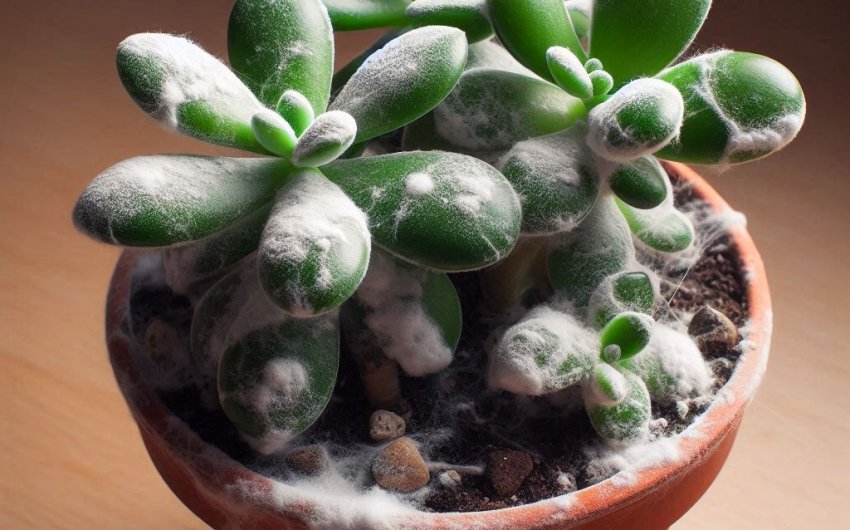
Dealing with white powder on your jade plant typically involves identifying whether it's a pest issue like mealybugs or a fungal problem like powdery mildew. Once identified, apply targeted organic or chemical treatments and adjust environmental conditions to prevent recurrence and restore your jade's health.
What is That White Powder on Your Jade Plant?
When you notice white powder on your jade plant, it's usually a sign of one of two common issues: either a pest infestation, most commonly mealybugs, or a fungal disease known as powdery mildew. It's important to accurately identify which one you're dealing with, as the treatment methods differ significantly. A quick inspection can often reveal the culprit and guide your next steps in protecting your jade.
Is it Mealybugs or Powdery Mildew? How to Tell the Difference.
Distinguishing between mealybugs and powdery mildew is the crucial first step when you see white powder on your jade plant. While both appear as white coatings, their characteristics are quite different upon closer inspection.
Mealybugs (Pest Infestation)
- Appearance: Mealybugs look like tiny, soft-bodied insects covered in a fluffy, waxy white substance, resembling cottony masses. They are often oval-shaped and can be seen moving slowly if you observe closely.
- Location: They tend to gather in crevices, leaf axils (where leaves meet stems), along the undersides of leaves, and sometimes on the stems. They are often found in protected, hidden areas.
- Texture: If you touch the white substance, it might feel slightly sticky or waxy. You might also see small, yellowish-white oval insects.
- Secondary Signs: Mealybugs excrete a sticky substance called honeydew, which can lead to the growth of black sooty mold on the plant. Leaves might also appear distorted or stunted due to sap-sucking.
- Wipe Test: If you try to wipe it off, the substance might smear or leave a tiny bug behind.
Powdery Mildew (Fungal Disease)
- Appearance: Powdery mildew appears as a thin, powdery white coating directly on the surface of the leaves and stems. It looks like flour or talcum powder has been dusted over the plant.
- Location: It typically spreads evenly over the leaf surfaces, both top and bottom, and can also cover stems. It's less concentrated in crevices than mealybugs.
- Texture: The coating feels dry and powdery to the touch, similar to actual flour. It doesn't leave a sticky residue.
- Plant Damage: Infected leaves might become yellow, distorted, or drop off. The disease can hinder photosynthesis.
- Wipe Test: If you wipe it, the white powder will usually come off easily, leaving a relatively clean surface beneath, though the fungal spores can spread.
By carefully observing the texture, location, and associated signs, you can accurately diagnose the problem and proceed with the correct treatment for the white powder on your jade plant.
How Do Mealybugs Damage Jade Plants?
Mealybugs are more than just an unsightly white powder on your jade plant; they are sap-sucking pests that can cause significant damage if left untreated. Understanding their destructive nature highlights the importance of prompt action.
Sap-Sucking and Nutrient Depletion
- Feeding Mechanism: Mealybugs use their straw-like mouthparts (stylets) to pierce the plant's tissues and suck out the sap. This sap is vital for the plant's growth, carrying water and nutrients.
- Nutrient Starvation: As mealybugs feed, they effectively deprive the jade plant of essential nutrients and moisture. This leads to the plant becoming weakened and stressed.
Visible Signs of Damage
- Yellowing Leaves: One of the most common signs of mealybug infestation is the yellowing of leaves, often starting from the tips or edges.
- Stunted Growth: Prolonged feeding can lead to stunted growth and a general lack of vigor in your jade plant. New growth may appear small or deformed.
- Leaf Drop: Severely infested leaves, deprived of nutrients, may eventually turn entirely yellow or brown and drop prematurely.
- Distorted Stems and Leaves: In heavy infestations, you might notice distorted or curled leaves and stems as the mealybugs interfere with normal plant development.
Honeydew and Sooty Mold
- Sticky Residue: Mealybugs excrete a sticky, sugary substance called honeydew. This clear, glistening residue often accumulates on leaves below the feeding sites.
- Sooty Mold Growth: The honeydew provides an ideal breeding ground for black sooty mold. This mold doesn't directly harm the plant tissue but can cover leaves, blocking sunlight and reducing the plant's ability to photosynthesize, further weakening it.
The cumulative effect of mealybug feeding can severely compromise your jade plant's health, making early detection and treatment of the white powder on your jade plant critical for its survival.
How Does Powdery Mildew Damage Jade Plants?
Powdery mildew is a fungal disease that appears as white powder on your jade plant, and while it doesn't "eat" the plant like pests do, it can still cause significant harm by interfering with essential plant functions.
Impaired Photosynthesis
- Blocking Sunlight: The characteristic white, powdery fungal growth spreads across the surface of leaves and stems. This coating blocks sunlight from reaching the plant's chlorophyll, which is crucial for photosynthesis (the process by which plants convert light energy into food).
- Reduced Energy Production: When photosynthesis is inhibited, the jade plant cannot produce enough energy to grow and maintain its health, leading to overall weakening.
Visible Signs of Damage
- Yellowing: Affected leaves may start to turn yellow as they struggle to produce food.
- Distortion and Curling: Severely infected leaves can become distorted, curled, or even puckered as the fungal growth damages the plant cells.
- Stunted Growth: Similar to pest damage, a jade plant suffering from extensive powdery mildew may exhibit stunted growth, appearing less vibrant and robust.
- Leaf Drop: In advanced stages or under severe stress, infected leaves may wither and drop prematurely.
- Aesthetic Damage: Beyond health issues, powdery mildew significantly detracts from the plant's appearance, making your typically beautiful jade look dusty and unwell.
Nutrient Drain
- Nutrient Parasitism: The mildew doesn't just block light; the fungal hyphae (thread-like structures) actually extract nutrients from the plant's cells. While less aggressive than sap-sucking pests, this continuous drain contributes to the plant's weakening.
While powdery mildew might seem like just a surface issue, its cumulative effects can severely stress your jade plant, making prompt treatment of the white powder on your jade plant essential for its recovery.
What Causes Mealybugs on Jade Plants?
Mealybugs don't just appear out of nowhere; their presence as white powder on your jade plant is often linked to specific environmental conditions and ways they can be introduced. Understanding these causes helps in prevention.
1. Bringing in Infested Plants
- New Acquisitions: The most common way mealybugs enter a home or garden is by introducing a new plant that is already infested. Always inspect new plants thoroughly before bringing them near your existing collection.
- Cut Flowers: Mealybugs can also hitchhikes on cut flowers from a garden or florist.
2. Environmental Stress
- Weakened Plants: Mealybugs, like many pests, are opportunistic. They tend to target plants that are already stressed or weakened due to improper care. This could be from:
- Overwatering: Jade plants are succulents and are highly susceptible to root rot from overwatering, which weakens them.
- Underwatering: While less common for mealybugs, extreme dryness can also stress plants.
- Poor Lighting: Insufficient light can weaken a jade plant, making it more vulnerable.
- Nutrient Deficiencies/Excesses: Imbalanced fertilization can also stress plants.
3. High Humidity and Lack of Air Circulation
- Ideal Breeding Grounds: Mealybugs thrive in warm, humid, and stagnant conditions. If your jade plant is in a very humid environment with poor air circulation, it creates an inviting atmosphere for these pests to reproduce rapidly.
- Crowded Spaces: Plants placed too close together can limit airflow and create pockets of high humidity, encouraging infestations to spread.
4. Lack of Natural Predators (Indoors)
- Indoor Environment: Outdoors, mealybugs have natural predators (like ladybugs and parasitic wasps) that help keep their populations in check. Indoors, these predators are absent, allowing mealybug populations to explode unchecked if not addressed.
By being vigilant about new plants and maintaining optimal growing conditions for your jade, you can significantly reduce the chances of encountering white powder on your jade plant due to mealybugs.
What Causes Powdery Mildew on Jade Plants?
Powdery mildew, presenting as white powder on your jade plant, is a common fungal disease primarily caused by specific environmental conditions that favor its growth and spread. Unlike pests, it's not "brought in" in the same way.
1. High Humidity (Especially at Night)
- Moisture Condensation: Powdery mildew thrives when there's high humidity, especially when accompanied by cool night temperatures. This combination leads to condensation on plant leaves, creating the moist surface conditions the fungal spores need to germinate and infect.
- Stagnant Air: Poor air circulation exacerbates humidity, allowing moisture to linger on leaves for extended periods.
2. Poor Air Circulation
- Trapped Moisture: When jade plants are crowded together or placed in an area with stagnant air, moisture gets trapped around the foliage. This creates a humid microclimate that is perfect for powdery mildew to flourish.
- Lack of Airflow: Without proper airflow, fungal spores can also settle and multiply undisturbed.
3. Moderate Temperatures
- Ideal Range: Powdery mildew prefers moderate temperatures, typically between 60°F and 80°F (15°C and 27°C). It doesn't do well in extreme heat or cold. This makes it a common issue during spring and fall, or in indoor environments with consistent moderate temperatures.
4. Shaded Conditions
- Reduced Sunlight: Jade plants need bright, indirect light. When they are placed in overly shaded conditions, the leaves may remain damp for longer, and the reduced light can also make the plant less vigorous, thus more susceptible to fungal attack.
5. Over-fertilization (Especially with Nitrogen)
- Succulent Growth: Excessive nitrogen fertilization can promote lush, soft, new growth that is more succulent and susceptible to powdery mildew infection. A balanced fertilizer or one with lower nitrogen is generally better for jade plants.
6. Plant Stress
- Weakened Defenses: Just like with pests, a jade plant that is already stressed (due to improper watering, poor soil, or nutrient imbalances) can have a weakened immune system, making it more vulnerable to powdery mildew infection.
By ensuring adequate air circulation, avoiding overly humid conditions, and providing proper light and nutrition, you can significantly reduce the likelihood of seeing white powder on your jade plant due to powdery mildew.
Step-by-Step Guide: How to Remove Mealybugs from Your Jade Plant
Once you've confirmed that the white powder on your jade plant is indeed mealybugs, prompt and thorough treatment is essential. Here’s a step-by-step guide to effectively remove them.
Step 1: Isolate the Infected Plant
- Prevention is Key: Immediately move the infested jade plant away from all other houseplants to prevent the mealybugs from spreading. This isolation step is crucial.
Step 2: Mechanical Removal (First Line of Defense)
- Rubbing Alcohol Swabs: Dip a cotton swab or a soft cloth in 70% isopropyl rubbing alcohol. Gently wipe away every visible mealybug and their white cottony masses. Pay close attention to leaf axils, undersides of leaves, and stem crevices. The alcohol dissolves their waxy coating and kills them on contact.
- Rinse After Swabbing: After swabbing a section, it's good practice to lightly rinse the plant with water to remove any excess alcohol, especially on sensitive succulents like jade.
- Strong Water Jet (Outdoor Option): If your jade plant is small enough and can be taken outdoors, a strong jet of water from a hose can physically knock off many mealybugs. Be gentle so as not to damage the plant, and ensure the soil is covered to prevent washing bugs into the pot.
Step 3: Apply Insecticidal Treatment (If Needed)
If manual removal isn't enough, or for heavier infestations, use an insecticidal spray.
- Neem Oil Spray: Mix 1-2 teaspoons of pure, cold-pressed Neem Oil for Plants with 1 teaspoon of mild liquid dish soap (as an emulsifier) per quart of warm water. Shake well. Spray all parts of the plant thoroughly, covering both the top and bottom of leaves and stems.
- How it Works: Neem oil disrupts insect feeding, growth, and reproduction. It's an organic, systemic insecticide, meaning the plant absorbs it.
- Application: Apply in the evening or on a cloudy day to prevent leaf burn.
- Insecticidal Soap: Alternatively, use a commercial Insecticidal Soap Spray, following the label instructions.
- How it Works: Insecticidal soaps work by breaking down the insect's outer protective layer, causing dehydration.
- Application: Ensure thorough coverage, as it only kills on contact.
Step 4: Follow-Up and Monitoring
- Repeat Treatment: Mealybugs are persistent. You'll need to repeat treatments every 7-10 days for at least 3-4 weeks to catch newly hatched nymphs from any missed eggs.
- Inspect Regularly: Continue to inspect your jade plant daily or every other day for any signs of returning mealybugs. Early detection of new outbreaks makes them much easier to control.
- Check Surrounding Plants: Even after isolating, always inspect nearby plants for any signs of spread.
By following these steps diligently, you can effectively eliminate the white powder on your jade plant caused by mealybugs and restore its health.
Step-by-Step Guide: How to Treat Powdery Mildew on Your Jade Plant
If your inspection confirms that the white powder on your jade plant is powdery mildew, a fungal infection, follow these steps to treat it and prevent its spread.
Step 1: Isolate and Prune Affected Areas
- Isolate: Immediately move the infected jade plant away from other plants to prevent the fungal spores from spreading to healthy foliage.
- Prune: Using clean, sharp pruning shears, carefully trim off any heavily infected leaves or stems. Dispose of these infected plant parts in the trash, not your compost, to avoid spreading spores. Sterilize your shears with rubbing alcohol between cuts and after use.
Step 2: Improve Air Circulation and Light
- Relocate if Needed: Ensure your jade plant is in a location with good air circulation. If it's in a crowded spot, move it to a more open area.
- Fan (Optional): A small fan can help circulate air around the plant, especially indoors.
- Adequate Light: Make sure your jade plant is receiving bright, indirect light. While shade doesn't cause powdery mildew, it can contribute to the conditions (lack of airflow, prolonged leaf wetness) that favor it.
Step 3: Apply Fungicidal Treatment
There are several effective organic and homemade fungicidal sprays you can use:
- Neem Oil Spray: Similar to mealybugs, Neem Oil for Plants is an excellent organic fungicide. Mix 1-2 teaspoons of pure neem oil with 1 teaspoon of mild liquid dish soap per quart of warm water. Shake well.
- Application: Spray all affected parts of the plant, ensuring thorough coverage on both sides of the leaves and stems. Apply in the evening or on a cloudy day.
- Baking Soda Solution: Mix 1 tablespoon of baking soda (sodium bicarbonate) and 1/2 teaspoon of mild liquid dish soap into 1 gallon of water.
- How it Works: Baking soda is thought to change the pH on the leaf surface, making it inhospitable for the fungus. The soap helps the solution stick.
- Application: Spray generously onto all affected areas.
- Milk Spray (1:9 Ratio): Mix 1 part milk (any type, but skim milk might be less messy) with 9 parts water.
- How it Works: The compounds in milk (possibly lactoferrin or phosphates) have antifungal properties, and the solution can also enhance the plant's natural defenses.
- Application: Spray onto the plant, ensuring full coverage.
Step 4: Follow-Up and Monitoring
- Repeat Applications: You'll need to repeat treatments every 5-7 days for several weeks until all signs of powdery mildew are gone and new, healthy growth appears.
- Avoid Overhead Watering: When watering, try to water the soil directly and avoid getting the leaves wet, especially in the evening, as this can encourage fungal growth.
- Cleanliness: Regularly wipe dust off your jade plant's leaves (even healthy ones) to prevent spore buildup.
By consistently applying these methods, you can effectively eliminate the white powder on your jade plant caused by powdery mildew and bring your plant back to full health.
How to Prevent White Powder on Your Jade Plant in the Future?
Preventing the reoccurrence of white powder on your jade plant, whether it's mealybugs or powdery mildew, is much easier than treating an active infestation. Good cultural practices are your best defense.
1. Optimal Environmental Conditions
- Bright, Indirect Light: Jade plants thrive in bright, indirect sunlight. Ensure they get enough light to remain vigorous and less susceptible to stress.
- Good Air Circulation: Place your jade plant where there is ample airflow. Avoid crowding plants. If indoors, a small fan can help if air feels stagnant. This is crucial for preventing powdery mildew.
- Consistent Temperature: Keep temperatures moderate, ideally between 65-75°F (18-24°C). Avoid extreme fluctuations.
- Moderate Humidity: While jade plants can tolerate some humidity, consistently high humidity, especially with poor airflow, favors both mealybugs and powdery mildew. Aim for moderate indoor humidity.
2. Proper Watering Practices
- Allow Soil to Dry: Jade plants are succulents and are very sensitive to overwatering. Always let the soil dry out completely between waterings. Use a well-draining succulent potting mix.
- Bottom Watering (Optional): Consider bottom watering to ensure roots get enough water while keeping the top soil drier, which can deter pests and mold.
- Avoid Overhead Watering: When watering, try not to get the leaves wet, especially in the evening, as lingering moisture encourages fungal growth.
3. Smart Plant Hygiene
- Inspect New Plants: Before bringing any new plant into your home, thoroughly inspect it for any signs of pests (like mealybugs or their white cottony masses) or diseases (like powdery mildew). Isolate new plants for a few weeks if you can, to monitor for any hidden issues.
- Quarantine: Use a Plant Quarantine Kit for all new plants for a period of 2-4 weeks.
- Regular Cleaning: Periodically wipe down your jade plant's leaves with a damp cloth to remove dust and any potential pest eggs or fungal spores. This also helps with photosynthesis.
- Remove Debris: Keep the area around your jade plant clean. Remove any fallen leaves or spent flowers from the pot, as these can harbor pests or fungal spores.
4. Appropriate Fertilization
- Balanced Fertilizer: Use a balanced, diluted fertilizer specifically formulated for succulents, or a general houseplant fertilizer at half strength, during the growing season (spring and summer).
- Avoid Over-Fertilization: Excessive nitrogen can lead to soft, susceptible new growth that is more prone to both pests and diseases.
5. Pest and Disease Monitoring
- Regular Inspections: Make it a habit to regularly inspect your jade plant (and all your plants) closely – checking undersides of leaves, stems, and leaf axils. Early detection is key to preventing major infestations.
By consistently implementing these preventative measures, you can create an environment that discourages the appearance of white powder on your jade plant and ensures it remains robust and healthy.
Can Natural Predators Help Control Mealybugs?
Yes, natural predators can be an excellent biological control method for dealing with mealybugs that appear as white powder on your jade plant, especially for outdoor jade plants or in greenhouses. While less practical for a single indoor houseplant, understanding these beneficial insects is valuable for broader pest management strategies.
Key Natural Predators of Mealybugs:
- Ladybugs (Lady Beetles): Both adult ladybugs and their larvae are voracious predators of mealybugs, as well as aphids and other soft-bodied pests.
- How to Use: You can purchase Live Ladybugs for Pest Control online and release them, typically outdoors or in a contained greenhouse environment. For a single indoor plant, it might be challenging to keep them around.
- Lacewing Larvae: Green lacewing larvae are tiny, alligator-like creatures with fierce appetites for mealybugs, aphids, and other small pests.
- How to Use: Like ladybugs, Lacewing Larvae can be purchased for release. They are particularly effective in protected environments.
- Mealybug Destroyers (Cryptolaemus montrouzieri): These are a specific type of ladybug beetle that are highly specialized predators of mealybugs. The larvae of mealybug destroyers are often mistaken for large mealybugs themselves due to their white, waxy, cottony appearance.
- How to Use: They are very effective when released into an infested area, but again, their effectiveness is highest in larger, contained environments like greenhouses.
- Parasitic Wasps: Tiny parasitic wasps lay their eggs inside mealybugs. The wasp larvae then hatch and consume the mealybug from the inside out, eventually emerging as adults.
- How to Use: These are usually released in commercial or greenhouse settings. They are very discreet and don't sting humans.
Considerations for Using Natural Predators:
- Outdoor/Greenhouse Use: Natural predators are most effective in outdoor gardens, greenhouses, or solariums where they have space and a continuous food source (the mealybugs).
- Pesticide-Free Environment: To use natural predators successfully, you must avoid using any chemical pesticides, as these will kill the beneficial insects along with the pests.
- Severity of Infestation: For small, indoor jade plants with light mealybug infestations, manual removal and horticultural oils are often more practical and sufficient. Natural predators are better suited for larger-scale or recurring problems.
While direct application of natural predators might not be the go-to solution for a single indoor jade plant, understanding their role reinforces the benefits of a holistic approach to pest management and keeping your plants free from white powder on your jade plant.
When to Consider Repotting a Jade Plant with White Powder?
Repotting a jade plant affected by white powder can be a part of the recovery process, but it's not always the first step. The decision depends on whether the issue is primarily a pest infestation or a fungal problem, and the severity.
When Repotting is Recommended:
Severe Mealybug Infestation (Especially Root Mealybugs):
- Symptoms: If you've been battling persistent mealybugs on the foliage and suspect they might have spread to the roots (which appear as white, fuzzy masses on the root ball), repotting is crucial. Root mealybugs are notoriously difficult to eliminate without disturbing the root system.
- Process: Carefully unpot the jade plant. Gently brush or wash off as much of the old soil as possible from the roots. Inspect the roots for any signs of the white, cottony masses. If found, spray the roots with diluted rubbing alcohol (70% isopropyl, diluted 1:1 with water) or an insecticidal soap solution. Allow the roots to air dry for a few hours. Then, repot into a fresh, well-draining succulent potting mix in a clean pot (sterilize old pots with a bleach solution or hot soapy water).
- Benefit: This physically removes the root mealybugs and their eggs, providing a fresh start.
Soil-Related Fungus or Persistent Mold:
- Symptoms: If the white powder seems to originate from the soil surface, or if you notice persistent mold issues on the soil that don't dissipate with improved airflow and reduced watering, it could indicate a deeper soil moisture or fungal problem.
- Process: Repotting with fresh, sterile, well-draining succulent soil can help alleviate excess moisture issues and remove fungal spores or mycelium from the old soil. Ensure the new pot also has excellent drainage.
Overwatering Issues (Leading to Weakened Plant):
- Symptoms: If the white powder (whether pest or fungus) is occurring on a plant already stressed from chronic overwatering (soft, mushy stems, root rot signs), repotting into fresh, dry, well-draining soil is beneficial.
- Process: Follow the steps for root inspection and potential pruning of rotten roots before repotting into new, dry soil.
When Repotting is NOT the First Step:
- Mild Mealybug Infestation: For light infestations primarily on the foliage, manual removal and topical sprays are usually sufficient without the stress of repotting.
- Powdery Mildew on Foliage Only: If powdery mildew is confined to the leaves and stems, improving air circulation, adjusting watering, and applying a fungicidal spray (like neem oil or baking soda) will typically resolve the issue without needing to disturb the roots. Repotting adds stress that an already compromised plant might not need.
- Healthy Root System: If the plant appears otherwise healthy and only has a surface infestation/infection, disturbing the roots unnecessarily is best avoided.
Always assess the full health of your jade plant and the specific nature of the white powder on your jade plant before deciding to repot, as it can be a stressful event for the plant.
Can I Use Rubbing Alcohol to Treat Powdery Mildew?
While rubbing alcohol is highly effective for killing mealybugs, its use to treat powdery mildew (the white powder on your jade plant caused by fungus) is generally not recommended as a primary treatment and should be approached with extreme caution, if at all, on succulents like jade plants.
Why Caution is Advised:
- Phytotoxicity Risk: Rubbing alcohol (isopropyl alcohol) can be phytotoxic to plants, meaning it can damage or burn plant tissue. Jade plants, being succulents with fleshy leaves, are particularly sensitive. Alcohol can quickly draw moisture out of the leaves, causing them to dry out, shrivel, or develop brown spots. This is especially true if applied in direct sunlight or in high concentrations.
- Ineffectiveness on Spores: While alcohol might kill some active fungal growth on contact, it doesn't have the same residual or systemic antifungal properties as dedicated fungicides or neem oil. It's unlikely to kill all the embedded fungal hyphae or prevent new spore germination effectively.
- Better Alternatives Available: There are much safer and more effective organic and homemade remedies specifically designed for powdery mildew, such as:
- Neem Oil: Acts as a broad-spectrum fungicide and also has insecticidal properties. It's much safer for plant foliage when used correctly.
- Baking Soda Solution: Changes the leaf surface pH to inhibit fungal growth.
- Milk Spray: Natural antifungal properties.
- Horticultural Oils: Smother fungal spores.
When You Might Consider a VERY Diluted Alcohol Wipe (Extreme Caution):
In rare cases, if you have a tiny, localized patch of powdery mildew and no other treatments are immediately available, you might try very carefully wiping the affected area with a highly diluted solution (e.g., 1 part 70% isopropyl alcohol to 3-4 parts water) on a cotton swab.
- Always test: Always test this diluted solution on a small, inconspicuous part of the plant first and wait 24-48 hours for any negative reactions before applying more widely.
- Avoid sunlight: Apply only when the plant is out of direct sunlight.
In summary: Stick to proven and safer fungicidal treatments like neem oil, baking soda solution, or milk spray for powdery mildew on your jade plant. Reserve rubbing alcohol for mealybug removal, where its contact-killing action and solvent properties are specifically beneficial. Prioritizing gentler methods reduces the risk of further stressing your jade plant.
What Role Does Light Play in Preventing White Powder on Jade Plants?
Light plays a crucial, though indirect, role in preventing white powder on your jade plant, whether it's mealybugs or powdery mildew. Proper lighting helps keep your jade plant healthy, vigorous, and less susceptible to these issues.
For Preventing Mealybugs:
- Stronger Plant Defense: Jade plants that receive adequate bright, indirect light are generally healthier and more robust. A strong, unstressed plant is naturally more resistant to pest infestations. When plants are weakened by insufficient light, they become more vulnerable to sap-sucking pests like mealybugs.
- Faster Drying of Foliage: While mealybugs thrive in humidity, direct light helps to dry the leaves and surface areas more quickly after watering or high humidity, making the environment less appealing for them to settle and reproduce.
For Preventing Powdery Mildew:
- Reduces Humidity Around Leaves: Adequate light, especially good ambient light, helps to reduce excessive humidity around the plant's foliage. Direct sun helps evaporate moisture from leaf surfaces faster.
- Discourages Fungal Growth: Powdery mildew thrives in shaded, humid, and stagnant conditions. A well-lit area, with good air circulation that often accompanies it, makes the environment less hospitable for fungal spores to germinate and spread.
- Overall Plant Vigor: Just as with mealybugs, a jade plant receiving proper light is healthier and more capable of resisting fungal infections. A plant stressed by low light is more prone to succumbing to diseases.
The Balance: Bright, Indirect Light
It's important to remember that jade plants need bright, indirect light. Direct, intense afternoon sun, especially through a window, can scorch their leaves. However, consistently too little light will lead to a leggy, weakened plant that is much more susceptible to problems.
By ensuring your jade plant is in a location where it receives ample bright, indirect light, you contribute significantly to its overall health and resilience, thereby indirectly preventing the appearance of white powder on your jade plant.
What Type of Soil is Best for Preventing White Powder Issues?
The type of soil you use for your jade plant plays a significant role in preventing issues like white powder, primarily by managing moisture levels. Jade plants are succulents, and their soil needs are specific to prevent overwatering, which can lead to stress, root rot, and increased susceptibility to both mealybugs and powdery mildew.
Key Characteristics of Ideal Jade Plant Soil:
- Excellent Drainage: This is the most crucial factor. Jade plants cannot tolerate "wet feet" or soggy soil. Standing water at the roots quickly leads to root rot, which stresses the plant and makes it vulnerable.
- Good Aeration: The soil should be airy enough to allow oxygen to reach the roots. Compacted, heavy soil restricts airflow, leading to anaerobic conditions that harm roots and encourage fungal issues.
- Fast-Drying: The mix should dry out relatively quickly after watering, often within a few days, depending on environmental conditions. This helps prevent the humid conditions that favor both powdery mildew and mealybugs.
Recommended Soil Components:
- Coarse Sand or Grit: Non-salty, coarse horticultural sand, pumice, or perlite are excellent for improving drainage and aeration. Pumice and perlite are particularly good because they are lightweight and retain some moisture without becoming soggy.
- Perlite: A lightweight, volcanic glass that provides excellent drainage and aeration. A bag of Espoma Perlite is a great addition.
- Pumice: A porous volcanic rock similar to perlite but heavier, offering good drainage and stability.
- Coconut Coir or Peat Moss (in moderation): These components retain some moisture and nutrients but should not be the dominant ingredient. They provide the organic matter.
- Small Gravel or Fine Bark: Can also be added for improved drainage and structure.
Creating Your Own Succulent Mix:
A good DIY mix for jade plants often consists of:
- 1 part good quality potting mix (or garden soil for outdoor plants)
- 1 part coarse sand, perlite, or pumice
- Optionally, a small amount of compost or worm castings for nutrients
Alternatively, you can purchase a specialized Succulent and Cactus Potting Mix, which is formulated to have the ideal drainage and aeration properties.
By using the correct fast-draining, well-aerated soil mix, you prevent the conditions that stress jade plants and make them susceptible to problems like white powder on your jade plant, whether from pests or fungi. This is a fundamental aspect of healthy jade plant care.
What are Signs of a Recovering Jade Plant?
Once you've diligently applied treatments for the white powder on your jade plant, whether it was mealybugs or powdery mildew, it's reassuring to know what to look for to confirm your jade is on the road to recovery.
1. Cessation of New White Growth
- Pest: The most obvious sign of recovery from mealybugs is the absence of new white, cottony masses or visible insects. You should stop seeing new clusters appearing in leaf axils or on stems.
- Fungus: For powdery mildew, new leaves should emerge clean, and the existing white powdery coating should stop spreading and eventually fade or be successfully removed by your treatments.
2. Clean, Unblemished New Growth
- Fresh Leaves: Look for new, healthy leaves emerging that are free from any white residue, yellowing, distortion, or holes. This indicates that the plant is no longer under attack and can put its energy into healthy development.
- Vibrant Color: New leaves should have their characteristic vibrant green color, showing good hydration and nutrient absorption.
3. Reduced Yellowing or Leaf Drop
- Stabilized Leaves: If your jade plant was experiencing yellowing leaves or premature leaf drop due to the infestation or infection, these symptoms should slow down significantly or stop entirely. The existing yellowed leaves may not recover, but no new ones should appear.
4. Improved Overall Vigor
- Perked Up Appearance: The plant should start to look more "perky" and less stressed. Stems that might have been slightly limp should firm up (unless overwatered initially).
- Stronger Growth: You might notice a return to its typical robust growth habit.
5. Absence of Secondary Issues
- No Sticky Residue: If you had mealybugs, the sticky honeydew should no longer be present, and any black sooty mold that was growing on it should stop spreading and can eventually be wiped off.
- No Foul Odors: While less common with jade plants unless there's severe rot, the absence of any unpleasant odors is always a good sign.
6. Consistent Monitoring
- Continued Vigilance: Even after seeing positive signs, continue to monitor your jade plant regularly for several weeks or even months. Sometimes, hidden eggs can hatch, or fungal spores can lie dormant. Early re-detection makes treatment much simpler.
Seeing these signs of recovery confirms your efforts have been successful in eliminating the white powder on your jade plant and restoring its vitality. Continued good care will help maintain its long-term health.