
How to Attract Pollinators to Your Garden Naturally?
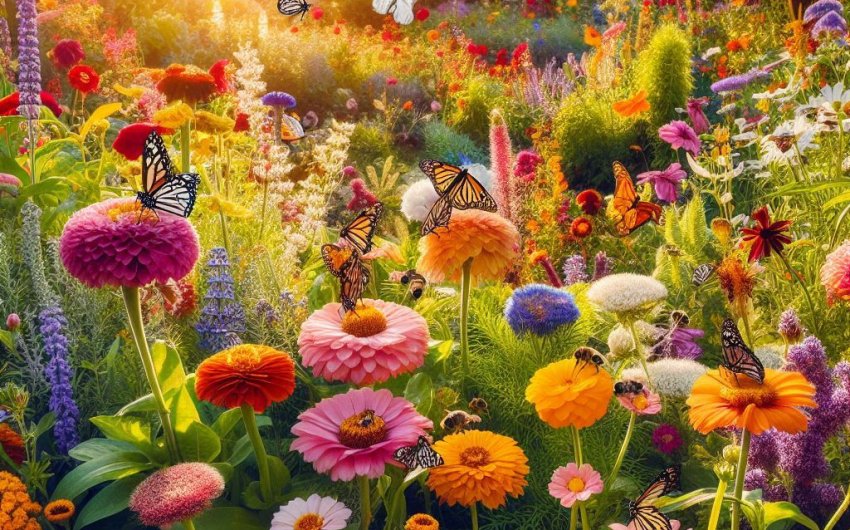
To attract pollinators to your garden naturally, focus on providing a continuous supply of diverse, nectar-rich flowering plants throughout the seasons, alongside essential resources like water, shelter, and a pesticide-free environment. By meeting their basic needs, you create an inviting habitat for these vital garden helpers.
Why Attract Pollinators to Your Garden?
Attracting pollinators is not just about making your garden look lively; it's crucial for the health of your plants, your local ecosystem, and even global food security. These busy creatures play an indispensable role in nature.
What are the Benefits of a Pollinator-Friendly Garden?
- Increased Crop Yields: Many fruits, vegetables, and seeds we eat depend directly on pollination. If you grow edibles like tomatoes, squash, berries, or fruit trees, more pollinators mean a significantly larger harvest. Think of your pumpkin patch or apple trees; they wouldn't produce without these helpers.
- Enhanced Biodiversity: A garden rich in pollinators supports a wider variety of life, from the smallest insects to the birds that feed on them. This creates a healthier, more balanced ecosystem in your own backyard.
- Vibrant and Thriving Flowers: Pollinators help flowers produce seeds and new generations, leading to a more abundant and beautiful display in your garden. They ensure your ornamental plants flourish.
- Pest Control: Many beneficial insects that visit flowers, like certain wasps and flies, also prey on common garden pests. Attracting them can help reduce the need for chemical pest control.
- Educational Opportunity: A garden buzzing with bees and butterflies provides a living classroom for children and adults alike, offering a chance to observe nature up close and learn about ecological connections.
- Environmental Health: Pollinators are indicators of environmental health. A thriving pollinator population suggests a healthy local environment, free from excessive pesticides and rich in natural resources.
- Supporting Endangered Species: Many pollinator populations, like certain bee species and the Monarch butterfly, are in decline. By creating a welcoming habitat, you directly contribute to their conservation efforts.
- Aesthetic and Sensory Appeal: The sight of colorful butterflies flitting among flowers and the gentle hum of bees adds a dynamic, lively, and peaceful dimension to your garden, making it a more enjoyable space.
Who Are the Main Pollinators?
When we talk about attracting pollinators, we're thinking beyond just honeybees. The world of pollinators is incredibly diverse:
- Bees: This includes honeybees, native bumblebees, and thousands of species of solitary bees (like mason bees and leafcutter bees). They are often the most efficient pollinators.
- Butterflies: Beautiful and diverse, they seek nectar and also contribute to pollination.
- Moths: Many moths are nocturnal pollinators, especially for white or pale flowers that are fragrant at night.
- Hummingbirds: Attracted to brightly colored, tubular flowers, they are key pollinators for many plants.
- Beetles: Some beetles visit flowers for pollen.
- Flies: Certain types of flies, including hoverflies, are surprisingly effective pollinators.
- Other Animals: Bats and some small mammals also pollinate in certain regions, though less commonly in typical home gardens.
By actively working to attract pollinators to your garden naturally, you contribute to a healthier planet, one bloom at a time.
What Kinds of Plants Attract Pollinators?
The most effective way to attract pollinators to your garden naturally is to fill it with plants that provide them with what they need: nectar and pollen. Diversity in plant choice is key to supporting a wide range of pollinator species.
Choose Native Plants First:
- Why Native? Native plants are indigenous to your region and have evolved alongside local pollinators. They are perfectly adapted to your climate and soil, require less water and maintenance once established, and provide the most familiar and nutritious food sources for local insects and birds.
- Examples: Research native wildflowers and shrubs specific to your USDA hardiness zone or local region. For example, in many parts of North America, plants like Milkweed (essential for Monarch butterflies), Coneflowers, Aster, Goldenrod, and native Salvia are excellent choices.
Select a Variety of Flower Shapes and Colors:
Different pollinators are attracted to different flower characteristics:
- Bees: Prefer blue, purple, white, and yellow flowers. They are attracted to flowers with open, shallow shapes (like daisies or coneflowers) or tubular shapes (like bee balm). Many bee-friendly flowers have landing pads or clusters of small flowers.
- Butterflies: Drawn to brightly colored flowers (red, orange, yellow, pink, purple). They prefer clusters of small flowers or flowers with flat tops that offer a landing platform, and tubular shapes where their long proboscis can reach nectar. Examples include Butterfly Bush, Zinnias, **Lantana, and Phlox.
- Hummingbirds: Strongly attracted to red, orange, and pink tubular flowers that hold lots of nectar. They don't need a landing platform. Examples: Trumpet Vine, Bee Balm, Salvia, Honeysuckle, and Columbine.
- Moths: Prefer pale or white flowers that are highly fragrant at night. Examples: Nicotiana, Evening Primrose, and Jasmine.
Plant for Continuous Bloom:
- Succession Planting: Ensure there's something blooming from early spring through late fall. Pollinators need a food source throughout their active season.
- Early Spring: Crocus, Grape Hyacinth, Pussy Willow.
- Mid-Spring to Summer: Coneflower, Lavender, Catmint, Bee Balm, Sage, Phlox, Penstemon.
- Late Summer to Fall: Aster, Goldenrod, Sedum, Joe Pye Weed, Sunflowers.
- Grouping: Plant flowers in large clumps or drifts of the same species rather than scattering individual plants. This creates a more visible and efficient foraging target for pollinators.
Include Herbs and Vegetables that Flower:
Don't forget that many herbs and vegetables also produce flowers that attract pollinators:
- Herbs: Borage, Fennel, Dill, Cilantro, Thyme, Oregano, and Mint all produce small flowers that bees love. Letting some of your herbs bolt (go to flower) can be very beneficial for pollinators.
- Vegetables: Allow some of your broccoli, kale, radishes, or lettuce to flower at the end of their season. Squash, cucumber, and bean flowers are also attractive.
- Clover: Consider planting some clover in your lawn or as a groundcover. It's a fantastic food source for bees.
By diversifying your plant palette with native species, various flower types, and a continuous bloom cycle, you'll effectively attract pollinators to your garden naturally and create a vibrant, healthy ecosystem. A good source for native seeds is Prairie Moon Nursery Wildflower Seeds.
How Can I Provide Water for Pollinators?
Beyond flowers, providing a reliable water source is a crucial, yet often overlooked, component to attract pollinators to your garden naturally. Just like any living creature, bees, butterflies, and birds need water to survive and thrive.
Why Do Pollinators Need Water?
- Bees: Use water to dilute honey for feeding larvae, to help regulate hive temperature (especially in summer), and for digestion. They are often seen collecting water from damp spots.
- Butterflies: Primarily get moisture and minerals from "puddling" – sipping from damp soil, mud puddles, or wet sand. This helps them obtain essential nutrients not found in nectar.
- Birds: Need water for drinking and bathing, especially hummingbirds who are also pollinators.
Best Ways to Offer Water:
Shallow Bird Baths with Landing Spots:
- Most bird baths are too deep for insects.
- Place rocks, pebbles, or marbles in the basin, extending above the water line. This provides safe landing spots where pollinators can sip water without drowning.
- Keep the water level very shallow, just barely covering the rocks.
- Clean the bird bath regularly (every 1-2 days) to prevent algae and mosquito breeding.
- Consider a shallow bird bath with steps.
Butterfly Puddling Stations:
- Find a shallow dish, pie plate, or even a deep saucer.
- Fill it with sand or fine gravel.
- Add just enough water to make the sand damp but not submerged.
- You can also add a pinch of sea salt or compost to the sand to provide essential minerals.
- Place it in a sunny, sheltered spot.
Damp Soil or Muddy Patches:
- Sometimes, simply leaving a small patch of your garden consistently damp (but not waterlogged) can be enough. Bees and butterflies will find these natural sources.
- If you have a leaky outdoor faucet, the damp area it creates can become a popular spot.
Dripping Water Features:
- A slow drip from a faucet or a small, trickling fountain can be very attractive, as the movement of water catches attention.
- Ensure there are safe, shallow areas for insects to land and drink without getting swept away.
- Consider a solar bird bath fountain that creates a gentle ripple without deep water.
Tips for Water Sources:
- Location: Place water sources in sheltered areas, out of strong winds, and within view of your pollinator plants.
- Cleanliness: Regular cleaning is vital to prevent disease spread and keep the water appealing.
- Consistency: Try to keep water available consistently, especially during hot, dry periods.
By providing varied and accessible water sources, you make your garden even more welcoming and effective at attracting pollinators to your garden naturally.
How Do I Provide Shelter and Nesting Sites for Pollinators?
Beyond food and water, providing safe shelter and nesting sites is a fundamental way to attract pollinators to your garden naturally. Pollinators need places to rest, escape predators, and raise their young.
Why is Shelter Important?
- Protection from Elements: Shelter offers refuge from strong winds, heavy rain, and extreme temperatures.
- Predator Avoidance: Dense foliage or specific structures provide hiding spots from birds, spiders, and other predators.
- Nesting and Reproduction: This is critical. Bees need places to lay eggs, and butterflies need host plants for their caterpillars.
Providing Nesting Sites for Bees:
Bees are diverse in their nesting habits. Providing a variety of options helps attract more species.
- Native Bee Houses (Bee Hotels):
- Designed for solitary bees like mason bees and leafcutter bees (which don't sting aggressively like honeybees or wasps).
- Consist of bundles of hollow reeds, bamboo canes, or drilled wooden blocks with varying hole sizes (3/32 to 3/8 inch or 2-10mm diameter, 6 inches or 15cm deep).
- Placement: Mount in a sunny location, facing south or southeast, sheltered from rain, at least 3-6 feet (1-2 meters) off the ground.
- Maintenance: Replace tubes annually or clean blocks to prevent disease buildup.
- A good option is a Mason Bee House.
- Leave Bare Soil Patches: About 70% of native bees are ground-nesting. They prefer bare, undisturbed patches of well-drained soil in sunny locations for digging their nests. Avoid mulch in these specific areas.
- Leave Stems and Leaf Litter:
- Many native bees and overwintering insects nest inside hollow or pithy stems of plants like Bee Balm, Coneflower, and Sunflower.
- Instead of cutting back all spent plant stalks in fall, leave some standing over winter. Cut them back in spring to about 15-20 inches (40-50 cm) tall.
- A layer of leaf litter provides overwintering sites for many beneficial insects and serves as nesting material for some bumblebees. Don't rake every leaf away.
- Untidy Areas: Consider leaving a small, undisturbed corner of your garden a bit "wild" – a brush pile, a patch of long grass, or some fallen logs. These provide invaluable shelter.
Providing Shelter for Butterflies and Moths:
- Host Plants: These are non-negotiable for butterflies. Female butterflies lay eggs only on specific host plants that their caterpillars can eat.
- Monarch Butterflies: Absolutely require Milkweed (Asclepias species). Without it, they cannot complete their life cycle.
- Swallowtail Butterflies: Prefer dill, parsley, fennel, and rue.
- Painted Lady Butterflies: Attracted to thistles, mallow, and sunflowers.
- Research host plants specific to butterflies in your region.
- Dense Shrubs and Trees: Provide shelter from wind, rain, and predators for adult butterflies and moths.
- Log Piles/Brush Piles: Offer hiding spots and places to overwinter.
- "Butterfly Houses": While often sold, many butterfly houses are more decorative than functional. Butterflies prefer natural shelter or cracks/crevices.
By incorporating these varied shelter and nesting options, you create a complete and inviting ecosystem that encourages pollinators to not just visit, but to make your garden their home, thereby effectively helping to attract pollinators to your garden naturally.
How Can I Create a Pesticide-Free Pollinator Garden?
Creating a pesticide-free environment is arguably the most critical step to attract pollinators to your garden naturally. Even "organic" or "natural" pesticides can be harmful to beneficial insects, so minimizing or eliminating their use is paramount.
Why Avoid Pesticides?
- Direct Harm: Many pesticides, especially insecticides, are designed to kill insects. Pollinators are insects, and they are highly susceptible to these chemicals.
- Residual Effects: Pesticides can linger on plants, in the soil, and in pollen/nectar for days, weeks, or even months, continuing to harm pollinators long after application.
- Sub-lethal Effects: Even if a pesticide doesn't directly kill a pollinator, it can impair their navigation, foraging ability, reproduction, and overall health, making them vulnerable.
- Broad-Spectrum Harm: Many pesticides kill indiscriminately, wiping out not only pest insects but also beneficial pollinators and predatory insects that help control pests naturally.
- Neonicotinoids: A class of systemic insecticides particularly harmful to bees. They are absorbed by the plant and present in pollen and nectar, making the entire plant toxic to pollinators. Avoid plants treated with neonicotinoids from nurseries if possible.
Strategies for a Pesticide-Free Garden:
- Embrace Biodiversity: A diverse garden ecosystem is more resilient to pest outbreaks. When you have a variety of plants, you attract beneficial insects (like ladybugs, lacewings, hoverflies, and parasitic wasps) that prey on garden pests, creating a natural balance.
- Integrated Pest Management (IPM): This is a holistic approach to pest control that prioritizes prevention and non-chemical solutions.
- Monitor Regularly: Inspect your plants frequently for early signs of pests. Catching an infestation early makes it much easier to manage without chemicals.
- Manual Removal: For small infestations, simply pick off pests by hand, spray them off with a strong jet of water (for aphids), or use insecticidal soap (as described below).
- Cultural Practices: Ensure plants are healthy and well-watered. Stressed plants are more susceptible to pests. Practice good garden hygiene, removing diseased plant material and weeds that might harbor pests.
- Barriers: Use physical barriers like row covers to protect vulnerable plants from flying pests.
- Trap Cropping: Plant certain "sacrificial" plants to lure pests away from your main crops.
- Use Organic and Natural Solutions Sparingly and Strategically:
- Insecticidal Soap: This works by smothering soft-bodied insects. It has low residual effect. Only use it on affected plants, in the evening when pollinators are not active. Avoid spraying flowers.
- Neem Oil: A botanical insecticide that disrupts insect feeding and growth. Only use it on affected plants, in the evening, and avoid spraying flowers.
- Always read labels carefully: Even organic products can harm pollinators if not used correctly. Never spray flowers where pollinators forage.
- Buy Organic or Untreated Plants: When purchasing plants, especially annuals or perennials that will flower, ask if they have been treated with systemic pesticides like neonicotinoids. Opt for organic or untreated plants whenever possible.
- Educate Yourself: Learn about common pests in your area and their life cycles. Understanding your "enemy" helps you choose the most effective, non-chemical control methods.
By committing to a pesticide-free approach, you provide a safe haven that truly helps to attract pollinators to your garden naturally, ensuring they can thrive and continue their vital work.
How Do I Design a Pollinator Garden Layout?
The layout of your pollinator garden is just as important as the plants you choose to attract pollinators to your garden naturally. Strategic design enhances visibility, efficiency for foragers, and overall impact.
Key Principles for Pollinator Garden Design:
Group Plants in Clumps or Drifts:
- Instead of scattering individual plants of different species, plant generous clumps of the same type of flower.
- Why? This creates a larger, more visible "target" for pollinators flying overhead. It's more efficient for them to forage a concentrated patch of nectar-rich flowers than to fly from one isolated plant to another. Aim for clumps of at least 3 feet by 3 feet (1 meter by 1 meter) if space allows.
Ensure Continuous Bloom from Spring to Fall:
- Design your garden so that something is always in bloom throughout the entire growing season. This provides a consistent food source for pollinators.
- Strategy:
- Early Spring: Include early bloomers like Crocus, Pussy Willow, and Grape Hyacinth.
- Late Spring/Early Summer: Add plants like Salvia, Catmint, and early varieties of Coneflower.
- Mid-Summer: Feature plants like Bee Balm, Lavender, Phlox, and Zinnias.
- Late Summer/Fall: Include Asters, Goldenrod, Sedum, and late-blooming Sunflowers.
- Use a bloom calendar for your region to help plan your sequence.
Incorporate Host Plants Strategically:
- Place host plants (e.g., milkweed for Monarchs, dill for Swallowtails) where butterflies can easily find them for egg-laying.
- If you're concerned about caterpillars munching on your prize herbs, create a dedicated "caterpillar corner" where some munching is acceptable.
Provide Varied Heights and Structures:
- Include plants of different heights, from low-growing groundcovers to tall perennials and even small shrubs. This creates diverse microclimates and appeal for different pollinator types.
- Consider adding trellises or arbors for climbing plants like honeysuckle or native clematis.
Include Water Sources and Shelter:
- Water: Position shallow bird baths with pebbles or butterfly puddling stations within or very close to your main planting areas.
- Shelter: Integrate bee hotels, brush piles, or leave sections of standing dead stems and leaf litter within the garden's design. These should be in sunny, sheltered spots.
Consider Sun Exposure:
- Most pollinator-friendly plants, especially those that are nectar-rich, thrive in full sun (at least 6-8 hours of direct sunlight daily).
- Design your beds in areas that receive ample sunlight.
Paths and Edging:
- Integrate pathways that allow you to easily access all areas of your garden for maintenance, observation, and enjoyment.
- Use edging to define beds and keep them tidy, but ensure materials don't create barriers for ground-nesting bees if those are a goal.
Avoid Monoculture:
- Resist the temptation to plant large areas of only one type of plant, even if it's pollinator-friendly. Diversity is key to supporting a wide range of pollinator species and improving garden resilience.
By thoughtfully planning the layout of your garden based on these principles, you create an inviting, efficient, and visually appealing habitat that effectively helps to attract pollinators to your garden naturally.
How Can I Maintain My Pollinator Garden Organically?
Maintaining your pollinator garden organically is key to ensuring it remains a safe and thriving habitat for the creatures you're working so hard to attract. It means shifting from conventional chemical interventions to a more holistic, nature-friendly approach.
Core Principles of Organic Pollinator Garden Maintenance:
No Synthetic Pesticides (Insecticides, Herbicides, Fungicides):
- As emphasized earlier, this is the most critical rule. Even organic-certified pesticides should be used sparingly and only as a last resort, never on flowering plants.
- Focus on prevention and tolerance: A healthy garden can tolerate some pest damage. Accept that a few nibbled leaves are part of a balanced ecosystem.
- Hand-pick pests: For small infestations, physically remove pests (e.g., squash aphids with your fingers, pick off slugs).
- Strong water spray: Dislodge aphids or spider mites with a strong stream of water from a hose.
- Embrace beneficial insects: Once you stop spraying, natural predators like ladybugs, lacewings, and predatory wasps will move in to help control pest populations.
No Synthetic Fertilizers:
- Chemical fertilizers provide a quick burst of nutrients but can harm soil microbes and reduce the long-term health of your soil, which affects plant vitality.
- Use organic soil amendments:
- Compost: The best way to improve soil health, structure, and fertility. Top-dress beds with a layer of compost annually.
- Compost Tea: A liquid fertilizer brewed from compost.
- Worm Castings: Excellent, gentle slow-release fertilizer.
- Organic granular fertilizers: If using, choose those specifically for organic gardening and apply according to instructions.
- Healthy soil leads to healthy plants, which are naturally more resilient to pests and diseases.
Support Healthy Soil:
- Minimize Tilling: Excessive tilling disturbs soil structure and harms beneficial soil organisms, including ground-nesting bees.
- Mulch: Apply organic mulch (like wood chips, shredded leaves, or straw) around plants.
- Benefits: Suppresses weeds, retains soil moisture, regulates soil temperature, and breaks down over time to enrich the soil.
- Caution: Leave some bare, sunny patches of soil for ground-nesting bees if you want to support them.
- Cover Crops: In larger areas or vegetable beds, consider planting cover crops in the off-season to protect and enrich the soil.
Strategic Pruning and Clean-up:
- "Lazy Gardening" in Fall: Resist the urge to do a thorough fall clean-up.
- Leave fallen leaves: They provide vital insulation and overwintering sites for many beneficial insects and some bumblebee queens.
- Leave standing stalks: Many native bees and other insects overwinter inside hollow or pithy stems. Cut these back in spring (to about 15-20 inches/40-50 cm) once temperatures are consistently above 50°F (10°C), allowing any overwintering inhabitants to emerge.
- Spring Clean-up: Do your main garden clean-up in mid to late spring once temperatures are reliably warm.
- "Lazy Gardening" in Fall: Resist the urge to do a thorough fall clean-up.
Water Wisely:
- Water deeply and less frequently to encourage deep root growth.
- Water early in the morning to allow foliage to dry, reducing fungal issues.
- Install rain barrels to collect rainwater for your garden.
Weed Management:
- Hand-pulling: The primary method for weed control in an organic garden.
- Mulching: Helps suppress weed growth.
- Dense planting: Close planting can outcompete weeds.
- Tolerance: Learn to identify "weeds" that might also be beneficial. For instance, clover is a great bee forage.
By adopting these organic maintenance practices, you create a truly sustainable and welcoming haven that will effortlessly attract pollinators to your garden naturally and contribute to a healthier local environment.
What are Common Mistakes to Avoid in a Pollinator Garden?
Even with the best intentions, certain practices can hinder your efforts to attract pollinators to your garden naturally. Being aware of these common mistakes will help you create a more effective and welcoming pollinator habitat.
Pitfalls to Steer Clear Of:
Using Pesticides (Even "Organic" Ones Carelessly):
- The biggest mistake. Even products labeled "natural" or "organic" like insecticidal soap or neem oil can harm pollinators if applied indiscriminately or when pollinators are active.
- Avoid: Systemic pesticides (especially neonicotinoids), broad-spectrum insecticides, and spraying anything on open flowers.
- Solution: Prioritize prevention and tolerance. If you must spray, do so only on affected plants, in the evening after pollinators have gone to roost, and avoid direct contact with blooms.
Planting Only One or Two Types of Flowers:
- A monoculture garden, even of pollinator-friendly plants, limits the diversity of pollinators it can support. Different pollinators have different preferences.
- Solution: Plant a wide variety of native plants with different flower shapes, sizes, and colors to appeal to a broad range of bees, butterflies, hummingbirds, and other insects.
Lack of Continuous Bloom:
- If your garden only blooms for a few weeks in summer, pollinators will visit and then move on to find food elsewhere. They need a continuous supply from early spring to late fall.
- Solution: Plan for succession planting, ensuring there's always something in bloom throughout the entire growing season in your region.
Ignoring Water and Shelter:
- Focusing only on flowers and neglecting basic needs like water and nesting sites will limit the effectiveness of your garden.
- Solution: Provide shallow water sources with landing spots (like pebble-filled bird baths) and diverse nesting options (bee houses, bare soil patches, standing plant stalks, brush piles, host plants).
Over-Zealous Fall Cleanup:
- Raking every leaf and cutting back every spent stalk removes crucial overwintering sites for many beneficial insects, including some bumblebee queens and butterfly chrysalises.
- Solution: Practice "lazy gardening" in fall. Leave some leaf litter and standing hollow/pithy stems. Do your major garden cleanup in mid-to-late spring after overwintering insects have emerged.
Using Invasive Non-Native Plants (e.g., Butterfly Bush in some areas):
- While some non-native plants provide nectar, invasive species can outcompete native plants that are essential host plants and better food sources for local pollinators. Butterfly bush (Buddleja davidii) is invasive in many regions and often lacks the pollen or host plant benefits of native alternatives.
- Solution: Prioritize native plants that are best adapted to your local ecosystem and provide the most complete nutrition and support for local pollinator populations. Research plants native to your specific area.
Ignoring Sun Requirements:
- Most nectar-rich flowers that attract pollinators thrive in full sun. Planting them in too much shade will result in fewer blooms and less nectar.
- Solution: Choose a sunny location for your pollinator garden (at least 6-8 hours of direct sun) and select plants that match that light condition.
By actively avoiding these common mistakes, you'll create a far more robust, attractive, and genuinely supportive habitat that truly helps to attract pollinators to your garden naturally.