
The Best Time to Prune Different Types of Plants
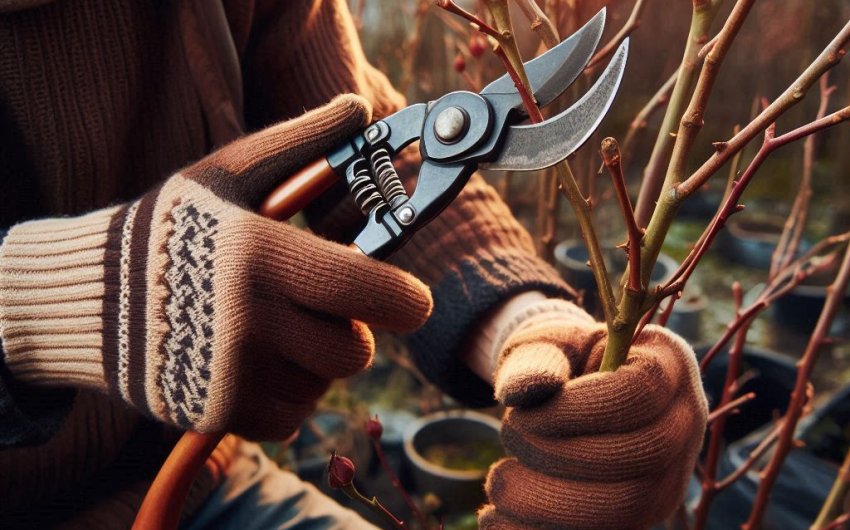
Pruning is one of the most fundamental yet often misunderstood aspects of gardening. It's not just about hacking away at branches; it's a vital practice that keeps your plants healthy, encourages more flowers or fruit, maintains desired shape and size, and ultimately extends their lifespan. However, the secret to successful pruning lies in knowing when to do it. Pruning at the wrong time can cost you a season of blooms, weaken a plant, or even lead to its decline.
This guide will demystify the art of pruning by revealing the best time to prune different types of plants. We'll break down the rules for spring-flowering shrubs, summer bloomers, evergreen trees, fruit trees, and more. Understanding your plant's growth habits and bloom cycle is key. Get ready to grab your pruning shears with confidence and transform your garden into a healthier, more beautiful space!
Why is Pruning So Important for Plants?
Before we dive into the timing, let's quickly review why pruning is such a vital practice for your plants.
Does Pruning Improve Plant Health?
Absolutely! Pruning is essential for maintaining good plant health.
- Removes Dead/Diseased Wood: Eliminates dead, damaged, or diseased branches, which can harbor pests and diseases, and allows the plant to focus energy on healthy growth.
- Improves Air Circulation: Opening up the plant's canopy allows for better air circulation, reducing the risk of fungal diseases like powdery mildew.
- Stimulates Growth: Strategic cuts can stimulate new growth, making the plant bushier and more vigorous.
Can Pruning Enhance Flowering and Fruiting?
Yes, for many plants, pruning is directly linked to better blooms and bigger harvests.
- Flowering Shrubs: Correct pruning encourages more flowers by promoting the growth of flower-producing wood.
- Fruit Trees: Proper pruning optimizes fruit production by creating an open canopy for sunlight and air, and removing unproductive branches.
Does Pruning Maintain Plant Shape and Size?
Definitely. Pruning allows you to control the size and shape of your plants, keeping them tidy and preventing them from outgrowing their space. This is especially important for hedges, foundation plantings, and trees near structures. It also enhances the plant's natural form and aesthetic appeal.
Can Pruning Improve Plant Safety?
Yes. Removing dead, weak, or crossing branches reduces the risk of limbs falling, especially during storms, protecting people and property. Pruning can also clear pathways and ensure visibility.
Essential Pruning Tools
Having the right tools, and keeping them sharp and clean, is crucial for effective and healthy pruning.
- Bypass Pruning Shears: For small stems (up to 3/4 inch thick). They make clean cuts like scissors.
- Anvil Pruning Shears: For dead wood (up to 3/4 inch thick). They cut with a blade closing on a flat anvil.
- Loppers: For thicker branches (up to 1.5-2 inches thick). Provide more leverage.
- Pruning Saw: For branches larger than 1.5-2 inches.
- Gloves: Protect your hands.
- Rubbing Alcohol or Bleach Solution: For sterilizing tools between cuts, especially when dealing with diseased plants.
The Best Time to Prune Different Types of Plants
The golden rule of pruning is determined by a plant's bloom cycle and growth habit.
1. Spring-Flowering Shrubs (Bloom on "Old Wood")
These plants set their flower buds on the previous year's growth (wood that grew last season).
- Examples: Azaleas, Rhododendrons, Lilacs, Forsythia, Mophead Hydrangeas (Hydrangea macrophylla), Oakleaf Hydrangeas (Hydrangea quercifolia), Serviceberry, Viburnum (some varieties).
- Best Time to Prune: Immediately after they finish blooming in spring.
- Why: If you prune them in late winter or early spring (before they bloom), you will be cutting off all the flower buds that formed last year, resulting in no blooms for the current season.
- How: Remove dead, diseased, or damaged wood first. Then, shape as needed. Reduce size by cutting back to a strong side branch or bud. Avoid heavy pruning unless rejuvenating an overgrown shrub.
2. Summer-Flowering Shrubs (Bloom on "New Wood")
These plants form their flower buds on the current year's growth.
- Examples: Panicle Hydrangeas (Hydrangea paniculata, e.g., 'Limelight', 'Quick Fire'), Smooth Hydrangeas (Hydrangea arborescens, e.g., 'Annabelle'), Rose of Sharon, Buddleia (Butterfly Bush), Spirea (some varieties), Potentilla.
- Best Time to Prune: Late winter or early spring, before new growth begins.
- Why: Pruning before new growth starts encourages the plant to put energy into developing new stems that will produce flowers later in the season. You won't be sacrificing any flower buds.
- How: You can often prune these more aggressively to control size and encourage robust new growth. Remove weak or crossing branches. Cut back to strong buds or just above the ground (for some varieties like Buddleia).
3. Evergreens (Conifers & Broadleaf)
These plants retain their leaves (or needles) year-round.
- Examples: Arborvitae, Junipers, Pine, Spruce, Holly, Boxwood, Rhododendron (some broadleaf evergreens).
- Best Time to Prune:
- Light Pruning/Shaping: Early spring (as new growth begins) or early summer. This allows time for new growth to harden off before winter.
- Heavy Pruning/Rejuvenation: Late winter/early spring (just before new growth), when the plant is dormant. This minimizes stress.
- Why: Pruning too late in the fall can stimulate new growth that won't have time to harden off before cold weather, making it vulnerable to frost damage. Conifers generally don't regrow from old wood that's been cut back to bare branches.
- How: Remove dead, diseased, or damaged branches. Lightly prune to shape or maintain size. Avoid cutting into old, leafless wood on conifers.
4. Deciduous Trees
Trees that lose their leaves in winter.
- Examples: Maples, Oaks, Elms, Birches, Ash, Lindens, Crabapples (many varieties).
- Best Time to Prune: Late winter to early spring, when dormant.
- Why: When the tree is dormant, there are no leaves to block your view, making it easier to see the branch structure. Diseases are less active, and insects are not present. The tree's energy is stored in its roots, allowing it to recover quickly and put energy into new growth when spring arrives.
- How: Focus on removing dead, diseased, damaged, or crossing branches. Prune to improve shape, create strong branch structure, and improve air circulation. Avoid "topping" trees (removing large portions of the canopy).
5. Fruit Trees
The timing of pruning fruit trees directly impacts fruit production.
- Examples: Apples, Pears, Cherries, Plums, Peaches, Citrus.
- Best Time to Prune:
- Dormant Pruning (Main Pruning): Late winter to early spring, before new growth emerges. This is when you do most structural pruning to shape the tree, improve air circulation, and encourage fruit production.
- Summer Pruning (Light Pruning): Mid-summer (after fruit has set or been harvested). This is for light shaping, removing water sprouts (vertical shoots), suckers (shoots from the base), and encouraging fruit bud formation for next year.
- Why: Dormant pruning encourages vigorous growth and fruit spur development. Summer pruning slows down vegetative growth and directs energy into fruit.
- How: Focus on removing dead, diseased, or crossing branches. Open up the canopy to allow sunlight and air into the center of the tree. Thin out unproductive branches.
6. Roses
The best time to prune roses depends on their type.
- Hybrid Teas, Floribundas, Grandifloras: Late winter/early spring, just as buds begin to swell. Remove dead/diseased wood, then prune for shape and vigor.
- Climbing Roses: After they finish blooming in summer (for once-blooming climbers) or late winter/early spring (for repeat bloomers). Focus on training primary canes.
- Shrub/Old Garden Roses: Varies; generally after first flush of blooms or in late winter.
- Deadheading: Remove spent blooms throughout the growing season to encourage more flowering.
7. Perennials
Plants that die back to the ground in winter and regrow in spring.
- Examples: Hostas, Peonies, Daylilies, Salvia, Coneflowers, Sedum.
- Best Time to Prune:
- Cut Back (Dormant): Late fall (after foliage dies back) or early spring (before new growth emerges). This removes old, dead foliage.
- Deadheading: Remove spent blooms during the growing season to encourage more flowers and prevent self-seeding.
- Why: Some gardeners prefer to leave spent perennial foliage standing over winter for interest or to provide habitat for beneficial insects, then cut back in early spring. Others cut back in fall for tidiness.
8. Ornamental Grasses
- Examples: Fountain Grass, Miscanthus, Blue Fescue.
- Best Time to Prune: Late winter or early spring, before new growth begins.
- Why: Many ornamental grasses provide beautiful winter interest and structure. Pruning in spring allows you to enjoy this while making way for new growth.
- How: Cut back to about 4-6 inches from the ground (for warm-season grasses) or just above the new growth (for cool-season grasses). Use sharp pruning shears or even electric hedge trimmers for large clumps.
General Pruning Guidelines (Always Applicable)
Beyond specific timing, these principles apply to almost all pruning tasks.
1. Remove the 3 D's First: Dead, Diseased, Damaged
- Always prioritize removing these branches as soon as you spot them, regardless of the season. They can harbor pests or spread disease. Cut back to healthy wood.
2. Make Clean Cuts
- Use sharp, clean pruning tools. Dull tools tear and crush tissue, creating wounds that are slow to heal and prone to disease.
- Cut at a slight angle, about 1/4 inch above a bud or side branch. Cut to an outward-facing bud to encourage outward growth.
3. Sterilize Your Tools
- Before you start, and frequently when pruning diseased plants, sterilize your tools with rubbing alcohol or a bleach solution (1 part bleach to 9 parts water). This prevents the spread of diseases from one plant to another.
4. Avoid Over-Pruning
- Never remove more than 25-30% of a plant's total growth in one season. Excessive pruning can stress the plant and reduce its vigor.
5. Understand "Old Wood" vs. "New Wood"
- This is the most critical distinction for flowering shrubs. "Old wood" means stems that grew in the previous year. "New wood" means stems that grew in the current year. Your plant's tag often specifies this.
6. Consider the Plant's Natural Form
- Prune to enhance, not destroy, the plant's natural shape. Step back frequently to assess your work.
7. Respect Dormancy
- For most major structural pruning on deciduous plants, late winter/early spring dormancy is the ideal time. The plant is resting, making it less stressful to prune, and energy is concentrated in the roots, ready for a vigorous spring burst.
By understanding the best time to prune different types of plants and applying these general guidelines, you'll become a confident and effective gardener, ensuring your plants remain healthy, beautiful, and productive for years to come. Happy pruning!