
Why Mulching is a Must for Healthy Soil?
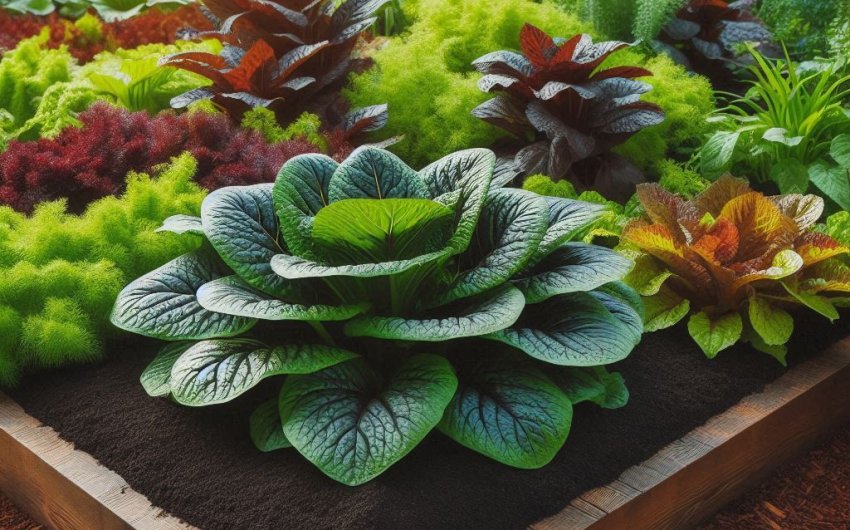
Ask any experienced gardener for their top secret to a thriving, low-maintenance garden, and chances are mulching will be high on their list. Often seen as a simple aesthetic touch or a weed deterrent, mulching is actually one of the most powerful and beneficial practices you can adopt for the long-term health of your soil and, by extension, your plants. It's truly a game-changer that mimics nature's own processes.
This guide will delve deep into why mulching is a must for healthy soil, explaining its numerous benefits, from moisture retention and temperature regulation to weed suppression and nutrient enrichment. We'll explore different types of mulch, discuss how to apply it correctly, and reveal how this simple practice can transform your garden into a more resilient, productive, and beautiful space. Get ready to unlock the secrets to truly nurturing your garden from the ground up!
What is Mulch and Why Does it Matter?
Before we explore the benefits, let's clarify what mulch is in a gardening context.
What is Mulch?
Mulch is a protective layer of material spread on top of the soil. It can be organic (derived from living things, like wood chips or compost) or inorganic (like gravel or rubber). In this guide, we'll primarily focus on the benefits of organic mulch for soil health, as it's the most impactful for improving the living ecosystem within your garden beds.
Why is Mulch So Important for Soil Health?
In nature, you rarely see bare ground. Forests have a thick layer of decomposing leaves and organic matter. This natural process is what mulching mimics in your garden. This protective layer is crucial because it directly influences the physical, chemical, and biological properties of your soil, leading to healthier plants and less work for you.
Top Reasons Why Mulching is a Must for Healthy Soil
Let's explore the powerful benefits that mulching brings to your garden from the ground up.
1. Moisture Retention (Reduces Watering Needs)
This is one of the most celebrated benefits, especially in dry climates or during hot summers.
- How it works: A layer of mulch acts like a blanket, shading the soil surface from direct sunlight and reducing evaporation. It also slows down the movement of wind across the soil, further decreasing moisture loss.
- Benefits:
- Less Watering: You'll need to water your plants less frequently, saving time, effort, and water resources.
- Consistent Moisture: Plants prefer consistently moist soil rather than cycles of extreme wet and dry. Mulch helps maintain this balance, reducing plant stress.
- Drought Tolerance: In times of drought, plants with mulched beds are significantly more resilient.
2. Temperature Regulation (Protects Roots)
Mulch acts as an insulating layer, protecting your soil from extreme temperature swings.
- How it works: It shields the soil from scorching summer sun, keeping it cooler. In winter, it insulates the soil, preventing it from freezing too deeply and protecting plant roots from harsh cold and damaging freeze-thaw cycles.
- Benefits:
- Cooler Roots in Summer: Prevents overheating, which can stress plants.
- Warmer Roots in Winter: Protects dormant plants and helps newly planted ones establish.
- Extends Growing Season: Keeps soil warmer in late fall and allows it to warm up faster in early spring.
3. Weed Suppression (Less Weeding for You!)
This is perhaps the most beloved benefit for many gardeners, as it saves countless hours of back-breaking work.
- How it works: A thick layer of mulch blocks sunlight from reaching weed seeds in the soil, preventing them from germinating and growing. Any weeds that do manage to sprout through the mulch are usually weak and easy to pull because their roots are not firmly established.
- Benefits:
- Significant Reduction in Weeds: Dramatically cuts down on weeding chores.
- Less Competition: With fewer weeds competing for water and nutrients, your desired plants grow stronger and healthier.
- No Herbicides: Reduces or eliminates the need for chemical herbicides.
4. Nutrient Enrichment (Feeds Your Soil Naturally)
This is where organic mulch truly shines for soil health.
- How it works: As organic mulch decomposes over time, it breaks down into valuable organic matter. Earthworms, beneficial microbes, and other soil organisms pull this material down into the soil.
- Benefits:
- Adds Humus: Increases the organic matter content of your soil, which is crucial for its overall health and fertility.
- Improves Soil Structure: Makes heavy clay soil more crumbly and improves drainage. Helps sandy soil retain more moisture and nutrients.
- Releases Nutrients: As mulch decomposes, it slowly releases essential plant nutrients back into the soil, providing a natural, slow-release fertilizer.
- Supports Soil Food Web: Feeds and supports a diverse population of beneficial soil microbes, fungi, and invertebrates that are vital for nutrient cycling and plant health.
5. Prevents Soil Compaction and Erosion
- How it works: The mulch layer shields the soil from the direct impact of heavy rain, which can otherwise cause compaction (making the soil hard and dense) and wash away precious topsoil (erosion). It also prevents compaction from foot traffic.
- Benefits:
- Maintains Aeration: Keeps soil loose and airy, allowing roots to breathe and grow easily.
- Protects Topsoil: Prevents valuable topsoil from being washed away during heavy rainfall or irrigation.
6. Enhances Garden Appearance
While the functional benefits are paramount, mulch also provides a clean, finished look to your garden beds.
- Uniform Look: Creates a neat, uniform background that makes your plants stand out.
- Color and Texture: Adds visual interest and complements your plants.
- Pathways: Can be used to create soft, natural-looking pathways.
Types of Mulch: Choosing the Best for Your Garden
The world of mulch offers many options, each with its own characteristics. For soil health, focus on organic mulches that break down and add nutrients.
1. Shredded Bark or Wood Chips
- Pros: Very common, readily available, comes in various colors (natural, dyed). Excellent at suppressing weeds and retaining moisture. Breaks down slowly, so it lasts longer. Often comes from recycled wood.
- Cons: Can be expensive for large areas. Dyed versions may lose color over time. Some fine wood chips can bind nitrogen initially as they decompose (though this is usually a minor, temporary issue for established plants).
- Best for: Shrubs, trees, perennial beds, pathways. You can find shredded bark mulch or wood chips.
2. Composted Materials (Compost, Composted Manure, Mushroom Compost)
- Pros: The ultimate soil builder! Rich in nutrients, improves soil structure, increases microbial activity, excellent for water retention. Acts as a slow-release fertilizer.
- Cons: More expensive than raw wood chips. Can attract fruit flies temporarily when fresh. May contain weed seeds if not properly composted.
- Best for: Vegetable gardens, annual beds, top-dressing perennials, new plantings. You can buy organic compost.
3. Straw (Not Hay!)
- Pros: Very cheap and readily available. Excellent for vegetable gardens as it breaks down quickly, adds nutrients, and is easy to move for planting. Provides good moisture retention and temperature regulation.
- Cons: Can blow away in windy areas. May contain weed seeds (especially if it's actually hay, which contains more seeds than straw).
- Best for: Vegetable gardens, new perennial beds, protecting tender plants over winter. Ensure it's weed-seed-free straw.
4. Pine Needles
- Pros: Excellent for acid-loving plants (like blueberries, rhododendrons, azaleas, hydrangeas) as they have a slightly acidic pH. Decompose slowly, last a long time, and intertwine well, resisting wind.
- Cons: Only available if you have pine trees nearby.
- Best for: Acid-loving plants, woodland gardens.
5. Shredded Leaves
- Pros: Free! Excellent source of organic matter. Provide great soil insulation and weed suppression. Break down quickly.
- Cons: Can mat down and impede water penetration if applied too thickly or not shredded.
- Best for: Any garden bed. Shred them with a lawnmower before applying for best results.
Inorganic Mulches (Use with Caution for Soil Health)
Materials like gravel, rubber mulch, or landscape fabric are primarily for weed suppression and aesthetics. They do not decompose or add nutrients to the soil. In fact, rubber mulch can leach chemicals, and landscape fabric can hinder water/nutrient penetration over time. Use these mainly for pathways or specific ornamental uses where soil health is not the primary goal.
How to Apply Mulch Correctly (The "Mulch Don't Volcano" Rule!)
Applying mulch incorrectly can do more harm than good. Follow these simple rules.
1. Prepare the Bed First
- Weed Thoroughly: Remove all existing weeds before applying mulch. Mulch won't kill established weeds, it will just make them harder to remove later.
- Water if Dry: If the soil is very dry, give it a good watering before applying mulch to ensure moisture is trapped in.
2. Apply the Right Thickness
- Ideal Depth: Aim for a layer of 2-4 inches of mulch in most garden beds.
- Too thin (less than 2 inches): Won't effectively suppress weeds or retain moisture.
- Too thick (more than 4 inches): Can suffocate roots, impede water penetration, encourage pests (like rodents finding shelter), or lead to fungal growth.
3. The "Don't Volcano" Rule (Crucial for Trees and Shrubs)
- Keep Away from Stems/Trunks: Never pile mulch up against the base of tree trunks or shrub stems. This creates a "mulch volcano."
- Why it's harmful:
- Rot: Traps moisture against the bark, leading to rot and disease.
- Pests: Provides a perfect hiding spot for rodents to chew on bark, girdling (killing) the tree.
- Suffocation: Can actually suffocate surface roots.
- Correct Way: Create a "donut" shape. Leave a clear space of a few inches (2-6 inches depending on trunk size) around the base of the trunk or stem, with the mulch starting a bit away from the plant, and then extending outwards.
4. Extend Beyond the Plant's Dripline
- Max Coverage: Apply mulch over the entire root zone of your plants, ideally extending to the plant's dripline (the edge of its outermost branches).
5. Replenish as Needed
- Decomposition: Organic mulch breaks down over time, which is good for your soil. You'll need to top it up periodically.
- Timing: Check your mulch layer annually, typically in early spring or fall. Add more when the layer becomes less than 2 inches thick.
By truly understanding why mulching is a must for healthy soil and consistently applying it correctly, you'll witness a remarkable transformation in your garden. Your plants will be healthier, more resilient, and vibrant, and you'll spend less time on chores and more time enjoying your thriving outdoor space. Happy mulching!