
How to Create a Butterfly-Friendly Garden?
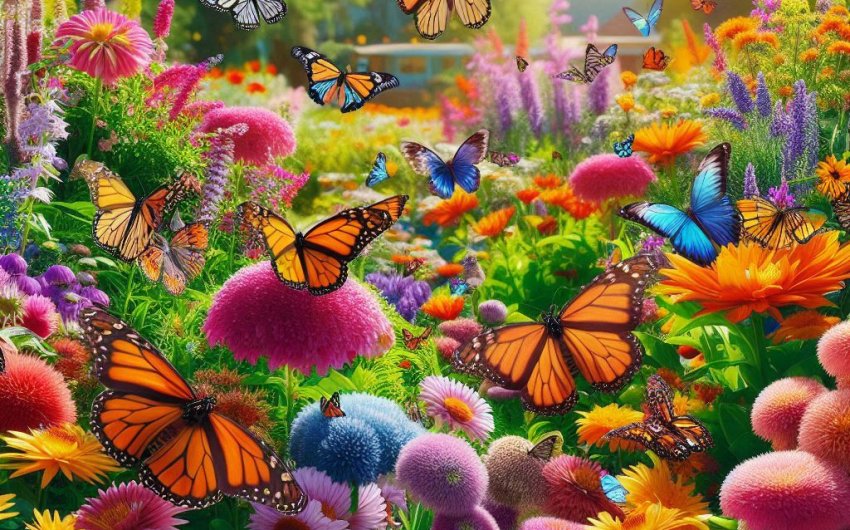
To create a butterfly-friendly garden, you must provide for all stages of a butterfly's life cycle: offering nectar plants for adults, specific host plants for caterpillars, and essential resources like water, shelter, and sun in a pesticide-free environment. Designing a garden with these elements ensures butterflies will visit, feed, and reproduce.
Why Create a Butterfly-Friendly Garden?
Establishing a butterfly-friendly garden is more than just a beautiful aesthetic choice; it's a vital contribution to local ecosystems and wildlife conservation. These enchanting insects bring life, color, and ecological balance to any outdoor space.
What are the Benefits of Attracting Butterflies?
- Ecological Balance and Pollination: Butterflies are important pollinators, helping plants produce fruits and seeds. While bees are often the primary pollinators, butterflies contribute significantly, especially to certain flower types, supporting overall garden health and biodiversity.
- Biodiversity Enhancement: A garden designed for butterflies naturally supports a wider array of insects and birds, fostering a healthier and more resilient ecosystem in your backyard.
- Natural Pest Control: While butterflies themselves aren't pest controllers, a diverse garden that attracts butterflies often attracts other beneficial insects that prey on garden pests, reducing the need for chemical interventions.
- Education and Observation: A butterfly-friendly garden provides an invaluable living classroom. Observing the entire butterfly life cycle, from egg to caterpillar to chrysalis to adult butterfly, is a fascinating and educational experience for all ages.
- Aesthetic Beauty: Butterflies add an undeniable element of grace, color, and dynamic movement to your garden. Their delicate flight and vibrant wings make your outdoor space truly come alive.
- Stress Reduction and Well-being: Spending time in nature, observing wildlife, and nurturing a garden have proven benefits for mental health, reducing stress and enhancing a sense of peace and connection.
- Conservation Impact: Many butterfly populations, including the iconic Monarch butterfly, are facing significant declines due to habitat loss and pesticide use. By creating a suitable habitat, you directly contribute to the conservation efforts of these beautiful and vital creatures. Your garden becomes a small but important sanctuary.
Understanding the Butterfly Life Cycle:
To truly create a butterfly-friendly garden, you must understand its four stages:
- Egg: Female butterflies lay tiny eggs, usually on specific host plants.
- Larva (Caterpillar): The egg hatches into a caterpillar. This stage is all about eating and growing. Caterpillars are often very particular about their food – they will only eat certain "host" plants.
- Pupa (Chrysalis): Once the caterpillar is fully grown, it transforms into a chrysalis (for butterflies) or cocoon (for moths). This is a resting stage where metamorphosis occurs.
- Adult Butterfly: The adult butterfly emerges, its primary purpose now is to feed on nectar, mate, and lay eggs to continue the cycle.
By providing for all these stages – not just the pretty adult butterflies – you create a truly effective and impactful butterfly-friendly garden.
What Kinds of Plants Attract Adult Butterflies?
Attracting adult butterflies to your butterfly-friendly garden primarily involves providing abundant sources of nectar. Butterflies are drawn to specific flower characteristics that make foraging easy and rewarding.
Choose Nectar-Rich Flowers:
- Bright Colors: Butterflies have excellent color vision and are particularly attracted to red, orange, yellow, pink, and purple flowers.
- Flat-Topped or Clustered Flowers: These shapes provide an easy landing platform for butterflies to rest while they sip nectar. Examples include Zinnias, Coneflowers, Phlox, Lantana, Sedum, and Milkweed.
- Short Tubular Flowers: Some butterflies can access nectar from flowers with short tubes that contain nectar.
- Single-Petal Flowers: Opt for single-petal varieties over highly hybridized double-petal flowers, as the latter often have less accessible nectar and pollen.
Top Nectar Plants for Butterflies:
- Milkweed (Asclepias spp.): Absolutely essential for Monarch butterflies (both nectar for adults and host plant for caterpillars). Many species exist, so choose one native to your region.
- Coneflower (Echinacea spp.): A perennial favorite, available in various colors, provides abundant nectar and a flat landing pad.
- Zinnia: Easy to grow from seed, comes in a kaleidoscope of colors, and offers a long blooming season. Butterflies flock to them.
- Lantana: Produces clusters of small, colorful flowers that are excellent nectar sources. It's often grown as an annual in cooler climates.
- Bee Balm (Monarda spp.): Attracts a wide range of pollinators, including butterflies, with its vibrant, tubular flowers.
- Phlox: Perennial phlox varieties offer large clusters of fragrant flowers.
- Sedum (Autumn Joy, etc.): Late-blooming sedums are a crucial nectar source for butterflies in late summer and fall, helping them fuel up for migration or overwintering.
- Buddleja (Butterfly Bush): While a strong nectar source and highly attractive to butterflies, be aware that many varieties of Buddleja davidii are invasive in some regions. Consider native alternatives like Buttonbush, New Jersey Tea, or native Ceanothus first, or seek out sterile cultivars if Buddleja is your preference.
- Aster: Provides vital late-season nectar when other flowers are fading.
- Goldenrod (Solidago spp.): Often misunderstood as a hay fever culprit (it's ragweed, not goldenrod!), this native plant is a critical fall nectar source for many butterflies.
- Sunflower: Tall and stately, sunflowers provide both nectar and seeds for birds.
- Cosmos: Easy to grow annuals with daisy-like flowers.
- Salvia: Many varieties offer long-lasting blooms and are excellent nectar producers.
- Dianthus (Pinks): Often a favorite of smaller butterflies.
- Pentas (Egyptian Starcluster): Continuous blooms and popular with butterflies and hummingbirds.
Planting for Continuous Bloom:
- Succession Planting: Ensure you have something blooming from early spring through late fall. This provides a consistent food supply throughout the butterfly's active season.
- Early Bloomers: Provide nectar for emerging butterflies (e.g., Crocus, Grape Hyacinth, Spring Phlox).
- Mid-Season Bloomers: Offer consistent food during peak summer activity.
- Late Season Bloomers: Crucial for migrating butterflies (like Monarchs) or those preparing for winter (e.g., Asters, Goldenrod, Sedum).
By carefully selecting a diverse range of nectar-rich plants with varied bloom times, you create an irresistible buffet for adult butterflies, ensuring they frequent your butterfly-friendly garden. For specific native plants suitable for your area, check out resources like Prairie Moon Nursery Wildflower Seeds.
What are Host Plants and Why are They Important?
Understanding host plants is perhaps the most critical component of creating a truly effective butterfly-friendly garden. Without them, butterflies cannot complete their life cycle, and your garden will only be a temporary stopover, not a true habitat.
What is a Host Plant?
A host plant is a specific type of plant that a female butterfly or moth will lay her eggs on, and upon which her caterpillars will feed exclusively. Caterpillars are extremely picky eaters; they have evolved to digest only the chemical compounds found in specific plant species or families. If the correct host plant isn't available, the adult female butterfly will not lay her eggs, and no caterpillars (and thus no new butterflies) will develop.
Why Are Host Plants Essential for a Butterfly-Friendly Garden?
- Life Cycle Completion: Host plants are the lynchpin of the butterfly life cycle. Without them, there are no caterpillars, and without caterpillars, there are no butterflies. Your garden becomes a full-cycle habitat, not just a feeding station.
- Increased Butterfly Populations: By providing host plants, you are actively supporting butterfly reproduction and contributing to the growth of local butterfly populations.
- Targeting Specific Butterflies: Want to see Monarchs? You MUST plant Milkweed. Want Swallowtails? Plant dill, parsley, or rue. Host plants allow you to attract specific butterfly species to your garden.
- Ecological Contribution: By supporting caterpillars, you also provide a food source for birds, which often feed caterpillars to their young. This integrates your garden into the wider food web.
- Education: Observing caterpillars munching on leaves is an incredible learning experience, demonstrating the intricate relationships between plants and insects.
Key Host Plants for Common Butterflies:
The specific host plants you need will depend on the butterfly species native to your region. Here are some widespread examples:
- Monarch Butterfly:
- Host Plant: Milkweed (Asclepias species). This is the only plant Monarch caterpillars will eat. Plant multiple varieties (Common, Swamp, Butterfly Weed, Tropical) if suitable for your climate. For Monarchs, a patch of Common Milkweed Seeds is invaluable.
- Black Swallowtail Butterfly:
- Host Plants: Plants in the carrot family, including Parsley, Dill, Fennel, Queen Anne's Lace, and Rue.
- Eastern Tiger Swallowtail Butterfly:
- Host Plants: Trees and shrubs like Wild Cherry, Tulip Tree, Sweetbay Magnolia, Ash, and Willow.
- Painted Lady Butterfly:
- Host Plants: A wide range, including Thistles, Mallow, Sunflower, Borage, and legumes.
- Red Admiral Butterfly:
- Host Plant: Nettles (Urtica dioica).
- Common Buckeye Butterfly:
- Host Plants: Plantain (Plantago spp.), Snapdragon, Toadflax.
- Cloudless Sulphur Butterfly:
- Host Plants: Cassia species (Senna).
Tips for Host Plants:
- Plant in Quantity: Plant enough host plants to sustain the caterpillars. They can defoliate plants quickly! If you want a pristine garden, consider a separate "caterpillar patch" where munching is encouraged.
- Tolerate Chewed Leaves: Understand that a healthy host plant will have chewed leaves. This is a sign of success!
- No Pesticides: Absolutely critical that host plants are never treated with pesticides, as this will kill the caterpillars.
- Research Local Species: The most effective strategy is to research which butterfly species are native to your specific area and then identify their corresponding host plants.
By consciously incorporating host plants into your design, you create a dynamic and truly supportive butterfly-friendly garden that serves as a vital nursery for the next generation of these beautiful insects.
How Can I Provide Water and Puddling Stations for Butterflies?
While nectar is crucial for energy, butterflies also need water and access to specific minerals, often obtained through a process called "puddling." Including these features makes your butterfly-friendly garden a more complete habitat.
Why Do Butterflies Need Water and Puddling?
- Hydration: Like all living creatures, butterflies need to drink water, especially in hot or dry weather.
- Mineral Intake ("Puddling"): Male butterflies, in particular, engage in "puddling" behavior. They gather on damp soil, mud, or wet sand and sip moisture to absorb dissolved salts and minerals. These minerals are crucial for their reproductive success and overall health, often transferred to the female during mating.
Creating Effective Water Sources and Puddling Stations:
Shallow Water Source with Landing Spots (for general hydration):
- Bird Baths: While bird baths are good for birds, they are usually too deep for butterflies. To make them butterfly-friendly, fill a shallow bird bath basin (or a wide, shallow dish) with rocks, pebbles, or coarse sand.
- Water Level: Add just enough water to wet the rocks or sand, but leave plenty of dry areas above the waterline. Butterflies can then land on the dry spots and sip from the damp surfaces without falling in.
- Cleaning: Regularly clean the basin (every few days) to prevent algae growth and mosquito breeding.
Dedicated Butterfly Puddling Stations (for mineral intake):
- Container: Use a shallow dish, a repurposed plant saucer, a terracotta pot saucer, or even a shallow depression in the ground.
- Substrate: Fill the dish with sand, fine gravel, or a mixture of sand and compost/soil.
- Moisture: Dampen the substrate thoroughly with water. It should be moist, but not have standing water on the surface.
- Mineral Boost (Optional): Some gardeners add a tiny pinch of sea salt, wood ash, or even overripe fruit to the damp sand. The decaying fruit provides moisture, minerals, and sugars that attract some butterflies.
- Placement: Place puddling stations in a sunny, sheltered location within your butterfly-friendly garden. Butterflies are cold-blooded and need sun to warm up before feeding.
Damp Soil Patches:
- If you have areas of your garden where the soil naturally stays a bit damp (e.g., near a leaky faucet, or a low spot after rain), leave these undisturbed. Butterflies will find these natural puddling spots.
Tips for Water and Puddling Stations:
- Location: Position water sources close to your nectar plants so butterflies don't have to travel far.
- Consistency: Keep the water and puddling stations consistently available, especially during hot, dry periods when natural sources might disappear.
- Natural Appearance: Try to make your puddling station look as natural as possible by incorporating it into your garden design with rocks and surrounding plants.
By providing these essential water and mineral sources, you significantly enhance the appeal of your butterfly-friendly garden, encouraging these beautiful insects to linger and thrive. A bird bath with a gentle slope and texture can also serve dual purpose.
How Can I Provide Shelter and Resting Spots for Butterflies?
Beyond food and water, butterflies need safe places to rest, bask in the sun, and seek refuge from predators and harsh weather. Incorporating various shelter options is crucial for a truly effective butterfly-friendly garden.
Why is Shelter Important for Butterflies?
- Basking: Butterflies are cold-blooded and need to warm up in the sun before they can fly. Flat, dark surfaces are ideal for this.
- Protection: Shelter offers refuge from strong winds, heavy rain, and intense heat.
- Predator Avoidance: Dense foliage, shrubs, or brush piles provide hiding spots from birds, spiders, and other predators.
- Overwintering: Some butterfly species overwinter as adults, chrysalises, or eggs, needing sheltered spots to survive cold temperatures.
Creating Resting and Shelter Spots:
Basking Stones or Flat Rocks:
- Place several flat, dark-colored rocks or stones in sunny, sheltered areas of your garden.
- Why? Dark stones absorb heat from the sun quickly, providing warm surfaces for butterflies to perch and raise their body temperature, allowing them to become active.
- Position them near nectar plants so butterflies can feed, then warm up.
Dense Shrubs and Trees:
- Include a variety of shrubs and small trees in your garden. Their dense foliage provides excellent shelter from wind and rain.
- Examples: Dogwood, Ninebark, Oak, Maple (ensure they are pesticide-free).
- These also serve as important roosting spots overnight.
Brush Piles or Log Piles:
- A simple pile of fallen branches, twigs, and small logs in an out-of-the-way corner of your garden can provide invaluable shelter and overwintering sites for various insects, including some butterflies and moths.
- This is a form of "messy gardening" that benefits wildlife.
Tall Grasses and Perennials:
- Allow areas of your garden to grow a bit wild, including patches of tall grasses or dense perennial clumps. These provide protection and resting spots.
- Some butterflies, like skippers, will roost on tall grasses.
Overwintering Sites (Crucial "Lazy Gardening"):
- Many butterfly species spend the winter as eggs, caterpillars, chrysalises, or even adult butterflies in garden debris.
- Delay Fall Cleanup: Instead of clearing away all dead plant material in autumn, leave some standing stalks and leaf litter over winter.
- Standing Stems: Some butterfly species overwinter as chrysalises attached to spent plant stems (e.g., Swallowtails on Queen Anne's Lace).
- Leaf Litter: Many butterflies (like the Mourning Cloak) and moths overwinter as adults or pupae tucked away in fallen leaves.
- Spring Cleanup: Do your major garden cleanup in mid-to-late spring, after temperatures are consistently warm and overwintering insects have had a chance to emerge.
"Butterfly Houses" (with caution):
- Often sold as decorative items, commercially made butterfly houses with vertical slits are generally not very effective. Butterflies prefer natural crevices or simply roosting on the undersides of leaves or in dense foliage.
- If you choose to have one, place it in a sheltered, sunny spot, but don't rely on it as your sole shelter strategy.
By thoughtfully integrating a variety of basking spots, dense plantings, and undisturbed areas into your design, you create a holistic and truly welcoming butterfly-friendly garden that supports these beautiful insects throughout their entire life cycle and all seasons.
How Do I Ensure a Pesticide-Free Butterfly Garden?
Creating a truly butterfly-friendly garden fundamentally means eliminating the use of synthetic pesticides. Even organic or "natural" pesticides can be harmful to butterflies, caterpillars, and other beneficial insects, making a chemical-free approach paramount.
Why Are Pesticides Detrimental to Butterflies?
- Direct Toxicity: Insecticides are designed to kill insects. Butterflies and caterpillars are insects, and direct exposure to sprays will kill them.
- Residual Effects: Pesticides can linger on plants, in the soil, and in pollen and nectar for days, weeks, or even months. Butterflies or their caterpillars can be poisoned long after the initial application.
- Systemic Pesticides (Neonicotinoids): These are particularly insidious. When plants are treated with systemic pesticides (often by nurseries), the chemical is absorbed into every part of the plant, making its leaves, stems, nectar, and pollen toxic to any insect that consumes it, including caterpillars and nectar-feeding adult butterflies.
- Indirect Harm: Even non-insecticides like herbicides (weed killers) can harm butterflies indirectly by eliminating essential host plants or nectar sources. Fungicides can also impact beneficial fungi in the soil, affecting overall plant health.
- Disruption of Life Cycle: Killing caterpillars on host plants directly prevents new butterflies from forming.
Strategies for a Pesticide-Free Butterfly Garden:
Commit to No Sprays:
- Make a firm decision to avoid all synthetic insecticides, herbicides, and fungicides in your butterfly-friendly garden.
- Research your purchases: When buying new plants from nurseries, ask if they have been treated with systemic pesticides, especially neonicotinoids. Seek out nurseries that explicitly state their plants are neonicotinoid-free or certified organic.
- For milkweed and other host plants, this step is absolutely critical.
Embrace Integrated Pest Management (IPM) - The Organic Way:
- Monitor Regularly: Inspect your plants frequently. Catching pest problems early makes them easier to manage without chemicals. Look on the undersides of leaves, along stems, and at new growth.
- Tolerate Minor Damage: A healthy garden can withstand some pest activity. A few chewed leaves on your host plants mean your caterpillars are thriving!
- Manual Removal: For small infestations, simply hand-pick larger pests or eggs. Use a strong stream of water from a hose (not high pressure that damages plants) to dislodge aphids or spider mites.
- Cultural Practices: Ensure plants are healthy and thriving by providing appropriate light, water, and soil. Healthy plants are more resilient to pest attacks.
- Biological Controls: Once you stop spraying, you'll start to notice natural predators and parasites (like ladybugs, lacewings, predatory wasps) moving into your garden. They will help control pest populations naturally.
- Barriers: For certain vulnerable plants, consider using physical barriers like fine mesh row covers to deter flying pests.
Use Organic and Natural Solutions with Caution:
- If you encounter a severe pest outbreak that threatens your plants, and manual methods aren't enough, choose your treatments wisely:
- Insecticidal Soap: Works by suffocating soft-bodied insects. It has very little residual effect. Only use it on affected plants, in the evening when butterflies are not active, and avoid spraying directly on blooms where nectar is present.
- Neem Oil: A botanical insecticide that disrupts insect feeding and growth. Apply only on affected plants, in the evening, and avoid spraying flowers. Always follow dilution instructions carefully.
- Always prioritize spot treatments over broad sprays.
- If you encounter a severe pest outbreak that threatens your plants, and manual methods aren't enough, choose your treatments wisely:
Healthy Soil, Healthy Plants:
- Focus on building rich, living soil through compost and organic amendments. Healthy soil supports strong plants that are naturally more resistant to pests and diseases.
By making a strong commitment to a pesticide-free approach, you create a safe, welcoming, and truly effective habitat that enables butterflies and their offspring to thrive in your butterfly-friendly garden.
What is the Ideal Layout for a Butterfly Garden?
The layout of your butterfly-friendly garden is just as important as the plants you choose. Strategic design enhances visibility for butterflies, provides efficient foraging paths, and creates a welcoming, diverse habitat.
Key Design Principles for a Butterfly Garden:
Plant in Large Clumps or Drifts:
- Instead of scattering individual plants of various species, plant generous groups of the same type of flower. Aim for clumps of at least 3 feet by 3 feet (1 meter by 1 meter) if your space allows.
- Why? Large masses of color are more visible to butterflies flying overhead, signaling a rich nectar source. It's also more energy-efficient for them to forage a concentrated patch than to flit between scattered individual plants.
Ensure Continuous Bloom Throughout the Seasons:
- Butterflies are active from early spring through late fall. Design your garden so that there's always something in bloom during this entire period.
- Strategy:
- Early Spring: Include early bloomers like Crocus, Phlox, and Wild Ginger for emerging butterflies.
- Late Spring/Early Summer: Incorporate plants like Columbine, Baptisia, and early Salvias.
- Mid-Summer Peak: This is when most nectar plants are in full swing (e.g., Milkweed, Coneflower, Bee Balm, Zinnia, Lantana).
- Late Summer/Fall: Crucial for migrating butterflies. Include Asters, Goldenrod, Sedum, and late-season Sunflowers.
- Consult a bloom calendar for your specific region to plan your plant choices.
Integrate Both Nectar and Host Plants:
- Don't just plant for adult butterflies; remember the caterpillars! Place host plants (e.g., Milkweed for Monarchs, Dill/Parsley for Black Swallowtails) directly within or adjacent to your nectar gardens.
- Consider a "Caterpillar Corner": If you're concerned about host plants getting heavily chewed, designate a less visible area of your garden specifically for these plants, where you're happy to tolerate some defoliation.
Provide Sheltered, Sunny Areas:
- Butterflies need sun to warm their bodies for flight (basking). Place flat, dark rocks or stones in sunny, sheltered spots (away from strong winds) within your garden. These act as natural basking platforms.
- Also, ensure your nectar plants are in areas that receive at least 6-8 hours of direct sunlight per day.
Include Diverse Heights and Structures:
- Plant a variety of heights, from low-growing groundcovers to medium-height perennials, shrubs, and even small trees. This creates layers and diverse microclimates.
- Shrubs and trees also provide important shelter from wind and rain, and serve as roosting spots.
Incorporate Water and Puddling Stations:
- Place shallow bird baths with pebbles or dedicated butterfly puddling stations (damp sand/gravel) in sunny, visible locations within your garden beds. Make them easily accessible.
Consider Accessibility and Pathways:
- Create pathways that allow you to easily walk through your garden for maintenance, observation, and enjoyment without disturbing the plants or butterflies.
Avoid Excessive Tidiness:
- Resist the urge for a complete fall cleanup. Leave some fallen leaves (they provide insulation and overwintering sites) and standing plant stalks over winter. Many butterfly species overwinter as eggs, chrysalises, or adults within garden debris. Do your main cleanup in spring after warm weather has consistently arrived.
By consciously applying these design principles, you'll create a dynamic, beautiful, and highly effective butterfly-friendly garden that provides for all stages of a butterfly's life cycle, making it a true haven for these enchanting creatures.
How Do I Maintain My Butterfly Garden Organically?
Maintaining your butterfly-friendly garden organically is crucial. It means fostering a healthy ecosystem without the use of harmful synthetic chemicals, ensuring a safe haven for butterflies and all beneficial insects.
Core Principles for Organic Maintenance:
Absolute Zero Tolerance for Synthetic Pesticides:
- This is the non-negotiable rule. Avoid all synthetic insecticides, herbicides, and fungicides. Even "organic" pesticides should be used only as a last resort, never on flowering plants, and only after butterflies have become inactive for the day.
- Focus on prevention and acceptance: A thriving ecosystem can handle some pest damage. A chewed milkweed leaf means a Monarch caterpillar is eating!
- Natural Pest Control:
- Hand-picking: Remove larger pests manually.
- Water spray: Dislodge aphids with a strong stream of water from a hose.
- Beneficial insects: Once you stop using chemicals, natural predators like ladybugs, lacewings, and predatory wasps will populate your garden and help keep pest populations in check.
- Healthy plants: Well-cared-for plants are naturally more resilient to pest attacks.
Nourish the Soil Organically:
- Avoid synthetic fertilizers, which can harm beneficial soil microbes and lead to nutrient runoff.
- Compost is King: Incorporate a generous layer of high-quality compost into your garden beds annually. Compost improves soil structure, aeration, drainage, and provides a slow release of essential nutrients.
- Organic Amendments: Use organic granular fertilizers (if needed) or liquid organic feeds like compost tea or fish emulsion.
- Mulch: Apply a layer of organic mulch (shredded leaves, wood chips, straw) around your plants. This suppresses weeds, conserves soil moisture, regulates soil temperature, and adds organic matter as it decomposes.
- Minimize Soil Disturbance: Excessive digging or tilling can disrupt beneficial soil organisms and natural soil structure.
Water Efficiently and Responsibly:
- Water deeply but less frequently to encourage strong, deep root growth in your plants.
- Water early in the morning to allow foliage to dry before nightfall, reducing the risk of fungal diseases.
- Consider collecting rainwater in rain barrels for garden use.
Embrace "Lazy Gardening" for Winter:
- Resist the urge to do a thorough fall cleanup. This is one of the most important aspects of organic, pollinator-friendly maintenance.
- Leave fallen leaves: They provide crucial insulation for plant roots and, more importantly, overwintering shelter for many butterflies (like Mourning Cloaks) and beneficial insects in various life stages (eggs, larvae, pupae).
- Leave standing stems: Many butterfly species overwinter as chrysalises attached to spent plant stalks (e.g., swallowtails) or as eggs. Don't cut back all stems until late spring (after temperatures are consistently warm, generally above 50°F or 10°C), allowing overwintering insects to emerge naturally.
- When you do clean up in spring, place the cut stems in a brush pile elsewhere in the garden to give any remaining overwintering insects a chance to emerge.
Mindful Weed Management:
- Hand-pulling: The most straightforward and safest method for removing unwanted weeds.
- Mulching: Helps significantly reduce weed growth.
- Dense Planting: Strategically planting your garden densely can outcompete many weeds by blocking sunlight.
- Identify Beneficial Weeds: Learn to recognize "weeds" that might actually be beneficial to your garden. For example, clover is an excellent nectar source, and dandelions provide early spring food.
By adopting these organic maintenance practices, your butterfly-friendly garden will thrive as a healthy, vibrant ecosystem, providing a safe and inviting haven for butterflies and all beneficial wildlife.
What are Common Mistakes to Avoid in a Butterfly Garden?
Creating a butterfly-friendly garden is a rewarding endeavor, but certain common pitfalls can hinder your efforts. Being aware of these mistakes will help you design and maintain a more effective and truly welcoming habitat for butterflies.
Pitfalls to Steer Clear Of:
Using ANY Pesticides (The #1 Mistake):
- Even "organic" or "natural" pesticides can be lethal. Insecticides (even mild ones) kill insects, and butterflies (and their caterpillars) are insects. Herbicides remove essential host and nectar plants. Systemic pesticides (like neonicotinoids) are absorbed by the plant and make the entire plant toxic to any insect that eats its leaves, sips its nectar, or collects its pollen.
- Solution: Commit to a completely pesticide-free garden. This is non-negotiable for true butterfly habitat. Prioritize natural pest control methods like hand-picking, water sprays, and fostering beneficial predatory insects.
Planting Only Nectar Plants (Ignoring Host Plants):
- Many people focus solely on pretty, nectar-rich flowers for adult butterflies. However, without host plants, butterflies cannot reproduce, and your garden will only be a temporary fueling station, not a true home for successive generations.
- Solution: Research and plant the specific host plants (e.g., Milkweed for Monarchs, Parsley/Dill for Black Swallowtails) that cater to the butterfly species native to your region. Be prepared for caterpillars to munch!
Lack of Continuous Bloom Throughout the Season:
- Butterflies are active from early spring through late autumn. If your garden only has flowers blooming for a few weeks in mid-summer, butterflies will visit briefly and then move on.
- Solution: Plan your planting to ensure a sequence of blooms from early spring to late fall. Include early spring nectar sources for emerging butterflies and critical late-season nectar for migrating butterflies.
Creating a "Too Tidy" Garden:
- An overly manicured garden, especially in the fall, removes crucial overwintering sites for many butterflies and other beneficial insects. Clearing away all leaf litter and cutting back all spent stalks removes their shelter.
- Solution: Practice "lazy gardening" in the fall. Leave some fallen leaves in beds, and leave standing hollow or pithy plant stalks over winter. Do your main garden cleanup in mid to late spring once temperatures are consistently warm and overwintering insects have had a chance to emerge.
Ignoring Water and Shelter Needs:
- While flowers provide food, butterflies also need water and safe places to rest, bask, and hide from predators or harsh weather.
- Solution: Provide shallow water sources with landing spots (like pebble-filled bird baths) or dedicated puddling stations (damp sand/gravel). Include flat basking stones in sunny areas and dense shrubs/trees for shelter.
Using Invasive Non-Native Plants:
- While some non-native plants (like certain Buddleja or Butterfly Bush) are highly attractive nectar sources, many varieties are invasive and can outcompete native plants that are often more valuable host plants or better adapted food sources for local pollinators.
- Solution: Prioritize native plants that are indigenous to your region. They are best adapted to your local climate, soil, and have co-evolved with local butterfly species, providing the most complete ecological benefit. If using non-native plants, ensure they are not invasive in your area.
Placing Garden in Insufficient Sunlight:
- Most nectar-rich flowers and host plants for butterflies require full sun (at least 6-8 hours of direct sunlight daily) to produce abundant blooms and support healthy growth. Butterflies also need sun to warm up.
- Solution: Choose a sunny location for your butterfly-friendly garden and select plants that thrive in these conditions.
By being mindful of these common mistakes, you can design and maintain a truly effective, vibrant, and welcoming butterfly-friendly garden that supports these beautiful insects throughout their entire life cycle.