
Why are my zz plant leaves curling?
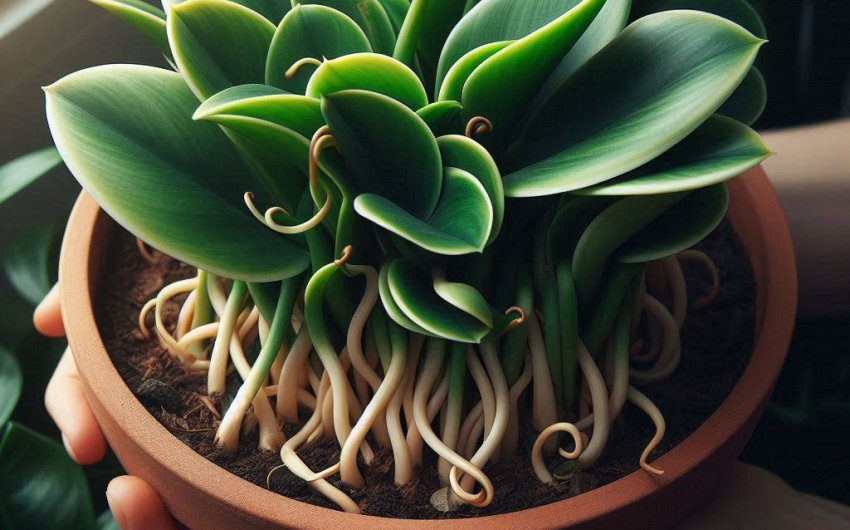
If your ZZ plant leaves are curling, the most common reason is underwatering or low humidity, causing the plant to conserve moisture. Less frequently, it could indicate too much direct light or a pest infestation. Promptly identifying the specific cause is key to restoring your ZZ plant's flat, healthy foliage.
Why Do ZZ Plant Leaves Curl? (Common Reasons)
The ZZ Plant (Zamioculcas zamiifolia) is celebrated for its toughness and low-maintenance nature, making it an ideal houseplant for beginners and busy individuals. However, even these resilient plants can show signs of stress, and when your ZZ plant leaves are curling, it's a clear signal something in its environment isn't quite right. Curling leaves are typically a plant's defense mechanism, often related to moisture or environmental stress.
1. Underwatering (The Most Common Cause)
Despite their drought-tolerant reputation, ZZ Plants can still get thirsty. If your ZZ plant leaves are curling, underwatering is often the primary culprit.
- How it happens: ZZ Plants store water in their rhizomes (bulbous underground structures) and fleshy stems and leaves. When the plant doesn't receive enough water for an extended period, it begins to deplete its reserves.
- Defense Mechanism: To conserve precious moisture, the leaves will curl or roll inwards. This reduces the leaf's exposed surface area, minimizing water loss through transpiration (evaporation from leaves). It's the plant trying to hold onto every last drop.
- Other Symptoms: Besides curling, leaves might also appear shriveled, thin, or slightly limp. The potting mix will be bone dry, and the pot will feel very light. If left unaddressed, the leaves will eventually turn yellow and then crisp brown before dropping.
2. Low Humidity
While ZZ Plants are tolerant of average household humidity, extremely dry air can also cause moisture stress, leading to curling leaves.
- How it happens: In very low humidity environments, the plant loses water more rapidly through its leaves than it can absorb from the soil, even if the soil itself is adequately moist.
- Defense Mechanism: Similar to underwatering, the plant curls its leaves to reduce surface area and slow down moisture loss.
- Other Symptoms: Leaf tips might also become crispy or brown. This is especially common in heated homes during winter months.
3. Too Much Light (Sunburn)
Although ZZ Plants can tolerate various light conditions, direct, intense sunlight can be harmful.
- How it happens: Prolonged exposure to harsh, direct sun (especially afternoon sun) can scorch the leaves and cause rapid water loss.
- Defense Mechanism: The plant curls its leaves to shield its delicate surfaces from the intense light and heat, attempting to prevent further damage and moisture loss.
- Other Symptoms: Curling might be accompanied by yellowing, bleaching, or actual brown, crispy burn spots on the leaves. The curling often occurs on the leaves most exposed to the direct sun.
4. Overwatering (Less Common for Curling, More for Yellowing/Mushiness)
While overwatering typically leads to yellowing, mushy stems, and root rot, in some specific instances, a stressed plant (even from overwatering) might initially show some curling before other symptoms become prominent. This is less common than underwatering as a cause of curling, but worth noting as part of a general stress response.
- How it happens: Root rot prevents the roots from absorbing water, paradoxically leading to symptoms of dehydration in the foliage, which can include curling.
- Other Symptoms: Crucially, if overwatering is the cause, the soil will be wet or soggy, and the stems will likely feel mushy, soft, or even have a foul smell. These are stronger indicators than just curling.
5. Pest Infestation
Pests, while less common on ZZ Plants, can sometimes cause leaves to curl as they feed.
- How it happens: Sap-sucking pests (like spider mites or thrips) drain the plant's fluids, stressing the leaves and causing them to distort or curl.
- Other Symptoms: Look for visible pests, tiny webs (spider mites), sticky residue (honeydew), or discolored spots on the undersides of leaves.
6. Temperature Stress
Extreme temperatures can also shock a ZZ Plant.
- How it happens: Sudden drops in temperature or prolonged exposure to cold drafts can cause stress and inhibit proper plant function, leading to a defensive curling.
- Other Symptoms: Yellowing, browning, or general limpness might accompany the curling.
By carefully examining your ZZ plant and its environment, and cross-referencing these common causes with other symptoms, you can accurately diagnose why your ZZ plant leaves are curling and take appropriate action. Always start by checking the soil moisture, as underwatering is the most frequent culprit.
How Can Underwatering Cause My ZZ Plant Leaves to Curl?
Underwatering is the primary reason your ZZ plant leaves are curling. While ZZ Plants are famous for their drought tolerance, "tolerant" does not mean "never water." Understanding the plant's natural mechanisms helps explain why parched conditions lead to this distinctive leaf response.
The ZZ Plant's Water Storage Adaptations
The ZZ Plant is uniquely evolved to survive long periods without water, thanks to its specialized structures:
- Rhizomes: These are the large, potato-like underground tubers from which the plant's stems emerge. They act as natural reservoirs, storing significant amounts of water and nutrients.
- Fleshy Stems and Leaves: The thick, waxy stems and succulent leaves also contain water-storing tissue. This gives the plant its naturally glossy, plump appearance.
These adaptations allow the ZZ Plant to draw upon its internal reserves during dry spells, much like a camel stores water. This is why it can go weeks, even a month or more, between waterings.
The Plant's Defensive Curling Mechanism (Transpiration Control)
When the ZZ Plant's internal water reserves start to run low, and the soil is bone dry, it initiates a survival mechanism called transpiration control.
- Transpiration: This is the process where plants release water vapor through tiny pores on their leaves called stomata. It's essential for photosynthesis and nutrient transport, but it also results in water loss.
- Reduced Surface Area: To minimize this water loss, the plant will cause its leaves to curl, roll, or cup inwards. By reducing the exposed surface area of the leaves, fewer stomata are directly exposed to the air, thus slowing down the rate of transpiration and conserving the remaining internal moisture.
- Water Pressure (Turgor): Healthy, well-hydrated plant cells are plump and firm due to water pressure (turgor). When a plant is underwatered, cells lose turgor pressure, causing the leaves to become less rigid and often facilitating the curling. The leaves might also feel thinner or slightly wrinkly.
Progressive Symptoms of Underwatering
The curling of ZZ plant leaves from underwatering isn't usually the only symptom, nor is it the last:
- Initial Curling/Cupping: The leaves begin to curl inwards or upward along their length.
- Shriveling/Thinning: As dehydration continues, the leaves will lose their plumpness and begin to feel thin, shriveled, or slightly leathery.
- Limpness/Drooping: The stems might start to lose their rigidity and droop, especially the newer, less mature ones.
- Yellowing: Eventually, if water is not provided, the leaves (often starting with the older ones at the bottom of the stem) will turn yellow as the plant tries to reabsorb nutrients and jettison non-essential parts.
- Browning/Crisping: Finally, the yellowed leaves will turn brown and become crispy before they eventually fall off.
How to Confirm Underwatering:
- Bone Dry Soil: Stick your finger 2-3 inches into the soil. If it's completely dry, or the pot feels extremely light when lifted, underwatering is highly likely.
- Timeline: Consider your last watering date. If it's been several weeks or more, and your plant hasn't been watered since, this strengthens the diagnosis.
In essence, when your ZZ plant leaves are curling due to underwatering, it's a visual SOS from a plant trying its best to survive by conserving its dwindling water supply. A timely, thorough watering is usually all it takes to see it spring back.
How Do I Fix an Underwatered ZZ Plant and Stop the Leaves from Curling?
If you've determined your ZZ plant leaves are curling due to underwatering, the good news is that this is usually the easiest problem to fix, and ZZ Plants are incredibly resilient. A simple, thorough watering is often all it takes to see a remarkable recovery.
Step-by-Step Solution:
1. Water Thoroughly and Deeply
This is the most crucial step to rehydrate your plant.
- Pour Slowly: Pour water slowly and evenly over the entire surface of the potting mix until it starts to drain out of the bottom drainage holes. Don't rush this, as very dry soil can sometimes be hydrophobic (repel water) at first.
- Collect Runoff: Let the pot sit in the drained water for about 15-20 minutes, allowing the plant to soak up any extra moisture. This ensures the root ball is fully saturated.
- Discard Excess: After 15-20 minutes, discard any remaining water in the saucer. Do not let the pot sit in standing water for prolonged periods, as this can lead to overwatering issues.
- Alternative: Bottom Watering: For very dry or compacted soil, bottom watering can be highly effective. Place the pot in a larger container filled with about 2-3 inches of water. Let the plant soak up water from the bottom drainage holes for 30-60 minutes, or until the top layer of soil feels moist. Then, remove the pot and let it drain completely.
2. Monitor for Recovery
- Patience: Don't expect immediate results. While some plants might perk up in hours, a ZZ Plant can take anywhere from a few hours to a day or two to fully rehydrate and for its leaves to flatten out.
- Continued Observation: After the initial watering, observe the leaves for gradual improvements. They should start to feel plump and uncurl.
3. Adjust Future Watering Routine (Prevention is Key)
The long-term solution lies in establishing a consistent, appropriate watering schedule to prevent future underwatering.
- The "Thirsty Test": The golden rule for ZZ Plants is to only water when the soil is completely dry. Stick your finger 2-3 inches into the potting mix. If it feels dry, or if you can lift the pot and it feels noticeably light, then it's time to water. If there's any moisture detected, wait.
- Seasonal Adjustment:
- Spring/Summer (Growing Season): You might need to water every 2-4 weeks, depending on light, temperature, and pot size.
- Fall/Winter (Dormant Season): Growth slows significantly, and the plant uses much less water. You might only need to water once a month or even less frequently. Err on the side of caution.
- Drainage: Always ensure your pot has adequate drainage holes. ZZ Plants hate "wet feet."
- Potting Mix: Ensure your ZZ Plant is in a well-draining potting mix. A good succulent/cactus mix or a standard potting mix amended with extra perlite (about 30-50%) is ideal. This prevents water from sitting around the roots for too long. You can find Succulent and Cactus Potting Mix for optimal drainage.
- Terracotta Pots: If you frequently overwater, consider repotting into a terracotta pot. Terracotta is porous and allows the soil to dry out faster, which can be beneficial for ZZ Plants.
4. Address Other Potential Contributing Factors (If Applicable)
Once the watering issue is fixed, briefly consider if other factors might have contributed to the dehydration.
- Humidity: If your home is exceptionally dry (especially in winter with heating), consider increasing ambient humidity. A Plant Humidifier or a pebble tray (a saucer filled with pebbles and water, ensuring the pot sits above the water level) can help.
- Light: Ensure your ZZ Plant is getting adequate bright, indirect light. While low light can slow growth, it doesn't cause immediate curling usually, but it can prolong drying times for the soil. Avoid direct, harsh sunlight.
By following these steps, you can effectively fix your underwatered ZZ Plant and prevent its leaves from curling again, maintaining its healthy, glossy appearance for years to come.
How Can Low Humidity Cause My ZZ Plant Leaves to Curl?
While less common than underwatering, low humidity can definitely be a reason your ZZ plant leaves are curling, especially in very dry indoor environments. ZZ Plants are from tropical regions, and even though they are adapted to tolerate dry soil, extremely dry air can still cause them stress.
Understanding Transpiration and Humidity
- Transpiration: Plants naturally release water vapor into the air through tiny pores on their leaves (stomata). This process, called transpiration, helps draw water and nutrients up from the roots.
- Humidity's Role: Humidity refers to the amount of moisture in the air.
- High Humidity: When the air is humid, there's already a lot of water vapor present, so the plant loses water through transpiration slowly.
- Low Humidity: In very dry air, the air acts like a sponge, drawing water out of the plant's leaves much more rapidly.
Why Low Humidity Leads to Curling
- Excessive Water Loss: In a low-humidity environment, your ZZ Plant might be losing water through its leaves (transpiring) faster than its roots can absorb it from the soil, even if the soil is adequately moist. This leads to a state of internal dehydration, even with enough water at the roots.
- Defense Mechanism: To combat this rapid water loss, the ZZ Plant will curl or roll its leaves inwards. This reduces the surface area exposed to the dry air, effectively slowing down transpiration and conserving precious internal moisture. It's the same defense mechanism seen in underwatering, but the root cause is external (dry air) rather than internal (dry soil).
Other Symptoms of Low Humidity:
- Crispy Leaf Tips/Edges: This is a very common sign of low humidity. The edges or tips of the leaves become dry, brown, and crispy.
- Dull or Lifeless Appearance: The overall plant might look less vibrant and glossy.
- No Soil Dryness: Unlike underwatering, the soil may feel moist or adequately watered, yet the leaves still show signs of dehydration.
Common Sources of Low Humidity Indoors:
- Winter Heating: Furnaces and central heating systems can drastically dry out indoor air, especially during colder months.
- Air Conditioning: While often associated with cooling, AC units also remove moisture from the air.
- Arid Climates: Living in naturally dry regions.
- Proximity to Vents/Radiators: Placing a plant too close to a heat vent or radiator can expose it to a constant stream of dry, warm air.
How to Confirm Low Humidity:
- Check Soil: First, ensure the soil is not bone dry (underwatering). If the soil is moist, but the leaves are curling and/or have crispy tips, humidity is a strong suspect.
- Hygrometer: For accuracy, use a Digital Hygrometer for Plants to measure the humidity levels around your plant. ZZ Plants generally prefer 40-60% humidity, though they can tolerate lower. If your readings are consistently below 30%, it's likely contributing to the problem.
In summary, when your ZZ plant leaves are curling and you've ruled out underwatering, look to the surrounding air. Low humidity causes the plant to lose water too quickly, triggering the defensive curling to protect its precious moisture reserves.
How Do I Increase Humidity for My ZZ Plant?
If your ZZ plant leaves are curling due to low humidity, there are several effective ways to boost the moisture in the air around your plant. Increasing humidity helps the plant conserve water and reduces stress.
1. Use a Humidifier
- Best Solution: A humidifier is the most effective way to consistently raise the overall humidity in a room or in the immediate vicinity of your plant.
- Types: You can use a dedicated Plant Humidifier designed for houseplants, or a regular room humidifier.
- Placement: Place the humidifier near your ZZ Plant, but not so close that the leaves are constantly wet (which can lead to fungal issues). Follow the manufacturer's recommendations for placement.
- Monitor: Use a hygrometer to monitor the humidity levels and aim for a range of 40-60%.
2. Create a Pebble Tray
- Simple & Effective: This is a popular and easy DIY method.
- How to Do It:
- Find a shallow tray or saucer larger than your plant's pot.
- Fill the tray with a layer of pebbles or gravel.
- Add water to the tray, ensuring the water level is below the top of the pebbles. Crucially, the bottom of your pot should not sit directly in the water, as this can lead to root rot.
- Place your ZZ Plant pot on top of the pebbles.
- Mechanism: As the water in the tray evaporates, it increases the humidity directly around the plant.
- Maintenance: Replenish the water in the tray regularly as it evaporates.
3. Group Plants Together
- Create a Microclimate: Plants naturally release moisture through transpiration. Grouping several plants together can create a localized "microclimate" with slightly higher humidity.
- Benefits: The collective transpiration of multiple plants helps to raise the humidity in their immediate vicinity.
- Considerations: Ensure there's still good airflow between plants to prevent fungal issues. Don't overcrowd.
4. Misting (Use with Caution for ZZ Plants)
- Temporary Fix: Misting your ZZ Plant's leaves with a fine spray of water can temporarily increase humidity, but the effect is short-lived as the water quickly evaporates.
- Risks: For ZZ Plants, frequent misting can sometimes lead to water spots on the waxy leaves or, more critically, promote fungal or bacterial leaf spots if the leaves remain wet for too long, especially in low-light conditions or with poor air circulation.
- Recommendation: While popular for many tropicals, misting is generally not the primary recommended method for ZZ Plants due to potential fungal risks. If you do mist, do so in the morning to allow leaves to dry fully, and ensure good air circulation.
5. Reposition Away from Dry Air Sources
- Identify Culprits: Avoid placing your ZZ Plant near sources of dry, hot, or cold air.
- Heating Vents/Radiators: These are notorious for drying out the air. Move your plant at least several feet away.
- Air Conditioning Vents: Similar to heating, AC units remove moisture from the air.
- Drafty Windows/Doors: Cold drafts in winter can stress plants and dry them out.
6. Consider a Terrarium or Cloche (for Very High Humidity Needs, not typical for ZZ)
- Extreme Cases: For some plants, enclosed environments like terrariums or glass cloches create very high, stable humidity. While not typically necessary for ZZ Plants (which are more adaptable), it's an option for extremely dry indoor conditions if you find other methods insufficient for your particular plant.
By implementing one or a combination of these methods, you can effectively increase the humidity around your ZZ Plant, preventing its leaves from curling and contributing to its overall health and lush appearance. Always prioritize methods that provide consistent moisture without keeping leaves constantly wet.
What Other Factors Can Cause ZZ Plant Leaves to Curl and How Do I Address Them?
Beyond underwatering and low humidity, if your ZZ plant leaves are curling, a few other less common but important factors could be at play. Identifying these alternative causes requires careful observation of your plant and its environment.
1. Too Much Light / Sunburn
While ZZ Plants are tolerant, they are not desert plants. Direct, intense sunlight can stress them.
- Symptoms: Leaves curling inwards to protect themselves from intense light. This curling is often accompanied by:
- Yellowing or Bleaching: The leaves may turn pale green, yellow, or even bleached white.
- Crispy Brown Spots (Sunburn): Distinct, scorched, crispy brown or black patches on the leaves. These are permanent scars.
- Often on one side: The curling and damage will be most evident on the side of the plant directly facing the harsh light source.
- The Fix:
- Relocate Immediately: Move your ZZ Plant to a spot with bright, indirect light. An east-facing window is often ideal. If only south or west-facing windows are available, move the plant several feet back from the window or use a sheer curtain to filter the light.
- Monitor: Observe for new curling or burning. The existing burned spots won't heal, but the rest of the leaf and new growth should return to a healthy green.
2. Pest Infestation
While ZZ Plants are relatively pest-resistant, severe infestations, especially of sap-sucking insects, can cause leaves to curl or distort.
- Common Pests: Look for spider mites (tiny, often cause speckled yellowing and fine webbing), thrips, mealybugs (fuzzy white spots), or scale (small, immobile bumps).
- Symptoms:
- Curling/Distortion: Leaves may curl, twist, or look misshapen.
- Visible Pests: Examine the undersides of leaves, leaf axils, and stems closely for any signs of insects, webbing, or sticky residue (honeydew).
- Other Damage: Yellow speckling, stunted growth.
- The Fix:
- Isolate: Immediately move the infested plant away from other houseplants to prevent spread.
- Clean: For light infestations, wipe down affected leaves and stems with a damp cloth or a cotton swab dipped in rubbing alcohol.
- Treat: For more severe cases, use an organic Insecticidal Soap for Plants or a diluted Neem Oil Solution. Apply thoroughly, ensuring good coverage, especially on the undersides of leaves. Repeat as directed on the product label.
- Consistency: Continue treatment until the pests are gone.
3. Temperature Stress
Extreme temperatures or sudden, drastic temperature changes can shock a ZZ Plant, leading to various stress symptoms, including curling.
- Symptoms: Leaves curling, yellowing, browning, or general limpness. This often occurs on parts of the plant exposed to direct drafts.
- Causes:
- Cold Drafts: Placement near a drafty window or door in winter.
- Proximity to Vents: Direct blast from heating or air conditioning vents.
- Sudden Changes: Moving the plant from a warm, humid environment to a cold, dry one without acclimatization.
- The Fix:
- Relocate: Move your ZZ Plant away from direct drafts, vents, or other sources of extreme temperature fluctuations.
- Stable Environment: Aim for consistent room temperatures between 65-85°F (18-29°C).
4. Overwatering (Secondary Symptom, Not Primary Cause of Curling)
While overwatering primarily causes yellowing, mushy stems, and root rot, a plant that is severely stressed from root rot might paradoxically show some leaf curling as a symptom of dehydration (because the roots can't absorb water).
- Symptoms: Crucially, if overwatering is the cause of curling, it will be accompanied by soggy soil, and stems that feel mushy or soft, and likely a foul odor from the soil. Curling alone is rarely the primary sign of overwatering for a ZZ Plant.
- The Fix: (If root rot is confirmed)
- Unpot Immediately: Remove the plant from its pot and remove all old, soggy soil.
- Prune Damaged Roots: Cut away all mushy, black, or foul-smelling roots.
- Air Dry: Allow the plant to air dry for several hours to a day.
- Repot: Repot into fresh, well-draining soil and a clean pot (possibly smaller if roots were removed).
- Do NOT Water Immediately: Wait at least 1-2 weeks before watering after repotting. (See "How Do I Fix an Overwatered ZZ Plant?" for more detail).
By systematically checking for these various factors, you can effectively diagnose why your ZZ plant leaves are curling and implement the appropriate solution to help your resilient plant recover. Always start with the most common causes (underwatering, then light/humidity) before moving to less frequent issues.