
How to treat mealybugs on succulents?
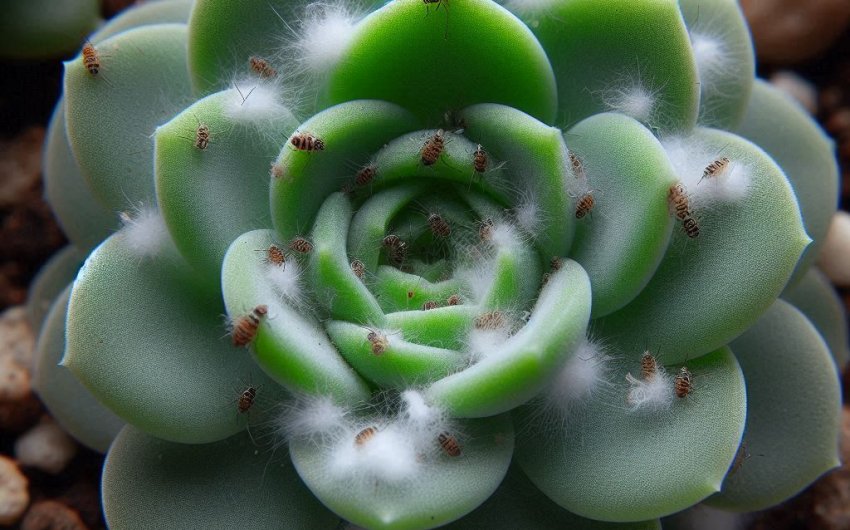
Succulents are incredibly popular for their striking beauty, unique shapes, and relatively easy-care nature. Their ability to store water in their fleshy leaves makes them resilient and fascinating additions to any home or garden. However, even these tough plants can fall victim to pests, and one of the most frustrating and persistent is the dreaded mealybug.
Spotting those tiny, white, cottony masses on your precious succulents can be disheartening. Mealybugs are sap-sucking insects that, if left untreated, can severely weaken your plant, leading to stunted growth, distorted leaves, and even death. Don't panic! Learning how to treat mealybugs on succulents is a manageable process that combines diligent inspection, physical removal, and safe, effective treatments. This guide will walk you through identifying mealybugs, understanding their damage, and providing proven methods to restore your succulents to their pristine health.
What Are Mealybugs and Why Are They on My Succulents?
Understanding these pests is the first step in effectively getting rid of them.
What Do Mealybugs Look Like?
Mealybugs are small, soft-bodied insects, typically oval-shaped, that are covered in a white, waxy, cottony, or powdery substance. This waxy coating helps protect them from predators and many insecticides.
- Adults: Look like tiny white cottony masses, often found clustered in leaf axils (where leaves meet stems), along stems, or on the undersides of leaves.
- Size: Ranging from pinpoint size when young to about 1/4 inch long when mature.
- Eggs: Often laid in fluffy white, cottony egg sacs.
- "Crawlers": The newly hatched young are very tiny, yellowish, and mobile, moving around to find new feeding spots before they develop their protective waxy coating.
How Do Mealybugs Damage My Succulents?
Mealybugs are sap-sucking pests. They insert their mouthparts into the plant's tissues and draw out vital sap, weakening the plant.
- Stunted Growth: Infested succulents will show reduced growth, as their energy is being sapped.
- Distorted or Yellowing Leaves: Leaves may become malformed, shrivel, or turn yellow as they lose vital nutrients and moisture.
- Sticky Residue (Honeydew): Like aphids, mealybugs excrete a sticky, sugary substance called honeydew. This honeydew can make your plant feel tacky.
- Sooty Mold: The honeydew attracts a black, powdery fungus called sooty mold. While sooty mold doesn't directly harm the plant (it just grows on the honeydew), it blocks sunlight, hindering photosynthesis, and looks very unsightly.
- Dieback: In severe, untreated infestations, parts of the plant or even the entire succulent can die.
Why Are Mealybugs So Stubborn?
Mealybugs are notoriously persistent for a few key reasons:
- Waxy Coating: Their protective, waxy, cottony coating makes them difficult for many contact insecticides to penetrate.
- Hiding Spots: They love to hide in tight crevices, leaf axils, and under leaves, making them hard to spot and difficult to treat thoroughly.
- Egg Sacs: The cottony egg sacs protect the eggs, meaning multiple treatments are needed to catch subsequent generations of crawlers as they hatch.
- Root Mealybugs: A particularly frustrating type of mealybug lives and feeds on the roots of plants in the soil. These are much harder to detect and treat.
How to Treat Mealybugs on Succulents: Step-by-Step Methods
Effective mealybug treatment requires diligence and often a combination of methods. Consistency is key!
Step 1: Isolate and Inspect (Crucial First Step!)
- Isolate Immediately: As soon as you spot mealybugs on one succulent, immediately move that plant away from all other plants. Mealybugs spread quickly!
- Thorough Inspection: Examine all your plants (even those that seem unaffected). Check every leaf (top and especially bottom), all stems, in every crevice, and the crown of the plant. Look for the tiny white cottony masses or any sticky residue. Don't forget to look at the soil surface, as some mealybugs can hide there before moving onto the plant.
Step 2: Manual Removal (The Most Important First Attack)
For any mealybug infestation, especially small to moderate ones, physical removal is the most effective and often immediate way to reduce numbers.
- Rubbing Alcohol Swab: Dip a cotton swab or a soft cloth in rubbing alcohol (isopropyl alcohol, 70%). Gently touch or wipe off individual mealybugs and their egg sacs. The alcohol dissolves their waxy coating, killing them on contact. This is excellent for targeting visible bugs. You can find isopropyl alcohol.
- Strong Water Spray: For succulents with tougher leaves (not delicate ones that might bruise easily), you can use a strong jet of water from a garden hose (outdoors) or sink sprayer (indoors) to dislodge mealybugs. Be gentle to avoid damaging the plant.
- Pruning (Severe Localized Infestations): For branches or sections with very heavy, concentrated mealybug infestations that are difficult to treat manually, it's often best to prune them off entirely. Dispose of the pruned plant material in a sealed bag in the trash, not your compost. Use clean, sharp pruning shears.
Step 3: Apply Insecticidal Solutions (Contact Killers)
After manual removal, follow up with an insecticidal solution to kill any remaining mealybugs you missed and target the vulnerable "crawler" stage.
- Neem Oil Spray: Neem oil is a popular natural pesticide that works well against mealybugs. It acts as an antifeedant, growth regulator, and smothering agent.
- Application: Mix neem oil concentrate with water and a tiny bit of gentle liquid soap (as an emulsifier) according to package directions. Spray your entire succulent thoroughly, ensuring complete coverage – top and bottom of leaves, stems, and especially in all the tight crevices where mealybugs hide.
- Timing: Apply in the early morning or late evening, avoiding direct sun, to prevent leaf burn.
- Repeat: Mealybugs have a life cycle with eggs that hatch later. You'll need to repeat applications every 7-10 days for several weeks (usually 3-4 applications) to catch all the newly hatched crawlers.
- Insecticidal Soap Spray: Insecticidal soap is a gentle, contact insecticide.
- How it works: It breaks down the insects' protective outer membranes, causing dehydration.
- Application: Purchase a ready-to-use spray or mix a dilute solution (e.g., 1-2 teaspoons of gentle, non-detergent liquid soap per gallon of water – test on a small area first). Spray thoroughly, ensuring full coverage.
- Repeat: Repeat applications every 7-10 days for several weeks.
- Caution with Soaps/Oils on Succulents: Always test a small, inconspicuous area of your succulent first before full application. Some succulents (especially those with powdery "farina" or very delicate leaves) can be sensitive to oil or soap sprays, which can remove their natural protective coating or cause discoloration. If you see adverse reactions, rinse the plant.
Step 4: Systemic Granules (For Stubborn and Root Mealybugs)
For persistent infestations, especially those suspected to involve root mealybugs, systemic insecticides can be considered as a last resort.
- How it works: These are granules that you sprinkle on the soil and water in. The plant's roots absorb the insecticide, making the plant toxic to sap-sucking pests like mealybugs when they feed.
- Ingredients: Purchase systemic insecticide granules for houseplants (ensure they are safe for indoor use and for edible plants if applicable, though succulents are rarely edible).
- Application: Follow product directions precisely.
- Caution: Systemic insecticides are more potent and can harm beneficial insects. Use with extreme caution, especially on outdoor plants, and keep pets and children away. This is generally reserved for severe, repeated infestations after other methods have failed.
Step 5: Address Sooty Mold (After Mealybugs are Gone)
Once the mealybug infestation is under control and no more honeydew is being produced, you can clean off the sooty mold.
- Cleaning: Gently wipe leaves with a damp cloth. A very dilute solution of dish soap and water can help loosen stubborn mold. Rinse leaves thoroughly with plain water afterward.
Long-Term Prevention and Maintenance Tips for Succulents
Preventing mealybug outbreaks is always better than treating them. A healthy succulent is more resistant to pests.
1. Quarantine New Plants (Essential!)
- Vigilance: This is crucial. Always inspect any new succulents or other plants thoroughly before bringing them into your home or placing them near your existing collection. Keep new plants isolated for 2-4 weeks to ensure they are pest-free.
2. Proper Watering (Key for Succulent Health)
- Avoid Overwatering: Mealybugs thrive in moist, humid environments, and overwatered succulents are more susceptible to all kinds of pests and diseases. Allow your succulent's soil to dry out completely between waterings. Use a moisture meter or your finger to check deep into the soil.
- Well-Draining Soil: Ensure your succulent is in a fast-draining potting mix specifically for succulents and cacti.
- Drainage Holes: Always use pots with drainage holes.
3. Optimal Light and Air Circulation
- Plenty of Light: Succulents need bright, direct sunlight to thrive. Healthy, non-stressed plants are more resilient.
- Good Airflow: Ensure good air circulation around your succulents. Avoid overcrowding plants, as this creates humid, stagnant conditions that mealybugs prefer.
4. Remove Plant Debris
- Cleanliness: Regularly remove any dead, decaying leaves or plant debris from the surface of the soil and around the base of your succulents. This removes potential hiding spots and food sources for pests.
5. Inspect Regularly
- Routine Checks: Make it a habit to regularly inspect your succulents (and all your plants) for early signs of pests. Catching mealybugs when their numbers are low makes treatment significantly easier. Pay extra attention to tight crevices and undersides of leaves.
6. Beneficial Insects (for Outdoor Succulents)
- Nature's Allies: If your succulents are outdoors, encourage natural predators like ladybugs, parasitic wasps, and lacewings. These insects feed on mealybugs.
- Avoid Broad-Spectrum Pesticides: These can harm beneficial insects, leading to a rebound in pest populations. You can even purchase live ladybugs for outdoor release.
By being vigilant, acting quickly with manual removal, and following up with appropriate insecticidal treatments, you can successfully treat mealybugs on succulents. And by implementing good cultural practices, you can help prevent future infestations, keeping your beautiful succulents healthy and thriving!