
Why is my pothos losing variegation?
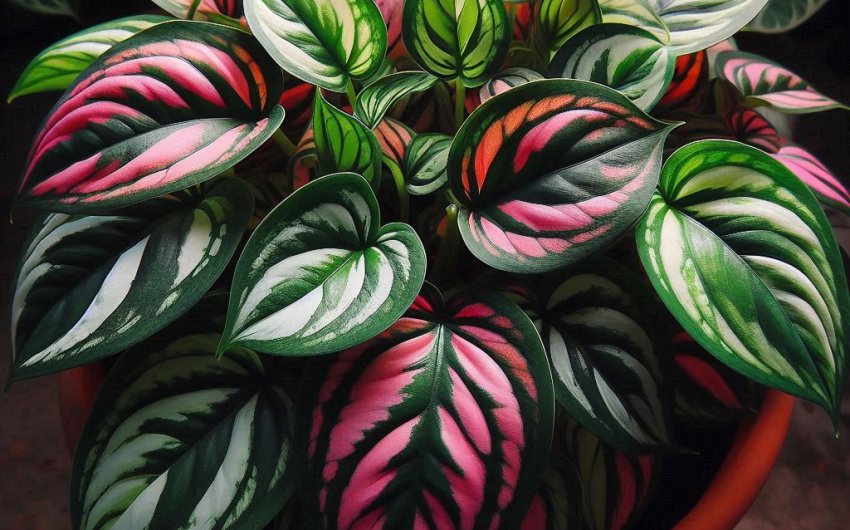
The Pothos plant (Epipremnum aureum) is a beloved houseplant, famous for its easy-care nature and beautiful trailing vines. Many popular varieties, like 'Marble Queen', 'N'Joy', 'Golden Pothos', and 'Manjula', are prized for their stunning variegation – those lovely splashes, streaks, or patches of white, cream, or yellow against the green. This variegation adds a vibrant pop to any indoor space, making the plant truly shine. So, it can be quite disheartening when you notice your once brightly variegated Pothos slowly start producing leaves that are more green, or even entirely green. Why is my Pothos losing variegation?
This is a common question among plant parents, and thankfully, it's usually not a sign of a dying plant, but rather a normal response to its environment. This guide will help you understand the primary reasons why your Pothos might be losing its variegation, from light issues to nutrient balance, and provide actionable tips to help restore those beautiful patterns. Get ready to understand your Pothos better and encourage its vibrant colors to return!
Understanding Variegation in Pothos
Before we dive into the "why," let's quickly understand what variegation is and how it works in Pothos.
What is Variegation?
Variegation refers to the appearance of different colored zones in the leaves of a plant. In Pothos, this is usually caused by a genetic mutation where some plant cells lack chlorophyll (the green pigment responsible for photosynthesis). These chlorophyll-deficient cells appear white, cream, or yellow, creating the beautiful patterns we adore.
Why is Variegation Sometimes Unstable?
The catch is that the variegated (non-green) parts of a leaf cannot photosynthesize (produce food) as effectively as the green parts. This means a highly variegated leaf is actually "less efficient" at making energy for the plant. Because of this, plants sometimes try to revert to a greener state, as it's more beneficial for their survival and growth. This is the plant's way of being more efficient.
Common Reasons Why Your Pothos is Losing Variegation
Let's explore the main factors that cause your Pothos to lose its stunning variegation.
1. Insufficient Light (The Most Common Culprit!)
This is, by far, the most frequent reason why your Pothos is losing variegation.
- The Problem: The white/yellow parts of variegated leaves don't have chlorophyll and therefore cannot perform photosynthesis. The green parts must work harder to produce enough energy for the entire plant. If the plant isn't getting enough light, it will naturally try to produce more green (chlorophyll-rich) tissue to compensate and make more food.
- Symptoms:
- New leaves emerge with less white/yellow, appearing predominantly green.
- Existing variegated leaves may fade slightly, though this is less common than new growth appearing less variegated.
- Stems might become leggy and stretched as the plant reaches for more light.
- Overall slower growth.
- Why it happens: It's a survival mechanism. The plant "prioritizes" its energy production in low light by producing more chlorophyll.
- Solution:
- Increase Light Exposure: Move your Pothos to a brighter spot with bright, indirect light. An east-facing window is often ideal, or a few feet away from a south or west-facing window (filter harsh direct sun with sheer curtains).
- Avoid Direct Sun: While Pothos needs bright light, intense, direct afternoon sun can scorch its leaves, especially the variegated parts.
- Supplemental Lighting: If natural light is limited, consider using an LED grow light to provide consistent, adequate light, especially during darker winter months.
2. Too Much Light (Can Also Be a Factor, but Less Common for Loss)
While lack of light is the primary cause of variegation loss, excessively bright, direct light can also cause issues.
- Symptoms:
- Variegated areas may appear bleached, yellowed, or even crispy/browned (sunburn).
- Leaves may curl inward or look stressed.
- Why it happens: The non-green parts of the leaf are very sensitive to intense sun and can get sunburnt easily. While this doesn't directly cause a loss of variegation in new growth, it stresses the plant and damages the existing patterns.
- Solution:
- Filter Direct Sun: If your Pothos is in a very bright spot, especially a south or west-facing window with unfiltered afternoon sun, move it slightly away from the window or use sheer curtains to diffuse the light.
3. Nutrient Imbalance / Over-Fertilization
The health and appearance of your plant are directly linked to its nutrient intake.
- The Problem: Too much nitrogen (the "N" in N-P-K fertilizer) can encourage lush, green growth, potentially at the expense of variegation. Also, an overall imbalance of nutrients can stress the plant.
- Symptoms:
- New growth appears greener.
- Overall very dark green foliage.
- Other signs of over-fertilization like crispy leaf tips/edges, or slow growth.
- Why it happens: Nitrogen promotes chlorophyll production. If the plant gets too much, it might prioritize green growth over maintaining its variegated patterns.
- Solution:
- Fertilize Moderately: Pothos are not heavy feeders. Fertilize only during the growing season (spring and summer) with a balanced liquid houseplant fertilizer at half or quarter strength, every 4-6 weeks.
- Reduce Nitrogen: Consider a fertilizer that is slightly lower in nitrogen if variegation loss is persistent.
- Flush Soil: If you suspect fertilizer buildup, occasionally "flush" the soil by watering thoroughly until a large amount drains out of the bottom. This helps remove excess salts.
4. Genetics and Maturity (Natural Reversion)
Sometimes, the loss of variegation is simply due to the plant's natural tendency.
- The Problem: Variegation is a mutation. Some variegated plants are naturally more prone to "reverting" to their all-green form over time, regardless of optimal care. This is a genetic predisposition.
- Symptoms:
- New stems or leaves emerge entirely green, often from the base of the plant or older sections of the vine.
- This might happen even when light and nutrients seem optimal.
- Why it happens: The all-green sections are more efficient at photosynthesis and can outcompete the variegated sections, essentially "taking over."
- Solution:
- Prune Green Stems: If you notice an entirely green stem emerging, prune it off close to the main plant. If left to grow, these green sections can quickly outcompete and overshadow the variegated parts, leading to more widespread loss of variegation.
- Propagate Variegated Cuttings: When taking cuttings to propagate your Pothos, always choose a stem that has good variegation. This ensures the new plant inherits those traits.
5. Water Stress (Severe Under or Overwatering)
While often leading to yellowing, extreme or prolonged water stress (either too much or too little) can also weaken the plant, potentially affecting its ability to maintain vibrant variegation.
- Symptoms:
- Underwatering: Drooping, crispy leaves, very dry soil.
- Overwatering: Yellowing, mushy leaves, soggy soil, potential root rot.
- Why it happens: A stressed plant will prioritize basic survival over maintaining decorative features like variegation.
- Solution:
- Consistent Watering: Stick to a consistent watering schedule. Water thoroughly when the top 1-2 inches of soil are dry, allowing water to drain out. Adjust frequency based on season and light.
- Good Drainage: Ensure your pot has drainage holes and isn't sitting in standing water.
6. Old Age or Lack of Pruning
As a Pothos vine matures, older sections can sometimes produce less vigorous or less variegated growth, especially if they are very long and far from the main root system.
- Symptoms:
- Older, longer vines producing greener or smaller leaves.
- Overall leggy appearance.
- Why it happens: The plant's energy is spread thin across very long vines, or older nodes are less active in producing vibrant variegated foliage.
- Solution:
- Prune Regularly: Don't be afraid to prune your Pothos. Cutting back leggy or green vines encourages bushier growth and can stimulate new, more variegated growth closer to the main plant. Propagate the cuttings!
How to Restore and Maintain Pothos Variegation (Actionable Tips)
Once you've identified the cause, here's how to help your Pothos regain its beautiful variegation.
1. Optimize Light Exposure (The #1 Fix!)
- Bright, Indirect Light: This is the most crucial step. Place your Pothos where it receives plenty of bright, filtered light. Think of a spot near an east-facing window, or a few feet back from a south or west-facing window.
- Rotate Regularly: Rotate your plant every week or two to ensure all sides get even light exposure. This prevents uneven growth and helps maintain variegation on all leaves.
- Consider Supplemental Light: If you live in a dark climate or have limited natural light, an LED grow light can make a huge difference in maintaining variegation, especially during winter.
2. Prune Green Reversions
- Act Quickly: If you see any stems or individual leaves emerging completely green, trim them off. Cut them back to a point where there is still good variegation on the stem or the previous leaf.
- Why: These green sections are more vigorous and will quickly outcompete the variegated parts for light and nutrients, leading to more widespread loss of variegation over time.
3. Fertilize Judiciously
- Balanced or Lower Nitrogen: During the growing season (spring and summer), use a balanced houseplant fertilizer at half or quarter strength, or one slightly lower in nitrogen.
- Flush Periodically: Every few months, thoroughly flush the soil with plain water to prevent salt buildup, which can also stress the plant.
4. Maintain Consistent Watering
- Feel the Soil: Water your Pothos only when the top 1-2 inches of soil feel dry to the touch. Water thoroughly until it drains out the bottom.
- Avoid Extremes: Both prolonged underwatering and persistent overwatering stress the plant, which can hinder its ability to maintain vibrant variegation.
5. Check Humidity (Less Direct, Still Helpful)
- While not the primary cause of variegation loss, good humidity contributes to overall plant health and vibrant foliage. If your home is very dry, consider a humidifier or pebble tray.
6. Repot When Necessary
- If your Pothos is root-bound (roots circling densely at the bottom), repot it into a pot that is only 1-2 inches larger, using fresh, well-draining potting mix. This provides new nutrients and room for healthy root growth.
By understanding why your Pothos is losing variegation and diligently applying these simple care tips, you can encourage your plant to produce those beautiful, vibrant patterns that make it such a beloved houseplant. Your Pothos will thank you with its stunning display!