
How to Fix Brown Tips on Your Spider Plant Leaves?
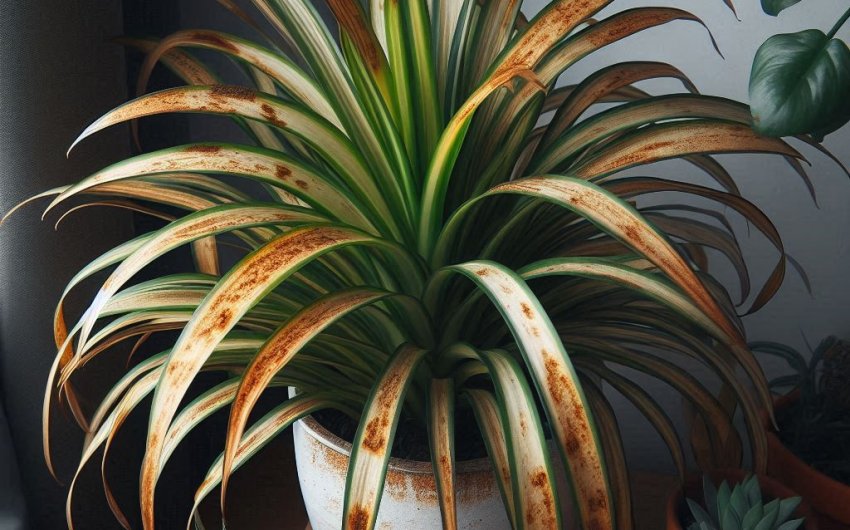
The classic spider plant (Chlorophytum comosum) is a beloved houseplant for a reason. Its arching, variegated foliage and adorable "spiderettes" (baby plants) make it a charming addition to any home. They're often hailed as easy-care and perfect for beginners. So, it can be quite perplexing and disheartening when you notice your otherwise thriving spider plant starting to develop brown tips on its leaves. Is it sick? Are you doing something wrong? Don't worry, you're not alone! Brown tips on spider plants are a very common issue, and usually, they're easy to fix once you know the cause.
This guide will help you understand what causes brown tips on spider plants, breaking down the most frequent culprits from water quality to humidity and nutrient issues. By learning to "read" your plant's signals, you can quickly identify the problem and provide the right solution, helping your spider plant regain its lush, healthy appearance!
Understanding Brown Tips on Spider Plants
Brown tips are a specific symptom of stress or environmental imbalance, often indicating dehydration at the leaf's extremities. The cells at the tips of the leaves dry out and die, leading to the characteristic browning.
Is Brown Tipping Normal?
A very tiny bit of browning on the oldest leaf tips might occur as the plant ages, but extensive or widespread brown tips are usually a sign that something in the plant's care routine needs adjustment. It's the plant's way of telling you it's not perfectly happy.
What Does the Brown Look Like?
The browning usually starts at the very tip of the leaf and can gradually spread backward. The brown parts will be dry and crispy to the touch, contrasting sharply with the healthy green (or variegated) part of the leaf.
Common Reasons Why Your Spider Plant Has Brown Tips
Let's dive into the most frequent culprits behind brown tips on spider plants and how to fix them.
1. Water Quality (The Most Common Culprit!)
This is by far the most frequent reason for brown tips on spider plants. Spider plants are highly sensitive to certain chemicals and minerals commonly found in tap water.
- The Problem: Tap water often contains chlorine, chloramines, or dissolved mineral salts (like fluoride and excessive salts from hard water). Over time, these chemicals and minerals build up in the soil and are absorbed by the plant, leading to toxicity that manifests as brown tips. Fluoride, in particular, is notorious for causing this issue in spider plants.
- Symptoms:
- Brown tips appear on multiple leaves, often starting on older leaves but can spread to newer ones.
- No other obvious signs of disease or pest.
- Sometimes, white crusty residue builds up on the soil surface or pot rim (a sign of mineral salt buildup).
- Solution:
- Filtered Water: Use filtered water (from a Brita filter or reverse osmosis system) if possible.
- Distilled/Rainwater: For best results, use distilled water or collected rainwater.
- Let Tap Water Sit: If you must use tap water, let it sit in an open container for 24-48 hours before watering. This allows chlorine to off-gas (evaporate), but it won't remove fluoride or other minerals.
- Flush Soil: Periodically (every 2-3 months), "flush" the soil to leach out mineral buildup. Water the plant thoroughly for several minutes until a large amount of water drains out of the bottom. This washes away excess salts.
2. Low Humidity (Dry Air Stress)
Spider plants are native to tropical and sub-tropical regions, so they appreciate a decent amount of humidity. Dry indoor air can cause their leaf tips to dry out.
- Symptoms:
- Brown tips and edges, often crispy.
- May affect younger leaves as well.
- Plant might generally look less vibrant.
- Why it happens: In low humidity environments (common in heated homes during winter), moisture evaporates too quickly from the leaves, causing the tips (which are furthest from the water source) to dry out.
- Solution:
- Humidifier: Place a plant humidifier near your spider plant.
- Pebble Tray: Place the pot on a pebble tray (a saucer filled with pebbles and a shallow layer of water, ensuring the pot doesn't sit directly in the water). As the water evaporates, it creates humidity around the plant.
- Group Plants: Grouping your plants together can create a small microclimate with higher humidity.
- Avoid Misting: Misting leaves often does not effectively raise ambient humidity and can sometimes encourage fungal issues on leaves.
3. Underwatering (Dehydration)
While spider plants are somewhat drought-tolerant, prolonged underwatering will definitely cause stress and brown tips.
- Symptoms:
- Brown tips, often accompanied by general wilting or limp leaves.
- Leaves might also curl.
- Soil is very dry and pulls away from the edges of the pot.
- Why it happens: The plant isn't getting enough water to keep its tissues hydrated, especially the extremities of the leaves.
- Solution:
- Water Thoroughly: When you water, soak the soil until water drains out of the bottom of the pot. Discard any excess water from the saucer.
- Check Soil Moisture: Feel the soil. Water when the top 1-2 inches are dry. Don't wait until the entire pot is bone dry. A moisture meter can also help.
- Adjust Schedule: You may need to water more frequently during warmer months, or if your plant is in a terra cotta pot (which dries faster).
4. Overwatering (Leading to Root Issues)
While less common to directly cause just brown tips, severe overwatering can lead to root rot, which then causes brown tips and other symptoms.
- Symptoms:
- Leaves yellow before browning (often mushy yellow).
- Base of the plant may feel soft or mushy.
- Foul odor from the soil (sign of root rot).
- Soil stays soggy for too long.
- Why it happens: Constantly wet soil suffocates the roots, leading to decay. Damaged roots can't take up water or nutrients effectively, even if water is present, leading to symptoms of underwatering (like browning tips) and nutrient deficiency.
- Solution:
- Improve Drainage: Ensure your pot has drainage holes.
- Repot if Severe: If you suspect root rot, carefully remove the plant, prune away any mushy, black, or smelly roots, and repot into fresh, well-draining potting mix.
- Adjust Watering: Let the soil dry out more thoroughly between waterings.
5. Too Much Direct Sunlight (Sunburn)
While spider plants like bright light, too much direct sunlight can be harmful.
- Symptoms:
- Brown tips and crispy edges, often with bleached or faded patches on the leaves where the sun hit directly.
- Can occur rapidly.
- Why it happens: Intense direct sun can scorch the delicate leaves of a spider plant, similar to a sunburn.
- Solution:
- Move to Indirect Light: Relocate your spider plant to a spot with bright, indirect light. A north-facing window is often good, or a few feet away from a south or west-facing window. Filter harsh direct light with sheer curtains.
6. Nutrient Issues (Rare, but Possible)
While less common as the primary cause of brown tips alone, an extreme nutrient imbalance or deficiency can contribute to overall plant stress, leading to tip burn.
- Symptoms: Other signs of nutrient deficiency usually accompany brown tips (e.g., overall yellowing, stunted growth, pale new leaves).
- Why it happens: Lack of essential nutrients, or an excess of some that can cause toxicity.
- Solution:
- Fertilize Moderately: Spider plants are not heavy feeders. Fertilize sparingly during the growing season (spring and summer) with a balanced liquid houseplant fertilizer at half strength, perhaps every 4-6 weeks.
- Avoid Over-Fertilizing: Too much fertilizer can actually cause salt buildup and "fertilizer burn," which also results in brown tips. If you suspect this, flush the soil thoroughly as described under "Water Quality."
7. Old Age (Natural Process)
As mentioned earlier, some browning is just a normal part of the plant's life cycle.
- Symptoms:
- Only a few of the oldest, outermost leaves turn yellow, then brown, and eventually fall off.
- The rest of the plant looks healthy and is producing new growth.
- Why it happens: The plant naturally sheds older leaves to put energy into new growth.
- Solution: No action needed. Simply trim off the fully browned leaves with clean pruning shears for aesthetics.
How to Treat Brown Tips on Spider Plants (Practical Steps)
Once you've identified the most likely cause, here's how to fix it.
- Assess Your Watering: This is your first and most critical step. Adjust your watering frequency and method based on whether you're overwatering or underwatering. Ensure proper drainage.
- Check Water Quality: Switch to filtered, distilled, or rainwater if you suspect mineral buildup from tap water. Flush the soil regularly.
- Boost Humidity: Implement a humidifier or pebble tray, especially in dry environments.
- Optimize Light: Move your plant to a spot with bright, indirect light.
- Prune Brown Tips (Cosmetic): While fixing the underlying problem is paramount, you can trim off the unsightly brown tips with clean, sharp scissors. Cut along the natural shape of the leaf, leaving a very tiny sliver of brown to avoid cutting into healthy tissue, which can cause more browning. This is purely for aesthetics and won't fix the root cause.
- Inspect for Pests: Though less common for brown tips, always rule out pests.
- Repot if Root-Bound: If your plant has outgrown its pot, repot it into a slightly larger one with fresh, well-draining soil.
By systematically going through these potential causes and applying the appropriate solutions, you'll be well-equipped to understand what causes brown tips on spider plants and help your beautiful plant thrive, producing lush, green foliage and plenty of adorable spiderettes!