
How to treat scale on olive trees?
Olive trees (Olea europaea) are beloved for their elegant, silvery-green foliage, ancient charm, and, of course, their delicious fruit. Whether gracing your Mediterranean-inspired garden or thriving as a beautiful potted specimen indoors, they add a touch of timeless beauty. However, like many plants, olive trees can sometimes fall victim to common pests, and one of the most persistent and frustrating is scale.
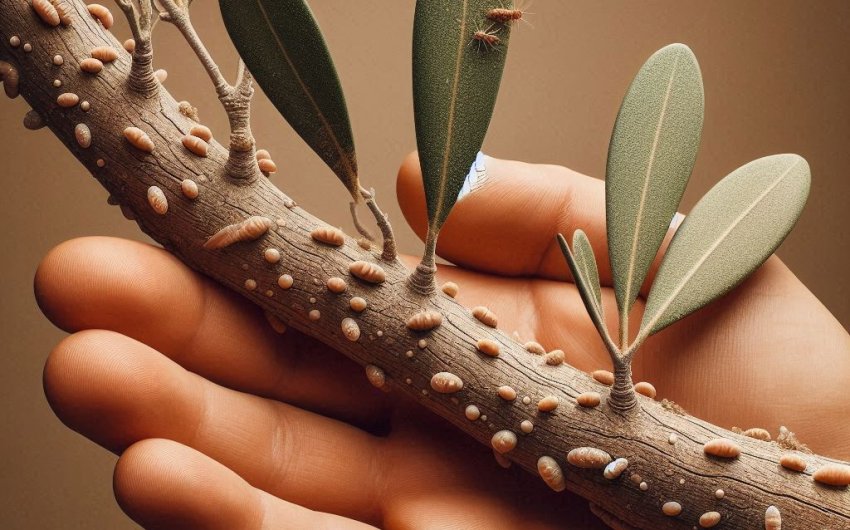
Scale insects are tiny, sap-sucking pests that attach themselves to stems and leaves, often resembling small bumps or shell-like growths. They can severely weaken your olive tree if left untreated, leading to yellowing leaves, stunted growth, and even dieback. Don't despair if you spot them! Learning how to treat scale on olive trees is a manageable process that combines physical removal, natural remedies, and sometimes, targeted pest control. This guide will walk you through identifying scale, understanding its damage, and providing effective treatment methods to restore your olive tree to its vibrant health.
What is Scale and Why is it Attacking My Olive Tree?
Understanding your enemy is the first step in winning the battle against scale.
What Do Scale Insects Look Like?
Scale insects are masters of camouflage. They don't look like typical insects (no visible legs or wings for adults).
- Appearance: They are often small, oval, or round bumps that can be brown, black, white, gray, or reddish, blending in with the plant stem or leaf. They can be soft and waxy (soft scale) or hard and protective (hard scale).
- Size: Ranging from pinpoint size to about 1/4 inch in diameter.
- Location: They typically attach themselves to the undersides of leaves, along stems, or in leaf axils (where the leaf meets the stem).
How Does Scale Damage My Olive Tree?
Scale insects are sap-sucking pests. They insert their mouthparts into the plant's tissues and draw out vital sap, weakening the tree.
- Yellowing Leaves: One of the most common signs. Leaves may turn yellow, sometimes with brown spots, due to nutrient depletion.
- Stunted Growth: The tree's overall growth slows down or stops.
- Leaf Drop: Severely infested leaves may curl, dry up, and fall off prematurely.
- Sooty Mold: Soft scale produces a sticky, sugary substance called honeydew. This honeydew then becomes a breeding ground for a black, powdery fungus called sooty mold. Sooty mold doesn't directly harm the plant, but it blocks sunlight, hindering photosynthesis, and looks unsightly.
- Dieback: In severe, untreated infestations, branches or even the entire tree can die.
Why Are Scale Insects So Difficult to Control?
Scale is notoriously persistent for a few reasons:
- Protective Shell: Adult scale insects develop a waxy or hard protective coating that makes them resistant to many traditional insecticides. Sprays often can't penetrate this shield.
- Hiding Spots: They often hide in crevices, under leaves, or in tight spots, making them hard to find and treat thoroughly.
- Life Cycle: Their life cycle includes a mobile "crawler" stage (tiny, vulnerable larvae) and an immobile adult stage. You need to target the vulnerable stage.
How to Treat Scale on Olive Trees: Step-by-Step Methods
Effective scale treatment usually involves a combination of manual removal and natural or chemical solutions. Consistency is key!
Step 1: Isolate and Inspect (Crucial First Step)
- Isolate (if potted): If your olive tree is in a pot (especially indoors), immediately move it away from other plants to prevent the scale from spreading.
- Thorough Inspection: Examine your olive tree very closely. Check every leaf (top and especially bottom), all stems, and branches. Look for the tiny bumps or discolored patches. Don't forget to look at the trunk as well. If you see sticky residue or black sooty mold, that's a strong indicator of scale.
Step 2: Manual Removal (The Most Important First Attack)
For any scale infestation, especially small to moderate ones, physical removal is the most effective first line of defense.
- Scraping/Wiping: Gently scrape off visible scale insects with your fingernail, an old toothbrush, a plastic knife, or a soft cloth. Be gentle to avoid damaging the tree.
- Alcohol Swab: Dip a cotton swab or a soft cloth in rubbing alcohol (isopropyl alcohol, 70%). Gently wipe off individual scale insects. The alcohol dissolves their waxy coating, killing them on contact. This is excellent for smaller infestations or individual branches. You can find isopropyl alcohol.
- Pruning (Severe Localized Infestations): For branches with very heavy, concentrated scale infestations that are difficult to treat manually, it's often best to prune them off entirely. Dispose of the pruned branches in a sealed bag in the trash, not your compost. Use clean, sharp pruning shears.
Step 3: Apply Horticultural Oil (Effective & Safe for Olive Trees)
Horticultural oil is a very effective and relatively safe method for treating scale, as it works by suffocating the insects.
- How it works: When sprayed on the plant, horticultural oil (also known as neem oil or dormant oil) coats the scale insects (especially the vulnerable crawler stage) and smothers them, blocking their breathing pores. It is generally non-toxic to beneficial insects once dry.
- Ingredients: Purchase a ready-to-use horticultural oil spray or concentrate. Neem oil is a popular choice that also has some insecticidal properties.
- Application:
- Follow product instructions carefully for dilution ratios.
- Spray your entire olive tree thoroughly, ensuring complete coverage – top and bottom of leaves, stems, and trunk. Total coverage is key because the oil only kills what it coats.
- Timing: Apply in the early morning or late evening, when temperatures are mild (between 45-85°F / 7-29°C), to avoid leaf burn. Do not apply in direct hot sun or if temperatures are expected to drop below freezing.
- Repeat: Scale has a life cycle. You'll need to repeat applications every 7-10 days for several weeks (usually 3-4 applications) to catch all the newly hatched crawlers.
- Caution: Some horticultural oils can remove the powdery "bloom" from certain plants; however, this is not an issue for olive trees.
Step 4: Insecticidal Soap (Gentle Approach for Soft Scale)
Insecticidal soap is a gentle, contact insecticide that can be effective, particularly against soft scale and their crawler stage.
- How it works: The fatty acids in the soap break down the insects' outer membranes, causing dehydration.
- Ingredients: Purchase a ready-to-use insecticidal soap spray or mix your own dilute solution (e.g., 1-2 teaspoons of gentle, non-detergent liquid soap per gallon of water – test on a small area first).
- Application:
- Spray the entire olive tree, ensuring thorough coverage of all infested areas.
- Timing: Apply in the early morning or late evening to prevent leaf burn.
- Repeat: Repeat applications every 7-10 days for several weeks to break the scale life cycle.
- Caution: Test any homemade soap solution on a small, inconspicuous area of the plant first to ensure it doesn't cause damage.
Step 5: Address Sooty Mold (Post-Scale Treatment)
Once the scale infestation is under control and no more honeydew is being produced, you can clean off the sooty mold.
- Cleaning: Gently wipe leaves with a damp cloth. For stubborn mold, a very dilute solution of dish soap and water can help. Rinse leaves thoroughly with plain water afterward.
Long-Term Prevention and Maintenance Tips for Olive Trees
Preventing scale outbreaks is always easier than treating them. A healthy olive tree is more resistant to pests.
1. Regular Inspection
- Vigilance: Make it a habit to regularly inspect your olive tree (and all your plants!) for signs of pests. Catching scale early, when numbers are low, makes treatment much easier.
- Check New Plants: Always inspect any new plants thoroughly before bringing them into your home or garden to avoid introducing pests.
2. Proper Watering and Drainage
- Avoid Overwatering: While olive trees need consistent water, especially when young or in containers, they do not like soggy roots. Ensure well-draining soil and pots with drainage holes. Overwatered plants are more stressed and susceptible to pests.
- Water Needs: Water deeply when the top few inches of soil are dry, and then allow it to dry out somewhat before the next watering.
3. Optimal Light and Air Circulation
- Sunlight: Olive trees love full sun (at least 6-8 hours daily). Ensure your tree gets adequate light, whether indoors or out.
- Airflow: Good air circulation around the plant helps reduce humidity and makes it less inviting for pests. Prune for good airflow if needed.
4. Balanced Fertilization
- Healthy Plants: A healthy, well-nourished olive tree is more resilient to pest attacks.
- Avoid Over-Fertilizing: Too much nitrogen can produce lush, soft growth that is particularly attractive to sap-sucking insects like scale. Use a balanced fertilizer appropriate for olive trees during the growing season.
5. Encourage Beneficial Insects (for Outdoor Olive Trees)
- Nature's Pest Control: Many natural predators feed on scale insects, including ladybugs, parasitic wasps, and lacewings.
- Chemical-Free Gardening: Avoid broad-spectrum insecticides that kill beneficial insects. Plant flowers that attract them to your garden. You can even purchase live ladybugs for outdoor release.
6. Cleanliness and Pruning
- Remove Debris: Keep the area around your olive tree clean and free of fallen leaves or debris.
- Prune Judiciously: Remove any dead, diseased, or heavily infested branches. Pruning to improve airflow also helps. Always sterilize your pruning shears between cuts, especially if you're removing diseased or pest-ridden parts.
By consistently applying these scale treatment methods and practicing good horticultural habits, you can protect your beautiful olive tree from these persistent pests and ensure it continues to thrive for many years to come.