
Why are my Monstera leaves turning yellow?
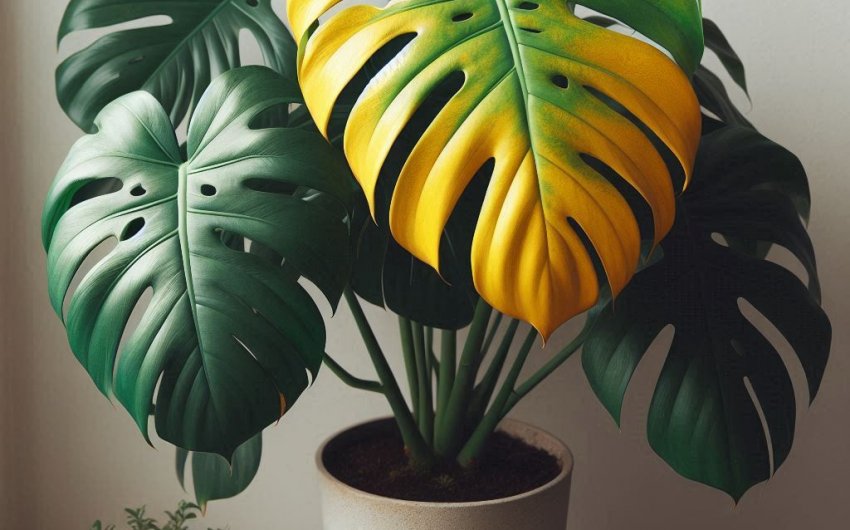
The majestic Monstera Deliciosa, with its iconic split leaves and tropical charm, is a favorite among plant enthusiasts. It brings a lush, vibrant touch to any indoor space. So, it can be quite alarming and disheartening when you notice your beautiful Monstera leaves turning yellow. Is it dying? Are you doing something wrong? Don't panic! Yellowing leaves are a common issue with many houseplants, and for Monsteras, it's usually a sign that something in its environment needs a tweak.
This guide will help you understand the most common reasons why your Monstera leaves are turning yellow. We'll break down the different clues your plant is giving you, from watering woes to light issues and nutrient deficiencies. By learning to "read" your plant's signals, you can quickly identify the problem and provide the right solution, bringing your Monstera back to its lush, green glory!
Understanding Yellowing Leaves on Your Monstera
Yellowing leaves, also known as chlorosis, occur when the leaf's chlorophyll (the green pigment) starts to break down. This can be caused by various factors, most of which are related to environmental stress. The key is to look at which leaves are yellowing, how they are yellowing, and what other symptoms the plant might be showing.
Is Yellowing Always a Bad Sign?
Not necessarily! A little bit of yellowing can be completely normal.
- Old Leaves: It's natural for older, lower leaves to yellow and eventually drop off as the plant puts energy into new growth. This is a slow, gradual process affecting just one or two bottom leaves at a time.
- Acclimation: When you bring a new Monstera home, it might shed a few leaves as it adjusts to its new environment.
However, if multiple leaves are yellowing rapidly, or if the yellowing is affecting new growth or leaves all over the plant, then it's time to investigate.
What are the Different Patterns of Yellowing?
The pattern of yellowing can give you clues:
- Entire Leaf Turning Yellow: Often points to watering issues (too much or too little), or general stress.
- Yellowing with Brown Spots/Crispy Edges: Usually a sign of underwatering or low humidity.
- Yellowing Between Veins (Green Veins, Yellow Blade): This often indicates a nutrient deficiency, particularly iron or magnesium.
- Yellowing on New Growth: Can signal a nutrient deficiency or sometimes overwatering in very severe cases.
Common Reasons Why Your Monstera Leaves Are Turning Yellow
Let's dive into the most frequent culprits behind yellowing Monstera leaves and how to fix them.
1. Overwatering (The Most Common Culprit!)
Monsteras do not like to sit in soggy soil. Overwatering is the #1 reason for yellowing leaves and can quickly lead to root rot.
- Symptoms:
- Yellowing of lower leaves (older leaves) first.
- Leaves may also turn mushy, develop black spots, or feel limp/soggy.
- Soil stays wet for a long time after watering.
- Foul smell from the soil (sign of root rot).
- Why it happens: Too much water suffocates the roots, preventing them from taking up oxygen and nutrients, leading to plant stress and root decay.
- Solution:
- Check Soil Moisture: Always stick your finger 2-3 inches deep into the soil. Only water when the top few inches feel dry. A moisture meter can also be very helpful.
- Improve Drainage: Ensure your pot has drainage holes, and empty any standing water from the saucer immediately. Consider repotting into a chunkier, well-draining potting mix for aroids (mix with perlite, orchid bark, or coco coir).
- Adjust Watering Schedule: Reduce frequency, especially in winter when the plant needs less water.
2. Underwatering (Dehydration Stress)
While less common than overwatering for Monsteras, underwatering can also lead to yellowing leaves if prolonged.
- Symptoms:
- Leaves turn yellow, often starting from the bottom, but may also become crispy or develop brown edges.
- Leaves might droop, curl, or feel brittle.
- Soil is bone dry, pulling away from the sides of the pot.
- Why it happens: The plant isn't getting enough moisture to transport nutrients, leading to dehydration and stress.
- Solution:
- Water Thoroughly: When you do water, soak the soil completely until water drains out the bottom.
- Adjust Schedule: Increase watering frequency, especially during warmer months or if your home is very dry.
- Check Soil Regularly: Don't wait for leaves to droop. Water when the top few inches are dry.
3. Insufficient Light (Not Enough Sunshine)
Monsteras need bright, indirect light to thrive. Too little light can cause problems.
- Symptoms:
- General yellowing, often slower, sometimes affecting leaves all over the plant.
- Lack of new growth, or new leaves are smaller and don't develop fenestrations (splits).
- Stems might become leggy and stretched.
- Why it happens: Plants need light for photosynthesis. Without enough, they can't produce enough energy, leading to nutrient deficiencies and weakened growth.
- Solution:
- Move to Brighter Spot: Relocate your Monstera to a spot with bright, indirect light. An east-facing window is often perfect, or a few feet away from a south or west-facing window.
- Supplemental Lighting: If natural light is limited, consider using an LED grow light during darker months or if your chosen spot is naturally dim.
4. Nutrient Deficiency (Hungry Plant!)
While Monsteras aren't heavy feeders, they do need nutrients. Yellowing, especially with specific patterns, can signal a deficiency.
- Symptoms:
- General Yellowing (Older Leaves): Often a sign of nitrogen deficiency.
- Yellowing Between Veins (New Growth, Green Veins): Common sign of iron or manganese deficiency.
- Yellowing Between Veins (Older Leaves, Green Veins): Can indicate magnesium deficiency.
- Why it happens: Lack of essential nutrients prevents the plant from producing chlorophyll or maintaining healthy cell function.
- Solution:
- Fertilize Regularly: During the growing season (spring and summer), feed your Monstera with a balanced liquid houseplant fertilizer at half strength, usually every 2-4 weeks.
- Check pH: Extreme soil pH can lock up nutrients. If you suspect this, a soil pH test kit for houseplants can help. Most Monsteras prefer slightly acidic to neutral soil (pH 6.0-7.0).
- Repotting: If your plant hasn't been repotted in a long time (2+ years), the soil may be depleted. Repotting into fresh potting mix can provide a new nutrient boost.
5. Pest Infestation (Sucking the Life Out of It!)
Pests can damage leaves, leading to yellowing.
- Symptoms:
- Irregular yellow spots, stippling, or mottled yellowing.
- Tiny webs (spider mites), sticky residue (honeydew from aphids/mealybugs), white cottony masses (mealybugs), or tiny black specks (thrips).
- Visible pests on the underside of leaves or in leaf axils.
- Common Pests: Spider mites, mealybugs, aphids, and thrips.
- Solution:
- Inspect Thoroughly: Check both sides of leaves, stems, and leaf axils regularly.
- Isolate: Immediately separate an infested plant from others to prevent spreading.
- Treatment:
- Wipe leaves with a damp cloth or cotton swab dipped in rubbing alcohol.
- Spray with insecticidal soap or a dilute neem oil solution.
- Repeat treatment regularly as per product instructions until pests are gone.
6. Root Bound (Cramped Roots)
When a Monstera outgrows its pot, its roots can become too dense.
- Symptoms:
- Yellowing leaves (often older ones).
- Water runs straight through the pot quickly without soaking in.
- Roots are visible at the bottom drainage holes or circling tightly at the top of the soil.
- Stunted growth.
- Why it happens: The roots have no room to expand, struggle to absorb water and nutrients efficiently, and can become stressed.
- Solution:
- Repot: Carefully remove the plant from its pot. If roots are circling densely, gently loosen them. Repot into a pot that is only 1-2 inches larger in diameter than the old one, using fresh, well-draining potting mix.
7. Temperature Extremes or Drafts
Monsteras prefer stable, warm temperatures.
- Symptoms:
- Sudden yellowing, sometimes accompanied by drooping or browning edges.
- Stress signs typically appear after a rapid temperature change.
- Why it happens: Cold drafts, proximity to cold windows in winter, or placement near hot heating vents can shock the plant and cause stress.
- Solution:
- Stable Environment: Keep your Monstera in a room with consistent temperatures, ideally between 65-80°F (18-27°C).
- Avoid Drafts: Move plants away from open windows, external doors, or air conditioning/heating vents.
8. Low Humidity (Dry Air)
While not always a direct cause of entire yellowing leaves, low humidity can stress Monsteras, especially those in very dry indoor environments.
- Symptoms:
- Brown, crispy leaf edges or tips, sometimes leading to overall yellowing as stress increases.
- Lack of fenestrations in new leaves.
- Why it happens: Monsteras are tropical plants and prefer higher humidity. Dry air causes moisture to evaporate too quickly from their leaves.
- Solution:
- Increase Humidity:
- Use a plant humidifier nearby.
- Group plants together to create a microclimate.
- Place the pot on a pebble tray (fill a saucer with pebbles and water, ensuring the pot doesn't sit directly in the water).
- Avoid Misting: Misting leaves often does little to raise ambient humidity and can encourage fungal issues.
- Increase Humidity:
9. Poor Quality Water
The type of water you use can sometimes contribute to yellowing.
- Symptoms:
- General yellowing or brown spots.
- White crust buildup on the soil surface or pot.
- Why it happens: Tap water can contain chlorine, chloramines, or excessive mineral salts (hard water) which can build up in the soil and stress the plant.
- Solution:
- Filter Water: Use filtered water or leave tap water out for 24 hours to allow chlorine to dissipate.
- Rainwater: Collect rainwater for a natural, soft water source.
- Flush Soil: Periodically "flush" your plant's soil by watering thoroughly with plain, clean water until a large amount drains out. This helps wash away mineral buildup.
Quick Checklist for Yellowing Monstera Leaves
When you see yellowing, run through this quick checklist:
- Watering: Is the soil too wet or too dry? (Most common!)
- Light: Is it getting enough bright, indirect light?
- Pests: Inspect leaves (top and bottom) and stems for tiny critters.
- Nutrients: When was it last fertilized/repotting? Is it getting enough?
- Pot Size: Is it root-bound? (Check roots at drainage holes).
- Environment: Any sudden temperature changes or drafts? Is the humidity very low?
By systematically going through these potential causes, you'll likely pinpoint why your Monstera leaves are turning yellow and be able to give your beautiful plant exactly what it needs to thrive again!