
Green Oasis, Less Stress: Houseplant Care for Busy Professionals
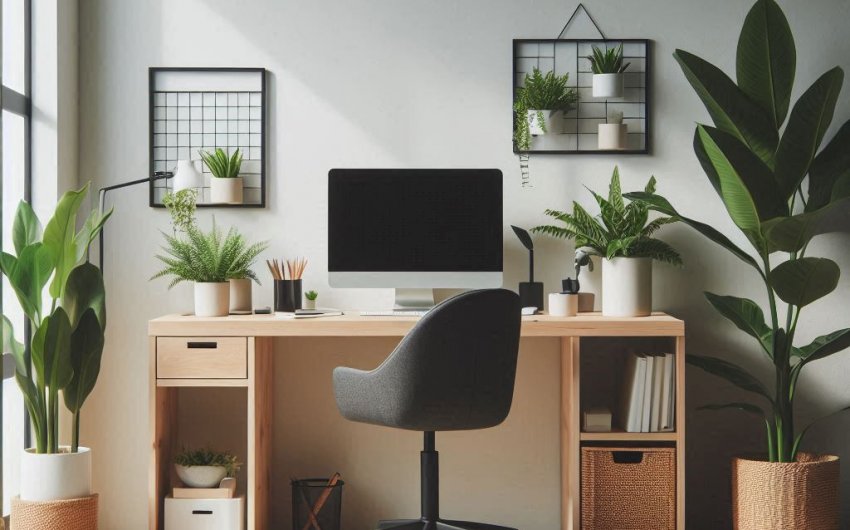
Let's face it: life as a busy professional is demanding. Long hours, tight deadlines, and a packed schedule often leave little room for much else. But what if there was a way to add a touch of nature, reduce stress, and improve your living space without adding another burden to your already full plate? Enter houseplants! This guide on houseplant care for busy professionals is designed just for you. You don't need a green thumb or hours of free time; you just need to choose the right plants and learn a few clever tricks. Get ready to transform your home into a calm, green sanctuary, even with your hectic schedule!
Why Houseplants Are Perfect for Professionals
You might be thinking, "Another thing to take care of? No thanks!" But houseplants offer some surprising benefits that make them worth the minimal effort:
- Stress Reduction: Studies show that interacting with nature, even indoors, can lower stress levels and improve mood. A leafy companion can be a calming presence after a long day.
- Air Purification: Many houseplants naturally filter toxins from the air, creating a healthier environment for you. Think of them as living air purifiers!
- Boosted Productivity and Creativity: Having plants in your workspace (even if it's your home office) has been linked to increased focus and creative thinking.
- Aesthetic Appeal: Let's be honest, they look great! Plants add life, color, and texture, making your living space feel more inviting and stylish.
- Low Commitment, Big Reward: The key is choosing the right plants. There are many varieties that thrive on neglect, making them ideal for someone with a busy lifestyle.
Choosing Your Green Companions: Low-Maintenance Superstars
This is the most important step for successful houseplant care for busy professionals: pick plants that are known for being forgiving and tough. Forget the fussy ones that need constant attention! Here are some top contenders for your busy life:
Snake Plant (Sansevieria trifasciata)
- Why it's great: This plant is practically indestructible. It tolerates low light, infrequent watering, and a wide range of temperatures. You can forget to water it for weeks, and it will still look fantastic.
- Care Level: Extremely low.
- Looks: Striking, upright leaves that add a modern touch.
ZZ Plant (Zamioculcas zamiifolia)
- Why it's great: Another champion of neglect! The ZZ plant thrives on minimal light and very little water. It stores water in its thick rhizomes (underground stems), making it incredibly drought-tolerant.
- Care Level: Extremely low.
- Looks: Glossy, dark green leaves that grow in an attractive upright pattern.
Pothos (Epipremnum aureum)
- Why it's great: The Pothos is one of the easiest plants to care for, tolerant of various light conditions, and forgiving if you forget to water. Its trailing vines make it perfect for shelves or hanging baskets.
- Care Level: Low.
- Looks: Heart-shaped leaves, often variegated with yellow or white. Comes in many varieties like Golden Pothos or Marble Queen Pothos.
Spider Plant (Chlorophytum comosum)
- Why it's great: These cheerful plants are super easy to care for and produce "spiderettes" (baby plants) that dangle, making them fun to propagate and share. They tolerate neglect well.
- Care Level: Low.
- Looks: Long, arching leaves, usually variegated with green and white stripes.
Cast Iron Plant (Aspidistra elatior)
- Why it's great: As its name suggests, this plant is tough as nails! It can handle very low light, dry air, and inconsistent watering. Perfect for a dim corner.
- Care Level: Extremely low.
- Looks: Large, dark green, glossy leaves that emerge directly from the soil.
Succulents and Cacti
- Why they're great: These are famous for needing very little water, thriving on bright light and dry conditions.
- Care Level: Low (but need bright light!).
- Looks: Come in an incredible variety of shapes, sizes, and textures.
The Essentials of Care (The Easy Version)
Even low-maintenance plants need some attention. But for houseplant care for busy professionals, we're going to simplify it!
1. Light: The Most Important Factor
Plants use light to make their food. The right amount of light is crucial, but "low light" doesn't mean "no light."
- Bright, Indirect Light: This is ideal for most houseplants. It means near a window that gets good light but isn't blasted by direct sun all day (like a north or east-facing window, or a few feet back from a south/west window).
- Low Light Tolerant: Plants like Snake Plants, ZZ Plants, and Cast Iron Plants can handle dimmer spots, but they'll still be happier with more light if you can provide it. Just avoid direct, scorching sun.
- Direct Sun: Succulents and cacti love this. Most other houseplants will get sunburned by intense, direct afternoon sun.
Busy Pro Tip: Observe your plants. If leaves are turning yellow or brown on the edges, it might be too much sun. If new growth is spindly and pale, it needs more light.
2. Watering: The Biggest Pitfall (and How to Avoid It)
Overwatering is the #1 killer of houseplants. It leads to root rot. Underwatering is usually less critical; a thirsty plant will show signs (drooping) and usually bounces back quickly.
- The Finger Test: This is your best friend. Stick your finger about 1-2 inches into the soil.
- If it feels dry: Time to water!
- If it feels moist: Wait a few more days and check again.
- Water Thoroughly: When you do water, pour slowly and evenly until water drains out of the bottom of the pot. This ensures the entire root ball gets hydrated.
- Dump Excess Water: Never let your plant sit in standing water in its saucer. This is crucial for preventing root rot. Empty the saucer after about 15-30 minutes.
- Seasonality: Plants generally need less water in winter when days are shorter and growth slows. They'll need more in spring/summer during active growth.
Busy Pro Tip: Set a reminder on your phone once a week to check your plants. Don't water every week. Just check. You'll likely water some, and others you'll leave alone. Consider a self-watering planter or watering globe for truly low-fuss options.
3. Potting Mix & Drainage: The Foundation of Health
Using the right soil and ensuring drainage is vital.
- Potting Mix, Not Garden Soil: Garden soil is too dense for pots and can compact, leading to poor drainage and suffocated roots. Use a good quality indoor potting mix that is light and airy.
- Drainage Holes: We said it before, but it bears repeating! Every pot MUST have drainage holes. If your decorative pot doesn't have them, plant in a plastic nursery pot with holes and then slip it inside the decorative one.
Busy Pro Tip: When you buy a new plant, check if it's root-bound (roots circling the bottom of the pot). If so, repot it into a pot that's only 1-2 inches larger. Repotting is usually only needed every 1-2 years.
4. Humidity & Temperature: Keep it Comfy
Most houseplants prefer typical indoor temperatures, generally between 65-75°F (18-24°C). Avoid extreme fluctuations.
- Humidity: Indoor air, especially in winter with heating, can be very dry. While most low-maintenance plants tolerate average humidity, some (like Pothos) appreciate a bit more.
- Pebble Tray: A simple way to boost humidity is to place your plant on a tray filled with pebbles and a shallow layer of water. Make sure the bottom of the pot doesn't sit in the water.
- Grouping Plants: Plants release moisture, so grouping them together can create a mini-humid microclimate.
Busy Pro Tip: Don't place plants directly in front of heating or cooling vents, as the blast of air can dry them out very quickly.
5. Feeding: A Little Boost (Not Always Necessary)
Most low-maintenance plants don't need a lot of fertilizer. Over-fertilizing can harm your plant.
- When to Fertilize: Only fertilize during the plant's active growing season (spring and summer). Reduce or stop entirely in fall and winter.
- Type of Fertilizer: Use a balanced liquid houseplant fertilizer and dilute it to half or even quarter strength.
- Frequency: For busy pros, once a month or even every other month during the growing season is often enough.
Busy Pro Tip: When in doubt, under-fertilize. Your plant will usually be fine.
6. Pruning & Cleaning: Quick Tidy-Ups
Pruning isn't just about shaping; it helps your plant stay healthy and encourages new growth.
- Remove Dead/Yellowing Leaves: Use clean scissors to snip off any yellow, brown, or dead leaves. This directs the plant's energy to healthy growth.
- Dusting: Leaves collect dust, which can block light and hinder photosynthesis. Gently wipe down large leaves with a damp cloth every few weeks. For smaller leaves, a quick rinse in the shower works!
Busy Pro Tip: Incorporate these tasks into your weekly check-in. It takes seconds per plant.
Smart Strategies for the Time-Strapped Professional
Beyond choosing the right plants and understanding basic care, there are specific strategies to make houseplant care for busy professionals truly effortless.
Batch Your Plant Tasks
Instead of watering one plant here and dusting another there, set aside 15-30 minutes once a week (or every other week) for all your plant chores. This makes it feel less like a chore and more like a dedicated self-care moment.
Invest in Quality Tools (They Save Time)
- Long-Spouted Watering Can: A long-spout watering can makes it easy to direct water precisely without making a mess, especially for plants on shelves.
- Moisture Meter: If you're unsure about the finger test, a plant moisture meter takes the guesswork out of watering, giving you a clear reading of soil moisture.
- Bypass Pruners: Small, sharp hand pruners for plants make quick work of snipping off dead leaves or pruning unruly growth.
Self-Watering Solutions
For the ultimate hands-off approach, explore self-watering options:
- Self-Watering Pots: These pots have a reservoir at the bottom that wicks water up to the soil as needed. They are excellent for consistent moisture. You can find self-watering planters for indoor plants in various styles.
- Watering Wicks/Cords: You can create your own self-watering system by running a wicking cord from a water reservoir into your plant's soil.
- Terracotta Spikes/Globes: These are terracotta stakes that you fill with water and stick into the soil. They slowly release water over several days. A set of plant watering spikes can be a lifesaver for travel or busy weeks.
Automated Grow Lights (If Needed)
If your home lacks natural light, a grow light with a built-in timer can provide consistent light without you having to remember to turn it on and off. A smart plug for grow lights can also automate any grow light.
Embrace "Set It and Forget It" Mentality
Once your low-maintenance plants are established in the right spot with proper drainage, they really don't need much. Resist the urge to constantly fuss with them. They thrive on consistency, not constant intervention. Over-caring is almost as bad as under-caring for some plants!
Problem Solving for the Practical Professional
Even with the best planning, a plant might show signs of distress. Here's a quick guide to common issues and their solutions for your houseplant care for busy professionals:
Yellow Leaves
- Most Common Cause: Overwatering. The roots are suffocating.
- Solution: Let the soil dry out thoroughly before watering again. Ensure proper drainage.
- Other Causes: Underwatering (leaves may also be crispy), nutrient deficiency (less common for low-maintenance plants, but consider a very dilute fertilizer if other causes are ruled out), or natural aging (if only a few lower leaves).
Brown/Crispy Leaf Tips or Edges
- Most Common Cause: Low humidity or underwatering.
- Solution: Increase humidity (pebble tray, group plants) and ensure you're watering thoroughly when the soil is dry.
Drooping Leaves
- Most Common Cause: Underwatering (plant is thirsty!) or sometimes overwatering (roots are dying, so they can't take up water).
- Solution: Check soil moisture. If dry, water. If soggy, let it dry out quickly.
Pests
Tiny insects like fungus gnats (small flies hovering around soil) or spider mites (fine webbing, tiny dots on leaves) can sometimes appear.
- Fungus Gnats: Often indicate overwatering. Let soil dry out more between waterings. Yellow sticky traps can also help catch adults.
- Spider Mites/Aphids: For mild cases, wipe leaves with a damp cloth or spray with a strong stream of water. For persistent issues, use an organic insecticidal soap or neem oil spray.
Busy Pro Tip: Healthy plants are more resistant to pests. Focus on consistent basic care.
Incorporating Plants into Your Professional Space
You don't need a sprawling indoor jungle. Even one or two well-placed plants can make a difference.
- Desk Plant: A small Snake Plant or ZZ Plant is perfect for your home office desk. They’re great at purifying the air and add a calming presence during intense work sessions.
- Living Room Statement: A larger Pothos trailing from a bookshelf or a tall Snake Plant in a corner can make a striking impact with minimal fuss.
- Bedroom Oasis: Plants in the bedroom can improve air quality and create a tranquil atmosphere for better sleep. Spider Plants are excellent for this.
Remember, the goal is to enhance your life, not add more stress. By choosing easy-care plants and adopting smart care strategies, houseplant care for busy professionals becomes a source of calm and beauty, easily integrated into your demanding schedule. Enjoy your new green companions!