
Natural Pest Control: Eco-Friendly Solutions for Gardens
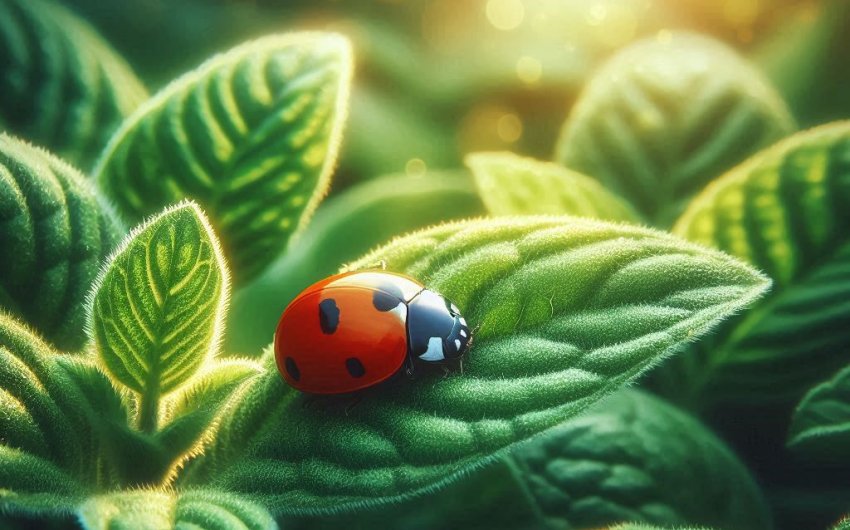
Cultivating a thriving vegetable garden often comes with the inevitable challenge of managing unwelcome visitors – garden pests. While the immediate impulse might be to reach for synthetic sprays, a more sustainable and ultimately more effective approach lies in embracing natural pest control. This method focuses on creating a balanced ecosystem where your plants are strong and resilient, and natural predators keep pest populations in check. It's about working with nature, rather than against it, to protect your precious harvest. By understanding common garden pests, attracting beneficial insects, and implementing simple cultural practices, you can significantly reduce pest damage without resorting to harmful chemicals. This comprehensive guide will delve into various techniques for natural pest control in vegetable gardens, empowering you to grow healthier, safer produce for your family while nurturing a vibrant, living garden environment.
Why choose natural pest control over chemical pesticides?
Opting for natural pest control methods in your vegetable garden isn't just an eco-friendly choice; it's a strategic one that offers numerous benefits for your plants, the soil, beneficial organisms, and ultimately, your family's health.
What are the dangers of chemical pesticides?
Chemical pesticides offer a quick fix, but they come with a host of downsides.
- Harm to beneficial insects: Many pesticides are broad-spectrum, meaning they kill indiscriminately. This includes beneficial insects like ladybugs, lacewings, and hoverflies, which are natural predators of common garden pests. Killing off these "good guys" can lead to a resurgence of pest problems, as there's nothing left to keep them in check. This is often called the "pesticide treadmill," where you become reliant on continuous spraying.
- Environmental impact: Pesticides can leach into the soil, contaminating groundwater and nearby waterways. They can harm aquatic life, birds, and other wildlife that come into contact with treated areas.
- Health concerns: Residues from synthetic pesticides can remain on your fruits and vegetables, potentially posing health risks to those who consume them. Gardeners applying these chemicals can also be exposed through skin contact or inhalation.
- Resistance: Pests can develop resistance to chemical pesticides over time, requiring stronger or different chemicals, perpetuating the problem.
How do natural pest control methods benefit the garden ecosystem?
Natural pest control methods work by promoting a healthy, balanced garden ecosystem.
- Support beneficial insects: By avoiding harmful chemicals, you create a safe haven for natural predators and pollinators. These beneficial insects become your allies, doing the work of keeping pests at bay for you.
- Improve soil health: Many natural methods, like using compost and promoting microbial life, contribute to robust soil. Healthy soil grows healthy, resilient plants that are naturally more resistant to pests and diseases.
- Safe for edibles: When you're growing food, you want it to be as safe and healthy as possible. Natural methods mean you don't have to worry about chemical residues on your fruits and vegetables.
- Long-term sustainability: These methods build a resilient garden that becomes less dependent on external inputs over time, creating a more sustainable and low-maintenance growing environment.
Are natural methods effective against common garden pests?
Absolutely! While they may require more observation and a different mindset than simply spraying, natural pest control methods are highly effective against most common garden pests. The key is often prevention and early intervention. By understanding a pest's life cycle and employing a combination of strategies, you can manage populations successfully. For instance, attracting ladybugs to your garden can be far more effective in controlling aphids than chemical sprays, and their beneficial impact lasts longer.
How can you attract beneficial insects to your vegetable garden?
One of the most powerful natural pest control strategies is to invite beneficial insects into your garden. These helpful creatures are natural predators of common garden pests, doing the hard work for you.
What plants attract ladybugs and lacewings?
Ladybugs are voracious eaters of aphids, spider mites, and other soft-bodied pests, while lacewing larvae are also excellent aphid predators. To attract them, plant flowers with easily accessible nectar and pollen, as these adult insects feed on pollen and also need a place to lay their eggs.
- Dill: The flat, umbrella-like flower heads of dill are a favorite of many beneficial insects, including ladybugs and lacewings.
- Fennel: Similar to dill, fennel provides an inviting landing pad and food source.
- Cilantro (flowering): Allow some of your cilantro to go to seed (bolt), and its small flowers will attract a variety of beneficials.
- Yarrow: A hardy perennial with flat-topped flower clusters that are very attractive to beneficials. Consider planting yarrow seeds in an out-of-the-way spot.
- Cosmos: The open, daisy-like flowers of cosmos provide nectar and pollen.
- Sweet Alyssum: This low-growing annual forms a dense carpet of tiny, fragrant flowers that attract hoverflies and parasitic wasps (both beneficials).
- Calendula: A cheerful flower that attracts beneficial insects and is said to deter some pests. You can plant calendula seeds around your veggie patch.
Planting a diversity of these flowers throughout your vegetable garden will create a welcoming habitat for beneficial insects.
What plants attract hoverflies and parasitic wasps?
Hoverflies (their larvae eat aphids) and tiny parasitic wasps (which lay eggs inside pests like aphids, cabbage worms, and hornworms) are invaluable allies. They are attracted to similar flat-topped or umbrella-shaped flowers as ladybugs.
- Carrots (flowering): If you let a few carrot plants go to flower in their second year, their umbrella-like flower heads are excellent attractors.
- Parsley (flowering): Like cilantro and dill, flowering parsley is a magnet.
- Buckwheat: A cover crop that, when allowed to flower, is incredibly attractive to hoverflies. Consider planting buckwheat seeds in unused garden areas.
- Umbrella-shaped flowers: Generally, any plants from the carrot family (Apiaceae) with their characteristic flat, compound flower heads are highly attractive to these beneficials.
How can you provide habitat for beneficial insects?
Beyond just providing food, offering shelter and water can encourage beneficial insects to stay in your vegetable garden.
- Diverse planting: A mix of flowering plants, herbs, and vegetables creates a varied environment.
- Native plants: Incorporate some native plants into your garden or nearby borders; they are often excellent at attracting local beneficial insects.
- Leave some "wild" areas: A small patch of undisturbed grass or a log pile can offer shelter.
- Shallow water source: A bird bath or a shallow dish with pebbles (so insects don't drown) can be a water source.
- Insect hotels: You can buy or build insect hotels that provide nesting sites for solitary bees and other beneficials.
Remember, patience is key. It takes time for a balanced ecosystem to establish itself. Avoid using any pesticides, even "organic" ones, indiscriminately, as they can still harm beneficials.
What are effective cultural practices for pest prevention?
The best natural pest control starts with prevention. By implementing smart cultural practices in your vegetable garden, you can create an environment that discourages pests from settling in and helps your plants stay healthy and resilient.
How does crop rotation help with pest control?
Crop rotation is a fundamental practice in organic gardening for pest and disease prevention. It involves changing the location of different plant families in your garden beds each season.
- How it works: Many pests and diseases are specific to certain plant families (e.g., Colorado potato beetles love potatoes and tomatoes). If you plant the same crop in the same spot year after year, these pests and their eggs or spores can accumulate in the soil. By moving plants to a new location, you disrupt the pest's life cycle and prevent them from building up in one area.
- Practical tips: Divide your garden into sections and rotate plant families (e.g., brassicas, legumes, solanaceae, root vegetables) through those sections over a 3-4 year cycle. Keep a simple garden journal to track your rotations.
What role does garden hygiene play in pest management?
Garden hygiene, or sanitation, is crucial for preventing pest and disease outbreaks.
- Remove plant debris: Promptly remove any diseased or heavily infested plant parts and dispose of them (don't compost diseased material). Fallen leaves or old fruit can harbor pests or fungal spores.
- Weed control: Weeds compete with your vegetable plants for nutrients and water, stressing them and making them more susceptible to pests. Some weeds can also act as host plants for pests. Regularly pull or hoe weeds.
- Clean tools: Sterilize your gardening tools (pruners, shovels) with rubbing alcohol, especially after working with diseased plants, to avoid spreading pathogens.
- Clean up at season's end: At the end of the growing season, remove all dead plant material, old stakes, and any lingering debris. This eliminates overwintering sites for pests and diseases.
How does healthy soil promote pest resistance?
Healthy soil is the foundation of a healthy garden, and it directly contributes to pest resistance. Plants growing in rich, living soil with balanced nutrients are simply stronger and more capable of warding off pest attacks.
- Robust root systems: Healthy soil provides good aeration and structure, allowing roots to grow deep and wide, enabling the plant to absorb water and nutrients efficiently.
- Balanced nutrition: Soil rich in organic matter and teeming with microbial life provides a steady supply of balanced nutrients, which strengthens plant cell walls and overall immunity. Pests often target stressed or nutrient-deficient plants.
- Beneficial microbes: A thriving soil microbiome contains fungi and bacteria that can help plants absorb nutrients, suppress disease-causing organisms, and even directly deter some soil-borne pests.
- How to achieve: Regularly amend your soil with compost, use organic fertilizers, and avoid compaction.
What is companion planting for pest control?
Companion planting involves growing certain plants near each other to benefit one or both. For pest control, some plants can deter pests, attract beneficials, or even mask the scent of susceptible crops.
- Marigolds: French marigolds (Tagetes patula) are famous for deterring nematodes (microscopic worms that attack roots) and some other pests when planted near susceptible vegetables. You can buy marigold seeds easily.
- Nasturtiums: These are often used as a "trap crop" for aphids, drawing them away from your vegetable plants. They are also edible and beautiful. Plant nasturtium seeds around your garden perimeter.
- Herbs: Many strong-smelling herbs, like basil (deters tomato hornworms, flies), rosemary (deters bean beetles, carrot rust fly), and mint (deters ants, slugs, cabbage moths), can confuse pests and protect nearby plants. Keep mint in pots as it spreads aggressively. You can plant basil seeds near your tomatoes.
- Alliums: Onions, garlic, and chives can deter aphids, slugs, and carrot rust flies. Plant garlic bulbs for planting among susceptible crops.
How does proper watering affect pest resistance?
Consistent and proper watering is essential for plant health and, therefore, pest resistance. Stressed plants are more attractive to pests.
- Avoid drought stress: Underwatering weakens plants, making them vulnerable to spider mites and other pests that thrive on stressed vegetation.
- Avoid overwatering: Overwatering can lead to root rot and fungal issues, making plants susceptible to diseases and certain pests like fungus gnats.
- Water at the base: Water deeply and at the base of the plant to avoid wetting foliage, which can promote fungal diseases that stress plants. Using a soaker hose or drip irrigation is ideal.
What are mechanical and physical pest control methods?
When prevention isn't enough, mechanical and physical pest control methods offer direct, non-toxic solutions to remove or deter pests from your vegetable garden. These methods don't introduce any chemicals to your plants or soil.
How do you handpick garden pests?
Handpicking is the simplest and most direct natural pest control method. It's surprisingly effective for larger, more visible pests.
- Method: Simply walk through your garden daily (especially in the early morning or evening) and inspect your plants. When you see pests like tomato hornworms, squash bugs, Japanese beetles, or slugs, pick them off by hand.
- Disposal: Drop them into a bucket of soapy water, which will kill them.
- Effectiveness: Best for smaller infestations or larger pests. Regular handpicking can keep populations manageable and prevent them from laying more eggs.
What are row covers and how do they work?
Floating row covers are lightweight, permeable fabrics that act as a physical barrier to prevent pests from reaching your plants.
- How they work: You drape the row cover fabric directly over your plants or support it with hoops, securing the edges with soil or rocks to prevent pests from crawling underneath. It allows sunlight and water to penetrate but keeps out cabbage worms, squash vine borers, flea beetles, and other flying insects.
- Timing: Apply them immediately after planting.
- Considerations: Remove them when plants start to flower if you need insect pollination (e.g., squash, cucumbers, tomatoes) or hand-pollinate. They also protect against light frost.
How effective are sticky traps for garden pests?
Sticky traps are bright yellow (or sometimes blue) sticky cards that attract and trap flying insect pests like whiteflies, fungus gnats, aphids, and thrips.
- How they work: The bright color lures the insects, and they get stuck on the adhesive surface.
- Usage: Hang yellow sticky traps near affected plants. They are excellent for monitoring pest populations and catching adult insects before they lay eggs.
- Limitations: They don't usually eliminate a large infestation but are great for early detection and reducing numbers. Be careful not to accidentally trap beneficial insects.
Can you use water sprays to control pests?
A strong blast of water from a garden hose can be surprisingly effective for dislodging soft-bodied pests like aphids and spider mites.
- Method: Spray the affected plants vigorously, especially the undersides of leaves where pests often hide.
- Timing: Do this in the morning so the foliage has time to dry, reducing the risk of fungal diseases.
- Frequency: Repeat every few days until the pest population is under control.
How do barriers and fences deter larger pests?
For larger garden nuisances, physical barriers and fences are effective natural pest control methods.
- Fencing: A sturdy garden fence can keep out rabbits, deer, and other larger animals. Bury the bottom few inches of the fence underground to deter burrowing animals.
- Collars: For cutworms (which cut young seedlings at the soil line), make collars out of toilet paper rolls, plastic bottles, or cardboard and place them around the base of young plants, extending an inch or two into the soil.
- Copper tape or diatomaceous earth: For slugs and snails, a barrier of copper tape around raised beds or pots can deter them, or sprinkle a ring of diatomaceous earth (food grade) around plants (reapply after rain).
What are organic sprays and biological controls?
When cultural practices and physical barriers aren't quite enough, organic sprays and biological controls offer targeted, less harmful options for natural pest control in your vegetable garden. These are generally a last resort before resorting to more drastic measures.
When should you use organic insecticidal soap?
Organic insecticidal soap is effective against soft-bodied insects like aphids, whiteflies, mealybugs, and spider mites. It works by disrupting the insect's outer layer, causing dehydration.
- How to use: Dilute a concentrated insecticidal soap according to package directions and spray it thoroughly on the affected plants, ensuring coverage of both the top and undersides of leaves. The soap must come into direct contact with the pest to be effective.
- Timing: Apply in the early morning or evening to avoid spraying in direct sun, which can cause leaf burn.
- Repeat applications: You'll likely need to reapply every 5-7 days until the pest population is under control.
- Caution: Even though it's organic, insecticidal soap can still harm beneficial insects if sprayed directly. Use it only where needed.
How does neem oil work for pest control?
Neem oil is a powerful, broad-spectrum organic pesticide derived from the neem tree. It works in multiple ways: as an antifeedant (pests stop eating), a repellent, and an insect growth regulator (disrupting pest life cycles). It's effective against a wide range of pests, including aphids, whiteflies, spider mites, thrips, and even some chewing insects.
- How to use: Mix neem oil concentrate with water and a small amount of mild liquid soap (as an emulsifier) according to package directions. Spray thoroughly, covering all plant surfaces, including undersides of leaves.
- Timing: Apply in the early morning or late evening when beneficial insects are less active and the sun is not intense.
- Repeat applications: Apply every 7-14 days as needed.
- Caution: While safer than synthetic pesticides, neem oil can still affect some beneficials if sprayed directly. It's generally safer once dried. Avoid using it during flowering if you rely on pollinators.
What are beneficial nematodes and how do you use them?
Beneficial nematodes are microscopic roundworms that occur naturally in the soil. Certain species are predatory and seek out and kill soil-dwelling pests like flea beetle larvae, cutworms, squash vine borers, cucumber beetles, and fungus gnats.
- How they work: They enter the pest larvae and release bacteria that kill the host.
- Application: You can purchase beneficial nematodes as a powder or sponge. Mix them with water and apply as a soil drench using a watering can or sprayer.
- Timing: Apply in the evening or on a cloudy day, as UV light can harm them. The soil should be moist before and after application.
- Effectiveness: Highly effective for targeting soil-borne pests. They are completely safe for humans, pets, and plants.
Can you buy beneficial insects for pest control?
Yes, you can purchase beneficial insects for release into your garden, though this is often best for managing specific infestations or larger garden spaces.
- Ladybugs: You can buy live ladybugs and release them into your garden at dusk. Mist your plants with water beforehand to encourage them to stay.
- Praying Mantises: These are generalist predators and will eat both pests and beneficials, so they are not always the most targeted approach. You can buy praying mantis egg cases that will hatch in your garden.
- Lacewings: Larvae are voracious aphid eaters. You can buy lacewing larvae or eggs.
Important consideration: Releasing beneficial insects is most effective when combined with habitat creation (flowering plants) and avoiding broad-spectrum sprays. The goal is to establish a self-sustaining population of beneficials, not just a one-time release.
What about Bacillus thuringiensis (Bt) for caterpillars?
Bacillus thuringiensis (Bt) is a naturally occurring soil bacterium that is a highly effective and targeted biological pesticide for controlling caterpillars (like cabbage worms and tomato hornworms). It only affects the larvae of certain moths and butterflies that ingest it, making it harmless to humans, pets, beneficial insects, and other wildlife.
- How it works: When caterpillars eat leaves treated with Bt, the bacteria produce toxins that disrupt their digestive system, causing them to stop feeding and eventually die.
- Application: Bt (Dipel Dust or Thuricide) is available as a dust or wettable powder. Mix with water and spray onto the foliage that caterpillars are feeding on.
- Timing: Apply when caterpillars are small and actively feeding. Reapply after rain.
- Caution: Because it targets all caterpillar species, avoid using it near areas where you want to support monarch butterfly caterpillars or other desirable butterfly larvae.
By integrating these diverse strategies for natural pest control in vegetable gardens, you can cultivate a vibrant, resilient ecosystem that supports healthy plant growth and yields a bountiful harvest, all while minimizing your environmental footprint and ensuring the safety of your food.