
Shade-Tolerant Plants: Green Up Your Low-Light Patio
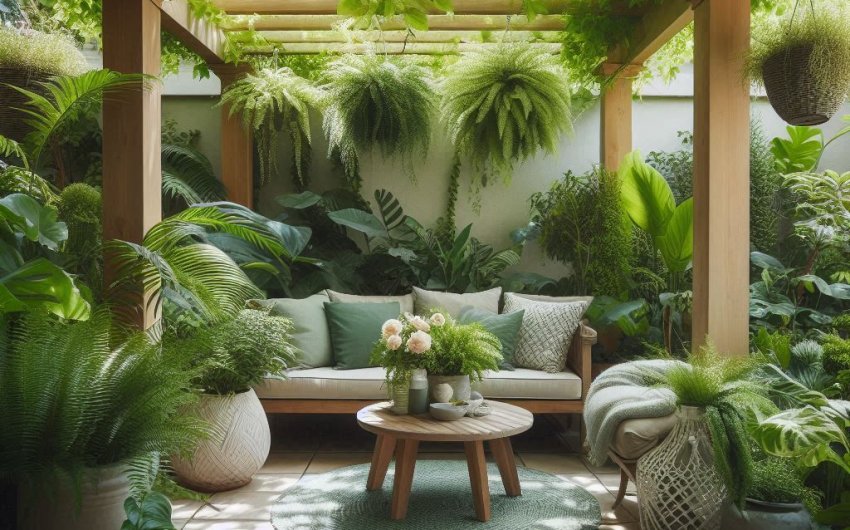
Transforming a shaded patio into a vibrant, inviting outdoor living space can feel like a challenge when direct sunlight is scarce. Many gardeners assume that a lack of full sun limits their planting options, leading to barren corners or struggling plants. However, the truth is that a plethora of stunning and diverse plants actually thrive in less intense light conditions, offering a unique opportunity to create a cool, serene, and lush environment. Embracing the shade opens up a world of beautiful foliage, delicate blooms, and interesting textures that can turn a previously overlooked area into your favorite garden retreat. This comprehensive guide will illuminate the possibilities, showcasing a wide variety of shade-tolerant plants for patios and providing practical tips to ensure your green companions flourish in their low-light haven.
Understanding shade: What kind of shade do you have?
Before selecting shade-tolerant plants for your patio, it's crucial to understand the different types of shade. Not all shade is created equal, and the amount of light your patio receives will greatly influence which plants will thrive there.
What is full shade vs. partial shade?
Distinguishing between types of shade is key to matching plants to your patio's specific conditions:
- Full Shade: This area receives less than 3 hours of direct sunlight per day, usually in the early morning or late evening. The rest of the day is dappled shade or indirect light. Often found under dense tree canopies, deep overhangs, or on the north side of a building. Few plants truly thrive in constant, deep gloom without any light, but many can tolerate very low light.
- Partial Shade / Partial Sun: These terms are often used interchangeably, though they can have subtle differences. Generally, this means 3 to 6 hours of direct sunlight per day.
- Partial Sun: Implies more direct sun, usually in the morning (which is less intense) or late afternoon. Plants needing "partial sun" often prefer afternoon shade.
- Partial Shade: Implies more shade throughout the day, often dappled light (filtered through leaves) for much of the day, with perhaps a few hours of direct morning sun.
- Dappled Shade: This is an ideal type of shade, usually found under deciduous trees where sunlight filters through the leaves, creating moving patterns of light and shadow. It provides gentle, indirect light that many shade-loving plants adore.
Observe your patio throughout the day for a full season, if possible, to accurately determine its light conditions. Factors like nearby buildings, fences, or mature trees will significantly impact the amount and type of shade.
Why do some plants prefer shade?
Plants that are shade-tolerant or shade-loving have adapted to thrive in lower light conditions due to specific evolutionary traits:
- Larger, thinner leaves: These help maximize light absorption in low-light environments.
- More chlorophyll: They often contain more chlorophyll (the green pigment that captures sunlight for photosynthesis) to efficiently utilize limited light.
- Lower light saturation point: They reach their maximum photosynthetic rate at lower light levels compared to sun-loving plants.
- Protection from intense sun: Direct, hot sun can actually scorch or burn their delicate leaves, which are not designed to withstand intense light and heat.
Understanding these adaptations helps explain why you shouldn't try to force a sun-loving plant into a deep shade spot, or vice versa. Matching the plant to its preferred light environment is the secret to success with shade-tolerant plants for patios.
Which flowering plants bloom in the shade?
While foliage plants are excellent for shade, many beautiful flowering plants can add a pop of color to your shaded patio, proving that low-light areas don't have to be devoid of blossoms.
Are Begonias good for shady patios?
Yes, many types of Begonias are outstanding choices for shady patios, offering a wide array of vibrant colors and attractive foliage.
- Tuberous Begonias: Known for their large, showy, often camellia-like blooms in shades of red, orange, pink, yellow, and white. They prefer partial to full shade and consistently moist soil. Varieties like Begonia 'Nonstop' are popular.
- Wax Begonias (Begonia semperflorens): More commonly grown as bedding plants, these also do well in containers in partial shade, offering continuous small blooms and glossy green or bronze foliage. You can find wax begonia seeds or young plants.
- Rex Begonias: While primarily grown for their stunning, often metallic or iridescent foliage patterns rather than their flowers, they are fantastic for adding color and texture to shady spots.
All Begonias appreciate consistent moisture but resent soggy soil. They are generally grown as annuals in most climates, but tubers can be overwintered indoors.
Do Impatiens thrive in shade?
Impatiens walleriana (common impatiens) were once the quintessential shade annual, producing masses of brightly colored flowers. However, they're susceptible to downy mildew, a widespread disease.
- New Guinea Impatiens: These are a fantastic alternative, offering larger flowers and more robust growth. They prefer partial shade and are generally more disease-resistant. New Guinea Impatiens come in a range of vivid colors.
- Bouncing Betty (Impatiens hawkeri hybrids): These newer impatiens varieties are highly resistant to downy mildew and offer a similar look to traditional impatiens. Look for varieties from the 'Beacon' or 'Impatiens Xtreme' series.
All impatiens need consistently moist soil and are sensitive to drying out.
Can Fuchsias grow well on a shaded patio?
Fuchsias are enchanting plants known for their delicate, lantern-like, dangling flowers in shades of pink, purple, red, and white. They are perfect for hanging baskets or tall containers on a shaded patio.
- Light: They absolutely prefer partial to full shade, especially protection from hot afternoon sun, which can scorch their leaves. Dappled shade is ideal.
- Watering: Fuchsias are thirsty plants and need consistently moist soil. They will droop dramatically if allowed to dry out.
- Care tips: Provide good air circulation. Deadhead spent blooms to encourage more flowers. You can find beautiful fuchsia hanging baskets at garden centers.
Are Coleus good for adding color to shade?
While not technically a flowering plant grown for its blooms, Coleus (Plectranthus scutellarioides) is one of the most spectacular plants for adding vibrant, non-stop color to a shaded patio. Its foliage comes in an astonishing array of colors, patterns, and leaf shapes, from deep burgundies and bright limes to shocking pinks and reds.
- Light: Most coleus varieties perform best in partial to full shade, where their colors are often more intense and they are less likely to scorch. Some newer "sun coleus" varieties exist, but traditional ones prefer shade.
- Care tips: Pinch back leggy growth to encourage bushiness. Remove any flower spikes that form, as this diverts energy from the colorful leaves. You can find coleus plants in countless varieties.
What about other flowering annuals for shade?
- Torenia (Wishbone Flower): Delicate, trumpet-shaped flowers in shades of blue, purple, pink, and white. Great for pots and hanging baskets in partial to full shade. Look for Torenia 'Summer Wave'.
- Browallia (Amethyst Flower): Produces masses of small, star-shaped blue, purple, or white flowers. Thrives in partial shade. Browallia 'Blue Bells' is a common variety.
Which foliage plants are best for shaded patios?
For a truly lush and vibrant shaded patio, foliage plants are indispensable. They offer a diverse palette of greens, silvers, and even vibrant colors, providing continuous interest and texture without relying on seasonal blooms.
Are Hostas good for containers on a patio?
Yes, Hostas are classic shade plants renowned for their incredible diversity in leaf color, shape, and size, making them excellent choices for containers on a shaded patio. Their bold textures can anchor an arrangement.
- Light: Prefer partial to full shade. Too much sun will scorch their leaves, especially lighter-colored varieties.
- Care tips: Keep soil consistently moist. Protect from slugs and snails. Look for variegated varieties like Hosta 'Patriot' or large-leafed varieties like Hosta 'Sum and Substance' for dramatic effect.
Can Ferns thrive in patio pots?
Ferns are quintessential shade-loving plants, perfect for creating a lush, cool, and almost prehistoric feel on a patio. Their delicate, often feathery fronds come in a wide range of sizes and textures.
- Light: Most ferns thrive in partial to full shade and high humidity.
- Watering: They prefer consistently moist soil and often appreciate misting.
- Popular varieties:
- Maidenhair Fern (Adiantum capillus-veneris): Delicate, fine-textured fronds, but needs high humidity.
- Boston Fern (Nephrolepis exaltata): Classic, easy-to-grow, arching fronds, excellent in hanging baskets. You can find Boston Ferns readily.
- Autumn Fern (Dryopteris erythrosora): New fronds emerge with a coppery-red tint, adding seasonal color.
- Japanese Painted Fern (Athyrium niponicum 'Pictum'): Features stunning silver, green, and burgundy variegation.
Are Heucheras (Coral Bells) suitable for shady containers?
Heucheras, also known as Coral Bells, are fantastic for adding year-round color and texture to a shaded patio. While they do produce delicate flower spikes, they are primarily grown for their stunning foliage, which comes in an incredible range of colors: lime green, amber, deep purple, silver, peach, and various variegated patterns.
- Light: Most varieties perform best in partial to full shade, especially protection from hot afternoon sun.
- Care tips: Ensure good drainage. They are relatively low-maintenance. Look for varieties like Heuchera 'Palace Purple' or the vibrant Heuchera 'Lime Rickey'.
What about Caladiums for adding tropical flair to shade?
Caladiums are renowned for their striking, paper-thin, heart-shaped leaves that showcase incredible patterns and vibrant colors, including shades of red, pink, white, and green. They instantly bring a tropical, exotic feel to a shaded patio.
- Light: Thrive in partial to full shade. Direct sun will scorch their delicate leaves.
- Watering: Need consistently moist soil; do not let them dry out.
- Care tips: Grown from tubers, they prefer warm temperatures and high humidity. Can be overwintered indoors in colder climates. You can find Caladium tubers or potted plants.
Which Ivies are good for trailing in shade?
Ivy (Hedera helix) is a classic trailing plant that works wonderfully in containers and hanging baskets on a shaded patio. Its vigorous growth and various leaf shapes and variegations can add texture and soften the edges of pots.
- Light: Tolerates partial to full shade very well.
- Care tips: Keep soil consistently moist but not soggy. Can be prone to spider mites in very dry conditions. Varieties like English Ivy are common.
How do you care for shade-tolerant plants in containers?
While shade-tolerant plants are generally forgiving, caring for them in containers on a patio requires specific attention to ensure their optimal health and vigor.
What kind of soil is best for shade-tolerant plants in pots?
Most shade-tolerant plants prefer a rich, well-draining potting mix that retains moisture. A good quality all-purpose potting mix is usually a good starting point. You can improve it by adding:
- Compost or Worm Castings: To add organic matter and slow-release nutrients.
- Perlite or Vermiculite: If you need to enhance drainage and aeration, especially for plants sensitive to soggy feet.
The key is to use a mix that stays moist but never waterlogged.
How often should you water shade-loving plants in containers?
Watering frequency for shade-loving plants in containers will depend on the plant type, pot size and material, and environmental conditions.
- Generally: Shade-loving plants, especially those with larger leaves or delicate flowers, often prefer consistently moist soil. Check the soil moisture daily by sticking your finger an inch or two into the soil. If it feels dry, it's time to water.
- Less frequent than sun plants: Because they receive less direct sun and evaporation is slower, plants in shade usually need less frequent watering than their sun-loving counterparts. However, container plants always dry out faster than in-ground plants.
- Thorough watering: When you water, water deeply until water drains from the bottom of the pot. Always ensure your pots have drainage holes to prevent root rot.
Do shade plants need fertilizer?
Even shade-tolerant plants in containers benefit from fertilizer because the limited soil volume means nutrients are quickly used up or leached out with watering.
- Frequency: Fertilize every 2-4 weeks during their active growing season (spring and summer). Reduce or stop fertilizing in fall and winter when growth slows.
- Type: Use a balanced liquid fertilizer at half or quarter strength, or incorporate a slow-release granular fertilizer into the potting mix at planting.
- Observation: Adjust based on your plant's vigor. If growth is sparse or foliage looks pale, consider a slightly more frequent feeding.
How to manage pests and diseases on shaded patios?
Pests and diseases can still affect shade-tolerant plants.
- Common Pests: Slugs and snails thrive in moist, shady environments. Check regularly and remove them by hand, or use organic slug bait. Spider mites can also be an issue if humidity is very low.
- Fungal Issues: Overwatering and poor air circulation can lead to fungal diseases like powdery mildew or root rot. Ensure good drainage and don't overcrowd plants.
- Inspection: Regularly inspect the undersides of leaves and stems for signs of pests or disease. Early detection makes control easier.
- Organic solutions: Use insecticidal soap or neem oil for most insect pests. For fungal issues, improve air circulation and consider an organic fungicide if necessary.
Designing a beautiful shade patio garden
Creating an appealing shade patio garden involves more than just plant selection; it's about combining elements to create a cohesive and inviting outdoor space.
How to use different pot heights and textures?
Varying the heights and textures of your pots and plants adds visual interest and depth to your shaded patio.
- Height: Use tall, slender pots for upright plants, medium-sized pots for mounding plants, and hanging baskets or low bowls for trailing varieties. You can also use plant stands to elevate pots to different levels.
- Texture: Mix different pot materials (ceramic, terracotta, metal) and plant leaf textures (fine ferns, bold Hostas, glossy Begonias) to create contrast.
- Thrillers, Fillers, Spillers: Apply the classic container design principle. Choose a "thriller" (a tall, dramatic plant), "fillers" (mounding plants to fill space), and "spillers" (trailing plants to cascade over the edge).
What role does foliage color play in shade design?
In shady areas, foliage color becomes just as, if not more, important than flower color. Greens of various shades, golds, silvers, purples, and even reds in foliage can brighten up dark corners and provide year-round interest.
- Brighten with light greens/golds: Lime green Coleus, variegated Hostas, or golden Moneywort can illuminate a dark spot.
- Add depth with dark greens/purples: Deep green Ferns, dark purple Heucheras, or black Mondo Grass create rich, dramatic contrasts.
- Contrast with silver/white: Japanese Painted Ferns or Lamium varieties can add a shimmering effect.
How to incorporate garden decor for shaded patios?
Thoughtful garden decor can enhance the ambiance of your shaded patio garden and draw the eye.
- Lighting: Add solar-powered string lights or lanterns to extend the enjoyment of your patio into the evening.
- Mirrors: A strategically placed outdoor mirror can reflect light into a dark corner, making the space feel larger and brighter.
- Water features: A small, self-contained patio water feature can add a soothing sound and create a sense of tranquility.
- Art and sculptures: Choose pieces that complement the natural aesthetic of your plants.
- Comfortable seating: Ensure your patio has comfortable furniture where you can relax and enjoy your lush green oasis.
By embracing the beauty of shade-tolerant plants for patios and applying thoughtful design principles, you can transform any low-light outdoor area into a captivating and verdant retreat.