
Composting Tips: Essential Guide for Urban Gardeners
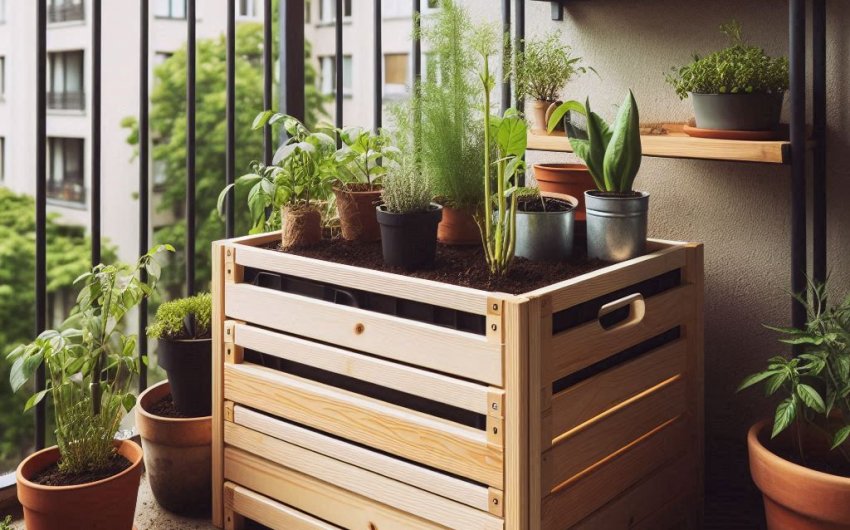
For city dwellers with limited outdoor space, the idea of creating your own nutrient-rich soil amendment might seem daunting. Visions of sprawling compost piles filled with yard waste often deter aspiring urban green-thumbs. However, nurturing your plants with homemade organic matter is entirely achievable, even in a compact living environment. Composting isn't just for those with large backyards; it's a powerful tool for sustainable living that reduces waste, enriches your small garden, and connects you more deeply with the cycle of nature. Mastering the art of breaking down kitchen scraps and plant trimmings into "black gold" is a fundamental skill for any environmentally conscious grower. This comprehensive guide will equip you with practical composting tips for urban gardeners, dispelling common myths and providing tailored solutions to help you successfully create this valuable resource in even the tightest of spaces.
Why should urban gardeners compost?
Even in a compact urban setting, the benefits of composting for your plants and the environment are significant. It’s more than just a way to get free fertilizer; it’s a commitment to a more sustainable lifestyle.
What are the environmental benefits of composting in the city?
Choosing to compost as an urban gardener has a positive impact that extends far beyond your balcony or small plot.
- Reduces landfill waste: A significant portion of household waste, particularly food scraps and yard trimmings, can be composted. By diverting these materials from landfills, you reduce the amount of methane gas (a potent greenhouse gas) released, contributing to climate change mitigation. It's a direct action you can take to lessen your environmental footprint.
- Less need for synthetic fertilizers: High-quality compost is packed with nutrients that feed your plants and enrich your soil. This means you won't need to buy or use as many synthetic chemical fertilizers, which can have negative environmental consequences, such as runoff into waterways.
- Improves air and water quality: By reducing the need for chemical fertilizers and decreasing landfill waste, composting contributes to cleaner air (less methane) and cleaner water (less chemical runoff).
How does compost benefit urban gardens specifically?
For urban gardens, where soil can often be compacted, sterile, or even contaminated, compost is an invaluable asset.
- Enriches poor soil: Urban soil often lacks organic matter and beneficial microorganisms. Compost, sometimes called "black gold," is rich in decomposed organic material and teeming with microbial life. When added to your potted plants or raised beds, it dramatically improves soil structure, aeration, and nutrient content.
- Enhances water retention: In containers or small beds that dry out quickly, compost acts like a sponge, helping the soil retain moisture. This means your plants will need less frequent watering, saving time and water.
- Improves drainage: Paradoxically, compost also improves drainage in heavy, compacted urban soils, preventing waterlogging and promoting healthier root growth.
- Suppresses diseases and pests: Healthy, biologically active soil nourished by compost helps plants become more vigorous and naturally resistant to pests and diseases. The beneficial microbes in compost can also outcompete disease-causing pathogens.
- Free plant food: Instead of buying expensive potting mixes or chemical fertilizers, you're creating your own high-quality, nutrient-rich amendment for free, directly from your kitchen and garden waste.
Can composting help reduce food waste smell indoors?
Surprisingly, yes! While fresh food scraps might smell, when they are quickly added to a well-managed compost system, the decomposition process transforms them. An active compost bin, especially a sealed or contained one, should not produce offensive odors. If your compost smells bad (like rotten eggs or ammonia), it usually means the balance of materials is off (too much "green" or not enough air). By keeping your food scraps for composting separate from regular trash, you might actually notice less putrid smells in your main waste bin. Using a small counter-top compost pail with a charcoal filter can effectively manage odors from fresh scraps before they even reach the main bin.
What are the best composting methods for small spaces?
The key to successful urban composting is choosing a method that fits your limited space and lifestyle. Forget large open piles; there are several compact, efficient systems perfect for balconies, patios, or small yards.
Is vermicomposting good for apartments?
Vermicomposting, or composting with worms, is arguably the best method for apartment dwellers and those with very limited space. It's an indoor-friendly, odorless, and incredibly efficient way to break down kitchen scraps into nutrient-rich worm castings (worm poop), which are an excellent fertilizer.
- How it works: You use a specialized worm bin and introduce composting worms, typically Red Wigglers (Eisenia fetida). These worms rapidly consume food scraps and bedding materials, converting them into castings.
- Pros: Can be done indoors (kitchen, balcony, basement), odorless if managed correctly, produces high-quality fertilizer quickly, relatively low maintenance.
- Cons: Can't handle large amounts of bulky yard waste, can't compost meat, dairy, or oily foods, requires managing live worms (which some find unappealing).
- Setup: You'll need a worm bin, a starter bedding of shredded paper or coco coir, and a pound of composting worms.
What are tumbling composters and where can they be used?
Tumbling composters are sealed, rotating drums designed for faster composting. They are excellent for small outdoor spaces like balconies, patios, or small backyards.
- How it works: You load kitchen scraps and yard waste into the drum, then rotate it periodically to aerate the mix. The sealed nature helps retain heat and moisture, speeding up decomposition.
- Pros: Faster composting than static bins, easy to turn/aerate, generally pest-resistant (keeps out rodents), neat and tidy, good for medium amounts of waste.
- Cons: Can be heavy when full, limited capacity compared to traditional bins, requires active turning.
- Placement: Place them on a flat, stable surface where they get some sun to aid the heating process. Look for a dual-chamber tumbling composter to have one batch cooking while you fill the other.
Are static compost bins suitable for urban settings?
Traditional static compost bins can work for urban gardeners with a bit more outdoor space, such as a small backyard or a large shared garden area. These are typically upright, enclosed bins made of plastic or wire mesh.
- How it works: You continuously add layers of "greens" and "browns" to the bin. Decomposition relies on passive aeration and occasional manual turning with a compost aerator tool.
- Pros: Simple to set up, relatively inexpensive, good for moderate amounts of waste (including some yard waste).
- Cons: Slower composting than tumblers, requires manual turning, can attract pests if not managed well (especially with exposed food scraps), may not be completely odor-free if neglected.
- Placement: Needs a reasonably level, well-drained spot away from direct view (if looks are a concern). Consider buying a compact plastic compost bin for urban use.
What about bokashi composting for urban kitchens?
Bokashi composting is a unique anaerobic (without oxygen) fermentation method that is excellent for processing ALL kitchen scraps, including meat, dairy, and cooked food, indoors.
- How it works: Food scraps are placed in an airtight Bokashi bin and inoculated with an "effective microorganism" (EM) Bokashi bran. The scraps ferment, turning into a "pre-compost" material and producing a nutrient-rich liquid ("Bokashi tea").
- Pros: Can handle all food waste, no odors if sealed correctly, very fast (2-4 weeks fermentation), excellent for indoor use.
- Cons: The fermented material is not finished compost; it needs a secondary burial step (in garden soil or another compost bin) to break down fully. It doesn't produce finished compost directly.
- Setup: You'll need an airtight Bokashi bucket with a spigot and Bokashi bran.
What are the "greens" and "browns" in composting?
Understanding the balance of "greens" and "browns" is fundamental to successful composting, regardless of the method you choose. This balance provides the necessary carbon and nitrogen for the microorganisms to work efficiently.
What are "green" materials for composting?
"Green" materials are rich in nitrogen. They are typically fresh, moist, and often green in color. These provide the protein for the microbes in your compost.
- Examples: Kitchen scraps like fruit and vegetable peels, coffee grounds, tea bags, fresh grass clippings, green plant trimmings, spent flowers, and weeds (non-seeding).
- Importance: They provide the necessary nitrogen for microbial growth and heat generation in the compost pile.
- Tip: Chop larger green materials into smaller pieces to speed up decomposition.
What are "brown" materials for composting?
"Brown" materials are rich in carbon. They are typically dry, woody, and brown. These provide the energy source and structure for the microbes, and help create air pockets in the compost.
- Examples: Dried leaves, shredded paper (non-glossy, non-colored), cardboard (tear into small pieces), straw, wood chips, sawdust (from untreated wood), and dry plant stalks.
- Importance: Carbon-rich materials prevent the compost from becoming too wet and stinky, and they provide the long-term food source for microbes.
- Tip: Collect brown materials in abundance in the fall (like fallen leaves) and store them for year-round use. Shredding them helps speed up decomposition.
What is the ideal greens-to-browns ratio for composting?
The ideal greens-to-browns ratio for hot composting (which gets warm and breaks down faster) is roughly 25-30 parts carbon (browns) to 1 part nitrogen (greens) by weight. For urban gardeners working with smaller systems or slower methods like vermicomposting, it's often easier to think of it by volume: aim for roughly two to three times as much brown material as green material.
- Too many greens: Compost can become wet, dense, and smelly (ammonia odor). Add more browns and aerate.
- Too many browns: Compost will be slow to decompose and may never heat up. Add more greens and moisture.
Don't overthink it for small-scale composting; just aim for a good mix, layer your materials, and adjust if you notice odors or slow decomposition.
What should you NOT put in your compost for urban settings?
Avoiding certain materials is crucial for preventing odors, pests, and disease in your urban compost bin:
- Meat, bones, fish, and dairy products: These decompose slowly, attract rodents and other pests (which are a major concern in urban areas), and can produce strong, unpleasant odors. (Bokashi is the exception here).
- Oily or greasy foods: Can attract pests and create an unhealthy anaerobic environment.
- Pet waste (cat or dog feces): Can contain pathogens harmful to humans.
- Diseased plants: Can spread plant diseases back into your garden.
- Weeds with seeds: Will lead to weeds sprouting in your finished compost.
- Pesticide-treated plants: Can introduce harmful chemicals into your compost.
- Synthetic materials: Plastic, metal, glass (obviously).
- Ashes from charcoal grills: Can contain harmful chemicals. Wood ash from untreated wood is fine in moderation.
Stick to plant-based food scraps, paper, cardboard, and garden trimmings for a clean and effective urban compost.
How do you maintain a healthy urban compost bin?
Beyond the right mix of "greens" and "browns," a few simple maintenance practices will keep your urban compost bin active, odorless, and productive.
How often should you turn or aerate your compost?
Aeration (turning) your compost is vital because the microorganisms that break down organic matter need oxygen to thrive.
- Tumbling composters: Turn the drum every 2-3 days, or whenever you add new material. This is the easiest method for aeration.
- Static bins: Aim to turn your compost pile every week or two, or at least once a month. Use a compost aerator tool or a pitchfork to mix the layers and introduce air. If you're short on time, even infrequent turning is better than none.
- Vermicompost: Worm bins don't need "turning" in the traditional sense, but you should gently fluff the bedding every week or two to ensure airflow.
If your compost smells rotten or ammonia-like, it's a sign of too little air (and possibly too many greens), so turn it immediately.
What is the right moisture level for compost?
The ideal moisture level for compost is often compared to a wrung-out sponge – damp, but not dripping wet. Microorganisms need water to survive and function.
- Too dry: Decomposition will slow down or stop completely. The pile won't heat up.
- Too wet: It will become anaerobic, smelly, and slimy.
- How to check: Squeeze a handful of compost. A few drops of water should come out. If it's bone dry, add water as you turn. If it's squishy, add more dry browns and turn to aerate.
- Tip: When adding dry browns, lightly mist them with water. When adding food scraps, you can layer a handful of dry shredded paper or leaves on top to absorb excess moisture.
How do you troubleshoot common composting problems?
Facing a few hiccups is normal when learning composting for urban gardeners.
- Bad smell (ammonia): Too much nitrogen (greens), too wet, or not enough aeration. Add more browns (shredded paper, dry leaves), turn thoroughly, and reduce watering.
- Rotten egg smell: Anaerobic conditions, likely too wet and not enough aeration. Turn the pile immediately, add more coarse browns.
- Flies/Pests: Usually from exposed food scraps. Bury food scraps deeply within the pile, especially in tumblers or static bins. Avoid meat/dairy/oils. Ensure the bin is sealed or has a lid.
- Compost not breaking down: Too dry, not enough nitrogen, or not enough aeration. Check moisture (add water if needed), add more greens, and turn regularly. Chop materials into smaller pieces.
- Compost is attracting rodents: Almost always due to meat, dairy, or oily foods, or exposed food scraps. Stop adding these materials, ensure bin is securely sealed, and bury scraps deeply.
- Ants in compost: Often a sign it's too dry. Moisten the pile and turn it.
When is compost ready to use in your urban garden?
Knowing when your "black gold" is ready is the satisfying culmination of your composting efforts as an urban gardener. Using unfinished compost can actually harm your plants.
What does finished compost look like?
Finished compost should look, feel, and smell like rich, earthy soil.
- Appearance: Dark brown or black, crumbly, and uniform in texture. You should no longer be able to identify the original materials (no recognizable food scraps, leaves, etc.).
- Smell: It should smell sweet, like forest floor or fresh earth, never rotten, sour, or ammoniated.
- Temperature: It should be cool to the touch. If it's still warm, it's still actively decomposing.
The time it takes to produce finished compost varies widely by method and management, from a few weeks in a well-managed hot pile or tumbler to several months for a passive static bin. Vermicompost can produce finished castings in 2-4 months.
How do you use compost in pots and raised beds?
Finished compost is an incredibly versatile and beneficial amendment for your urban garden's pots and raised beds:
- Potting Mix Component: Mix 1 part finished compost with 2-3 parts potting soil when planting new seedlings or repotting. This enriches the mix, improves drainage, and enhances water retention.
- Top Dressing: Sprinkle a 1-2 inch layer of compost around the base of established plants in pots or raised beds. This acts as a slow-release fertilizer and helps retain moisture. Gently scratch it into the topsoil.
- Soil Amendment: For raised beds, you can mix in a significant amount (up to 30-50%) of compost with existing soil to improve its structure and fertility before planting.
- Compost Tea: You can brew compost tea from finished compost (steep finished compost in water for 1-3 days) and use it as a liquid feed or foliar spray to provide a nutrient boost and beneficial microbes to your plants.
Can you compost directly into a raised bed?
Yes, you can practice a form of in-situ composting directly within a raised bed, which is excellent for urban gardeners.
- Trench Composting: Dig a trench or hole in an unused part of your raised bed (or between rows of plants). Bury kitchen scraps (avoiding meat/dairy) in layers, covering them with at least 6-8 inches of soil. The materials will break down directly in the bed, enriching the soil right where your plants need it.
- Layering: When setting up a new raised bed, you can layer larger "brown" materials (like branches or old logs) at the very bottom, followed by layers of compostable material and soil, similar to a hugelkultur mound. This creates a long-term source of nutrients and retains moisture.
By implementing these composting tips for urban gardeners, you'll transform your kitchen and garden waste into a valuable resource, creating a vibrant, productive, and sustainable oasis even in the heart of the city.