
Growing Microgreens: Quick & Nutritious Home Harvests
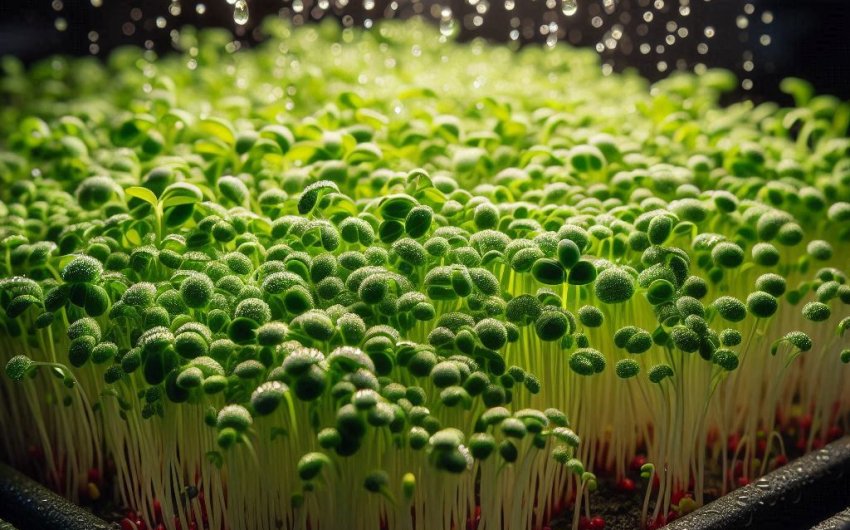
Growing microgreens offers a quick and highly nutritious way to harvest fresh, flavorful greens right in your home, often ready for cutting in just 7-21 days. This accessible form of gardening requires minimal space and equipment, making it ideal for urban dwellers and health enthusiasts alike.
What Are Microgreens and Why Grow Them?
Microgreens are young vegetable greens harvested just after the first true leaves have developed, typically within 1 to 3 weeks of sprouting. They are more mature than sprouts (which are harvested earlier, often just as they germinate) but younger than baby greens. Understanding what they are and their benefits explains why growing microgreens has become so popular.
What Makes Microgreens Special?
- Size: They are typically 1-3 inches tall, including the stem and leaves.
- Harvest Stage: Harvested when they have developed their cotyledons (seed leaves) and usually one set of "true leaves" (the leaves that resemble the mature plant's leaves).
- Concentrated Flavor: Microgreens often pack a more intense flavor punch than their mature counterparts. For example, radish microgreens have a spicy kick, while beet microgreens are earthy and vibrant.
- Nutrient Density: This is one of their biggest appeals. Studies have shown that microgreens can contain significantly higher concentrations of vitamins, minerals, and antioxidants than their mature vegetable forms.
What are the Benefits of Growing Microgreens at Home?
- Quick Harvests: This is perhaps the most immediate benefit. Most microgreens are ready for harvest in 7-21 days, allowing for a continuous supply of fresh greens. This instant gratification makes gardening accessible even to those without a lot of patience.
- Highly Nutritious: Despite their small size, microgreens are nutritional powerhouses. Research indicates they can contain 4 to 40 times more vitamins, minerals, and antioxidants than their mature vegetable versions. This makes them an excellent way to boost your nutrient intake.
- Freshness and Flavor: You harvest them literally seconds before you eat them. This ensures peak freshness, vibrant flavor, and maximum nutrient retention that store-bought greens simply cannot match.
- Cost-Effective: While buying microgreens from specialty stores can be expensive, growing microgreens at home is incredibly economical, especially if you buy seeds in bulk.
- Space-Efficient: Microgreens require minimal space. You can grow them on a windowsill, a kitchen counter, or a small shelf, making them perfect for apartments, urban homes, or anyone with limited gardening space.
- Minimal Equipment Needed: You don't need a sprawling garden or complex hydroponic setups. Basic trays, a growing medium, and seeds are often all that's required.
- Easy to Grow: The process is straightforward, even for gardening novices. There's no need for extensive knowledge of soil types, fertilization schedules, or pest control common to outdoor gardening.
- Pesticide-Free: When growing microgreens yourself, you control the entire process, ensuring your greens are free from pesticides and herbicides.
- Variety and Experimentation: A vast array of vegetables can be grown as microgreens, offering endless opportunities to experiment with different flavors, colors, and textures.
Whether you're looking to boost your health, save money, or simply enjoy the freshest produce possible, growing microgreens at home is an incredibly rewarding endeavor.
What Supplies Do I Need for Growing Microgreens?
Growing microgreens successfully requires a few essential supplies, all of which are readily available and relatively inexpensive. Getting the right materials from the start sets you up for consistent, healthy harvests.
Essential Microgreen Supplies:
Seeds (Crucial!):
- Type: You need high-quality, untreated seeds specifically labeled for microgreens or sprouting. Do not use garden seeds treated with fungicides or pesticides, as you will be eating the young plants.
- Quantity: You will use a lot more seeds for microgreens than for traditional gardening (as you plant densely), so buying in bulk from reputable suppliers is often cost-effective.
- Popular Microgreen Seeds:
- Fast & Easy (7-14 days): Radish, Broccoli, Arugula, Kale, Kohlrabi, Mustard, Cabbage.
- Medium (14-21 days): Basic Salad Mix, Basil, Beet, Swiss Chard, Cilantro, Amaranth.
- Slower (21+ days / Requires Soaking): Peas, Sunflower (requires de-hulling after blackout), Wheatgrass.
- Consider a True Leaf Market Microgreens Seed Variety Pack for a good start.
Growing Trays:
Advertisement- You will need two types of trays, often sold as a set:
- Solid Tray (Bottom Tray): This tray has no drainage holes. It holds water for bottom watering and acts as a reservoir.
- Tray with Drainage Holes (Top Tray): This tray sits inside the solid tray and holds your growing medium and seeds.
- Size: Common sizes are 10x20 inches (standard nursery trays), but smaller kitchen-friendly sizes are also available. Ensure the trays nest together.
- Material: Food-grade plastic is common. Look for sturdy, reusable trays.
- You will need two types of trays, often sold as a set:
Growing Medium (Soil or Soil-less):
- Sterile Potting Mix: A fine-textured, sterile seed-starting mix is ideal. It should be light, fluffy, and free of large chunks or amendments that could interfere with germination. Avoid heavy garden soil.
- Coco Coir: A popular choice for its cleanliness, excellent water retention, and sustainable nature. It needs to be hydrated before use.
- Hemp Grow Mats or Hydroponic Grow Media: For soil-less systems, these provide a sterile, inert base.
- Avoid: Any media with added fertilizers or pesticides, as microgreens extract nutrients quickly and are harvested before needing external feeding.
Spray Bottle:
- For gently misting seeds and young sprouts, especially during germination and the blackout period. This prevents overwatering and disturbing tiny seeds.
Light Source:
- Bright Natural Light: A sunny windowsill can work, but for best results (especially in winter), supplemental lighting is recommended.
- Grow Lights (LEDs): Full-spectrum LED grow lights are energy-efficient and provide the ideal light spectrum for strong, vibrant microgreens. A simple LED Grow Light Bar is perfect.
Weight (Optional but Recommended):
- A brick, a larger book, or another tray (with a few pounds of weight inside) placed on top of the seeds during the blackout period. This encourages roots to grow down and helps shed hulls.
Shears or Scissors:
- Clean, sharp kitchen shears or small scissors for harvesting your microgreens.
With these essential supplies, you'll be well-equipped to embark on your journey of growing microgreens at home.
How Do I Prepare My Seeds and Growing Medium for Microgreens?
Proper preparation of seeds and growing medium is a crucial step in growing microgreens successfully. This sets the stage for optimal germination and healthy, uniform growth.
Step-by-Step Seed and Medium Preparation:
Clean Your Trays:
- Wash your solid tray and drainage tray thoroughly with warm, soapy water. Rinse well. This prevents the spread of pathogens that could lead to mold or damping-off disease.
Prepare the Growing Medium:
- For Soil/Coco Coir:
- Take your chosen growing medium (seed-starting mix or hydrated coco coir).
- Moisten it thoroughly: It should be uniformly damp, like a wrung-out sponge – moist but not dripping wet. If you squeeze a handful, a few drops of water should come out, but it shouldn't be muddy. Overly wet soil can lead to damping-off.
- Fluff the moistened medium to ensure it's airy.
- For Hemp Mats/Hydroponic Media: Hydrate them according to the manufacturer's instructions.
- For Soil/Coco Coir:
Fill the Drainage Tray:
- Place the drainage tray (the one with holes) inside the solid bottom tray.
- Fill the drainage tray with your prepared growing medium.
- Level the surface: Gently pat down the medium to create a smooth, even surface. Don't compact it too much, but eliminate major bumps. Aim for about 0.5 to 1 inch (1-2.5 cm) of medium depth.
Prepare Your Seeds (Soaking, if necessary):
- Most Seeds: Most microgreen seeds (e.g., radish, broccoli, arugula, kale, mustard) do not require soaking. They can be spread directly onto the prepared medium.
- Seeds That Benefit from Soaking: Some larger or harder seeds benefit from a pre-soak to soften their seed coat and speed up germination.
- Examples: Peas, Sunflower, Beet, Swiss Chard, Cilantro.
- Soaking Process: Place seeds in a clean bowl and cover with 3-4 times their volume of cool water. Soak for 4-12 hours (peas and sunflowers often benefit from 8-12 hours, smaller seeds 4-6 hours). Do not soak for too long, as it can lead to rot.
- Drain Thoroughly: After soaking, drain the seeds completely in a colander. Rinse them lightly.
Evenly Sow the Seeds:
- This is a critical step for a uniform harvest.
- Density: Microgreens are planted much more densely than garden crops. You want to cover the entire surface of the growing medium evenly, like a thin carpet, but avoid clumping seeds or having them piled on top of each other. There should still be a tiny bit of space between them for airflow.
- Method: Sprinkle the seeds evenly over the surface. For very tiny seeds, you can mix them with a pinch of sand to help with even distribution.
- No Covering (Usually): Most microgreen seeds do not need to be covered with more soil. They germinate best with light exposure (except for the blackout period).
Mist the Seeds:
- Use a spray bottle filled with clean water to gently mist the freshly sown seeds. This settles them into the medium without washing them away. Mist until the top layer of seeds looks moist.
By meticulously following these steps for seed and medium preparation, you lay a strong foundation for growing microgreens that are dense, healthy, and ready for quick harvests.
What is the "Blackout Period" for Microgreens?
The "blackout period" is a crucial step in growing microgreens, especially for ensuring uniform germination, strong initial growth, and tender stems. It mimics the conditions seeds experience when buried just beneath the soil surface.
What is the Blackout Period?
The blackout period (also known as the "germination phase" or "darkness phase") is the initial stage where newly sown microgreen seeds are kept in complete darkness and often under a slight weight. This period typically lasts for 2-5 days, depending on the type of microgreen.
Why is the Blackout Period Important?
- Promotes Uniform Germination: Keeping seeds in darkness with consistent moisture signals them to germinate simultaneously. This results in a more even crop, meaning all your microgreens will be ready for harvest around the same time.
- Encourages Strong Root Development: In darkness, the seeds instinctively put energy into growing roots downwards, searching for water and stability. This anchoring is essential for a healthy plant.
- Develops Tender, Elongated Stems (Etiolation): In the absence of light, plants experience "etiolation," where they stretch rapidly, producing pale, elongated stems as they search for light. This might seem undesirable for mature plants, but for microgreens, it's beneficial as it creates taller, more tender stems that are easier to harvest.
- Helps Shed Seed Hulls: The slight weight applied on top of the seeds (often a second tray) helps to press the seeds firmly onto the growing medium. As the sprouts push up against this weight, it helps them shed their seed hulls (husks), which can sometimes cling to the cotyledons and cause mold or hinder growth.
How to Implement the Blackout Period:
- After Sowing and Misting: Once you've sown and lightly misted your seeds in the drainage tray (which is sitting inside the solid bottom tray), take the top solid tray (or another drainage tray) and place it directly on top of the seeds.
- Add Weight: Place a moderate weight (e.g., a brick, a few large books, or another tray filled with 2-5 pounds of weight) on top of the inverted tray. The weight helps ensure good seed-to-medium contact and encourages roots to grow down.
- Place in Darkness: Move the stacked trays to a dark place. This could be a cupboard, under a shelf, or simply covered with a dark cloth if your grow setup is already in a dark room.
- Monitor (Briefly): Every 12-24 hours, quickly lift the top tray to check on moisture (mist lightly if the medium feels dry) and germination progress. Look for tiny white rootlets emerging and signs of sprouts pushing up.
- Remove Weight & Expose to Light: Once about 70-80% of the seeds have germinated and the sprouts are about 1-2 inches (2.5-5 cm) tall (and might look pale/yellow from stretching), remove the top tray and the weight. This usually occurs after 2-5 days. Immediately expose the tray to bright light.
| Microgreen Type | Suggested Blackout Duration | Notes |
|---|---|---|
| Radish | 2-3 days | Fast germinator |
| Broccoli, Kale | 2-3 days | Quick growers |
| Arugula, Mustard | 2-3 days | |
| Basic Salad Mix | 3-4 days | Varies slightly by mix |
| Basil | 4-5 days | Can be a bit slower |
| Cilantro | 4-5 days | Benefits from longer blackout |
| Beet, Swiss Chard | 4-5 days | Often need soaking first |
| Pea | 3-4 days | Ensure good germination; needs soaking |
| Sunflower | 3-4 days | Ensure good germination; needs soaking |
The blackout period is a critical step in growing microgreens at home, ensuring uniform, tender, and robust sprouts that are easy to harvest.
How Do I Provide Light and Water for Growing Microgreens?
After the crucial blackout period, providing the right balance of light and water is essential for growing microgreens that are vibrant, nutritious, and ready for harvest. These two factors directly impact flavor, color, and plant health.
Optimal Light for Microgreens:
Once microgreens emerge from blackout, they need bright, consistent light to develop their true leaves, vibrant color, and full flavor.
- Natural Light (Sunny Window): A south-facing window (in the Northern Hemisphere) that receives at least 4-6 hours of direct sunlight can work for some microgreens. However, plants may lean towards the light, and growth can be uneven, especially in winter.
- Grow Lights (Recommended for Best Results): For consistent, dense, and high-quality microgreens, full-spectrum LED grow lights are highly recommended.
- Why LEDs? They are energy-efficient, produce little heat, and provide the ideal spectrum of light for strong, even growth.
- Spectrum: Look for "full-spectrum" or "daylight" LEDs.
- Placement: Position the grow light 4-8 inches (10-20 cm) above the tops of your microgreens. The exact distance depends on the light's intensity. Too close can burn; too far causes legginess.
- Duration: Provide 12-16 hours of light per day. Use a timer for consistency. Microgreens don't need a dark period like mature plants; consistent light helps them grow quickly.
- A simple LED Grow Light Bar can be clamped onto a shelf for a perfect setup.
Watering Microgreens:
Microgreens have shallow roots and thrive on consistent moisture. Bottom watering is the preferred method to avoid disturbing delicate seedlings and to prevent fungal issues.
- Initial Watering (Post-Blackout):
- After removing the blackout cover, mist the top of the medium gently if it looks dry, just to settle things.
- Bottom Watering Method (Preferred):
- Pour clean water (room temperature is best) into the solid bottom tray, not directly onto the microgreens.
- Add about 0.5-1 inch (1-2.5 cm) of water.
- Allow the growing medium to absorb the water from the bottom up. This can take 10-30 minutes. You'll see the top of the medium darken as it wicks up moisture.
- Remove Excess Water: Once the top is moist, drain any excess water from the bottom tray. Do not let the trays sit in standing water for extended periods, as this can lead to root rot and mold.
- Watering Frequency:
- Check the moisture level daily. Your microgreens typically need watering once a day or every other day, depending on the humidity, temperature, and how much light they're getting.
- Feel the weight of the tray or lightly touch the top of the medium. If it feels light or dry, it's time to water.
- Avoid letting the medium dry out completely.
Common Watering Mistakes to Avoid:
- Overhead Watering (Sprinkling): This can flatten delicate seedlings, dislodge seeds, compact the medium, and create a damp surface conducive to mold growth. Use a spray bottle for initial misting only.
- Overwatering: Constantly soggy medium leads to root rot and damping-off disease (where seedlings suddenly collapse at the base). Always drain excess water after bottom watering.
- Underwatering: Causes stunted growth, wilting, and reduced yield. Microgreens grow fast and are thirsty!
By providing the right light intensity and duration, and meticulously managing moisture through bottom watering, you'll be well on your way to growing microgreens that are vibrant, flavorful, and incredibly nutritious.
When and How to Harvest Microgreens?
Harvesting microgreens is the exciting culmination of your efforts, and it happens much faster than traditional gardening! Knowing the right time and method ensures you get the most tender, flavorful, and nutritious greens.
When to Harvest Microgreens:
The harvest window for microgreens is short but specific. It depends on the type of microgreen, but generally falls between 7 to 21 days after seeding.
- Key Indicator: The most reliable sign is when your microgreens have developed their cotyledons (seed leaves) fully, and ideally, their first set of "true leaves" has just begun to emerge or are fully developed.
- Cotyledons: These are the initial leaves that emerge from the seed, often looking different from the mature plant's leaves.
- True Leaves: These are the second set of leaves, which will resemble the leaves of the mature plant (e.g., tiny broccoli leaves, small basil leaves).
- Size: Most microgreens are ready when they are 1-3 inches (2.5-7.5 cm) tall.
- Flavor Test: Taste a small sample. If the flavor is good and the texture is tender, they are ready! If they are left too long, some microgreens can become tougher, develop a stronger flavor, or even start to "bolt" (go to seed).
| Microgreen Type | Approximate Harvest Time (Days) | Key Indicators |
|---|---|---|
| Radish | 7-10 | Fully developed cotyledons. Spicy kick. |
| Broccoli, Kale | 7-12 | Fully developed cotyledons, true leaves emerging. |
| Arugula, Mustard | 8-14 | Cotyledons, true leaves emerging. Slightly peppery. |
| Basic Salad Mix | 10-16 | Varies by mix, look for true leaves. |
| Basil | 14-21 | True leaves developed, strong aroma. |
| Cilantro | 14-21 | True leaves developed, distinctive flavor. |
| Beet, Swiss Chard | 16-25 | First set of true leaves developed. Vibrant color. |
| Pea | 10-20 | When tendrils appear, 3-4 inches tall. |
| Sunflower | 7-14 | First true leaves. (Need to de-hull after blackout). |
How to Harvest Microgreens:
Microgreens are typically a "cut and come again" crop, but for most home growers, it's a "cut once" harvest to maximize quality.
- Gather Your Tools: Use clean, sharp kitchen shears or a very sharp knife.
- Prepare for Storage/Use: Have a clean container ready for your harvested greens.
- Cut Above the Soil Line:
- Hold a bunch of microgreens gently together with one hand.
- With the other hand, use your shears or knife to cut the stems cleanly just above the soil line, leaving the roots and medium in the tray. Aim for a horizontal cut for uniform lengths.
- Why above the soil? This ensures you're only harvesting the clean, tender greens, leaving the medium behind. It also prevents any soil contamination.
- No Regrowth (Generally): Most microgreens (like broccoli, radish, basil) will not regrow after being cut this way because you're removing the growth point. Some exceptions, like peas and wheatgrass, might offer a second, smaller cutting if left with enough stem.
- Rinse Gently (If Necessary): Your harvested microgreens should be relatively clean. If you notice any bits of growing medium clinging to them, gently rinse them in a colander under cool running water. Do this just before consumption or storage, as washing too early can encourage spoilage.
- Pat Dry: Gently pat them dry with a paper towel or spin them in a salad spinner. Excess moisture leads to faster spoilage.
Storing Harvested Microgreens:
- Best Immediately: For peak flavor and nutrients, microgreens are best consumed immediately after harvest.
- Short-Term Storage:
- Place cleaned and thoroughly dried microgreens between layers of paper towels in an airtight container or a sealed plastic bag.
- Store in the refrigerator for 3-7 days.
- Tip: Too much moisture in the container will cause them to wilt and spoil faster. The paper towels absorb excess moisture.
By knowing when and how to harvest, you'll maximize the freshness, flavor, and nutritional punch of your homegrown microgreens, making growing microgreens a truly rewarding experience.
What Are Common Problems When Growing Microgreens and How to Fix Them?
Even though growing microgreens is relatively easy, you might encounter a few common problems. Knowing how to identify and fix these issues quickly will ensure consistent, successful harvests.
Common Microgreen Problems and Solutions:
Problem: Mold or Fuzz on Seeds/Seedlings (Damping-Off)
- Appearance: White, fuzzy mold appearing on seeds, stems, or the surface of the growing medium. Seedlings may suddenly collapse at the base.
- Cause: Too much moisture, poor air circulation, non-sterile medium, or contaminated seeds.
- Fix:
- Immediate Action: If you see a small patch, carefully remove the affected area with a spoon. You might try sprinkling a very thin layer of cinnamon (a natural anti-fungal) over the affected area.
- Increase Airflow: Point a small fan at the trays for a few hours a day. Ensure good air circulation around the trays.
- Reduce Moisture: Ensure your growing medium is not overly wet when sowing. Drain all excess water from the bottom tray after watering. Water less frequently.
- Prevention:
- Sterile Medium: Always use a sterile, fine-textured seed-starting mix or coco coir.
- Cleanliness: Sterilize trays thoroughly before each use.
- Proper Seed Density: Avoid overcrowding seeds. They should be close but not piled on top of each other.
- Bottom Watering: This is crucial. Avoid overhead watering, which keeps the surface wet.
Problem: Leggy, Pale, or Thin Microgreens
- Appearance: Stems are too long and spindly, leaves are pale yellow or very light green, and plants may fall over easily.
- Cause: Insufficient light after the blackout period, or the light source is too far away.
- Fix:
- Increase Light Intensity/Duration: Move your trays to a brighter spot or closer to the grow lights.
- Use Grow Lights: If relying on a windowsill, invest in a full-spectrum LED grow light and ensure it's on for 12-16 hours a day.
- Adjust Light Height: Position grow lights 4-8 inches (10-20 cm) above the tray.
- Prevention: Provide adequate light from day one after the blackout phase.
Problem: Poor or Uneven Germination
- Appearance: Many bare spots in the tray, or seeds sprouting at different rates.
- Cause: Old or non-viable seeds, inconsistent moisture, improper temperature, or not soaking seeds that require it.
- Fix:
- Reseed: If germination is very poor, it's often best to start over.
- Check Seed Viability: If you suspect old seeds, do a germination test (place 10 seeds on a damp paper towel in a sealed bag; check how many sprout).
- Ensure Consistent Moisture: Keep the medium consistently moist during the blackout period.
- Soak Seeds: For larger or harder seeds (peas, sunflower, beet, cilantro), pre-soak them for 4-12 hours before sowing.
- Prevention: Use high-quality, fresh seeds. Follow proper soaking guidelines. Maintain consistent moisture and temperature during germination.
Problem: Seeds Not Shedding Hulls (Especially Sunflower, Beet)
- Appearance: Seed hulls stuck to the cotyledons of emerging microgreens.
- Cause: Insufficient weight during the blackout period, or insufficient moisture.
- Fix:
- Gentle Mist and Brush: After removing the blackout cover, mist the plants again and very gently brush the hulls off with your hand or a soft brush.
- Increase Humidity: Sometimes an extra misting can help soften the hulls.
- Darkness Time: Ensure the blackout period was long enough for the sprouts to push against the weight.
- Prevention: Apply adequate weight (2-5 lbs) during blackout. Ensure good, consistent moisture. Soak seeds that benefit from it.
Problem: Unpleasant Odor from Tray
- Cause: Rotting seeds/roots, mold, or anaerobic conditions (lack of oxygen) due to overwatering.
- Fix:
- Inspect Immediately: Lift the tray and check the roots. If they are black and mushy, or if the medium smells sour, you likely have rot.
- Discard and Restart: It's usually best to discard the affected tray (compost if no disease, otherwise dispose) and start over.
- Thoroughly Clean Trays: Sterilize all trays and tools before restarting.
- Prevention: Perfect your watering technique, especially bottom watering and draining excess water. Ensure good air circulation.
By understanding these common issues and implementing the simple fixes and preventative measures, you'll ensure your journey of growing microgreens at home is successful, leading to a continuous supply of quick, nutritious harvests.