
Raised Bed Vegetable Garden Ideas: Design Your Dream Patch
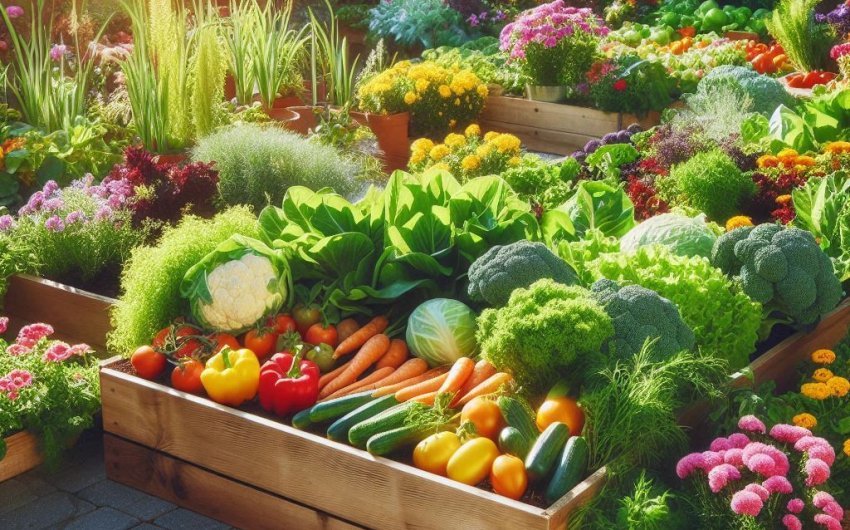
Cultivating your own fresh, organic produce can be one of life's most rewarding endeavors, transforming a simple patch of earth into a bountiful source of delicious, homegrown food. For many aspiring gardeners, however, challenges like poor soil, limited space, or physical strain can seem like insurmountable obstacles. This is where the magic of raised bed vegetable garden ideas comes into play. Raised garden beds offer a practical, efficient, and aesthetically pleasing solution, lifting your growing area above ground level and providing complete control over soil conditions. They simplify everything from weed management to pest control, making gardening accessible and enjoyable for everyone, from seasoned horticulturists to absolute beginners. This comprehensive guide will explore a myriad of creative designs, practical tips, and plant selections to help you envision, build, and maintain the perfect elevated garden that thrives in any setting.
Why are raised garden beds so popular for vegetables?
Raised garden beds have become incredibly popular, and for good reason. They offer a multitude of benefits that address common gardening challenges, especially for growing vegetables.
What are the main advantages of a raised bed garden?
The benefits of planting your vegetables in a raised garden bed are numerous and compelling:
- Improved Soil Control: This is perhaps the biggest advantage. You get to choose and create your ideal soil mix from scratch, rather than battling with compacted, rocky, or nutrient-deficient native soil. You can fill it with rich, loose, and fertile soil, perfectly tailored for vigorous vegetable growth.
- Better Drainage: Raised beds inherently offer superior drainage. The elevated structure prevents waterlogging, which is crucial for most vegetables that dislike "wet feet." This also allows the soil to warm up faster in spring.
- Extended Growing Season: Because the soil in a raised bed warms up earlier in spring and stays warmer longer into fall, you can plant earlier and harvest later, effectively extending your growing season.
- Reduced Weeds: By starting with clean, weed-free soil, and with defined borders, weeding becomes significantly easier and less frequent. Most weeds that appear are easily spotted and pulled.
- Easier Access and Less Strain: Raised beds lift the growing area, reducing the need for bending, kneeling, and stooping. This makes gardening more accessible and comfortable for individuals with back problems, mobility issues, or older gardeners.
- Pest and Disease Management: The defined borders of a raised bed can make it easier to deter some pests (e.g., by adding copper tape for slugs) and control soil-borne diseases by preventing pathogens from spreading as easily as in open ground. You also control the soil health, leading to stronger, more resilient plants.
- Better Aesthetics: Raised beds look neat, organized, and intentional, instantly adding curb appeal and structure to any garden space, patio, or backyard.
- Space Efficiency: They are excellent for small spaces, allowing you to create productive garden areas even on hard surfaces like concrete or asphalt.
Do raised beds yield more vegetables?
Yes, raised garden beds can often yield more vegetables than traditional in-ground gardens for the same footprint. This is primarily due to several factors:
- Optimal Soil Conditions: With the perfect soil mix, roots have ample room to grow, access nutrients, and get proper aeration, leading to healthier, more productive plants.
- Closer Spacing: Because you have superior soil and drainage, and you typically don't walk on the soil in a raised bed (which compacts it), you can often plant vegetables more densely than in traditional rows. This technique, often called "square foot gardening," maximizes yield per square foot.
- Reduced Stress: Healthier plants, with less competition from weeds and better access to water and nutrients, are less stressed and therefore more productive.
Are raised beds good for beginners?
Absolutely! Raised beds are an excellent choice for beginner gardeners. They simplify many of the common challenges that new gardeners face. You don't have to deal with unknown soil quality, extensive soil amendment, or major perennial weed removal from day one. Instead, you start with a clean slate, a contained environment, and a manageable space, allowing you to focus on the basics of planting, watering, and harvesting. The ease of access and clear boundaries also make it a less overwhelming experience, leading to quicker success and building gardening confidence.
What are popular materials for raised garden beds?
Choosing the material for your raised garden beds is a key decision, impacting durability, appearance, cost, and safety. There's a wide variety of options available to suit different budgets and styles.
Are wooden raised beds a good choice?
Wooden raised beds are one of the most popular and aesthetically pleasing choices for a natural look.
- Pros: Easy to work with, readily available, blend well into garden landscapes, and relatively affordable.
- Cons: Can rot over time (especially untreated wood) and may need replacement after several years (5-10 years for untreated, 10-20+ for treated).
- Types of Wood:
- Cedar or Redwood: These are naturally rot-resistant and durable, making them excellent (though more expensive) choices. Cedar raised garden beds are a favorite.
- Douglas Fir or Pine: More affordable but will rot faster unless treated or lined.
- Treated Lumber: Older pressure-treated wood used chemicals (like chromated copper arsenate, or CCA) that are now known to be toxic and should not be used for vegetable gardens. Newer pressure-treated lumber (ACQ, Copper Azole, Micronized Copper Quaternary) is generally considered safer for garden beds, but some gardeners prefer to avoid it and use a plastic liner to prevent direct contact with the soil.
- Tips: Line the inside with heavy-duty landscape fabric or thick plastic sheeting (stapled to the inside walls) to extend the life of the wood, especially for non-rot-resistant types.
What are metal raised garden bed options?
Metal raised garden beds offer a sleek, modern, and very durable alternative to wood.
- Pros: Extremely long-lasting (20+ years), resistant to rot and pests, often easy to assemble, and come in various finishes. The metal can warm the soil quickly in spring.
- Cons: Can be more expensive upfront, may get very hot in direct sun (potentially stressing roots, though usually not an issue for most plants), and some gardeners worry about metal leaching (especially for non-galvanized or painted steel).
- Types of Metal:
- Galvanized Steel: Most common, resistant to rust. Galvanized steel raised beds are popular and safe.
- Corrugated Steel: Offers a rustic or industrial look.
- Corten Steel: Develops a beautiful, rusty patina over time, very durable, but expensive.
Are composite or recycled plastic raised beds durable?
Composite or recycled plastic raised beds are becoming increasingly popular for their durability and low maintenance.
- Pros: Extremely long-lasting (often 25+ years), won't rot, splinter, or attract pests, require no sealing or painting, and are often made from recycled materials.
- Cons: Can be more expensive than wood, may not appeal to those seeking a purely natural aesthetic. Some gardeners have concerns about plastic leaching, though reputable manufacturers produce inert, food-safe options.
- Tips: Look for products specifically labeled as "food-safe" or "BPA-free" if you have concerns. You can find many composite raised garden bed kits that are easy to assemble.
Can you use stone or concrete blocks for raised beds?
Stone, brick, or concrete blocks make very sturdy and long-lasting raised garden beds.
- Pros: Extremely durable, permanent, create a robust and aesthetically pleasing structure. Great for large, established gardens.
- Cons: Very heavy, labor-intensive to build, typically more expensive due to materials and potential masonry work. They absorb heat, which can warm soil but also stress roots in very hot climates.
- Tips: Ensure good drainage in the foundation. Some concrete blocks can leach alkaline substances, which might affect soil pH, but this is usually minor over time. You can use concrete landscape blocks to build simple, mortar-less walls.
How do you fill a raised garden bed?
Properly filling a raised garden bed is crucial for its long-term health and productivity. It's not as simple as just dumping in some topsoil; a layered approach often yields the best results.
What is the best soil mix for raised garden beds?
The best soil mix for raised garden beds is a blend that provides excellent drainage, aeration, and nutrient retention. Avoid using pure topsoil or garden soil, as it can compact too much.
- Ideal Mix: A common and highly effective blend is:
- 50% High-quality Topsoil or Garden Soil: This provides structure and some initial nutrients.
- 30% Compost: Compost is essential for adding organic matter, nutrients, and beneficial microorganisms. It improves soil structure, water retention, and drainage. Use well-rotted compost.
- 20% Perlite or Vermiculite: Perlite or vermiculite improves aeration and drainage, crucial for raised beds that drain quickly.
- Alternative: You can also use a pre-mixed raised bed soil from a garden center, which is often specially formulated for this purpose.
Aim for a mix that is light, fluffy, and drains well, yet feels rich and retains some moisture.
Can you use the "hugelkultur" method for raised beds?
Hugelkultur is a traditional German method that can be adapted for raised garden beds, especially taller ones. It involves burying large pieces of woody debris (logs, branches) in the bottom of your raised bed before adding soil.
- Benefits:
- Reduces soil fill: You'll need less purchased soil.
- Improves drainage and aeration: The woody material creates air pockets.
- Acts as a sponge: The rotting wood slowly releases water and nutrients over years, acting like a reservoir.
- Provides slow-release nutrients: As the wood decomposes, it feeds the soil.
- How to do it:
- Place larger logs and branches at the very bottom of the raised bed.
- Layer smaller branches, twigs, and leaf litter on top.
- Add a layer of inverted sod (grass side down) if available.
- Then add layers of compost, finished topsoil, and your final potting mix blend.
- Considerations: Woody material initially uses nitrogen to decompose, so ensure your upper layers are rich in nitrogen (compost, green materials) to prevent temporary nutrient depletion for your plants.
Should you put cardboard at the bottom of a raised bed?
Yes, placing cardboard at the bottom of a raised bed is a highly recommended practice, especially if you're building over grass or weeds.
- Benefits:
- Weed barrier: It acts as an excellent weed barrier, suppressing existing grass and weeds from growing up into your bed.
- Attracts worms: As the cardboard breaks down, it attracts earthworms, which are beneficial for soil aeration and fertility.
- Adds organic matter: It slowly decomposes, adding carbon-rich organic matter to your soil over time.
- How to do it: Use plain, un-waxed cardboard (remove all tape and labels). Lay it flat, overlapping the edges by at least 6 inches to ensure no gaps. You can wet it slightly before adding your soil layers.
What can you use to fill the bottom of a deep raised bed?
For deep raised beds (18 inches or taller), filling the entire volume with expensive topsoil or potting mix can be costly. Besides hugelkultur materials, you can use other organic "filler" materials at the bottom to reduce the amount of premium soil needed:
- Leaves: A thick layer of fallen leaves (especially well-shredded) can break down over time.
- Untreated Wood Chips/Shredded Bark: Similar to logs, but smaller pieces.
- Grass Clippings: In thin layers to prevent anaerobic conditions.
- Old Compost: Any unfinished compost can go at the bottom.
- Inverted Sod: If you're building over a lawn, place the removed sod grass-side down at the bottom.
Always ensure the materials at the bottom are organic and will eventually break down. Avoid anything inorganic like rocks, gravel, or construction debris, as these can actually hinder drainage and offer no benefit to your plants.
What are smart planting techniques for raised beds?
Maximizing yield and maintaining health in your raised bed vegetable garden involves smart planting strategies that differ slightly from traditional row gardening.
How does square foot gardening work in raised beds?
Square foot gardening (SFG) is an incredibly efficient method tailor-made for raised beds. Instead of planting in single rows, you divide your bed into a grid of 1-foot by 1-foot squares.
- Principle: In each square, you plant a specific number of plants based on their size (e.g., 1 tomato plant per square, 4 lettuce plants per square, 9 beans per square, 16 radishes per square).
- Benefits:
- Maximizes yield: Allows for much denser planting.
- Reduces waste: No wasted space between rows.
- Better weed control: Densely planted crops shade out weeds.
- Simple planning: Makes garden layout easy to visualize and manage.
- Crop rotation friendly: Easy to rotate crops by moving specific plants to different squares each season.
You can buy square foot gardening grids or make your own with string or thin strips of wood.
What is companion planting for raised beds?
Companion planting involves growing certain plants together to mutually benefit each other, often for pest control or improved growth. It's highly effective in raised beds where plants are grown in close proximity.
- Pest Deterrents:
- Marigolds: Plant French marigolds around the perimeter or throughout your beds to deter nematodes and other pests.
- Nasturtiums: Can act as a "trap crop" for aphids, drawing them away from vegetables.
- Basil: Plant near tomatoes to repel flies and potentially improve tomato flavor.
- Garlic/Onions: Can deter aphids and other chewing insects.
- Growth Enhancers:
- Tomatoes & Carrots: Tomatoes provide shade that young carrots appreciate.
- Bush Beans & Corn: Beans provide nitrogen to heavy-feeding corn.
- Lettuce & Tall Crops: Tall crops like tomatoes or corn can provide shade for heat-sensitive lettuce during hot summers.
Research specific companion planting pairs for the vegetables you plan to grow.
How do you utilize vertical space in raised beds?
Vertical gardening is key to maximizing yields in raised bed vegetable gardens, especially in small spaces.
- Trellises: Install a sturdy garden trellis for climbing plants like pole beans, cucumbers, peas, indeterminate tomatoes, and small squash varieties. Place the trellis on the north side of the bed so it doesn't shade shorter plants.
- Cages and Stakes: Use tomato cages or stakes for tomatoes, peppers, and eggplants to support their vertical growth and prevent them from sprawling.
- Support structures: Get creative with arches, arbors, or simple strings attached to an overhead support for vining crops.
What is succession planting for continuous harvests?
Succession planting is a strategy to ensure a continuous harvest of vegetables from your raised garden bed throughout the growing season.
- How it works: Instead of planting all of one crop at once, you plant smaller batches every 2-3 weeks. As one batch finishes producing, the next one is ready to harvest.
- Examples: Lettuce, spinach, radishes, carrots, bush beans.
- Benefits: Prevents gluts of produce, ensures a steady supply of fresh vegetables, and maximizes the use of your raised bed space. When one crop finishes, you can immediately replant that section.
Maintaining and extending the season in raised beds
Once your raised bed vegetable garden is established, ongoing care will ensure its continued productivity. Raised beds also offer unique opportunities to extend your gardening season.
How do you water raised beds efficiently?
Because raised beds drain quickly, efficient watering is essential.
- Consistency: Water deeply and consistently, especially during hot, dry periods. Check the soil moisture daily.
- Targeted watering: Water at the base of the plants to avoid wetting foliage, which can promote fungal diseases.
- Irrigation systems: Consider installing a simple drip irrigation system or a soaker hose. These deliver water directly to the root zone, minimize evaporation, and are highly efficient.
- Mulching: Apply a layer of organic mulch (straw, shredded leaves, wood chips) around your plants. This significantly reduces water evaporation, suppresses weeds, and regulates soil temperature.
How often should you fertilize raised beds?
Even with an excellent initial soil mix, raised beds will need regular fertilization because nutrients are used by plants and can leach out with watering.
- Initial Boost: If your potting mix didn't have slow-release fertilizer, consider adding a balanced organic granular fertilizer when planting.
- Regular Feeding: For heavy feeders (tomatoes, peppers, squash), plan to feed every 2-4 weeks with a liquid organic fertilizer or by top-dressing with compost every few weeks.
- Observe plants: Let your plants be your guide. Pale leaves, slow growth, or poor fruit set can indicate nutrient deficiency.
How do you extend the growing season with raised beds?
Raised beds are ideal for extending the growing season due to their quick-warming soil and ease of covering:
- Cold Frames or Hoops: Build or purchase a cold frame for raised beds or install hoop supports over your beds. You can then cover them with plastic sheeting or row covers to create a mini-greenhouse effect, protecting plants from early spring frosts and late fall freezes.
- Season Extension Fabrics: Use floating row covers for frost protection and to keep out early season pests.
- Warm-Season Crops: The warmer soil in raised beds allows you to plant heat-loving crops earlier in spring.
- Cool-Season Crops: With protection, you can continue growing leafy greens, root vegetables, and brassicas well into the fall and even winter in many climates.
By incorporating these creative design elements and practical strategies, your raised bed vegetable garden ideas can transform into a flourishing and highly productive oasis, providing fresh, homegrown goodness for seasons to come.