
Repotting Orchids: A Step-by-Step Guide for Happy Blooms
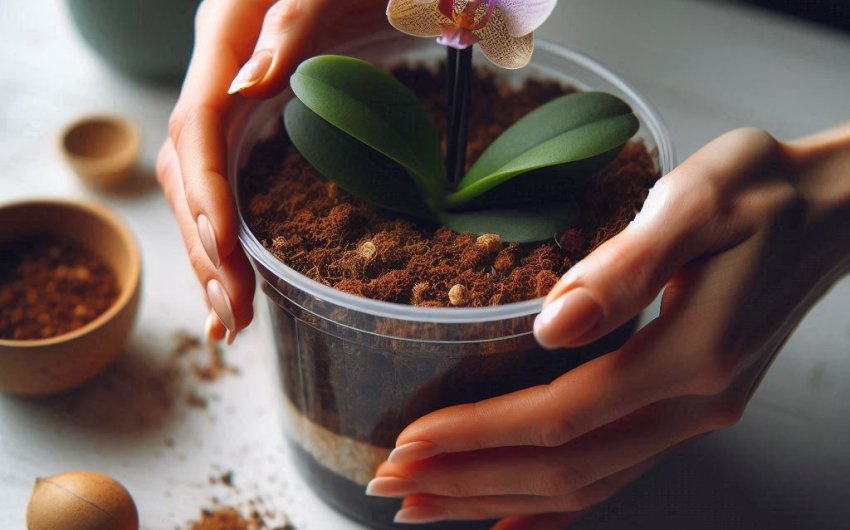
Orchids, with their exotic beauty and elegant blooms, have captured the hearts of many plant enthusiasts. While often perceived as delicate or difficult to care for, these stunning plants are surprisingly resilient once you understand their unique needs. One of the most common reasons an orchid struggles is due to improper potting or old, broken-down potting mix. Unlike most houseplants, orchids do not grow in traditional soil; many are epiphytes, meaning they grow on other plants (like trees) in their natural habitat, clinging to bark with their aerial roots. This unique growth habit dictates the type of potting medium and pot they require. Learning how to repot orchids step by step is a fundamental skill that will ensure your prized plants remain healthy, vibrant, and continue to grace your home with their breathtaking flowers for years to come. This comprehensive guide will demystify the process, making orchid repotting an easy and successful task for any grower.
Why and when should you repot an orchid?
Understanding the reasons behind repotting an orchid and recognizing the right time to do so are crucial for its long-term health and continued blooming. It's not a task to be rushed into, but rather a necessary maintenance step that provides your orchid with a fresh start.
What are the signs an orchid needs repotting?
There are several clear indicators that your orchid needs repotting:
- Decomposed potting mix: This is the most common reason. Orchid potting mixes, especially bark, break down over time. As the mix breaks down, it holds too much moisture, reduces air circulation around the roots, and can become acidic, all of which lead to root rot. You'll notice the mix looks mushy, dark, or compact, rather than airy and chunky.
- Overgrown roots (root-bound): If roots are growing out of the drainage holes, pushing the plant out of the pot, or forming a dense, tangled mass that makes watering difficult, your orchid is likely root-bound. While some orchids don't mind being slightly root-bound, extreme cases hinder nutrient and water uptake.
- Excess aerial roots: While aerial roots are normal for many orchids (especially Phalaenopsis), an excessive amount spilling out of the pot can sometimes indicate the roots inside the pot are unhealthy or the plant is seeking better conditions.
- Plant instability: If the orchid feels wobbly or unstable in its pot, it might be due to root loss or simply outgrowing its container.
- Foul smell: A sour or moldy smell coming from the pot is a strong indicator of rotting potting mix or roots.
- Salt buildup: Over time, fertilizers can leave behind a white, crusty buildup on the pot or media, which can harm roots.
How often should you repot orchids?
The frequency of repotting orchids varies depending on the type of orchid and the potting medium used.
- Phalaenopsis (Moth Orchids): Generally every 1-2 years, or when the potting mix starts to break down.
- Cattleyas, Dendrobiums, Oncidiums: Usually every 2-3 years, as their potting mixes tend to be chunkier and break down slower.
It's less about a strict calendar schedule and more about observing the signs mentioned above, particularly the breakdown of the potting medium. If your orchid is happy and healthy in fresh media, there's no need to disturb it.
When is the best time of year to repot an orchid?
The best time to repot an orchid is typically after it has finished flowering and when new growth is just beginning. This allows the plant to recover quickly from the disturbance and establish new roots in the fresh medium. For most Phalaenopsis, this often means late winter or early spring. Avoid repotting an orchid that is currently in bloom, as this can cause the flowers to drop prematurely. Also, avoid repotting during periods of extreme heat or cold, as this can stress the plant.
What supplies do you need to repot an orchid?
Gathering all your orchid repotting supplies before you begin will make the process smooth and stress-free. Having everything at hand ensures you can work efficiently without interruptions.
What kind of pot is best for orchids?
Choosing the right pot for orchids is crucial for proper root health.
- Clear plastic pots: These are often recommended, especially for Phalaenopsis, as they allow you to see the roots and monitor their health, as well as observe when the potting mix is dry. Many come with extra side ventilation holes. You can find clear orchid pots with drainage in various sizes.
- Terracotta/Clay pots: These are porous and allow for excellent air circulation, which is great for orchids that prefer to dry out quickly between waterings. However, they can dry out faster, requiring more frequent watering. The roots can also cling tightly to the rough interior, making future repotting more challenging.
- Net pots: These highly ventilated pots are ideal for orchids that need maximum airflow around their roots, often used in semi-hydroponic setups or with very coarse media.
- Size: Choose a pot that is only slightly larger than the current one (typically 1-2 inches wider in diameter). Orchids generally prefer to be a bit snug in their pots. Too large a pot holds too much moisture, increasing the risk of root rot.
What type of potting medium should you use for orchids?
Orchid potting medium is very different from standard potting soil. It needs to provide excellent drainage and aeration, mimicking their natural environment. The type of mix depends on the orchid species and your watering habits.
- Orchid Bark: This is the most common medium, especially for Phalaenopsis. It's usually made from fir bark. Different grades exist: fine, medium, and coarse. Medium-grade orchid bark is a good all-purpose choice. It offers excellent drainage but dries out relatively quickly.
- Sphagnum Moss: Long-fiber sphagnum moss retains a lot of moisture, making it suitable for orchids that prefer more consistent dampness (e.g., some Oncidiums or Paphiopedilums), or for growers who tend to underwater. Use it sparingly or in combination with bark to avoid overly wet conditions.
- Charcoal: Horticultural charcoal is often added to orchid mixes to absorb impurities and improve drainage.
- Perlite or Pumice: These are inert materials that further improve drainage and aeration.
- Ready-made mixes: Many reputable brands offer pre-mixed orchid potting blends tailored for specific orchid types. These are great for beginners.
Avoid garden soil, standard potting mix, or anything that holds too much water.
What tools do you need for repotting orchids?
Having the right tools for repotting orchids makes the job easier and safer for your plant:
- Sterilized cutting tools: Sharp, sterile scissors or a razor blade are essential for trimming dead or rotting roots. Sterilize them with rubbing alcohol or by flaming them. You can find gardening shears for orchids specifically designed for delicate cuts.
- Gloves: Optional, but can protect your hands.
- Spray bottle: For moistening the new medium (if using bark) or spraying roots.
- Hydrogen peroxide (3%): Optional, but useful for disinfecting cutting tools and treating root rot.
- Cinnamon powder: Optional, but a natural antifungal that can be sprinkled on cuts to prevent disease.
- New pot(s): As discussed above.
- New orchid potting mix: Plenty of it!
- Newspaper or plastic sheet: To protect your work surface.
How to repot an orchid step-by-step?
Now that you've gathered your supplies and understand the "why" and "when," let's walk through the detailed process of how to repot an orchid step-by-step.
Step 1: Prepare your workspace and supplies
Before you start, lay down newspaper or a plastic sheet to protect your work surface. This will make cleanup much easier. Have all your chosen orchid potting mix, new pot, sterilized cutting tools, and any optional supplies (cinnamon, spray bottle) within easy reach. If using bark, it's a good idea to pre-soak the new bark mix for at least 30 minutes (or even overnight) in warm water. This hydrates the bark, making it more pliable and less likely to repel water initially.
Step 2: Remove the orchid from its old pot
Gently remove the orchid from its old pot. If it's in a plastic pot, you can often squeeze the sides of the pot to loosen the roots. If the roots are really stuck, you might need to use a clean, sterile knife to run around the inside edge of the pot, or even cut the plastic pot away carefully. Try to avoid damaging the roots as much as possible. If it's in a terracotta pot and roots are stuck, you might have to break the pot.
Step 3: Clean off old potting mix and inspect roots
Once the orchid is out, carefully remove all the old, deteriorated potting mix from around the roots. Use your fingers to gently tease out any stubborn pieces. This is crucial as old mix can harbor diseases and lead to rot. Once the roots are relatively clean, you can see them clearly. Now, inspect the roots carefully.
Step 4: Trim dead or unhealthy roots
This is one of the most important steps for orchid repotting. Using your sterilized scissors or razor blade, trim away any dead or unhealthy roots.
- Healthy roots: Will look firm, plump, and typically white, green, or silvery-grey.
- Unhealthy/Dead roots: Will appear brown, black, mushy, papery, or hollow when squeezed. Some might have a sour smell.
- Cutting technique: Make clean cuts, just above the unhealthy section, back to healthy root tissue. If a whole root is dead, remove it completely. If you make a cut, you can lightly dust the cut end with cinnamon powder, a natural antifungal, to help prevent infection.
Don't be afraid to remove a good portion of the roots if they are all dead or rotting. It's better to have fewer healthy roots than many unhealthy ones. Healthy roots are essential for the orchid's survival.
Step 5: Place orchid in new pot
Place a layer of your fresh, pre-soaked orchid potting mix at the bottom of the new pot. Center the orchid in the pot, making sure the base of the plant (where the roots meet the stem, or the "crown") is level with or slightly below the rim of the pot. Avoid burying the crown, as this can lead to crown rot.
Step 6: Fill pot with new medium
Carefully begin filling the pot with the remaining new orchid potting mix, working it around the roots. Use your fingers or a potting stick to gently push the mix into all the nooks and crannies between the roots, ensuring there are no large air pockets. As you fill, gently tap the pot on your work surface a few times. This helps the mix settle and encourages it to fill gaps without compacting it too much. Make sure the plant is stable in the new pot.
Step 7: Post-repotting care
After repotting your orchid, it's important to adjust your care routine for the first few weeks to help it recover:
- Do not water immediately: Wait about 5-7 days after repotting before your first watering. This allows any small wounds on the roots (from trimming or handling) to heal and callus, preventing rot when they come into contact with moisture.
- Provide bright, indirect light: Place the repotted orchid in a spot with bright, indirect light. Avoid direct, harsh sunlight for a few weeks, as this can stress a recovering plant.
- Avoid fertilizing: Do not fertilize for about 4-6 weeks after repotting. The fresh medium usually provides enough nutrients initially, and fertilizer can burn fragile new roots.
- Monitor for new growth: Once you see signs of new root growth or new leaves emerging, you can resume your regular watering and fertilization schedule.
By following these steps meticulously, you'll provide your orchid with the optimal environment to thrive, recover, and eventually reward you with its magnificent blooms once again.
Common orchid repotting mistakes to avoid
Even with a step-by-step guide, it's easy for beginners to make mistakes when repotting orchids. Being aware of these common pitfalls can help you avoid them and ensure a successful outcome.
What is the biggest mistake when repotting orchids?
The single biggest mistake when repotting orchids is overwatering immediately after repotting or keeping the new medium too wet. As mentioned, roots are very susceptible to rot if they sit in soggy conditions, especially after being disturbed. Allowing them to dry out for a few days to a week after repotting allows any nicks or cuts to heal, forming a protective callus, which is vital before introducing moisture. Many growers are tempted to water right away to "settle" the plant, but this often leads to disaster.
Why is using the wrong size pot a problem?
Using the wrong size pot is a common mistake.
- Pot too large: A pot that is too large for the orchid's root system will hold too much potting medium. This excess medium will retain too much moisture for too long, significantly increasing the risk of root rot. Orchids actually prefer to be a bit "snug" in their pots, which helps them dry out efficiently.
- Pot too small: While less common for root rot, a pot that is too small will quickly become root-bound again, hindering growth and requiring another repotting sooner than necessary.
Always choose a pot that is just one size larger than the previous one, or if you had to trim a lot of dead roots, you might even reuse the same size pot.
What happens if you don't remove old potting mix?
Failing to remove all old potting mix during repotting is another critical error. Old orchid bark and other media break down over time into fine particles. These fine particles trap moisture and reduce air circulation around the roots, creating an anaerobic (oxygen-lacking) environment perfect for root rot. Leaving old, decomposed mix around the roots will negate the benefits of repotting into fresh, airy medium, essentially contaminating the new healthy environment. It's vital to meticulously clean off as much of the old medium as possible before placing the orchid in its new pot.
Why is proper sterilization of tools important?
Proper sterilization of cutting tools is incredibly important to prevent the spread of diseases. Orchids can carry viruses or fungal infections that are not always immediately visible. If you use unsterilized tools on a healthy orchid after using them on an infected one (or even another plant), you risk transmitting pathogens directly into the open wounds created by trimming roots. Always sterilize your scissors or razor blade with rubbing alcohol, hydrogen peroxide, or by flaming them between plants to ensure you're not inadvertently spreading disease.
Can you reuse old orchid potting mix?
No, you should never reuse old orchid potting mix. As discussed, old potting mix breaks down and loses its ideal properties for orchids. It becomes compacted, holds too much moisture, and can harbor harmful fungi, bacteria, or insect larvae. Using old mix essentially puts your freshly repotted orchid back into the same unhealthy environment you just removed it from. Always use fresh, high-quality orchid potting medium when repotting to give your plant the best chance to thrive.
By paying attention to these details and following the step-by-step guide on how to repot orchids, you can confidently give your beautiful plants the refresh they need to continue blooming gloriously in your home.