
Container Gardening: Maximize Greenery in Tight Spots
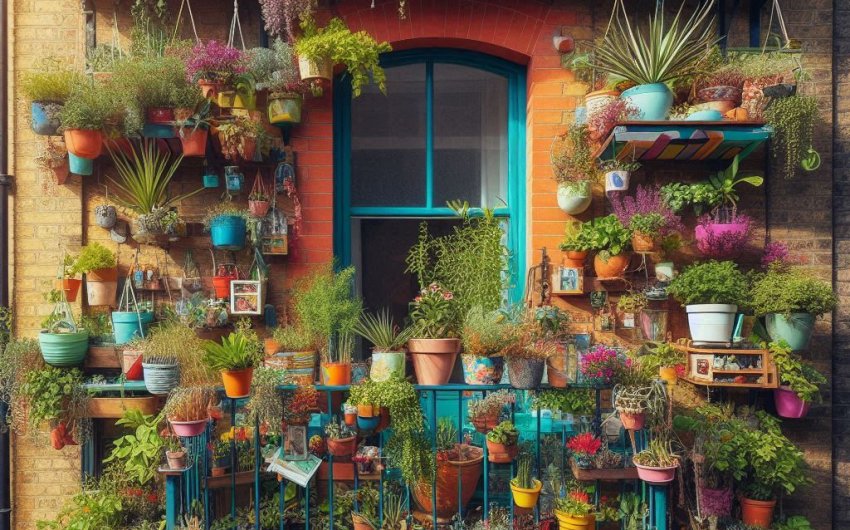
Embracing the joy of cultivating plants doesn't require a sprawling backyard or acres of land. Even the smallest patio, balcony, or sunny window can become a vibrant green oasis, thanks to the versatility of container gardening. This method allows you to grow a diverse array of flowers, herbs, vegetables, and even small shrubs by simply utilizing pots, boxes, and vertical structures. It's an ideal solution for urban dwellers, apartment residents, or anyone with limited outdoor space who dreams of fresh produce or a beautiful floral display. This comprehensive guide will walk you through everything you need to know about setting up and maintaining a thriving container garden for small spaces, helping you unlock the full potential of your compact outdoor areas and enjoy the rewards of growing your own plants.
Why choose container gardening for small spaces?
Container gardening offers a wealth of benefits, especially when working with limited room. It transforms seemingly unusable areas into productive and beautiful plant havens, making gardening accessible to almost anyone.
What are the main advantages of container gardening?
The primary advantages of using containers for gardening are numerous:
- Space efficiency: This is the most obvious benefit. Pots and planters allow you to grow plants in areas where traditional in-ground beds aren't possible, such as balconies, patios, rooftops, or even indoors by a sunny window. You can arrange them strategically to fit any nook or cranny.
- Portability: Containers offer incredible flexibility. You can move plants to optimize sunlight throughout the day, bring tender plants indoors during cold weather, or rearrange your garden layout to suit your mood or needs. This is particularly useful for apartment living.
- Soil control: With containers, you have complete control over the soil medium. This is a huge advantage if your native garden soil is poor, compacted, or contaminated. You can create the perfect customized blend for each plant's specific needs, ensuring optimal drainage and nutrient content.
- Weed and pest management: Weeds are significantly reduced in containers compared to in-ground gardens. Pests can also be easier to spot and manage when plants are isolated in pots, allowing for targeted treatment.
- Reduced back strain: Elevated containers and raised beds can minimize bending and kneeling, making gardening more comfortable and accessible for people with mobility issues.
- Aesthetics and design: Containers come in an endless variety of shapes, sizes, colors, and materials, allowing you to incorporate your personal style and create visually appealing arrangements. You can easily change themes and plants each season.
- Early planting/late harvesting: The soil in containers warms up faster in spring, allowing for earlier planting. Similarly, you can extend the growing season by bringing plants indoors or to sheltered locations as temperatures drop.
Can you grow a lot in a small container garden?
Absolutely! While the footprint is small, the potential yield from a small container garden can be surprisingly large, especially if you focus on plants that are productive in pots and employ smart design strategies. The key is to think vertically and choose plants that offer a good return on space. For instance, a single determinate tomato plant in a large pot can produce dozens of fruits, while a hanging basket of strawberries can yield sweet berries all season long. With careful planning, you can harvest fresh herbs, crisp lettuce, vibrant flowers, and even root vegetables from a compact space.
Is container gardening good for beginners?
Container gardening is excellent for beginners. It provides a manageable entry point into gardening without the complexities of soil amendment, large-scale weed control, or extensive pest management often associated with in-ground beds. The limited scale allows new gardeners to learn the basics of watering, light requirements, and plant care on a smaller, more forgiving level. Success in a few pots can quickly build confidence for tackling larger projects in the future. Plus, the portability means you can easily move plants if a location isn't working out, making it easier to experiment and learn from experience.
What are the best containers for small spaces?
Choosing the right containers is a foundational step in successful small-space gardening. The material, size, and type of pot all play a role in plant health and your garden's overall aesthetic.
What materials are best for garden containers?
Different materials offer varying benefits for container gardening:
- Terracotta/Clay: Unglazed terracotta pots are classic for a reason. Their porous nature allows excess moisture to evaporate through the pot's walls, which is excellent for plants that prefer well-drained soil (like herbs or many vegetables) and helps prevent overwatering. However, they can dry out quickly in hot, sunny conditions, requiring more frequent watering.
- Plastic: Plastic pots are lightweight, inexpensive, and retain moisture well, reducing watering frequency. They are durable and come in a vast array of colors and designs. However, darker plastic can absorb a lot of heat in direct sun, potentially overheating roots, and they don't allow for as much air circulation as porous materials.
- Ceramic/Glazed: Glazed ceramic pots are beautiful and retain moisture like plastic, but they are heavy and more expensive. Ensure they have good drainage holes.
- Fabric/Grow Bags: Fabric grow bags are increasingly popular. They are lightweight, allow for excellent air circulation (preventing root circling), and promote natural root pruning (air pruning). They drain well and keep roots cooler in hot weather. They are typically less aesthetically pleasing than decorative pots but are highly functional for vegetables.
- Wood: Wooden planters (like cedar or redwood) offer a natural look and insulate roots well. They can be heavy and may rot over time if not treated or lined.
- Metal: Metal containers (like galvanized tubs or old buckets) can be attractive but conduct heat and cold quickly, potentially stressing roots. Ensure good drainage.
How big should containers be for different plants?
Container size is crucial. Too small, and roots become cramped, leading to stunted growth and frequent watering. Too large, and the soil may stay wet for too long, risking root rot. A good rule of thumb is to choose the largest pot that fits your space and plant needs.
- Herbs (small): 6-8 inch diameter (e.g., basil, cilantro, chives)
- Leafy Greens: 6-10 inch diameter for individual plants; larger for multiple (e.g., lettuce, spinach, kale)
- Bush Beans, Carrots (shorter varieties): 8-12 inch diameter
- Peppers, Eggplant, Bush Tomatoes: 12-16 inch diameter (at least 5 gallons)
- Determinate Tomatoes, Dwarf Fruit Trees: 18-24 inch diameter (at least 10-20 gallons)
- Climbing Plants (Cucumbers, Pole Beans): Large, stable pots (12-18 inches minimum) with a sturdy trellis.
Always check the specific mature size of the plant you plan to grow and match it with an appropriately sized container. When in doubt, go slightly larger.
Do containers need drainage holes?
Yes, containers absolutely need drainage holes. This is a non-negotiable requirement for almost all plants. Without drainage, excess water collects at the bottom of the pot, creating a waterlogged environment that suffocates roots and leads to root rot, a common killer of container plants. Aim for multiple drainage holes to ensure proper water flow. If a decorative pot lacks holes, use it as a cachepot (an outer decorative pot) and keep your plant in a slightly smaller, plastic nursery pot with drainage holes inside it. Never put gravel or rocks at the bottom of the pot; this actually hinders drainage.
What are vertical gardening solutions for small spaces?
Vertical gardening is a game-changer for small spaces, allowing you to grow upward instead of outward. This maximizes your planting area significantly.
- Wall-mounted planters: Wall-mounted planters come in various forms, from individual pots that hang on a rail to multi-pocket fabric systems. They're perfect for herbs, strawberries, or small flowers.
- Tiered planters: These systems, like strawberry towers or stacked pots, create multiple planting levels in a small footprint.
- Pallet gardens: Repurposed pallets can be transformed into vertical planters by adding fabric or plastic liners to create pockets for soil.
- Shelving units: Sturdy outdoor shelving allows you to display multiple pots at different heights, making use of vertical air space.
- Trellises and stakes: For vining plants like cucumbers, pole beans, or indeterminate tomatoes, provide a sturdy trellis or stakes within the pot to encourage upward growth.
- Hanging baskets: Hanging baskets are perfect for trailing plants like cherry tomatoes, strawberries, or cascading flowers, utilizing overhead space.
Combining several vertical gardening techniques can create a lush, productive garden even on the tiniest balcony.
What kind of soil is best for container gardening?
The soil (potting mix) you use in containers is vitally important, as it's the only source of nutrients, moisture, and aeration for your plants' roots. It's very different from garden soil.
Why can't you use garden soil in containers?
You should never use native garden soil in containers. Garden soil is typically too heavy and dense for pots. It compacts easily, which suffocates roots, hinders drainage, and prevents proper air circulation. It also often contains weed seeds, pests, and diseases that you don't want to introduce into your confined container environment. Container plants need a specialized mix designed to remain loose, airy, and well-draining.
What are the components of good potting mix for containers?
A good potting mix for containers is often called a "soilless mix" because it contains no actual dirt. Instead, it's a blend of ingredients that provide the right balance of drainage, aeration, and moisture retention.
- Peat Moss or Coco Coir: These are the base materials. Peat moss is excellent at retaining water and nutrients but can become hydrophobic (repel water) when completely dry. Coco coir is a sustainable alternative that also holds moisture well and re-wets easily.
- Perlite or Vermiculite: These lightweight, inert materials improve drainage and aeration. Perlite is volcanic rock that expands when heated, creating tiny air pockets. Vermiculite is a mineral that also holds some moisture.
- Compost or Worm Castings: While "soilless," adding a small amount (10-20%) of high-quality compost or worm castings provides slow-release nutrients and beneficial microbes.
- Slow-Release Fertilizer: Many commercial potting mixes include a slow-release granular fertilizer, which can feed your plants for several weeks.
You can buy excellent pre-mixed potting soil for containers, or create your own custom blends for specific plant needs.
Should you amend potting mix for different plants?
While a general-purpose potting mix works for many plants, amending your potting mix can optimize conditions for specific plant types, leading to better growth and yields.
- For plants that love drainage (herbs, succulents, many vegetables): Add extra perlite or coarse sand to your mix to make it even more free-draining.
- For acid-loving plants (blueberries, some flowers): Incorporate sphagnum peat moss or pine bark fines to lower the pH.
- For heavy feeders (tomatoes, peppers): Start with a rich potting mix and consider mixing in a slow-release organic granular fertilizer at planting, and be ready to fertilize regularly throughout the season.
How do you properly water container gardens?
Watering container plants is perhaps the most critical aspect of their care, as they rely entirely on you for moisture. Their limited soil volume means they dry out much faster than in-ground plants.
How often should you water container plants?
There's no single answer to how often to water container plants, as it depends on many factors:
- Container size and material: Smaller pots and terracotta pots dry out faster.
- Plant type: Some plants (e.g., succulents) prefer dry conditions, others (e.g., impatiens) like consistent moisture.
- Weather: Hot, sunny, windy days will cause pots to dry out much quicker than cool, cloudy days.
- Plant size: Large plants with extensive root systems in small pots will be thirstier.
The best method is to check the soil moisture daily by sticking your finger an inch or two into the soil. If it feels dry, it's time to water. For most plants, water when the top inch or two is dry. For plants that like to dry out completely, wait until the soil is dry deeper down.
What is the best way to water container plants?
When you water, water thoroughly until water drains from the bottom of the pot. This ensures that the entire root ball gets moistened. Water slowly to allow the soil to absorb it rather than running straight through. For very dry pots, you might need to water a little, wait for it to soak in, then water again. If a pot is extremely dry and hydrophobic, you can submerge it in a bucket of water for 20-30 minutes until bubbles stop rising, then let it drain completely. Always empty excess water from saucers to prevent root rot.
Do container plants need more water than in-ground plants?
Yes, container plants almost always need more frequent watering than in-ground plants. This is due to their limited soil volume, which holds less water, and increased exposure to air flow around the sides of the pot, which speeds up evaporation. On hot, sunny, windy days, some container plants might even need to be watered twice a day. In-ground plants, on the other hand, have access to a much larger reservoir of moisture in the surrounding soil.
How and when to fertilize container plants?
Because container plants have limited access to nutrients in their small soil volume, fertilizing is essential for healthy growth and abundant yields.
How often should you fertilize container plants?
Most container plants are heavy feeders because nutrients are quickly used up by the plant or leached out with watering. Therefore, regular fertilization is typically necessary.
- Initial Boost: Many commercial potting mixes include a slow-release fertilizer that feeds plants for the first few weeks.
- Regular Feeding: After the initial nutrient supply runs out, you'll need to start a regular feeding schedule. For most flowering plants and fruiting vegetables (tomatoes, peppers), a balanced liquid fertilizer applied every 1-2 weeks is common. For leafy greens and herbs, every 2-4 weeks might suffice.
- Observation: The best guide is your plants. If they look pale, growth slows, or flowering is poor, they likely need nutrients.
What types of fertilizer are best for container plants?
There are several types of fertilizers suitable for container gardens:
- Liquid Fertilizers: These are popular for containers because they provide an immediate nutrient boost and are easy to apply. Look for a balanced all-purpose liquid fertilizer or specific formulations for vegetables or flowering plants. Always dilute according to package directions. Fish emulsion and liquid kelp are good organic options.
- Slow-Release Granular Fertilizers: These coated granules release nutrients gradually over weeks or months, reducing the frequency of application. Mix them into the soil at planting time or top-dress occasionally. Osmocote Smart-Release Plant Food is a popular choice.
- Organic Amendments: Incorporating compost or worm castings into your potting mix at planting time provides a slow, steady supply of nutrients and improves soil health.
What are the signs of over-fertilization?
Over-fertilization can be as damaging as under-fertilization. Signs include:
- Brown or yellow leaf tips/edges: Often called "fertilizer burn."
- Stunted growth or wilting: Despite adequate water.
- White crust on the soil surface: A buildup of salts from the fertilizer.
If you suspect over-fertilization, flush the pot thoroughly with plain water several times to leach out excess salts, and then pause fertilization for a few weeks. Always err on the side of under-fertilizing rather than over-fertilizing.
What are the best plants for small container gardens?
Choosing the right plants for small container gardens is essential for success. Look for compact varieties, those that tolerate restricted root space, and plants with a high yield-to-space ratio.
Which vegetables grow well in containers?
Many vegetables thrive in containers, especially compact or bush varieties:
- Tomatoes: Look for determinate or bush varieties like 'Patio Princess', 'Tiny Tim', or 'Celebrity'. Cherry tomatoes are also great in hanging baskets. They need large pots (5 gallons or more) and consistent watering.
- Peppers: Both bell peppers and chili peppers do well in containers. Choose compact varieties and use pots 10-12 inches in diameter.
- Bush Beans: Varieties like 'Contender' or 'Provider' are perfect for containers as they don't need trellising.
- Leafy Greens: Lettuce (especially cut-and-come-again varieties), spinach, kale, arugula, and Swiss chard are excellent. They can be grown in shallow but wide containers or window boxes.
- Radishes: Quick to mature and don't need deep soil.
- Carrots: Choose short or round varieties like 'Paris Market' or 'Danvers Half Long' for pots at least 8-12 inches deep.
- Cucumbers: Bush or dwarf varieties are best, or vining types can be grown with a strong trellis.
- Eggplant: Compact varieties like 'Fairy Tale' or 'Patio Baby' are good choices for 12-inch pots.
- Potatoes: Grow bags or large containers are ideal. Plant seed potatoes and mound soil as they grow.
- Herbs: Almost all herbs (basil, mint, parsley, cilantro, thyme, rosemary, oregano) are fantastic in pots. Mint is actually best in a pot to prevent it from spreading!
What fruits can you grow in containers?
Even fruits can be grown in a small container garden:
- Strawberries: Excellent in hanging baskets, strawberry pots, or tiered planters. They produce prolifically.
- Blueberries: Require very acidic soil, so growing them in pots with a specific acid-loving potting mix is ideal. Choose dwarf varieties. You usually need at least two different varieties for cross-pollination.
- Dwarf Citrus Trees: Many dwarf varieties of lemon, lime, and orange trees can thrive in large pots, especially in warmer climates or brought indoors during winter.
- Raspberries/Blackberries: Look for thornless, everbearing, or dwarf varieties that are suitable for containers, like 'Raspberry Shortcake'.
Which flowers are best for container arrangements?
Flowers in containers add beauty, attract pollinators, and can even deter pests. Choose varieties that bloom continuously and have varied forms (thriller, filler, spiller) for attractive arrangements.
- Thrillers (tall, upright focal point): Geraniums, salvias, snapdragons, ornamental grasses.
- Fillers (bushy, mounding): Petunias, impatiens, marigolds, vinca, coleus.
- Spillers (trailing over the edge): Sweet potato vine, lobelia, bacopa, creeping jenny.
Other great container flowers include calibrachoa, zinnia (dwarf varieties), nasturtiums (edible flowers!), and portulaca for hot, sunny spots.
How to plan a successful small container garden layout?
Planning your small container garden layout is about maximizing space, light, and visual appeal:
- Assess your light: Determine where you get full sun (6+ hours), partial sun (4-6 hours), or shade (less than 4 hours), and choose plants accordingly.
- Think vertically: Utilize wall space, shelves, and hanging options to grow upwards.
- Mix and match: Combine different plant types (herbs, flowers, vegetables) in attractive groupings.
- Consider mature size: Don't overcrowd pots. Give each plant enough room to reach its mature size without competing excessively for resources.
- Accessibility: Arrange pots so you can easily reach all plants for watering, harvesting, and pest checks.
- Watering strategy: Group plants with similar watering needs together.
- Theme: Consider a theme, such as an edible garden, a pollinator garden, or a colorful display, to guide your plant choices.
By carefully selecting containers, understanding potting mix needs, mastering watering and fertilizing, and choosing the right plants, anyone can create a flourishing container garden in a small space, enjoying the bounties of nature right at their fingertips.