
Easy Houseplants: Perfect for First-Time Plant Parents
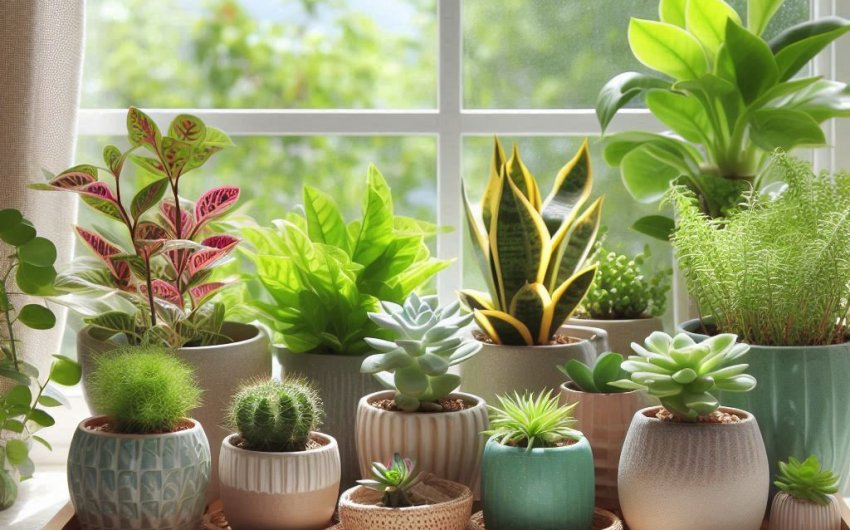
Embarking on the journey of plant parenthood can be incredibly rewarding, bringing a touch of nature's beauty and tranquility into your living space. However, for those just starting out, the thought of keeping a plant alive can seem a bit daunting. The good news is that not all green companions demand constant attention or a seasoned green thumb. Many resilient varieties thrive on minimal fuss, making them ideal for anyone looking to add some greenery without a high-maintenance commitment. This comprehensive guide is designed to introduce you to the wonderful world of low-maintenance houseplants for beginners, offering practical advice and showcasing selections that are forgiving, adaptable, and surprisingly tough. Get ready to transform your home with thriving foliage, even if you've never successfully cared for a plant before.
What makes a houseplant low-maintenance?
When we talk about low-maintenance houseplants, we're referring to plants that can tolerate a bit of neglect, forgive occasional mistakes, and don't require constant fussing. They are perfect for busy individuals, frequent travelers, or anyone new to indoor gardening.
What are the key characteristics of easy-care plants?
Easy-care plants typically share several key characteristics that contribute to their resilience:
- Tolerance to inconsistent watering: They can handle periods of drought and won't immediately wilt or die if you forget to water them for a week or two. Many prefer their soil to dry out completely between waterings.
- Adaptability to varying light conditions: While all plants need light, low-maintenance options can often thrive in a range of light levels, from bright, indirect light to lower-light spots. They won't usually demand a very specific light exposure.
- Forgiving of humidity fluctuations: They don't typically require high humidity levels or frequent misting, making them suitable for average indoor environments, especially during dry winter months.
- Slow to moderate growth rate: Faster-growing plants often need more frequent repotting and nutrient replenishment. Slower growers are less demanding in this regard.
- Resistance to pests and diseases: While no plant is entirely immune, easy-care plants tend to be less susceptible to common houseplant pests and diseases.
- Don't require frequent fertilizing: They are not heavy feeders and can go long periods without supplemental nutrients.
These traits combine to create plants that are incredibly forgiving, allowing beginners to learn and gain confidence without the immediate heartbreak of a struggling plant.
Which common houseplants are truly low-maintenance?
Many plants are advertised as "easy," but some truly stand out as the best low-maintenance houseplants for beginners. These varieties are known for their resilience and ability to thrive even with minimal attention.
Is the Snake Plant really low-maintenance?
Absolutely! The Snake Plant (Sansevieria trifasciata) is often hailed as one of the most indestructible low-maintenance houseplants. Its upright, sword-like leaves come in various heights and patterns, adding a modern, architectural touch to any space. Varieties like Sansevieria trifasciata 'Laurentii' with yellow edges or the more compact Sansevieria cylindrica (Cylindrical Snake Plant) are incredibly adaptable.
- Light: Tolerates a wide range, from very low light to bright, indirect light. It will grow faster in brighter conditions.
- Watering: Can go for weeks without water. Allow the soil to dry out completely between waterings. Overwatering is its only real enemy.
- Humidity: Not picky about humidity.
- Care tips: Don't water frequently. When in doubt, wait longer. It's truly a "set it and forget it" plant.
How easy is a ZZ Plant to care for?
The ZZ Plant (Zamioculcas zamiifolia) is another champion among easy-care houseplants. Its waxy, dark green leaves grow in an upright, almost feathery pattern. It stores water in its thick rhizomes (underground stems), making it exceptionally drought-tolerant. A popular variety is the Raven ZZ Plant, which emerges bright green and matures to a deep, dark purple-black.
- Light: Prefers moderate to low indirect light. Can tolerate very low light, making it perfect for dimly lit rooms. Avoid direct sun, which can scorch its leaves.
- Watering: Very infrequent. Allow the soil to dry out completely and stay dry for a week or two before watering again. Less is more.
- Humidity: Tolerates average indoor humidity.
- Care tips: Similar to the Snake Plant, overwatering is the biggest risk. Err on the side of underwatering.
Are Pothos plants good for beginners?
Pothos (Epipremnum aureum) is a classic and beloved beginner houseplant for good reason. Its trailing vines and heart-shaped leaves come in many attractive varieties, including Golden Pothos, Marble Queen Pothos, and Neon Pothos. They are incredibly forgiving and can be grown in hanging baskets, on shelves, or allowed to climb.
- Light: Tolerates low to bright, indirect light. Brighter light can bring out more variegation in patterned varieties.
- Watering: Water when the top inch or two of soil feels dry. They'll tell you when they're thirsty by slightly drooping leaves, which perk up quickly after watering.
- Humidity: Adapts to average household humidity.
- Care tips: If leaves start yellowing, it's often a sign of overwatering. They are also very easy to propagate from stem cuttings.
How durable are Spider Plants?
The Spider Plant (Chlorophytum comosum) is another exceptionally durable and popular choice for new plant parents. Known for its arching leaves and adorable "spiderettes" (baby plants) that dangle from the mother plant, it's a natural for hanging baskets and offers easy propagation. Variegated Spider Plants are especially common and attractive.
- Light: Prefers bright, indirect light, but can tolerate lower light conditions. Avoid direct afternoon sun.
- Watering: Water when the top inch of soil feels dry. They don't mind drying out a bit between waterings.
- Humidity: Tolerates average indoor humidity.
- Care tips: Use distilled or filtered water if you notice brown tips on the leaves, as they can be sensitive to fluoride in tap water. Propagate the spiderettes by rooting them in water or soil.
Are Peace Lilies truly low-maintenance?
While they appreciate consistent moisture more than some other plants on this list, Peace Lilies (Spathiphyllum) are still considered low-maintenance due to their dramatic way of communicating thirst. When they need water, their leaves will visibly droop. Water them, and they'll perk right back up, often within minutes! Their elegant white "flowers" (actually modified leaves called spathes) add a touch of grace.
- Light: Prefers low to moderate, indirect light. Too much direct sun can scorch leaves; too little light can reduce flowering.
- Watering: Water when the top inch or two of soil is dry, or when the plant starts to noticeably droop. They don't like to sit in soggy soil.
- Humidity: Tolerates average humidity, but appreciates higher humidity. Misting occasionally can be beneficial.
- Care tips: Don't let them sit in standing water. They are excellent air purifiers.
How easy is a Cast Iron Plant to grow indoors?
The Cast Iron Plant (Aspidistra elatior) truly lives up to its name. It is incredibly tough and forgiving, making it one of the most reliable low-maintenance houseplants for challenging conditions. It tolerates deep shade and neglect like no other. Its long, dark green leaves add a classic, understated elegance.
- Light: Thrives in very low light conditions, even deep shade. Direct sun will scorch its leaves.
- Watering: Water sparingly. Allow the soil to dry out completely between waterings, and then wait a bit longer. Overwatering is the biggest risk.
- Humidity: Not particular about humidity.
- Care tips: Perfect for north-facing rooms or corners far from windows. Don't overwater.
Can ZZ Plants thrive in low light?
Yes, ZZ Plants are exceptionally well-suited for low-light conditions. They evolved in dry, shaded forests, allowing them to thrive where many other plants would struggle. While they will grow faster and potentially larger in brighter, indirect light, they are perfectly content in dimly lit corners or offices with minimal natural light, making them one of the ultimate low-maintenance houseplants for challenging spots. Just be sure to reduce watering significantly in lower light, as the soil will take much longer to dry out.
What are essential tips for beginners with houseplants?
Beyond choosing the right low-maintenance houseplants, a few fundamental practices will set you up for success and help your green companions thrive.
How important is proper watering for houseplants?
Proper watering is the most crucial aspect of houseplant care, especially for beginners. Overwatering is by far the leading cause of houseplant death. For most low-maintenance plants, the key is to allow the soil to dry out significantly between waterings.
- Feel the soil: Stick your finger about 1-2 inches deep into the soil. If it feels dry, it's time to water. For succulents like Snake Plants and ZZ Plants, allow the soil to dry out completely and then wait a few more days.
- Use drainage holes: Always use pots with drainage holes to allow excess water to escape. Sitting in stagnant water leads to root rot. Place a saucer underneath to catch the water.
- Water thoroughly: When you water, water deeply until water drains from the bottom of the pot. This encourages deep root growth. Discard any excess water from the saucer after about 30 minutes.
- Reduce watering in winter: Plants need less water during cooler, darker winter months when their growth slows down.
What type of soil do houseplants need?
Most low-maintenance houseplants thrive in a well-draining potting mix. A good quality all-purpose potting mix is usually sufficient for most. For succulents like Snake Plants and ZZ Plants, or if you tend to overwater, you can improve drainage by mixing in some perlite or cactus and succulent mix to your regular potting soil. The goal is a mix that holds some moisture but doesn't stay soggy.
How do you find the right light for your plants?
Understanding your home's light conditions is vital.
- Bright, indirect light: This is ideal for most houseplants. It means the plant is in a bright room but not in direct sunbeams. A few feet from a south or west-facing window, or near an east-facing window, is often good.
- Low light: Areas with minimal natural light, like north-facing rooms or interior spaces. Plants like the ZZ Plant and Cast Iron Plant excel here.
- Monitor your plants: Pay attention to how your plants react. If leaves are scorching or bleached, move them away from direct light. If growth is leggy (stretching towards the light) or sparse, they need more light.
Do houseplants need fertilizer?
Low-maintenance houseplants are not heavy feeders. You generally only need to fertilize them during their active growing season (spring and summer), and even then, sparingly. Many beginners can skip fertilizing for the first year.
- Dilute fertilizer: If you choose to fertilize, use a balanced liquid houseplant fertilizer at half or quarter strength every 2-4 weeks.
- Don't fertilize dormant plants: Never fertilize in fall or winter when plants are resting.
- Always water before fertilizing: Applying fertilizer to dry soil can burn the roots.
When should you repot a low-maintenance houseplant?
Low-maintenance houseplants don't need frequent repotting. Many prefer to be a bit root-bound. You typically only need to repot every 1-2 years, or when you see signs like:
- Roots growing out of the drainage holes.
- The plant becoming top-heavy and unstable.
- The soil drying out very quickly after watering, indicating it's mostly roots.
- The plant showing signs of stunted growth despite good care.
When you do repot, choose a pot only one size larger than the current one (e.g., from 6 inches to 8 inches).
Troubleshooting common beginner houseplant problems
Even with resilient plants, new challenges can arise. Knowing how to troubleshoot basic issues will help you keep your low-maintenance houseplants looking their best.
Why are my houseplant leaves turning yellow?
Yellowing leaves are a very common symptom in houseplants, and they can indicate several issues:
- Overwatering (most common): If the leaves are also soft, mushy, or the soil stays wet for too long, overwatering is the likely culprit. This leads to root rot. Allow the soil to dry out completely between waterings.
- Underwatering: If older leaves yellow and then crisp up, or the whole plant looks droopy and dull, it might be thirsty. Water thoroughly.
- Lack of light: If yellowing is accompanied by leggy growth, the plant might not be getting enough light.
- Nutrient deficiency: Less common for low-maintenance plants, but if the soil is old and plants haven't been fertilized in a long time, it could be a factor.
What causes brown tips on houseplant leaves?
Brown tips on houseplant leaves are often a sign of environmental stress:
- Low humidity: Many houseplants prefer higher humidity than typically found in homes, especially in winter when heating systems dry out the air. Consider grouping plants or using a pebble tray.
- Over-fertilization: Too much fertilizer can burn the leaf tips. Flush the soil with plain water.
- Fluoride or chlorine in tap water: Some sensitive plants, like Spider Plants, can develop brown tips from chemicals in tap water. Use distilled or filtered water.
- Underwatering: If the plant consistently dries out too much, the tips can brown as the plant conserves moisture.
Why are my houseplant leaves drooping?
Drooping leaves are a plant's way of signaling distress:
- Underwatering (most common for dramatic droopers): Plants like the Peace Lily will visibly wilt when thirsty and quickly perk up after watering.
- Overwatering: Paradoxically, overwatering can also cause drooping. If the soil is soggy and the leaves look limp, soft, and potentially yellowing, it's root rot.
- Sudden temperature changes or drafts: Cold drafts or extreme temperature swings can cause temporary shock and drooping.
- Lack of light: Some plants will droop as they try to orient their leaves towards available light.
How do you get rid of houseplant pests?
While low-maintenance houseplants are less prone to pests, they can still get them. Common culprits include fungus gnats, mealybugs, and spider mites.
- Fungus Gnats: Small, dark flies that hover around the soil, especially in overwatered pots. Their larvae feed on organic matter and sometimes roots.
- Fix: Let the soil dry out completely between waterings. Use yellow sticky traps to catch adults. For severe infestations, try BT (Bacillus thuringiensis israelensis) dunks in your watering can.
- Mealybugs: Look like small, white, cottony masses, often found in leaf axils or under leaves.
- Fix: Dab them directly with a cotton swab dipped in rubbing alcohol. For heavier infestations, spray with insecticidal soap or a diluted neem oil solution.
- Spider Mites: Tiny, almost invisible pests that cause stippling on leaves and fine webbing, especially on the undersides. They thrive in dry conditions.
- Fix: Increase humidity. Spray the plant thoroughly with insecticidal soap or diluted neem oil. Wipe down leaves with a damp cloth.
Regularly inspecting your low-maintenance houseplants will help you catch any problems early, allowing for quicker intervention and keeping your plants thriving with minimal effort.