
How do I deal with powdery mildew on fruit trees?
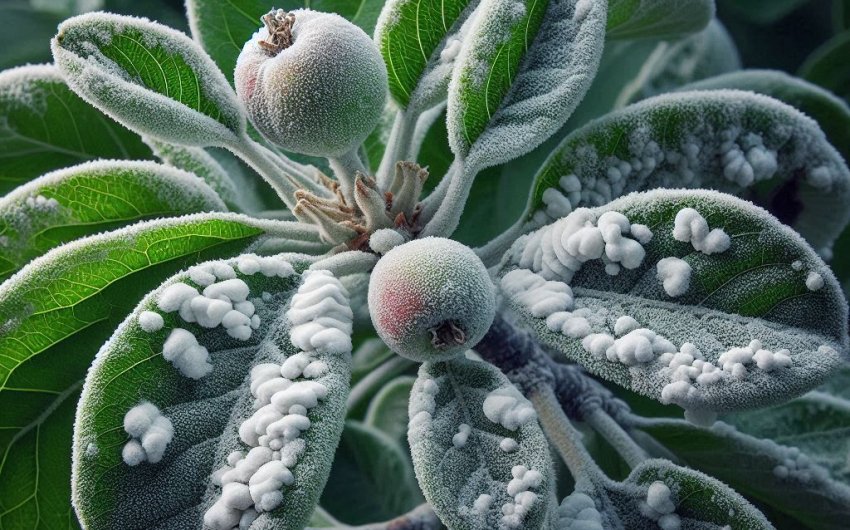
To deal with powdery mildew on fruit trees, focus on preventative measures like choosing resistant varieties, ensuring good air circulation through proper pruning, and appropriate watering. If powdery mildew appears, treat it promptly with organic sprays like neem oil, potassium bicarbonate, or a homemade baking soda solution.
What is Powdery Mildew and How Does it Affect Fruit Trees?
Powdery mildew is a common fungal disease that appears as a distinctive white or grayish, powdery coating on the surface of leaves, stems, flowers, and sometimes fruit of various plants, including many fruit trees. Unlike some other fungi that thrive in wet conditions, powdery mildew prefers dry leaves and humid environments, especially when temperatures are mild (60-80°F or 15-27°C).
The fungus responsible for powdery mildew (often from the Erysiphe or Podosphaera genera for fruit trees) is an obligate parasite, meaning it requires living plant tissue to survive. It doesn't penetrate deep into the plant cells but instead grows on the surface, sending tiny feeding tubes (haustoria) into the epidermal cells to extract nutrients.
How it Affects Fruit Trees:
- Photosynthesis Reduction: The powdery coating blocks sunlight from reaching the leaf surface, reducing the plant's ability to perform photosynthesis, which is how it creates energy. This weakens the tree over time.
- Stunted Growth: Infected leaves may become distorted, curled, or stunted. New shoots can be malformed, leading to reduced overall tree vigor.
- Reduced Fruit Quality and Quantity: Flowers can become infected, leading to poor fruit set or distorted fruit. On fruit itself, the mildew can cause russeting (a rough, brownish texture) or a white coating, making the fruit unappealing and potentially reducing its marketability or storage life. Examples include apple russet, or a white film on grapes.
- Premature Leaf Drop: Severely infected leaves may turn yellow or brown and drop prematurely, further weakening the tree.
- Winter Overwintering: The fungus can overwinter in dormant buds or as small, dark resting spores (chasmothecia) on bark or plant debris, ready to reinfect the tree the following spring.
While powdery mildew rarely kills a mature fruit tree, a severe or recurring infection can significantly reduce its productivity, weaken its health, and make it more susceptible to other stresses and diseases. Therefore, proactive management is key to maintaining healthy fruit trees and ensuring a good harvest.
What Fruit Trees are Most Susceptible to Powdery Mildew?
While many plants can get powdery mildew, some fruit trees and bushes are particularly susceptible due to their genetic makeup and typical growing conditions. Understanding which plants are prone can help you choose resistant varieties or be extra vigilant with preventative measures.
Highly Susceptible Fruit Trees and Bushes:
- Apples: Many apple varieties are highly susceptible, especially younger trees and new growth. Specific susceptible varieties include 'Granny Smith', 'Jonathan', 'Rome Beauty', and 'Macintosh'.
- Peaches and Nectarines: These stone fruits can suffer significantly, with the fungus affecting leaves, young shoots, and even the fruit itself, causing a white, felt-like patch that can lead to scarring or distortion.
- Cherries: Both sweet and tart cherries can be affected, primarily on the leaves and young shoots.
- Grapes: Powdery mildew is a major concern for grape growers. It affects leaves, shoots, flowers, and especially the berries, causing them to crack and become unmarketable.
- Pears: While generally less susceptible than apples, some pear varieties can still get powdery mildew.
- Currants and Gooseberries: These small fruit bushes are often highly prone to powdery mildew, affecting leaves and stems.
- Strawberries: Especially during warm, humid periods, strawberry leaves and fruit can develop powdery mildew.
Factors Increasing Susceptibility:
- Variety: As mentioned, some varieties are simply more genetically prone.
- Age of Tissue: Young, succulent growth is often more susceptible than older, hardened-off leaves.
- Environmental Conditions: Specific conditions like moderate temperatures (60-80°F or 15-27°C) combined with high humidity (but dry leaf surfaces) are ideal for its development.
- Poor Air Circulation: Overcrowded branches or dense planting creates stagnant, humid air pockets that promote fungal growth.
- Over-fertilization with Nitrogen: Excessive nitrogen promotes lush, tender new growth, which is particularly attractive to powdery mildew.
Knowing which of your fruit trees are at higher risk allows you to implement targeted preventative strategies and monitor them closely for early signs of infection.
What Environmental Conditions Favor Powdery Mildew?
Understanding the environmental conditions that favor powdery mildew is crucial for effective prevention and control. Unlike many other fungal diseases that require prolonged periods of leaf wetness, powdery mildew has a unique set of preferences.
Ideal Conditions for Powdery Mildew:
- Moderate Temperatures: The fungus thrives in temperatures between 60-80°F (15-27°C). Below 50°F (10°C) and above 90°F (32°C), its growth slows significantly or stops. This is why it's often more prevalent in spring and fall, or during cooler summer periods.
- High Humidity (but dry leaves): This is the most counter-intuitive aspect. Powdery mildew loves high humidity (above 60%) in the air, but it specifically needs dry leaf surfaces to germinate and spread. Free water on the leaf surface can actually inhibit spore germination for some powdery mildew species, or even wash spores away. This makes overhead watering a mixed bag – it can wash off spores but also increase overall humidity.
- Lack of Air Circulation: Stagnant air allows humidity to build up around leaves and fruit. Overcrowding of branches, dense planting, or lack of proper pruning creates these still, humid pockets, providing an ideal microclimate for the fungus to flourish.
- Shade: While powdery mildew doesn't need darkness, shaded areas tend to have higher humidity and less airflow, making them more prone to infection.
- New, Succulent Growth: Young, tender foliage and shoots are often more susceptible than hardened-off, mature leaves. This is why a flush of new growth due to over-fertilization can quickly become infected.
- Overwintering Spores: The presence of overwintering fungal spores (chasmothecia) on bark, dormant buds, or plant debris from the previous season provides the initial inoculum for new infections in spring.
By recognizing these preferred conditions, you can implement cultural practices that disrupt the mildew's life cycle, such as ensuring good air circulation, proper pruning, and appropriate watering, to make your fruit trees less hospitable to the disease.
How Can I Prevent Powdery Mildew on Fruit Trees?
Preventing powdery mildew on fruit trees is far more effective than trying to cure a severe outbreak. A multi-pronged approach focusing on cultural practices and smart plant selection can significantly reduce its incidence.
1. Choose Resistant Varieties:
- When planting new fruit trees, research and select varieties that have known resistance or tolerance to powdery mildew in your region. This is the single most impactful preventative measure you can take. For example, some apple varieties like 'Liberty', 'Redfree', or 'Prima' have good resistance.
2. Ensure Good Air Circulation:
- Proper Pruning: This is crucial. Annually prune your fruit trees to create an open canopy structure. Remove crossing branches, inward-growing branches, and any suckers or water sprouts. This allows air to flow freely through the tree, reducing humidity within the canopy and drying out leaf surfaces.
- Adequate Spacing: When planting, ensure proper spacing between trees and other plants to prevent overcrowding. This also helps improve air circulation.
3. Smart Watering Practices:
- Water at the Base: Always water your fruit trees at the soil line using drip irrigation, soaker hoses, or a gentle stream from a hose. Avoid overhead watering, which wets the foliage and increases humidity around the leaves, creating ideal conditions for mildew.
- Water in the Morning: If overhead watering is unavoidable, do it in the morning so the foliage has ample time to dry completely before evening.
4. Manage Nitrogen Fertilization:
- Avoid Over-Fertilizing: Excessive nitrogen can promote a flush of tender, succulent new growth that is highly susceptible to powdery mildew. Use balanced fertilizers and apply them according to soil test recommendations. Prioritize slow-release organic fertilizers that feed the soil.
5. Sanitation:
- Remove Infected Material: At the first sign of powdery mildew, prune out and destroy (do not compost) any infected leaves, shoots, or fruit. This reduces the amount of fungal spores available to spread.
- Clean Up Debris: In fall, rake up and dispose of any fallen leaves or fruit that might harbor overwintering spores.
6. Introduce Beneficial Fungi (Optional):
- Some biological controls, like certain strains of Bacillus subtilis (e.g., in Serenade Garden Disease Control), can act as preventative sprays by colonizing the plant surface and competing with the mildew.
By diligently implementing these preventative strategies, you can significantly reduce the risk and severity of powdery mildew infections on your fruit trees, leading to healthier plants and better harvests.
What are the Best Organic Sprays for Powdery Mildew?
When preventative measures aren't enough, several effective organic sprays can help manage and eliminate powdery mildew on fruit trees. These options work by disrupting the fungus's ability to grow, reproduce, or by creating an unfavorable environment on the leaf surface. Always apply sprays thoroughly, covering all affected surfaces, and reapply as needed.
Top Organic Spray Options:
- Neem Oil:
- How it Works: Neem Oil is a natural extract from the neem tree. It works as an antifungal, disrupting the fungus's growth and reproduction. It also has insecticidal properties.
- Application: Mix concentrate with water according to package directions. Spray thoroughly on all affected plant surfaces, including undersides of leaves.
- Considerations: Best applied in the evening or early morning to avoid burning leaves in direct sunlight. Can be irritating to beneficial insects, so apply judiciously. Reapply every 7-10 days as needed.
- Potassium Bicarbonate:
- How it Works: Very similar to baking soda but generally considered more effective and safer for plants. It raises the pH on the leaf surface, creating an inhospitable environment for the fungus, and also causes fungal cells to burst.
- Application: Mix 1 tablespoon of potassium bicarbonate (e.g., Green Cure Fungicide) with 1 gallon of water. Add a few drops of horticultural oil or insecticidal soap as a "spreader-sticker" to help the solution adhere to the leaves.
- Considerations: Can be used preventatively or curatively. Apply every 7-14 days. Safe for most plants.
- Baking Soda Solution (Sodium Bicarbonate):
- How it Works: Similar to potassium bicarbonate, it raises the pH on the leaf surface, inhibiting fungal growth. Less effective and can be harsher on plants than potassium bicarbonate if overused.
- Application: Mix 1 tablespoon of baking soda with 1 gallon of water. Add 1 teaspoon of horticultural oil or non-detergent liquid soap.
- Considerations: Use with caution, as repeated use or high concentrations can lead to sodium buildup in the soil or leaf burn. It's often seen as a good emergency, homemade option.
- Horticultural Oil (or Mineral Oil):
- How it Works: Smothers the fungal spores and mycelia (the fungal body) on contact. Can be dormant oil (heavier) or all-season oil (lighter).
- Application: Mix according to package directions. Apply thoroughly.
- Considerations: Must coat the mildew directly. Can burn leaves if applied in hot, sunny conditions. Read labels carefully for specific plant tolerance.
- Sulfur-Based Fungicides:
- How it Works: Organic sulfur acts as a protective fungicide, preventing spore germination. It's one of the oldest and most widely used organic fungicides.
- Application: Available in dust or wettable powder forms. Apply according to package directions.
- Considerations: Do not apply sulfur products within several weeks of applying horticultural oils, as this can cause severe plant burn. Avoid spraying in very hot weather. Some fruit varieties (e.g., certain apple or pear varieties) can be sensitive.
Important Spraying Tips:
- Test Patch: Always test any new spray solution on a small, inconspicuous part of the tree first to check for adverse reactions (phytotoxicity).
- Thorough Coverage: Ensure complete coverage of all affected surfaces, especially the undersides of leaves where powdery mildew often starts.
- Timely Application: Apply sprays as soon as you notice symptoms for best results. Early detection is key.
- Repeat Applications: Most organic sprays require repeat applications (e.g., every 7-14 days) to keep the mildew under control, especially during conditions favorable for its growth.
- Safe Application: Wear appropriate protective gear (gloves, eye protection) and follow all safety instructions on the product label.
By using these organic sprays in conjunction with good cultural practices, you can effectively manage powdery mildew on your fruit trees, preserving their health and productivity.
When is the Best Time to Apply Powdery Mildew Sprays?
Timing is crucial for the effectiveness of powdery mildew sprays. Applying them at the right time maximizes their impact on the fungus while minimizing potential harm to the tree or beneficial insects.
Key Timing Considerations:
- Early Detection and First Appearance:
- The absolute best time to start spraying is as soon as you notice the first signs of powdery mildew. Early intervention is far more effective than trying to control a widespread, severe infection. Monitor your susceptible fruit trees regularly, especially during periods of moderate temperatures and high humidity (spring, late summer, early fall).
- During Favorable Conditions:
- Apply sprays when environmental conditions are conducive to powdery mildew development: mild temperatures (60-80°F or 15-27°C) and high humidity, particularly when leaf surfaces are dry.
- Preventative Sprays (for highly susceptible varieties/history of infection):
- If you have highly susceptible fruit tree varieties or have had severe infections in previous years, consider preventative sprays. Begin applying your chosen organic fungicide (e.g., horticultural oil, sulfur, or potassium bicarbonate) at bud break or just after leaves emerge in spring, before the disease becomes established. Repeat applications every 7-14 days, especially during periods of high humidity.
- Afternoon/Evening or Early Morning:
- Apply most sprays in the late afternoon or early evening when temperatures are cooling down, or in the early morning before the sun gets too intense. This reduces the risk of leaf burn (phytotoxicity) from the spray solution evaporating too quickly in hot sun.
- Avoid spraying in the middle of a hot, sunny day.
- Before Rain (for protectants):
- Some organic fungicides (like sulfur) act as protectants, forming a barrier on the leaf surface. Applying these before a rain event (if rain is predicted to be light) can help protect new growth. However, heavy rain can wash off sprays, requiring reapplication.
- After Rain (for contact sprays):
- For contact sprays (like neem oil or soap solutions that need to smother the fungus), apply after rain has passed and leaves have dried, as the spray needs to stick to the leaf surface to be effective.
- Regular Intervals:
- Most organic sprays are not systemic (they don't move throughout the plant). Therefore, they require repeated applications at regular intervals (e.g., every 7-14 days, or as per product label) to maintain control, especially on new growth that emerges after spraying.
- Avoid During Bloom:
- Avoid spraying fruit trees when they are in full bloom to protect pollinators (bees, etc.). If spraying is absolutely necessary during this time, do it in the very early morning or late evening when pollinators are not active. Many organic fungicides are less harmful to pollinators than synthetic ones, but caution is always advised.
- Post-Harvest:
- If powdery mildew persists late into the season, a post-harvest spray can help reduce the overwintering inoculum. However, the primary focus should be on prevention and early-season control.
By following these timing guidelines, you can maximize the effectiveness of your powdery mildew treatments and maintain healthier fruit trees.
What is the Role of Pruning in Managing Powdery Mildew?
Pruning plays a absolutely crucial role in managing powdery mildew on fruit trees, acting as a powerful cultural control method that can significantly reduce the disease's incidence and severity. Its primary benefits stem from improving air circulation and removing infected plant material.
How Pruning Helps:
- Improves Air Circulation:
- Reduces Humidity: A dense, overgrown canopy traps humid air, creating the perfect stagnant, high-humidity microclimate that powdery mildew loves. Proper pruning opens up the canopy, allowing air to move freely through the branches. This helps to dry leaf surfaces more quickly after dew or light rain, making the environment less favorable for fungal spore germination and growth.
- Increases Light Penetration: More light reaching the inner parts of the canopy also helps to dry foliage and can slightly raise temperatures, discouraging the fungus.
- Removes Infected Tissue (Sanitation):
- Reduces Inoculum: Many powdery mildew species overwinter in dormant buds or as fungal threads on infected twigs. By pruning out infected branches, twigs, and leaves (which appear distorted, stunted, or covered in white growth), you are physically removing a significant source of the fungal spores (inoculum) that would otherwise spread the following season.
- Targeted Removal: During the growing season, if you see isolated patches of powdery mildew, promptly prune them off to prevent further spread.
- Removes Susceptible Growth:
- Eliminates Water Sprouts and Suckers: These types of vigorous, often poorly placed, succulent new growth are highly susceptible to powdery mildew. Pruning them out early reduces the available "food source" for the fungus.
- Balances Vigor: Proper pruning promotes balanced growth rather than excessive flushes of tender growth that are particularly vulnerable.
Pruning Strategies for Powdery Mildew Control:
- Annual Dormant Pruning: Perform your main structural pruning during the dormant season (late winter/early spring before bud break). Focus on:
- Removing dead, diseased, or damaged branches.
- Eliminating crossing or rubbing branches.
- Thinning out crowded areas to create an open structure (e.g., central leader or open vase system).
- Removing any obvious twigs that show signs of having been infected with powdery mildew from the previous season (they might look stunted or have tiny black dots).
- Summer Pruning / Thinning: Light summer pruning can also be beneficial, especially for rapidly growing trees. This involves:
- Removing new water sprouts and suckers.
- Thinning out excessive new shoots to improve light and air penetration.
- Promptly removing any leaves or shoots that develop early signs of powdery mildew during the growing season.
- Sanitize Tools: Always clean your pruning tools with rubbing alcohol or a 10% bleach solution between cuts, especially when pruning diseased wood, to prevent spreading spores to healthy parts of the tree.
- Dispose of Prunings: Do not compost heavily infected prunings. Bag them and dispose of them with yard waste or burn them (if local regulations allow).
By making proper pruning a consistent part of your fruit tree care routine, you establish a strong line of defense against powdery mildew, reducing its ability to establish and spread.
Can Companion Planting Help with Powdery Mildew?
While companion planting isn't a direct "cure" for existing powdery mildew, it can play a supportive role in an overall integrated pest and disease management strategy by promoting a healthier garden ecosystem and subtly altering the microclimate around fruit trees. Its effectiveness is more preventative and indirect than a direct fungicidal spray.
How Companion Planting Might Help:
- Improved Air Circulation (Indirectly):
- Planting smaller, less dense companion plants around the base of fruit trees, rather than dense, tall plantings, can help maintain good airflow near the tree's base.
- Attracting Beneficial Insects:
- Some companion plants attract beneficial insects that prey on pests like aphids. Aphids, while not directly causing powdery mildew, can weaken plants, making them more susceptible to disease. A healthier plant is more resistant.
- Altering Microclimate:
- Carefully chosen groundcovers or underplantings that don't increase humidity around the tree's canopy might help stabilize soil moisture and temperature, contributing to overall plant health. However, caution is advised here, as dense groundcovers can increase humidity if not managed properly.
- Nutrient Cycling/Soil Health:
- Certain companion plants, like legumes (clover), can fix nitrogen in the soil, indirectly contributing to the fruit tree's vigor and overall health, making it more resilient to stress and disease.
Companion Plants Often Discussed (with caveats for mildew):
- Chives and Garlic: Some gardeners believe these strong-smelling plants can deter pests and act as general disease suppressants. While their direct effect on powdery mildew isn't scientifically proven, their presence can contribute to a healthier soil ecosystem.
- Borage: Attracts pollinators and beneficial insects.
- Nasturtiums: Often used as a trap crop for aphids.
- Marigolds: Some varieties are known to deter nematodes in the soil, which can improve root health.
Important Considerations and Caveats:
- Avoid Overcrowding: The biggest risk with companion planting for powdery mildew is that it can inadvertently reduce air circulation if the companion plants become too dense or tall around the base of the fruit tree. This is counterproductive to mildew prevention.
- Watering: Ensure that companion plants don't require frequent overhead watering, which would wet the fruit tree's foliage and create a favorable environment for mildew.
- Competition: Companion plants will compete with the fruit tree for water and nutrients, especially important for young trees. Choose low-lying, less vigorous companions, or ensure adequate irrigation and fertilization for both.
- No Substitute for Pruning: Companion planting is not a substitute for proper pruning, adequate spacing, resistant varieties, and timely fungicidal applications when necessary. It's a supplementary practice.
In summary, while companion planting's direct impact on powdery mildew is limited and often indirect, a well-planned companion planting scheme that prioritizes airflow and beneficial insect attraction can contribute to a more resilient garden ecosystem, making your fruit trees generally healthier and potentially less susceptible to various stresses, including disease.
How Do I Ensure Proper Watering for Fruit Trees to Avoid Powdery Mildew?
Proper watering is a critical, yet often misunderstood, aspect of managing powdery mildew on fruit trees. While the fungus thrives in high humidity, it specifically needs dry leaf surfaces for its spores to germinate and spread effectively. This paradox means your watering technique can either help or hinder powdery mildew.
Key Principles for Watering to Avoid Powdery Mildew:
- Water at the Base of the Tree:
- Target the Root Zone: Deliver water directly to the soil around the base of the tree, allowing it to soak down to the roots.
- Avoid Overhead Watering: Do not use sprinklers that spray water over the leaves and branches, especially late in the day. Wet foliage creates the perfect environment for many fungal diseases, and while some powdery mildew species are inhibited by free water, others thrive in the subsequent high humidity as the water evaporates. The best practice is to keep foliage dry.
- Use Efficient Watering Methods:
- Drip Irrigation/Soaker Hoses: These are ideal methods as they deliver water slowly and directly to the soil, minimizing water waste and preventing foliage from getting wet. A Drip Irrigation Kit can be a great investment.
- Basin/Berm Method: Create a small soil berm or basin around the tree's drip line (the edge of the canopy). Fill this basin slowly with water, allowing it to percolate deeply into the soil.
- Water Deeply and Infrequently:
- Encourage Deep Roots: Instead of shallow, frequent watering, water deeply to encourage the fruit tree's roots to grow deeper into the soil. Deep roots make the tree more resilient to drought and stress.
- Check Soil Moisture: Before watering, check the soil moisture 4-6 inches deep with your finger or a soil moisture meter. Water only when the soil feels dry at that depth.
- Water in the Morning:
- If you must use an overhead sprinkler (e.g., for very young trees or specific pest issues), do so in the early morning. This gives the foliage ample time to dry completely before nightfall, when temperatures drop and humidity rises, which is when most fungal spores would germinate.
- Maintain Good Drainage:
- Ensure your fruit trees are planted in well-draining soil. Poorly draining, waterlogged soil stresses roots, making the tree more susceptible to disease. Raised beds can be beneficial for drainage.
- Mulch:
- Apply a 2-4 inch layer of organic mulch (wood chips, straw) around the base of the tree (keeping it a few inches from the trunk). Mulch helps retain soil moisture, reduces evaporation, and keeps soil temperatures more consistent, reducing the need for frequent watering.
By implementing these proper watering techniques, you help create a less hospitable environment for powdery mildew on your fruit trees, supporting their overall health and reducing disease pressure.
Can I Use Homemade Remedies for Powdery Mildew on Fruit Trees?
Yes, several homemade remedies can be effective in dealing with powdery mildew on fruit trees, particularly for mild to moderate infections or as preventative measures. These remedies often work by altering the pH of the leaf surface, which the fungus doesn't like, or by physically disrupting its growth. While generally safer and more eco-friendly than synthetic options, they still require careful application and may need repeat treatments.
Popular Homemade Remedies:
- Baking Soda (Sodium Bicarbonate) Solution:
- Recipe: Mix 1 tablespoon of baking soda (sodium bicarbonate) with 1 gallon of water. Add 1 teaspoon of horticultural oil, insecticidal soap, or a non-detergent liquid soap (like Castile soap) as a "spreader-sticker" to help the solution adhere to the leaves.
- How it Works: The baking soda raises the pH of the leaf surface, making it too alkaline for the powdery mildew fungus to thrive. The soap helps it spread and stick.
- Caution: Can cause leaf burn if applied in too strong a concentration or in hot, direct sunlight. Repeated applications can lead to sodium buildup in the soil.
- Milk Spray:
- Recipe: Mix 1 part milk (any type – whole, skim, or even diluted powdered milk) with 9 parts water. So, for example, 1 cup milk to 9 cups water.
- How it Works: The exact mechanism isn't fully understood, but it's believed that proteins in the milk, when exposed to sunlight, produce free radicals that are toxic to the fungus. It may also act as an antiseptic.
- Caution: Use fresh solution each time to prevent spoilage and off-odors.
- Vinegar Solution:
- Recipe: Mix 1-2 tablespoons of apple cider vinegar (5% acidity) with 1 gallon of water. Use very sparingly and with caution.
- How it Works: The acidity of vinegar is directly toxic to the fungus.
- Caution: This is a much harsher solution and can easily burn plant foliage, especially fruit tree leaves which can be sensitive. Use this as a last resort for severe, localized infections, and always test on a small area first. Avoid direct sunlight after application. Some experts advise against it due to the risk of phytotoxicity.
- Garlic Spray:
- Recipe: Blend several cloves of garlic with a small amount of water to create a paste. Strain the paste, and dilute the garlic "juice" in a gallon of water. You can add a little liquid soap as a spreader.
- How it Works: Garlic has known antifungal properties.
- Caution: Less scientifically robust than other methods, and results can vary.
General Application Tips for Homemade Remedies:
- Test First: Always test any homemade spray on a small, inconspicuous portion of your fruit tree and wait 24-48 hours to ensure there's no adverse reaction (e.g., leaf burn) before spraying the entire tree.
- Thorough Coverage: Spray all affected areas, including the undersides of leaves, until they are dripping.
- Apply in Proper Conditions: Spray in the early morning or late evening, avoiding direct, hot sun, which can increase the risk of leaf burn.
- Repeat Applications: Homemade remedies often require more frequent applications (e.g., every 5-7 days) than commercial products, especially if the mildew is persistent or environmental conditions remain favorable.
- Fresh Batches: Prepare fresh batches of homemade remedies for each application, as they can lose potency or spoil quickly.
While homemade remedies can be useful tools in your powdery mildew management toolkit, especially for organic growers, they are generally best used for prevention or early, mild infections. For more severe or persistent problems, or if you prefer a more consistent and scientifically formulated approach, commercial organic fungicides (like potassium bicarbonate or neem oil products) may be more reliable.
When Should I Consider Professional Help for Powdery Mildew?
While most cases of powdery mildew on fruit trees can be managed with home remedies and cultural practices, there are situations where calling in a professional arborist or plant pathologist is warranted. Knowing when to seek expert help can save your fruit trees and prevent the spread of the disease.
Reasons to Consider Professional Help:
- Severe and Persistent Infections:
- If your fruit tree is consistently and severely covered in powdery mildew year after year, despite your best efforts with cultural practices and organic sprays, it might indicate a deeper problem or a highly resistant strain of the fungus. A professional can diagnose underlying issues.
- Lack of Improvement:
- If you've been diligently applying treatments for several weeks and see no improvement, or the disease is worsening, it's time to get an expert opinion. They can identify if the problem is indeed powdery mildew or perhaps another disease with similar symptoms, or if your current treatments are simply not effective against the specific strain affecting your tree.
- Tree Vigor is Significantly Declining:
- If your fruit tree shows signs of significant stress beyond just the mildew – such as severe stunting, extensive defoliation, or noticeable decline in fruit production over multiple seasons – it might be succumbing to the cumulative stress of the disease or other compounding factors.
- Unusual Symptoms:
- If the powdery mildew symptoms look atypical, or you observe other unusual growths, lesions, or insect activity that you can't identify, a professional plant pathologist can provide an accurate diagnosis.
- Large or Valuable Trees:
- For mature, high-value, or sentimental fruit trees, the investment in professional diagnosis and treatment is often worthwhile to protect your long-term investment.
- Concerns About Chemical Use:
- If you're an organic gardener and the infection is severe, a professional can offer insights into the most effective organic solutions or, if necessary, advise on the minimal use of conventional treatments that have low environmental impact, while still adhering to your organic principles as much as possible (e.g., advising on specific low-toxicity sprays not typically available to home gardeners).
- Diagnostic Services:
- Professional arborists or university extension services often have access to diagnostic labs that can accurately identify the specific pathogen affecting your tree, which can lead to more precise and effective treatment plans.
Who to Contact:
- Certified Arborist: Look for an International Society of Arboriculture (ISA) Certified Arborist in your area, especially one with a specialization in fruit trees or plant health care.
- Cooperative Extension Office: Your local university cooperative extension office (e.g., through your state's land-grant university) offers invaluable resources. They often have horticultural experts or plant pathologists who can identify diseases and provide research-based recommendations, often at low or no cost.
- Reputable Nursery/Garden Center: Some larger, well-established nurseries have trained staff or certified arborists on site who can offer advice and services.
While it's empowering to tackle garden challenges yourself, knowing when to call in the experts for persistent or severe issues ensures the best long-term health for your valuable fruit trees. Dealing with powdery mildew effectively can mean years of healthy, productive harvests.