
Can I grow bananas in pots?
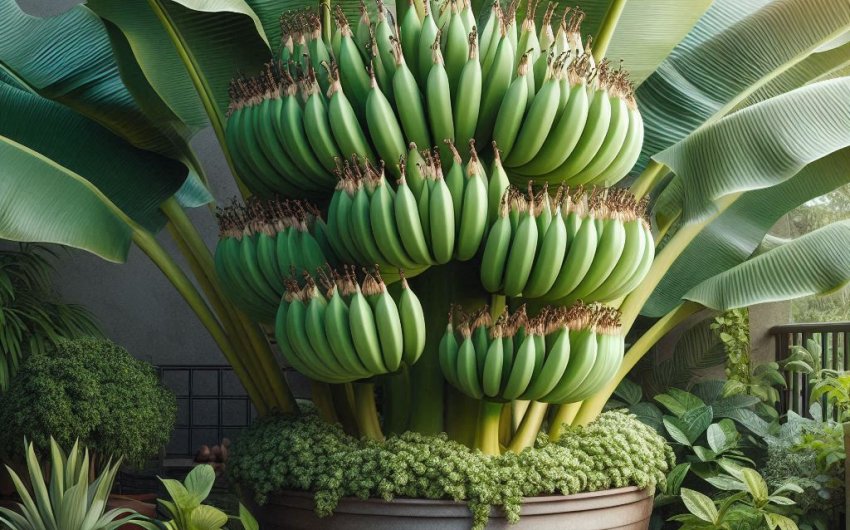
Yes, you can absolutely grow bananas in pots, making it possible to cultivate these tropical plants even in cooler climates or limited spaces. Growing bananas in containers allows you to control their environment, protect them from harsh weather, and even bring them indoors during winter.
Why Grow Bananas in Pots?
Growing bananas in pots offers a surprising number of advantages, especially for gardeners living outside of tropical and subtropical zones. It transforms what might seem like an impossible dream into a manageable and rewarding horticultural endeavor.
Key Reasons to Choose Container Cultivation:
- Climate Control: This is the most significant benefit. Banana plants are highly sensitive to frost and cold temperatures (below 50°F or 10°C). By growing them in pots, you can easily move them indoors to a protected location during the colder months, effectively extending their growing season and protecting them from lethal freezes. This allows gardeners in temperate climates (USDA Zones 4-9) to enjoy bananas.
- Space Management: Traditional banana "trees" (actually giant herbs) can grow very large, with extensive root systems and broad leaves. Container growing helps restrict their size, making them suitable for smaller gardens, patios, balconies, or even large indoor spaces.
- Soil Customization: Bananas are heavy feeders and prefer rich, well-draining soil. In a pot, you have complete control over the soil mix, allowing you to create the ideal blend for optimal growth, fertility, and drainage, which might be difficult to achieve in native garden soil.
- Pest and Disease Control: While not entirely immune, containerized plants can sometimes be easier to monitor and treat for pests and diseases, as they are isolated from larger garden ecosystems. You can more easily inspect all sides of the plant and move it away from infected areas if needed.
- Aesthetics: Banana plants are incredibly beautiful and exotic, with their large, lush leaves providing a striking tropical accent to any outdoor living space. They can serve as a dramatic focal point on a patio or deck.
- Portability: Need to rearrange your garden layout? Want to bring your banana plant closer to enjoy its fragrance (if it flowers)? The ability to move the plant is a major convenience.
- Access to Fruit (Eventually): With proper care and selection of dwarf or cold-tolerant varieties, growing bananas in pots can indeed lead to home-grown fruit, which is a truly unique and satisfying experience for a home gardener.
While growing bananas in pots requires diligent care regarding watering, fertilizing, and winter protection, the flexibility and benefits it offers make it a highly appealing option for banana enthusiasts worldwide.
What Are the Best Banana Varieties for Pots?
Choosing the right banana variety is paramount for successful container cultivation. Full-sized, traditional banana plants (like 'Cavendish') simply grow too large for pots, even the biggest ones. The key is to select dwarf or semi-dwarf varieties specifically bred or naturally occurring to remain smaller.
Top Banana Varieties for Container Growing:
- 'Dwarf Cavendish' (Musa acuminata 'Dwarf Cavendish'):
- Size: Grows to about 6-10 feet tall, which is much more manageable in a pot than its full-sized counterpart.
- Fruit: Produces standard, delicious yellow bananas. This is one of the most common and reliable varieties for fruit production in pots.
- Characteristics: Relatively fast-growing, with large, lush leaves.
- 'Super Dwarf Cavendish' (Musa acuminata 'Super Dwarf Cavendish'):
- Size: Even smaller than 'Dwarf Cavendish', typically reaching only 4-6 feet tall.
- Fruit: Produces sweet, small to medium-sized fruit. Excellent for confined spaces.
- Characteristics: Ideal for indoor growing due to its compact size.
- 'Truly Tiny' (Musa acuminata 'Truly Tiny'):
- Size: Lives up to its name, reaching only 2-4 feet tall, making it perfect for small patios or bright windows indoors.
- Fruit: Produces small, very sweet bananas.
- Characteristics: A great novelty variety that still delivers fruit.
- 'Rajapuri' (Musa 'Rajapuri'):
- Size: A semi-dwarf variety, growing 6-10 feet tall. Known for being more cold-tolerant than other edible bananas.
- Fruit: Produces good-sized, very sweet fruit.
- Characteristics: Excellent choice for areas with cooler temperatures, as it can withstand brief dips better than most. Robust and productive.
- 'Ice Cream' or 'Blue Java' (Musa acuminata 'Blue Java'):
- Size: A semi-dwarf that can reach 8-15 feet, but can be maintained smaller in a large pot.
- Fruit: Famous for its fruit's unique vanilla-like flavor and bluish peel when unripe.
- Characteristics: While larger, its unique fruit makes it a popular ornamental and edible choice for very large containers.
- Ornamental Bananas (for foliage, not fruit):
- 'Ensete ventricosum' (Abyssinian Banana): While technically not a Musa and rarely fruits, it grows into a magnificent, fast-growing, architectural plant with huge leaves, perfect for a dramatic tropical display in a pot. It is often grown for its striking foliage.
- 'Musa basjoo' (Hardy Japanese Fiber Banana): Another ornamental type, known for its cold hardiness in the ground (down to Zone 5-6 with protection), but can also be grown in a pot for its impressive foliage. Will not produce edible fruit in most climates.
When selecting a variety, consider not only its mature size but also its specific temperature requirements and whether your primary goal is edible fruit or simply lush, tropical foliage. For reliable container fruit production, 'Dwarf Cavendish' or 'Super Dwarf Cavendish' are often the safest and most rewarding bets.
What's the Ideal Pot Size and Type for Banana Plants?
Choosing the right pot size and type is fundamental for successfully growing bananas in pots, as it directly impacts root development, plant stability, and the overall health of your banana plant. Bananas are vigorous growers with extensive root systems, even the dwarf varieties.
Ideal Pot Size:
- Start Small, Pot Up Gradually: For young banana pups (offsets) or newly acquired plants, start with a 5-10 gallon container. This allows the root system to establish without being overwhelmed by too much moist soil.
- Gradual Upsizing: As the banana plant grows, you'll need to pot it up to larger containers every year or two.
- Minimum for Mature Dwarf Varieties: For mature dwarf varieties (like 'Dwarf Cavendish'), a minimum of a 20-25 gallon container is essential. Many growers even use 30-gallon or larger pots, especially if they aim for fruit production. The larger the pot, the more stable the plant will be, and the less frequently you'll need to water and fertilize.
- Dimensions: Look for pots that are both wide and deep. A pot that's at least 18-24 inches in diameter and depth is a good starting point for a plant that you intend to keep for a while.
Ideal Pot Type:
- Drainage Holes are Non-Negotiable: Regardless of material, the pot must have adequate drainage holes. Banana plants hate "wet feet" (roots sitting in soggy soil), which leads to root rot. If a pot lacks sufficient holes, drill more.
- Material Considerations:
- Plastic/Resin Pots:
- Pros: Lightweight (easier to move), retain moisture well (less frequent watering), affordable, wide variety of sizes. Good choice for mobility and large sizes.
- Cons: Can look less aesthetic than other materials, some lower-quality plastics degrade in UV light.
- Terracotta/Clay Pots:
- Pros: Porous nature allows for excellent air circulation to roots and helps prevent overwatering (water evaporates through sides), aesthetically pleasing.
- Cons: Very heavy when large, dry out quickly (requires more frequent watering), can crack in freezing temperatures if left outdoors.
- Fabric Grow Bags (e.g., Smart Pots):
- Pros: Excellent aeration (prevents root circling), very lightweight, promote fibrous root growth, easy to store when empty. Can be surprisingly good for bananas.
- Cons: Dry out very quickly, need very frequent watering, less aesthetically traditional.
- Whiskey Barrels/Wooden Planters:
- Pros: Aesthetically pleasing, good insulation.
- Cons: Very heavy, can rot over time, may need liners to prevent chemicals leaching if not food-safe wood. Ensure good drainage.
- Plastic/Resin Pots:
Important Considerations:
- Weight: Keep in mind the weight of a large pot filled with soil, especially if you plan to move the plant indoors for winter. Casters or a Plant Caddy with Wheels can be invaluable.
- Stability: Large, tall banana plants can be top-heavy. Choose a pot with a wide base to prevent tipping, especially in windy locations.
- Color: Dark-colored pots absorb more heat, which can be beneficial in cooler climates but detrimental in very hot climates where roots can overheat.
Selecting the appropriate pot sets the stage for a healthy and thriving banana plant in your container garden.
What's the Best Potting Mix for Bananas?
The best potting mix for bananas in pots is a rich, well-draining, and slightly acidic blend that provides both ample nutrition and excellent aeration for their moisture-loving but rot-sensitive roots. Bananas are heavy feeders and grow rapidly, so their soil needs to support this vigorous growth.
Recommended Potting Mix Components:
Aim for a mix that balances moisture retention with superior drainage. Here's a good general recipe:
- 50% High-Quality Potting Mix: Start with a sterile, reputable potting mix that is labeled for containers or tropical plants. Avoid heavy, dense garden soil, as it compacts easily in pots and leads to poor drainage.
- 25-30% Perlite or Coarse Sand: Essential for improving drainage and aeration. Perlite is lightweight and excellent for preventing compaction. Coarse sand also aids drainage but adds weight. Do not use fine play sand, as it can actually worsen drainage.
- 20-25% Organic Matter: This provides slow-release nutrients and improves soil structure. Good options include:
- Well-rotted Compost: Provides a complete range of nutrients and beneficial microbes.
- Composted Pine Bark Fines: Adds acidity (beneficial for bananas) and improves drainage.
- Coco Coir (Coconut Fiber): Excellent for water retention and aeration, often used as a peat moss alternative.
- Aged Manure: If truly well-rotted, it can provide additional nutrients.
Optional Additions for Enhanced Performance:
- Slow-Release Granular Fertilizer: Incorporate a balanced slow-release granular fertilizer specifically formulated for tropical plants or fruit trees (e.g., 8-1-10 or similar NPK ratio, emphasizing potassium) at the time of mixing, following package directions. This provides a consistent feed.
- Mycorrhizal Fungi Inoculant: Adding a small amount of Mycorrhizal Fungi Inoculant can greatly enhance root efficiency in absorbing water and nutrients.
- Worm Castings: A small amount (5-10% of total volume) of Pure Worm Castings can boost soil fertility and microbial activity.
Soil pH for Bananas:
Bananas prefer a slightly acidic to neutral soil pH, generally between 6.0 and 7.0. A good quality potting mix will usually fall within this range. If you are mixing your own components and are concerned, you can use a Soil pH Test Kit.
Key Characteristics of a Good Banana Potting Mix:
- Excellent Drainage: Water should flow through freely without pooling.
- Good Aeration: Roots need oxygen to thrive and prevent rot.
- Nutrient Rich: Sufficient organic matter and potentially a slow-release fertilizer to fuel rapid growth.
- Slightly Acidic to Neutral pH: The ideal range for nutrient availability.
Avoid using heavy garden soil, sand from a sandbox, or straight compost without amendments, as these can lead to compaction, poor drainage, or nutrient imbalances in a container environment. Your potting mix is the lifeline for your potted banana.
How Much Sun Do Potted Bananas Need?
Potted banana plants are sun-loving tropicals and require a significant amount of direct sunlight to thrive, especially if you hope to encourage fruit production. Their large leaves are designed to capture ample light for photosynthesis.
Ideal Sunlight Requirements:
- Full Sun: For optimal growth and the best chance of fruiting, banana plants need at least 6-8 hours of direct sunlight per day. In tropical climates, they often prefer full sun.
- Bright, Indirect Light (Indoors): If growing indoors, aim for the brightest possible location. A south-facing window is ideal. You might need to supplement with a Grow Light during shorter winter days, especially if fruit production is a goal.
- Afternoon Shade in Extreme Heat: In regions with extremely hot and intense afternoon sun (e.g., deserts), a little afternoon shade can prevent leaf scorching, especially for younger plants. However, the overall daily sun exposure should still be high.
Signs of Insufficient Sun:
- Slow or Stunted Growth: The plant will grow slowly and lack vigor.
- Leggy Appearance: Stems may become elongated and leaves smaller as the plant stretches for light.
- Poor Leaf Color: Leaves may appear pale green or yellow instead of a vibrant, healthy green.
- No or Limited Fruit Production: Insufficient light is a common reason why potted banana plants may not flower or produce fruit.
Place your potted banana in the sunniest spot available in your garden, patio, or indoors. Remember to gradually acclimate indoor plants to brighter outdoor conditions in spring to prevent leaf burn. Adequate sunlight is a non-negotiable requirement for a healthy and productive potted banana.
How Often Should I Water Potted Banana Plants?
Watering is one of the most critical aspects of caring for potted banana plants, as they are heavy drinkers but also susceptible to root rot if the soil remains soggy. The frequency will vary greatly depending on several factors.
Key Factors Influencing Watering Frequency:
- Pot Size: Larger pots retain moisture longer than smaller ones.
- Pot Material: Porous terracotta pots dry out faster than plastic or glazed pots. Fabric grow bags dry out the quickest.
- Temperature: Higher temperatures increase evaporation and plant transpiration, requiring more frequent watering.
- Humidity: Lower humidity leads to faster evaporation from the soil and leaves.
- Sunlight Exposure: Plants in full sun will dry out faster than those in partial shade.
- Plant Size: Larger, more mature plants with more foliage will consume more water.
- Growth Stage: Plants actively growing or producing fruit need more water.
General Watering Guidelines:
- Check Daily (Especially in Warm Weather): In hot, sunny weather, mature potted banana plants may need to be watered daily, or even twice a day. In cooler weather or when indoors, frequency will decrease.
- Feel the Soil: The best method is always to check the soil moisture. Stick your finger 2-3 inches deep into the soil.
- Water if the top 2-3 inches feel dry.
- Do not water if the soil feels moist.
- Water Deeply: When you do water, water thoroughly until you see water draining from the bottom of the pot. This ensures the entire root ball receives moisture.
- Avoid Standing Water: Never let the pot sit in standing water in a saucer for extended periods, as this will lead to root rot. Empty saucers after watering.
- Adjust Seasonally: Reduce watering significantly in fall and winter, especially if the plant is moved indoors for dormancy or slower growth. The goal is to keep the soil barely moist, not wet.
Signs of Improper Watering:
- Underwatering: Wilting leaves (leaves may initially droop then become crispy and brown), slow growth, leaf margins turning brown.
- Overwatering (Root Rot): Yellowing leaves, mushy base, stunted growth, foul smell from the soil, eventually the entire plant collapsing.
Consistent and appropriate watering, tailored to your specific conditions, is vital for keeping your potted banana plant healthy and thriving.
How Do I Fertilize Potted Banana Plants for Fruit Production?
Fertilizing potted banana plants for fruit production is crucial because they are incredibly heavy feeders and confined spaces mean nutrient depletion occurs rapidly. To encourage flowering and fruiting, a consistent and balanced fertilization regime is essential, with a focus on specific nutrients at different growth stages.
Key Nutrients for Bananas:
- Nitrogen (N): For vigorous leaf and stem growth.
- Phosphorus (P): For strong root development, flowering, and fruit set.
- Potassium (K): Critically important for fruit development, fruit quality, ripening, and overall plant health and disease resistance. Bananas are particularly potassium-hungry.
Fertilization Strategy:
- At Planting/Repotting:
- Mix a slow-release granular fertilizer (e.g., a balanced all-purpose or a tropical plant formula like 8-1-10) into your potting mix. This provides a steady feed for the initial weeks. Also, consider adding bone meal for phosphorus and kelp meal for micronutrients and potassium.
- During Active Growth (Spring to Fall):
- Frequent Liquid Feeding: This is where potted bananas excel with liquid fertilizers. During the warmer months when the plant is actively growing and potentially flowering/fruiting, feed frequently.
- High Potassium Fertilizer: Use a fertilizer with a higher potassium (K) content once the plant is mature and you're aiming for fruit. An NPK ratio like 6-2-12 or similar is ideal.
- Frequency: Feed every 1-2 weeks with a diluted liquid fertilizer. Follow the package directions for dilution rates, often using a half-strength solution.
- Organic Options: Alaska Fish Emulsion Fertilizer (for nitrogen), Espoma Tree-tone (granular, good overall), or a homemade compost tea can be beneficial additions.
- Supplemental Granular Feeds:
- Every 4-6 weeks during peak growing season, you can also sprinkle a small amount of a balanced granular fertilizer on the soil surface, scratching it in lightly, to provide a slow, continuous release.
- Micronutrients:
- Bananas also need micronutrients, especially magnesium and iron. If leaves show signs of yellowing between the veins (interveinal chlorosis) while veins remain green, it might indicate a magnesium or iron deficiency. Apply a chelated iron supplement or Epsom salts (magnesium sulfate). Kelp meal also provides a broad spectrum of micronutrients.
- Reduce in Winter:
- Significantly reduce or stop fertilizing during the cooler, dormant months (fall and winter), especially if the plant is brought indoors and growth slows down. Resume full fertilization in spring when new growth appears.
Signs of Nutrient Deficiency:
- Yellowing leaves (general): Nitrogen deficiency.
- Yellowing between veins (new leaves): Iron deficiency.
- Yellowing between veins (older leaves): Magnesium deficiency.
- Small fruit, poor flavor, weak plant: Potassium deficiency.
Consistent, balanced feeding, particularly with adequate potassium, will give your potted banana the best chance of producing delicious fruit.
How Do I Prune and Propagate Potted Banana Plants?
Pruning and propagation are essential practices for maintaining healthy, manageable, and productive potted banana plants. While bananas don't have true "woody" stems that need pruning like traditional trees, managing their growth involves selective removal of certain parts. Propagation, on the other hand, allows you to multiply your banana collection.
Pruning Potted Banana Plants:
Banana plants (which are giant herbs) grow from an underground corm and produce new shoots called "suckers" or "pups." Their lifecycle typically involves one main stem (the "mother plant") producing a single bunch of fruit and then dying back.
Removing Dead or Damaged Leaves:
- As lower leaves age, they will naturally yellow, turn brown, and eventually die. Trim these off cleanly with a sharp, sterilized knife or pruning shears close to the main stem. This improves air circulation and aesthetics, and removes potential hiding spots for pests.
Sucker Management (Crucial for Potted Plants):
- Bananas produce many suckers from the corm. In the ground, some are left to replace the mother plant. In a pot, excessive suckers can lead to overcrowding, competition for nutrients, and a decrease in fruit production.
- For Fruit Production: Choose to keep only 1-2 strong suckers to follow the main stem. Once the main stem has fruited and the fruit is harvested, that stem will die. The selected sucker then becomes the new main fruiting stem.
- For Foliage Only: You can allow more suckers to grow if you're primarily interested in a lush, full, ornamental display, but still remove weaker ones to maintain vigor.
- How to Remove Suckers: Use a sharp knife or spade to cut the suckers cleanly from the main corm at the soil level.
Removing the Mother Plant (After Fruiting):
- Once the main stem has produced a bunch of fruit and you've harvested it, that stem will not produce fruit again. Cut it down to about 2-3 feet from the base. It will gradually dry out. You can then cut it closer to the ground, allowing a new sucker to become the main plant. This provides space and nutrients for the next fruiting cycle.
Propagating Potted Banana Plants (via Suckers/Pups):
Propagating bananas from suckers is the easiest and most common method.
- Identify Pups: Look for suckers (new shoots) emerging from the base of the mother plant. They should be at least 1-3 feet tall with their own root system. Smaller suckers (less than 1 foot) generally don't root as reliably.
- Separate the Pup:
- Carefully dig around the base of the sucker you wish to remove, trying to get as much of its root system as possible.
- Use a sharp, clean spade or knife to cut the connection between the sucker's corm and the mother plant's corm. You may need to rock the sucker gently to break it free.
- Potting the Pup:
- Plant the separated sucker immediately into a new pot filled with a well-draining potting mix (as described in the "Best Potting Mix" section).
- Ensure the base of the pup is at the same soil level as it was when attached to the mother plant.
- Water and Care:
- Water thoroughly after potting.
- Place the newly potted pup in a warm, partly shaded location for a few weeks to allow it to recover from the shock of transplanting. Gradually move it into fuller sun.
- Keep the soil consistently moist but not soggy.
- Do not fertilize heavily until new growth is evident and the pup appears well-established.
By effectively managing suckers through pruning and using them for propagation, you can ensure your potted banana plant remains productive and you'll always have new plants to share or grow!
What are the Watering and Humidity Needs for Potted Bananas?
Potted banana plants have distinct watering and humidity needs, characteristic of their tropical origins. Balancing these requirements is key to preventing common problems like root rot or crispy leaves.
Watering Needs:
Bananas are heavy water users, especially when actively growing in warm, sunny conditions. Their large leaves transpire a lot of moisture.
- Consistent Moisture: The soil should be kept consistently moist but never soggy or waterlogged. Bananas hate "wet feet," and sitting in standing water will quickly lead to root rot.
- Frequency Varies:
- In hot, sunny weather, established potted banana plants may need watering daily, or even twice a day.
- In cooler weather, or when the plant is indoors during winter, the frequency will decrease significantly (perhaps every few days to once a week or less).
- How to Check: Always check the soil moisture before watering. Stick your finger 2-3 inches deep into the soil. If it feels dry, it's time to water. If it feels moist, wait.
- Water Deeply: When you water, do so thoroughly until water drains from the bottom of the pot. This ensures the entire root ball is saturated.
- Drainage: Ensure your pot has ample drainage holes, and never let the pot sit in standing water in its saucer.
- Reduce in Winter: Reduce watering significantly when the plant's growth slows down or it goes dormant (often when brought indoors for winter). The soil should remain barely moist, not wet.
Humidity Needs:
Bananas are tropical plants and prefer high humidity. Low humidity, especially indoors with dry winter air, can cause stress and visible problems.
- Optimal Range: They thrive in humidity levels above 50%, ideally closer to 70% or higher.
- Signs of Low Humidity:
- Crispy Leaf Edges/Tips: This is a classic symptom of dry air. The edges of the leaves turn brown and become brittle.
- Slow Growth: Lack of humidity can slow down overall plant vigor.
- Spider Mites: Dry conditions also make banana plants more susceptible to spider mite infestations.
- Ways to Increase Humidity:
- Misting: Regularly misting the leaves with lukewarm water can provide temporary humidity. Do this in the morning so leaves can dry.
- Pebble Trays: Place the pot on a tray filled with pebbles and water. As the water evaporates, it increases localized humidity around the plant. Ensure the bottom of the pot is not sitting directly in the water.
- Humidifier: For indoor plants, especially in winter, a Room Humidifier can be very beneficial.
- Grouping Plants: Grouping several plants together can create a slightly more humid microclimate as they collectively release moisture.
- Greenhouse/Sunroom: These environments naturally offer higher humidity levels.
Balancing consistent soil moisture with high ambient humidity is key to cultivating lush, healthy potted banana plants that can eventually produce fruit.
How Do I Overwinter Potted Banana Plants Indoors?
Overwintering potted banana plants indoors is a crucial step for gardeners in temperate climates (USDA Zones 4-9) who want to grow these tropical beauties year after year. Banana plants are not frost-tolerant, and bringing them inside protects them from cold damage.
There are two main approaches to overwintering: keeping them actively growing or inducing dormancy. The best method depends on your indoor conditions and the banana variety.
Method 1: Keeping the Banana Actively Growing (Requires Bright, Warm Conditions)
This method is ideal if you have a sunroom, greenhouse, or a very bright, warm indoor space.
- Timing: Bring the plant indoors before the first frost, ideally when nighttime temperatures consistently drop below 50°F (10°C).
- Pest Inspection: Thoroughly inspect the plant for pests (spider mites, aphids, mealybugs) before bringing it indoors. Treat any infestations. Clean the pot and outer leaves. A gentle shower with water can help dislodge pests.
- Location: Place the plant in the brightest possible location – a south-facing window, sunroom, or greenhouse.
- Light Supplementation: Consider using a Grow Light to supplement natural light, especially during short winter days.
- Temperature: Maintain indoor temperatures above 60°F (15°C), ideally 65-75°F (18-24°C).
- Humidity: Maintain high humidity around the plant using pebble trays, misting, or a humidifier, as indoor air tends to be very dry.
- Watering: Continue to water when the top 1-2 inches of soil are dry, but be mindful that growth slows indoors, so watering frequency will decrease compared to summer. Do not overwater.
- Fertilization: Significantly reduce or stop fertilization during winter, as the plant's growth slows due to reduced light and temperatures. Resume in spring.
- Air Circulation: Ensure good air circulation around the plant to prevent fungal issues.
Method 2: Inducing Dormancy (For Less Ideal Indoor Conditions)
This method is more suitable if you have a cooler, less bright indoor space like a basement, garage, or shed where light and warmth are limited.
- Timing: Similar to Method 1, bring indoors before frost.
- Preparation (1-2 Weeks Before):
- Reduce Watering: Begin reducing watering a week or two before moving indoors to encourage the plant to slow down.
- Stop Fertilizing: Cease all fertilization.
- Pest Inspection: Thoroughly check for and treat any pests.
- Pruning for Dormancy:
- Cut Back Foliage: Cut the stem (pseudostem) back to about 2-4 feet tall. Remove all leaves.
- Trim Roots (Optional): If the plant is root-bound and you want to reduce its size, you can carefully prune some of the outer roots (up to 1/3) and repot into the same or a slightly smaller pot with fresh soil. This helps refresh the soil.
- Storage Location:
- Store in a cool, dark, and frost-free location where temperatures stay between 40-55°F (4-13°C). A basement corner, garage, or shed away from extreme cold is often suitable.
- Minimal Watering:
- Water very sparingly throughout the winter – just enough to keep the soil from completely drying out and the corm from shriveling. The goal is to keep the plant dormant, not actively growing. Overwatering during dormancy is a common cause of rot.
- Reawakening in Spring:
- In early spring, when outdoor temperatures begin to warm and all danger of frost has passed, gradually bring the plant back to brighter conditions.
- Increase watering as new growth emerges.
- Resume a regular fertilization schedule.
- Gradually acclimate the plant to outdoor conditions (hardening off) over 1-2 weeks before moving it outside full-time.
By properly overwintering your potted banana plant, you ensure its survival through the cold months, allowing you to enjoy its tropical beauty and potential fruit for many seasons.
What Common Pests and Diseases Affect Potted Bananas?
Even when grown in pots, banana plants can still be susceptible to common pests and a few diseases. Regular inspection and prompt action are key to keeping your potted banana healthy.
Common Pests:
- Spider Mites:
- Symptoms: Tiny red or black mites (often hard to see with the naked eye) on the undersides of leaves, fine webbing on leaves and stems, leaves appear stippled (tiny dots), yellow, or bronzed. Thrive in hot, dry conditions.
- Control: Increase humidity, spray leaves with a strong stream of water to dislodge them, use Neem Oil or insecticidal soap. Repeat applications are usually necessary.
- Aphids:
- Symptoms: Small, soft-bodied insects, often green, black, or brown, clustered on new growth and undersides of leaves. They suck plant sap, causing distorted new growth and sometimes secreting sticky "honeydew" (which can lead to sooty mold).
- Control: Blast with a strong stream of water, wipe off with a cloth, use insecticidal soap or neem oil. Encourage beneficial insects like ladybugs outdoors.
- Mealybugs:
- Symptoms: White, cottony masses found in leaf axils (where leaves meet the stem) or on undersides of leaves. They also suck sap and secrete honeydew.
- Control: Dab with an alcohol-soaked cotton swab, use insecticidal soap or neem oil. Systemic insecticides may be needed for severe infestations, but less ideal for edible plants.
- Scale Insects:
- Symptoms: Small, immobile, often round or oval bumps (like tiny shells) on stems and leaves. They suck sap, leading to stunted growth and honeydew.
- Control: Scrape off manually, use insecticidal soap, or horticultural oil (dormant or all-season).
- Fungus Gnats:
- Symptoms: Tiny, dark flying insects that hover around the soil surface. Their larvae (tiny white worms) live in the soil and feed on roots, especially in overly wet potting mix.
- Control: Allow the top few inches of soil to dry out between waterings. Use yellow sticky traps to catch adults. Apply Bacillus thuringiensis israelensis (BTI) drench to the soil.
Common Diseases:
Banana plants are generally robust, but can occasionally suffer from fungal diseases, especially if conditions are not ideal.
- Root Rot:
- Cause: Overwatering and poorly draining soil are the main culprits. Fungi (like Phytophthora species) thrive in anaerobic (oxygen-deprived) conditions.
- Symptoms: Yellowing, wilting leaves, mushy base, stunted growth, foul smell from the soil, eventually plant collapse.
- Control: Prevention is key: ensure excellent drainage, never let the pot sit in standing water, and allow the top few inches of soil to dry before rewatering. If caught early, repot into fresh, dry soil and prune any rotted roots.
- Leaf Spot Diseases:
- Cause: Various fungi (e.g., Sigatoka complex, Anthracnose).
- Symptoms: Brown or black spots on leaves, often with yellow halos. Severe infections can lead to premature leaf drop.
- Control: Ensure good air circulation (prune away old/dead leaves), avoid overhead watering, remove and destroy infected leaves, and in severe cases, use an organic fungicide.
General Pest and Disease Management Tips:
- Regular Inspection: Routinely check your potted banana plant's leaves (top and bottom) and stem for any signs of pests or disease.
- Quarantine New Plants: Isolate any new plants before introducing them to your established collection to avoid spreading pests or diseases.
- Good Air Circulation: Ensure adequate space around the plant, and prune away old, yellowing, or damaged leaves to improve airflow.
- Proper Watering and Drainage: The foundation of disease prevention.
- Cleanliness: Remove fallen leaves and debris from the pot surface.
- Horticultural Oils/Soaps: Often effective against many soft-bodied pests.
By staying vigilant and proactive, you can effectively manage common pests and diseases, keeping your potted banana plant healthy and vibrant.
Can Potted Bananas Actually Produce Fruit?
Yes, potted bananas can absolutely produce fruit, and for many growers, this is the ultimate reward of container cultivation. While it requires dedication and optimal conditions, seeing a bunch of bananas ripen on your patio or in your sunroom is incredibly satisfying.
Factors Affecting Fruit Production in Pots:
- Variety Selection (Crucial):
- This is the most important factor. Only dwarf or super-dwarf edible banana varieties (like 'Dwarf Cavendish', 'Super Dwarf Cavendish', 'Rajapuri', or 'Truly Tiny') are suitable for consistent fruit production in pots. Full-sized varieties will grow too large and tall to flower and fruit effectively in a container.
- Maturity and Size:
- Banana plants are actually giant herbs. They don't fruit until the main stem (pseudostem) reaches a certain level of maturity and thickness, which can take 2-5 years from planting a young sucker. The stem needs to be robust enough to support the weight of a fruit stalk.
- Adequate Sunlight:
- Bananas are sun worshipers. They need at least 6-8 hours of direct, full sun daily to gather enough energy for flowering and fruiting. Insufficient light is a common reason for non-fruiting.
- Consistent Watering:
- The plant needs a constant supply of moisture, especially during the flowering and fruiting stages. Stress from inconsistent watering (too dry or too wet) can hinder fruit development or cause fruit drop.
- Generous Fertilization:
- Bananas are incredibly heavy feeders. They require a steady supply of nutrients, particularly potassium, to produce fruit. A lack of nutrients, especially in a confined pot, will prevent flowering and fruiting. Regular feeding with a high-potassium fertilizer is essential.
- Warmth and Humidity:
- Consistent warm temperatures (ideally above 65°F / 18°C) and high humidity are necessary for robust growth and fruit development. Cold stress can delay or prevent fruiting.
- Overwintering Success:
- If you live in a cold climate, successfully overwintering your potted banana (keeping it alive and healthy, whether actively growing or dormant) for several seasons is crucial to allow it to reach fruiting maturity.
The Fruiting Process:
- Flowering: Once the banana plant is mature enough, a large flower stalk will emerge from the top of the pseudostem, growing upwards and then bending downwards. This is the banana heart.
- Fruit Development: Small "hands" of bananas will develop from the female flowers. The male flower section typically hangs down from the end of the stalk.
- Ripening: Once fruit has formed, it can take several months to ripen on the plant. You may need to "dehand" the lower, less developed hands to encourage better development of the upper ones.
- Harvest: Bananas are usually harvested when they are fully formed but still green. They will then ripen off the plant at room temperature. The pseudostem that produced the fruit will die back after harvest and should be cut down to allow new suckers to take over for the next fruiting cycle.
While the bunch of bananas from a potted plant might be smaller than those from an in-ground commercial plantation, the satisfaction of harvesting your own home-grown bananas from a pot is immeasurable. With the right variety and consistent care, your potted banana plant can indeed become a productive fruit producer.