
How do I attract bees to my fruit garden?
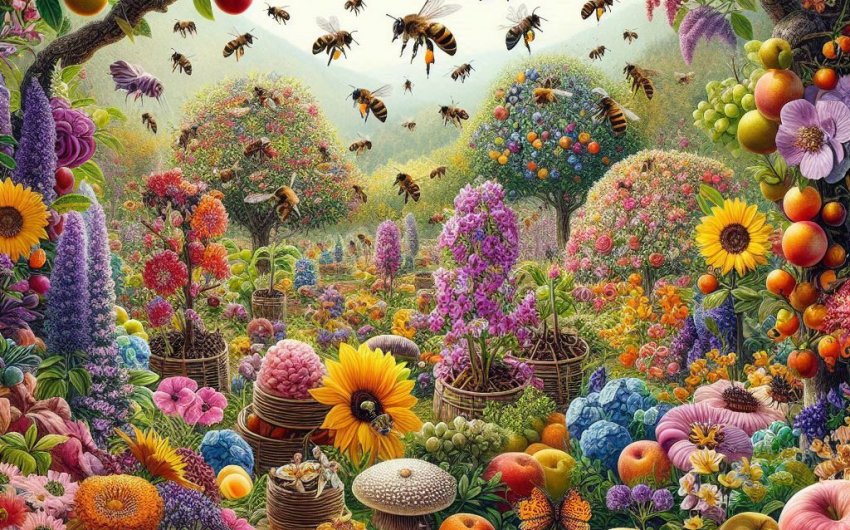
To attract bees to your fruit garden, prioritize planting a diverse array of pollinator-friendly flowers that provide continuous bloom from early spring to late fall. Supplement this with fresh water sources and by avoiding synthetic pesticides, creating a welcoming and safe habitat for these essential pollinators.
Why are Bees So Important for Your Fruit Garden?
Bees are incredibly important for your fruit garden because they are the primary pollinators for most fruit trees and berry bushes. Pollination is the essential process where pollen (male reproductive cells) is transferred from the anther to the stigma (female reproductive parts) of a flower, leading to fertilization and, ultimately, the development of fruit and seeds. Without effective pollination, many fruit plants simply won't produce fruit, or the fruit they do produce will be small, misshapen, or of poor quality.
The Role of Bees in Fruit Production:
- Increased Fruit Set: For many fruit trees (like apples, pears, cherries, plums, and most berry bushes), bees are crucial for moving pollen between flowers, dramatically increasing the number of flowers that successfully develop into fruit.
- Larger, Better-Formed Fruit: Adequate pollination ensures that all the ovules within a flower are fertilized. This leads to larger, more symmetrical, and better-formed fruit. For instance, a perfectly pollinated apple has a full set of seeds, resulting in a well-developed, round fruit. Poor pollination often leads to small, misshapen, or "lopsided" fruit.
- Higher Yields: More successful fruit set and better-quality fruit directly translate to higher overall yields from your fruit trees and bushes. A garden buzzing with bees is a garden likely to be overflowing with harvest.
- Biodiversity: Attracting bees also means encouraging a healthier and more resilient garden ecosystem. Bees are bio-indicators; their presence suggests a thriving environment.
Types of Bees Important for Fruit Gardens:
While we often think of honey bees, a diverse range of bees contributes to fruit garden pollination:
- Honey Bees (Apis mellifera): Highly efficient generalist pollinators, often kept by beekeepers, and will visit a wide range of fruit blossoms.
- *Bumble Bees (Bombus spp.):* Excellent pollinators, especially for certain fruits like blueberries and tomatoes (though tomatoes are vegetables, their "buzz pollination" method is notable). They are active in cooler temperatures and lower light conditions than honey bees.
- *Mason Bees (Osmia spp.):* "Super pollinators" that are active early in spring, making them invaluable for early-blooming fruit trees like apples, cherries, and plums. They are solitary and often more efficient per bee than honey bees.
- *Leafcutter Bees (Megachile spp.):* Also solitary, good generalist pollinators active during summer.
- *Sweat Bees (Halictus spp., Lasioglossum spp.):* Often small, metallic, and efficient pollinators for many flowers.
Understanding the critical role of these industrious insects is the first step in creating a bee-friendly fruit garden that truly flourishes.
What Kinds of Flowers Attract Bees Most Effectively?
To attract bees most effectively to your fruit garden, focus on planting a diverse range of flowers that provide a consistent supply of nectar (energy) and pollen (protein) throughout the entire growing season. Bees are particularly drawn to certain flower characteristics.
Flower Characteristics Bees Love:
- Color: Bees see colors differently than humans. They are highly attracted to purple, blue, violet, white, and yellow flowers. They generally cannot see red.
- Scent: Many bee-pollinated flowers have sweet, enticing fragrances.
- Shape: Bees prefer flowers with simple, open shapes that allow easy access to nectar and pollen. Examples include single-petal flowers, disc-shaped flowers (like daisies), or tubular flowers that match their tongue length.
- Landing Platform: Many bees appreciate a flower with a broad "landing pad."
- Pollen and Nectar Guides: Some flowers have UV markings (invisible to humans) that act as "nectar guides," directing bees to the rewards.
- Clustered Blooms: Flowers that bloom in clusters provide a large foraging area, making it efficient for bees to collect resources.
Top Flower Types to Attract Bees to Your Fruit Garden:
- Native Wildflowers: These are often the best choice as they are adapted to your local climate and provide resources that native bees are already accustomed to. Research native wildflowers specific to your region.
- Herbs (when flowering): Many culinary herbs are pollinator magnets once they go to flower.
- Lavender: Highly attractive to many bee species.
- Borage: Produces beautiful blue flowers that bees adore, often called "bee plant."
- Basil, Oregano, Thyme, Marjoram, Sage, Mint: Allow these to flower for a feast for bees.
- Annuals:
- Cosmos: Easy to grow, abundant flowers in various colors.
- Zinnias (single-petal varieties): Excellent for attracting many pollinators.
- Sunflowers (single-head varieties): A huge source of pollen and nectar.
- Sweet Alyssum: Low-growing, provides a carpet of tiny, fragrant flowers.
- Perennials:
- *Coneflower (Echinacea spp.):* Drought-tolerant, long bloom time.
- *Bee Balm (Monarda spp.):* True to its name, a bee favorite, also attracts hummingbirds.
- *Salvia (Salvia spp.):* Many varieties, long bloom time, purple/blue flowers.
- Aster: Provides late-season nectar when other sources dwindle.
- Sedum (Autumn Joy): Also a late-season bloomer.
- Catmint (Nepeta): Hardy, long-blooming, attractive to various bees.
- Clover:
- White Clover (Trifolium repens): Often used as a ground cover or lawn alternative, a good source of nectar.
- Crimson Clover (Trifolium incarnatum): Excellent for spring forage, can be used as a cover crop.
- Trees and Shrubs (other than fruit trees):
- Willow, Maple, Redbud: Provide crucial early-season nectar and pollen when other sources are scarce.
- Linden (Basswood): A highly attractive summer blooming tree.
- Elderberry: Clusters of white flowers attract many insects.
When selecting flowers, prioritize single-petal varieties over highly hybridized double-petal types, as the latter often have less accessible pollen and nectar. Plant in drifts or clumps of the same flower type, as this makes it more efficient for bees to forage. A diverse selection ensures a continuous buffet for bees throughout the entire growing season, maximizing their presence in your fruit garden.
How Can I Provide Continuous Bloom in My Fruit Garden?
Providing continuous bloom in your fruit garden is paramount for attracting and retaining bees throughout the entire growing season, from early spring to late fall. Bees, especially honey bees, need a consistent supply of nectar and pollen to sustain their colonies. If there's a "nectar dearth" period, they'll forage elsewhere.
Strategies for Continuous Bloom:
- Layered Planting:
- Early Bloomers: Start with plants that flower in early spring, often before your fruit trees or simultaneously. This is critical for emerging bees. Examples include crocus, snowdrops, pussy willow, early bulbs, hellebores, maple trees, and redbud trees. Your early-blooming fruit trees (cherries, plums, some apples) will also contribute here.
- Mid-Season Bloomers: Plan for plants that flower during the peak of summer. This includes many annuals (cosmos, zinnias, sunflowers), perennials (coneflower, bee balm, salvia), and herbs (basil, borage, lavender). Most of your main fruit tree bloom will occur in late spring to early summer.
- Late Bloomers: Ensure you have flowers that bloom in late summer and fall, providing essential nectar and pollen for bees preparing for winter. Examples include asters, sedum (Autumn Joy), goldenrod (a good plant often misidentified as a ragweed allergen), helianthus, and re-blooming salvias.
- Diversity of Plant Types:
- Include a mix of annuals, perennials, herbs, shrubs, and even other trees. Each type offers different bloom times, flower shapes, and nutrient profiles.
- Plant in Drifts:
- Instead of single plants, plant flowers in large clumps or drifts (at least 3x3 feet). This makes it easier and more efficient for bees to forage, as they don't have to travel far between blossoms. It signals a reliable food source.
- Consider Different Flower Structures:
- Include flowers with various shapes (flat, cup-shaped, tubular) to cater to different bee species with varying tongue lengths and foraging preferences.
- Succession Planting for Annuals:
- For some annuals like cosmos or zinnias, sow seeds every few weeks (succession planting) to ensure a fresh flush of blooms over a longer period.
- Allow Herbs to Flower:
- Let your culinary herbs like basil, oregano, thyme, and mint go to flower. While it might reduce leaf production, the flowers are highly attractive to bees and provide a vital resource.
- Water and Deadhead Appropriately:
- Ensure plants are well-watered to support continuous flowering.
- Deadhead spent blooms on some annuals and perennials to encourage more flowers, unless you want them to self-seed or produce seed for birds.
- Evaluate and Adapt:
- Observe your garden throughout the season. Are there periods when you see fewer bees? This indicates a potential "nectar gap." Make notes and plan to add plants that bloom during those times next year.
By strategically planning your plantings to provide a continuous bloom, you create a vibrant and reliable food source that will keep bees happily buzzing in your fruit garden from spring thaw to autumn frost, ensuring robust pollination for your fruit crops.
What is the Role of Water in Attracting Bees?
Water is an often-overlooked yet absolutely crucial element in attracting and sustaining bees in your fruit garden. Just like any living creature, bees need a reliable source of fresh water for their survival and for the health of their colony.
Why Bees Need Water:
- Hydration: Bees get thirsty, especially on hot days when they are actively foraging.
- Temperature Regulation: Water helps regulate the temperature within the hive. Honey bees collect water and spread it inside the hive; as it evaporates, it cools the hive, much like an evaporative cooler.
- Diluting Honey: Bees use water to dilute honey that has crystallized inside the hive, making it consumable.
- Digestion: Water aids in the digestion of nectar and pollen.
- Larval Food: Water is mixed with pollen and honey to create "bee bread," which is fed to the larval bees.
How to Provide a Bee-Friendly Water Source:
Providing water for bees isn't as simple as putting out a bird bath, as bees can drown easily in deep water. The key is to offer a shallow landing spot.
- Shallow Dish/Bird Bath:
- Use a shallow dish, bird bath, or a plant saucer.
- Add Landing Spots: Fill the dish with pebbles, marbles, decorative stones, or even wine corks that stick out above the waterline. This provides safe perching spots for bees to land and drink without falling into the water.
- Gentle Slope:
- If using a bird bath, choose one with a gently sloping edge that allows bees to access shallow water.
- Consistent Supply:
- Keep the water source consistently filled, especially during hot and dry periods. Bees are creatures of habit; once they find a reliable water source, they will return to it.
- Cleanliness:
- Clean the water source regularly (every few days) to prevent algae growth and mosquito breeding. Use a brush and plain water, no harsh chemicals.
- Location:
- Place the water source in a sunny, open spot in your fruit garden, easily accessible to bees. Avoid placing it in deep shade where the water might become stagnant or attract mosquitoes.
- Placing it near your bee-attracting flowers or fruit trees is ideal, as it's convenient for the foraging bees.
- Avoid Moving It:
- Once bees find your water source, try not to move it. They have excellent spatial memory and will return to the same location.
By providing a safe, consistent, and easily accessible water source, you are offering another vital resource that will make your fruit garden even more appealing and supportive for local bee populations, ensuring their continued presence and pollination services.
How Do I Avoid Using Harmful Pesticides Around Fruit Trees?
Avoiding harmful pesticides is perhaps the most critical step you can take to attract and protect bees in your fruit garden. Bees are incredibly sensitive to most synthetic pesticides, and even "organic" or "natural" pesticides can be harmful if not used properly. The goal is to create a truly safe haven.
Strategies for Pesticide Avoidance:
- Embrace Organic Pest Management:
- Cultural Practices: The first line of defense. Focus on healthy plants (proper watering, fertilization, soil health), good air circulation (pruning), and choosing disease/pest-resistant varieties. Healthy plants are naturally more resilient.
- Physical Barriers: Use netting (e.g., Insect Netting) to protect fruit trees from certain pests during vulnerable stages, or apply sticky traps for monitoring and control of flying insects.
- Hand-Picking: For larger pests like caterpillars or beetles, hand-picking them off plants and dropping them into soapy water can be very effective.
- Strong Water Spray: A strong jet of water can dislodge aphids and spider mites.
- Encourage Natural Predators:
- Plant flowers and herbs that attract beneficial insects like ladybugs, lacewings, hoverflies, and predatory wasps. These insects naturally prey on common garden pests.
- Avoid broad-spectrum sprays that kill both pests and beneficial insects.
- Scout Regularly:
- Inspect your fruit trees and other plants regularly for early signs of pest problems. Catching an infestation early means you can often resolve it with non-chemical methods before it escalates.
- Understand "Organic" Labels:
- Just because a product is labeled "organic" or "natural" does not mean it is harmless to bees. Many organic pesticides (like pyrethrins, rotenone, spinosad) can still be toxic to bees and other beneficial insects.
- Neem Oil: Generally considered safer for bees once dry, but always spray in the evening when bees are not active.
- Insecticidal Soaps and Horticultural Oils: These work by smothering soft-bodied pests. They are less persistent and generally safer for bees if applied when bees are not active (e.g., late evening).
- Minimize Spraying, Maximize Targeting:
- If you must spray, use the least toxic option available.
- Target Only Affected Areas: Spray only the specific plant or part of the plant that has a pest problem, rather than broadcasting the spray everywhere.
- Avoid Spraying During Bloom: This is the most critical rule. Never spray any pesticide when your fruit trees or nearby flowers are in bloom and bees are actively foraging. If spraying is absolutely necessary, do it in the very late evening after bees have returned to their hives, or early morning before they become active.
- Avoid Systemic Pesticides: These chemicals are absorbed by the plant and move throughout its tissues, making the pollen and nectar toxic to bees for extended periods. Avoid them entirely in a bee-friendly garden.
- Read Labels Carefully:
- Always read pesticide labels thoroughly, even organic ones. Look for warnings regarding bee toxicity and application instructions to minimize harm.
By adopting a holistic, organic approach to pest management that prioritizes prevention, beneficial insects, and highly targeted, bee-safe applications only when absolutely necessary, you create a truly safe and inviting environment for bees to thrive in your fruit garden.
What are the Best Native Plants to Attract Local Bees?
Using native plants is one of the most effective strategies for attracting and supporting local bee populations in your fruit garden. Native bees have evolved alongside native plants, developing specific relationships that make these plants perfectly suited to provide the nectar and pollen resources they need. Non-native plants might be beautiful, but they often don't offer the specific nutritional profiles or floral structures that local bee species require.
Why Native Plants are Best for Local Bees:
- Co-evolution: Native bees and native plants have co-evolved over millennia, leading to specialized relationships where bees are highly adapted to collect pollen and nectar from specific native flowers.
- Resource Availability: Native plants are naturally adapted to your local soil, climate, and rainfall, meaning they are easier to grow, require less maintenance (water, fertilizer), and reliably provide food resources without additional inputs.
- Seasonal Sync: Native plants typically bloom at times that coincide with the active foraging periods of local bee species, ensuring a consistent food supply throughout the season.
- Support Biodiversity: Planting natives supports the entire local ecosystem, including other native insects, birds, and wildlife, creating a more resilient garden.
- Specific Pollen/Nectar: Some native bees are "specialists" and only forage on certain native plant genera or families. Providing these specific plants is essential for their survival.
Examples of Native Plants to Research for Your Region:
The best native plants will vary significantly by geographic region (e.g., Northeast vs. Southwest vs. Pacific Northwest). It's crucial to research plants native to your specific USDA Hardiness Zone and ecoregion.
Here are broad categories and examples; you must verify local suitability:
- Native Wildflowers/Perennials:
- Asters: Provide critical late-season nectar (e.g., New England Aster, Smooth Blue Aster).
- *Coneflowers (Echinacea spp.):* Resilient, long-blooming (e.g., Purple Coneflower).
- *Bee Balm (Monarda spp.):* Highly attractive to bees (e.g., Wild Bergamot, Spotted Bee Balm).
- *Goldenrods (Solidago spp.):* Despite common misconception (often confused with ragweed), these are pollinator powerhouses, crucial for late-season forage.
- *Milkweeds (Asclepias spp.):* Essential for Monarch butterflies, but also visited by many bees.
- *Lupines (Lupinus spp.):* Attract bumble bees.
- *Penstemons (Penstemon spp.):* Many beautiful varieties attractive to long-tongued bees.
- Sunflowers (Native species): Offer abundant pollen and nectar.
- Native Shrubs and Trees:
- *Willow (Salix spp.):* Very early bloomers, critical for emerging bees.
- Redbud (Cercis canadensis): Early spring bloom, beautiful.
- *Serviceberry (Amelanchier spp.):* Early spring flowers followed by edible berries.
- Viburnum (Native species): Many varieties with attractive flowers and berries.
- Buttonbush (Cephalanthus occidentalis): Unique spherical flowers, loved by many pollinators.
- Ninebark (Physocarpus opulifolius): Offers spring flowers and interesting foliage.
- Blueberry (Native highbush or lowbush types): Your fruit garden already benefits from these, they are excellent bee plants.
- Native Groundcovers/Smaller Plants:
- Wild Strawberries (Fragaria virginiana): Early bloomers.
- *Native Violets (Viola spp.):* Early spring food source.
- Clover (Native species): Excellent nitrogen fixers and bee forage.
How to Find Native Plants for Your Area:
- Local Native Plant Nurseries: The best place to buy plants appropriate for your region.
- Cooperative Extension Office: Your state's university extension will have resources on native plants and pollinator gardening.
- Native Plant Societies: Organizations dedicated to promoting native plants in your area.
- Online Databases: Websites like the National Audubon Society, Xerces Society, and Lady Bird Johnson Wildflower Center have excellent native plant finders by zip code.
By prioritizing native plants that thrive in your local environment, you create a resilient, low-maintenance, and highly effective bee habitat right within your fruit garden, ensuring your fruit trees get the best possible pollination services.
How Can I Provide Shelter and Nesting Sites for Bees?
Providing shelter and nesting sites is a crucial, often overlooked, aspect of attracting and retaining bees in your fruit garden, especially for native, solitary bee species. While honey bees live in hives, most of the world's 20,000 bee species (including many of our best pollinators) are solitary and need specific places to lay their eggs.
Providing Shelter and Nesting Sites:
- For Ground-Nesting Bees (approx. 70% of native bees):
- Bare Soil Patches: Leave small, undisturbed patches of bare, well-drained soil in sunny locations in your garden. These bees dig tunnels in the ground. Avoid mulching every inch of your property.
- Sloping Areas: Sunny slopes or slight inclines can be particularly attractive.
- Undisturbed Areas: Minimize digging or tilling in these designated bee nesting areas.
- For Cavity-Nesting Bees (approx. 30% of native bees, like Mason Bees and Leafcutter Bees):
- Bee Houses/Hotels: Install Bee Houses made of durable, non-toxic materials. Look for designs that use:
- Hollow Reeds or Bamboo Tubes: Cut to lengths of 6-8 inches, with one end closed, and various diameters (2-10 mm) to accommodate different species.
- Drilled Wood Blocks: Drill holes of various diameters (2-10 mm) into untreated wood blocks, at least 6 inches deep, making sure the holes are smooth and free of splinters.
- Paper Tubes: Available commercially, these are easy to remove and replace annually, which is important for disease prevention.
- Placement: Mount bee houses securely in a sunny spot (preferably morning sun to warm the bees early) that is protected from strong winds and rain. Place them about 3-6 feet off the ground.
- Maintenance: Replace or clean nesting materials annually to prevent the buildup of pests and diseases. For wood blocks, use a drill brush to clean holes. For reeds/tubes, replace them.
- Leave Pithy Stems: Leave hollow or pithy stems of plants like elderberry, sunflower, or coneflower standing over winter. Many bees will nest inside these stems. Cut them down in spring to varying heights.
- Bee Houses/Hotels: Install Bee Houses made of durable, non-toxic materials. Look for designs that use:
- For Overwintering:
- Leave Leaf Litter: Allow a layer of leaf litter to remain in undisturbed areas of your garden, especially under trees and shrubs. Many queen bumble bees and other beneficial insects overwinter in leaf litter.
- Brush Piles: A small, natural brush pile in a quiet corner of your garden can provide shelter.
- Log Piles/Stumps: Rotting logs or old stumps can be attractive nesting sites for some bee species.
- Avoid Excessive Tidiness:
- A perfectly manicured garden often lacks the natural nooks and crannies that bees need for shelter and nesting. Embrace a little "wildness" in certain areas.
- Don't mulch everything; leave some patches of bare ground.
By consciously providing diverse shelter and nesting options, you are not just attracting bees for a quick meal; you are inviting them to live and reproduce in your fruit garden, turning it into a truly thriving haven for these indispensable pollinators.
How Does Genetic Diversity in Fruit Trees Affect Bee Attraction?
Genetic diversity in fruit trees plays an important, though often indirect, role in attracting and supporting bees in your fruit garden. While bees are primarily attracted to the flowers, a diverse collection of fruit trees creates a more robust and resilient ecosystem that benefits pollinators over time.
How Genetic Diversity Can Help Bees:
- Extended Bloom Period: Different varieties of the same fruit (e.g., early, mid, and late-season apples) will often bloom at slightly different times. This extends the overall flowering period for your fruit crop, providing a longer and more continuous nectar and pollen source for bees. This is especially valuable during potential "nectar gaps" when other flowers might not be available.
- Diverse Nectar and Pollen Profiles: Even within the same fruit species, different varieties can have subtle differences in their nectar sugar content, pollen protein levels, and even pollen characteristics (e.g., stickiness, size). Offering a variety of genetic resources can provide a more nutritionally balanced diet for bees, similar to how humans benefit from diverse foods.
- Cross-Pollination Requirements: Many fruit trees (like apples, pears, plums, and some cherries) are self-unfruitful or self-incompatible, meaning they require pollen from a different variety of the same species to set fruit. Planting multiple compatible varieties is essential for fruit production, and this naturally leads to a more diverse floral display that bees will visit repeatedly as they fly between trees, ensuring effective cross-pollination.
- Resilience to Pests and Diseases: A genetically diverse orchard is generally more resilient to widespread outbreaks of pests and diseases. If one variety is susceptible, another might be resistant, ensuring that a significant portion of your fruit trees remain healthy and capable of providing flowers and fruit. Healthier trees mean better flowers and a more reliable food source for bees.
- Attracts a Broader Range of Bees: Different flower shapes, sizes, and nectar depths across various fruit tree varieties (and supporting pollinator plants) might appeal to a wider range of bee species, including those with different tongue lengths or foraging behaviors.
Practical Steps for Incorporating Diversity:
- Plant Compatible Pollinators: When selecting self-unfruitful fruit trees, ensure you choose compatible varieties that bloom at the same time. This immediately increases floral diversity.
- Choose Varied Bloom Times: Select early, mid, and late-season blooming fruit tree varieties to extend the availability of fruit blossom resources.
- Incorporate Crabapples: For apple orchards, planting a compatible flowering crabapple can be an excellent cross-pollinator and provides abundant early season blossoms highly attractive to bees.
- Mix Fruit Types: Beyond just apples, plant a mix of other fruit trees and berry bushes that bloom throughout the spring and early summer (e.g., plums, peaches, cherries, blueberries, raspberries). This creates an even richer tapestry of floral resources.
While bees are attracted to the immediate flowers, the underlying genetic diversity in your fruit garden contributes to a more stable, productive, and inviting environment for them over the long term, supporting both their health and your harvest.