
Can You Grow Grass on a Rooftop Garden? Absolutely!
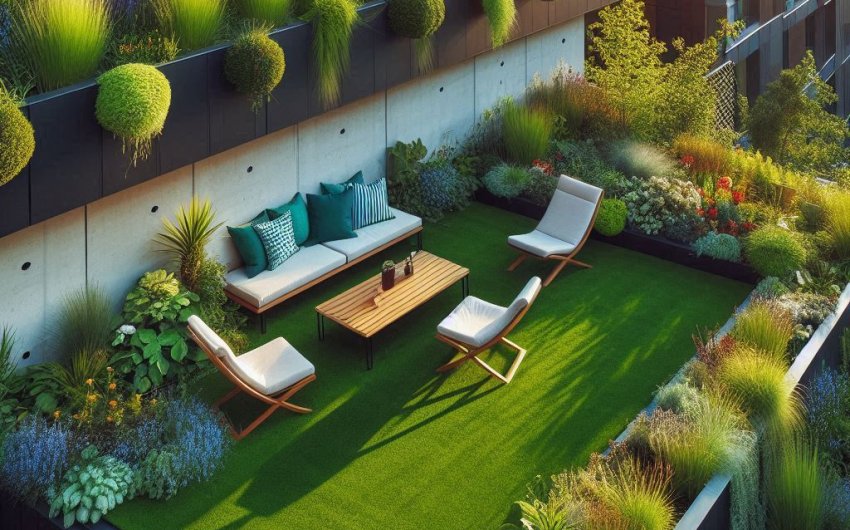
Yes, you can grow grass on a rooftop garden, transforming an unused or barren roof into a vibrant, living green space. Growing grass on a roof requires careful planning and the right materials, but it offers numerous environmental, economic, and aesthetic benefits.
What Exactly is a Rooftop Garden with Grass?
A rooftop garden with grass, often referred to as a green roof or living roof, is a specially engineered system where vegetation, including various types of grass, is grown on the top of a building. It's not just about throwing some soil and seeds onto a roof; it involves multiple layers designed to support plant life, protect the building, and manage water. These systems can range from extensive (thin, low-maintenance layers) to intensive (thicker, more diverse plantings requiring more care), with grass often featuring prominently in both types, depending on the desired aesthetic and function. The idea is to mimic natural ground cover on an elevated surface.
Why Would You Want to Grow Grass on a Rooftop?
Growing grass on a rooftop offers a surprisingly wide array of benefits that extend far beyond just aesthetics. It's a sustainable and smart investment for both residential and commercial buildings.
Environmental Benefits
- Stormwater Management: Green roofs absorb a significant amount of rainwater, reducing stormwater runoff and preventing overloaded sewer systems. This helps to mitigate urban flooding and reduce the burden on public drainage infrastructure.
- Reduced Urban Heat Island Effect: Cities are often much hotter than surrounding rural areas due to vast expanses of dark, heat-absorbing surfaces like traditional roofs and concrete. Green roofs actively cool the surrounding air through evapotranspiration (plants releasing water vapor), significantly lowering ambient temperatures.
- Improved Air Quality: Like all plants, grass on a rooftop helps to filter pollutants from the air, absorb CO₂, and produce oxygen, contributing to cleaner urban air.
- Habitat Creation: Even a small patch of rooftop grass can provide vital habitat and foraging grounds for birds, insects, and pollinators, increasing urban biodiversity.
- Noise Reduction: The layers of a green roof, including the soil and vegetation, act as excellent sound insulators, reducing noise pollution from outside sources for the building's occupants.
Economic Benefits
- Energy Efficiency: The insulating properties of a green roof keep buildings cooler in summer and warmer in winter, drastically reducing heating and air conditioning costs. This can lead to substantial savings on energy bills over time.
- Extended Roof Lifespan: Green roofs protect the underlying roofing membrane from UV radiation, extreme temperature fluctuations, and physical damage, effectively doubling or even tripling the lifespan of the roof. This means fewer costly roof replacements.
- Increased Property Value: Buildings with green roofs are often seen as more desirable and environmentally friendly, potentially increasing their market value and appeal.
- Reduced Infrastructure Costs: For municipalities, widespread adoption of green roofs can mean reduced investment needed in stormwater infrastructure upgrades.
Aesthetic and Lifestyle Benefits
- Enhanced Visual Appeal: A lush green rooftop transforms a dreary, gray surface into a beautiful, vibrant oasis, improving views for residents and neighboring buildings.
- Amenity Space: Intensive green roofs with grass can be designed as accessible outdoor spaces for recreation, relaxation, or even urban farming, providing much-needed green areas in dense urban environments.
- Improved Well-being: Access to green spaces has been linked to reduced stress, improved mental well-being, and increased physical activity. A rooftop garden provides these benefits right at your doorstep.
Considering these multifaceted advantages, it's clear why growing grass on a rooftop is becoming an increasingly popular and sensible choice for sustainable urban development.
What Types of Grass Can You Grow on a Rooftop?
When considering growing grass on a rooftop garden, the choice of grass species is crucial and depends heavily on the type of green roof system, local climate, and desired maintenance level.
1. Extensive Green Roofs (Low Maintenance)
Extensive green roofs typically have a shallow growing medium (4-6 inches deep). They are designed for minimal maintenance, so the grass chosen must be extremely hardy and drought-tolerant.
- Sedum: While not technically "grass," Sedum is the most common plant for extensive green roofs. It's a succulent that thrives in shallow, dry conditions and provides a lush, carpet-like green. Often, mixtures with other low-growing plants are used.
- Fescues (e.g., Sheep Fescue, Hard Fescue): Certain fescue varieties are known for their drought tolerance and ability to thrive in poor soil conditions. They can create a meadow-like appearance and require less mowing than traditional lawns. Purity Blue Fescue is a specific type.
- Bentgrass (certain varieties): Some bentgrass species are very shallow-rooted and can survive in drier conditions.
- Wildflowers and Herbs: Often mixed with low-growing grasses to create a biodiverse meadow, attracting pollinators.
2. Intensive Green Roofs (Higher Maintenance)
Intensive green roofs have a deeper growing medium (6 inches to several feet deep), allowing for a wider variety of plants, including traditional lawn grasses. These systems behave more like a conventional garden and require more maintenance, including regular watering and mowing.
- Kentucky Bluegrass: A popular choice for traditional lawns due to its dense growth and attractive color. Requires regular watering and mowing, and good soil depth.
- Perennial Ryegrass: Often used in lawn mixes, it establishes quickly and tolerates high traffic.
- Tall Fescue: A robust grass that's more drought-tolerant than bluegrass but still provides a lush lawn.
- Bermudagrass: A warm-season grass that thrives in hot climates, excellent for high traffic, but requires significant sun and care.
Factors Influencing Grass Choice
- Climate: Choose grass varieties suited to your local climate's temperature extremes and rainfall patterns.
- Sunlight Exposure: Rooftops typically receive intense sunlight. Ensure the chosen grass can handle it.
- Weight Load: Lighter growing mediums necessitate drought-tolerant, shallow-rooted grasses. Heavier grasses like Kentucky Bluegrass require a robust roof structure.
- Maintenance Level: How much watering, mowing, and fertilizing are you willing to do? This dictates extensive versus intensive options.
- Desired Aesthetic: Do you want a manicured lawn or a natural meadow?
Choosing the right type of grass is a critical step when planning your rooftop garden to ensure its long-term success and minimize future issues.
Can Your Roof Support a Rooftop Garden with Grass? (Structural Considerations)
Before you even think about buying seeds, the most critical question when planning to grow grass on a rooftop garden is: Can your roof structurally support the weight? This is not a DIY assessment; it requires professional evaluation.
Why Structural Assessment is Crucial
- Immense Weight: A green roof, even a thin extensive one, adds significant weight. Consider the weight of:
- Growing Medium (Soil): Saturated soil can be extremely heavy. Even lightweight mixes become heavy when wet.
- Plants: The weight of the vegetation itself.
- Water: Water retention within the layers, and the weight of rainfall.
- People and Furniture (for accessible roofs): If you plan to use the roof as an amenity space, this adds live load.
- Safety: An overloaded roof can sag, crack, or even collapse, posing severe safety risks to occupants and the building structure.
- Building Codes: Many areas have specific building codes and requirements for green roof installations, often including structural certification.
Who to Consult
- Structural Engineer: This is non-negotiable. A qualified structural engineer must assess your building's existing roof structure, foundations, and load-bearing capacity. They will determine if it can support the proposed green roof system or if reinforcements are necessary.
- Architect: If you're designing a new building or undertaking a major renovation, an architect will integrate the green roof plans into the overall structural design.
Factors the Engineer Will Consider
- Building Type and Age: Older buildings may require more significant reinforcement.
- Existing Roof Structure: Type of decking, joists, beams, and columns.
- Proposed Green Roof Type: Extensive (lighter) vs. Intensive (heavier).
- Drainage Plan: How water will be managed and drained efficiently.
- Snow Load (in colder climates): The weight of snow accumulation on top of the green roof.
- Live Load: Weight of people, furniture, or equipment on accessible roofs.
Attempting to install a green roof without professional structural approval is extremely risky and can lead to severe structural damage and potential hazards. Always get the green light from a structural engineer first when planning to grow grass on a rooftop garden.
What are the Essential Layers for a Rooftop Garden with Grass?
A successful rooftop garden with grass is not simply soil on a roof. It's a carefully constructed system made up of several specialized layers, each with a crucial function. Understanding these layers is key to proper installation and long-term performance.
1. The Structural Support
- Description: This is the existing roof deck and supporting structure of your building.
- Function: Bears the entire weight of the green roof system, including plants, soil, water, and live loads. Must be professionally assessed for load-bearing capacity.
2. Root Barrier (Root Protection Layer)
- Description: A durable, impermeable membrane placed directly over the existing roof membrane.
- Function: Prevents plant roots from penetrating and damaging the underlying roof structure and waterproofing. This is critical for protecting your building. Materials include high-density polyethylene (HDPE) or specially formulated root-resistant membranes.
3. Waterproofing Membrane
- Description: The primary waterproof layer that protects the building from water penetration. This is usually the existing roof's waterproofing (e.g., EPDM, TPO, modified bitumen), but it must be high-quality and free of defects. Sometimes an additional, specialized green roof waterproofing layer is added for extra security.
- Function: Keeps the building dry. It's vital that this layer is perfectly installed and sealed.
4. Protection Layer (Optional but Recommended)
- Description: A durable, often non-woven geotextile fabric or rubber mat.
- Function: Protects the delicate waterproofing membrane from punctures and damage during installation and from the layers above it. It also acts as an additional cushioning layer.
5. Drainage Layer
- Description: A crucial layer that allows excess water to drain away quickly, preventing waterlogging of the growing medium. It can be made of:
- Drainage Mats: Prefabricated plastic sheets with dimples or cups that create air gaps for water flow.
- Lightweight Aggregates: Such as expanded clay, pumice, or crushed recycled materials.
- Function: Ensures proper drainage, preventing root rot and reducing the overall weight of the system by not holding too much water. It also provides some aeration.
6. Filter Layer (Filter Fabric)
- Description: A non-woven geotextile fabric placed directly on top of the drainage layer.
- Function: Prevents fine particles from the growing medium from washing down into and clogging the drainage layer, ensuring long-term drainage efficiency.
7. Growing Medium (Substrate)
- Description: This is the specialized "soil" where the grass grows. It's engineered to be lightweight, yet retain enough moisture and nutrients. It typically consists of a mix of inorganic materials (e.g., expanded clay, crushed brick, perlite) and a small amount of organic matter (compost, peat).
- Function: Supports plant growth, provides nutrients, and retains water. For grass on a rooftop, the depth of this layer is critical:
- Extensive Green Roofs: 4-6 inches for low-maintenance grasses like fescues or sedum.
- Intensive Green Roofs: 6 inches to several feet for traditional lawn grasses, perennials, and shrubs. Weight of Green Roof Growing Media is crucial.
8. Vegetation Layer (Grass)
- Description: The top layer, comprising the chosen grass species, planted either as seed, sod, or plugs.
- Function: Provides the green aesthetic, contributes to environmental benefits (air purification, cooling), and forms the living surface of the rooftop garden.
Each of these layers plays a vital role in the success and longevity of your rooftop garden with grass, emphasizing that it's a sophisticated engineered system, not just a simple garden bed.
How to Install Grass on Your Rooftop Garden (Step-by-Step Overview)
Installing grass on your rooftop garden is a complex project best undertaken with professional guidance, especially for the structural and waterproofing elements. However, understanding the general steps helps in planning and overseeing the process.
Phase 1: Planning and Structural Preparation (Professional Required)
- Structural Assessment: Absolutely the first step. Have a qualified structural engineer assess your roof's load-bearing capacity. This dictates what type of green roof (extensive vs. intensive) and how much soil/water it can handle.
- Permits and Regulations: Research local building codes and obtain any necessary permits for green roof installation.
- Waterproofing Inspection/Installation: Ensure your existing roof membrane is in perfect condition. If not, repair it or install a new, high-quality, root-resistant waterproofing membrane. This is a job for a professional roofing contractor experienced in green roofs.
- Drainage System Setup: Plan and install the proper roof drains and overflow systems to ensure efficient water removal. Test for proper slope and drainage.
Phase 2: Layer Installation (Often Professional Assistance)
- Install Protection Layer: Lay down a durable protection layer (geotextile or rubber mat) over the waterproofing to prevent punctures.
- Install Drainage Layer: Place the drainage mat or evenly spread lightweight aggregate over the protection layer. Ensure there's a clear path to the drains.
- Install Filter Layer: Unroll the filter fabric over the drainage layer. Overlap seams by at least 6-12 inches to prevent soil migration.
- Install Edge Restraint: Install sturdy edge restraints around the perimeter of the green roof to contain the growing medium and prevent erosion. These can be metal, recycled plastic, or concrete.
- Add Growing Medium (Substrate): Carefully spread the specialized lightweight growing medium over the filter layer to the required depth (4-6 inches for extensive, deeper for intensive). This is often done with specialized equipment for large roofs.
Phase 3: Planting the Grass (DIY Possible Here)
- Prepare the Substrate: Lightly rake and smooth the surface of the growing medium.
- Choose Your Planting Method:
- Seeds:
- Pros: Cost-effective, wide variety.
- Cons: Slower to establish, higher risk of erosion before germination.
- Method: Broadcast your chosen grass seeds evenly over the prepared substrate. Lightly rake them in, ensuring good seed-to-soil contact. Roll lightly.
- Sod:
- Pros: Instant green, quick establishment, less erosion risk.
- Cons: More expensive, heavier to transport and install.
- Method: Lay rolls of sod tightly together on the substrate, staggering seams. Press down firmly to ensure good contact.
- Plugs:
- Pros: Good for extensive systems, less erosion than seeds.
- Cons: More labor-intensive than sod.
- Method: Plant individual grass plugs into the substrate at recommended spacing.
- Seeds:
- Initial Watering: Water the newly planted grass thoroughly immediately after planting.
Phase 4: Establishment and Maintenance
- Regular Watering: Crucial during the establishment phase (first few weeks to months), especially for seeds or plugs. Keep the growing medium consistently moist but not soggy.
- Mowing (if applicable): Begin mowing intensive grass once it reaches the recommended height for its species.
- Monitoring: Regularly check for proper drainage, erosion, and pest issues.
While planting the grass on your rooftop might seem like the main event, remember that the success of your rooftop garden hinges on meticulous planning and professional execution of the underlying structural, waterproofing, and drainage layers.
Watering and Irrigation for Rooftop Grass
Proper watering and irrigation for rooftop grass are crucial for its survival and health, especially given the unique challenges of an elevated environment. Rooftop gardens tend to dry out faster than ground-level gardens due to increased sun exposure, wind, and lower water retention in lightweight growing mediums.
Key Considerations for Watering Rooftop Grass:
Drying Factors:
- Sunlight: Rooftops receive unfiltered sunlight, leading to higher evaporation rates.
- Wind: Increased wind exposure on rooftops can rapidly dry out the growing medium.
- Shallow Growing Medium: Extensive green roofs, in particular, have limited soil depth, which means less water-holding capacity.
- Lightweight Substrate: The specialized, well-draining substrates used on green roofs, while essential for weight management and preventing waterlogging, also have lower water retention than traditional topsoil.
Water Source and Quality:
- Access: Ensure you have easy access to a water source on the roof or a way to get water up there.
- Rainwater Harvesting: Consider integrating a rainwater harvesting system. This is a sustainable and cost-effective way to water your green roof, reducing reliance on municipal water.
- Water Quality: While generally less sensitive than some plants, very hard water or highly chlorinated water can affect grass over time.
Irrigation Methods:
Manual Hand Watering:
- Pros: Simple for small, accessible areas. Allows direct observation of the grass.
- Cons: Labor-intensive, inconsistent for larger roofs, prone to uneven watering.
- Best For: Small intensive gardens or extensive roofs during establishment.
Automated Irrigation Systems (Drip or Sprinkler):
- Pros: Most efficient and reliable for larger green roofs, ensures consistent watering, reduces labor.
- Drip Irrigation: Highly water-efficient, delivers water directly to the root zone, minimizes evaporation. Excellent for extensive green roofs with sedum or specific grass patches.
- Sprinkler Systems: Ideal for intensive lawn areas where you want even coverage. Can be programmed for specific times and durations.
- Best For: Medium to large green roofs, intensive lawns, or those seeking low-maintenance watering. A Drip Irrigation Kit can be a smart investment.
Watering Frequency:
- Establishment Phase (First few weeks to months): Crucial. Keep the growing medium consistently moist, especially if you've seeded or laid sod. This might mean daily watering initially.
- Mature Extensive Green Roof: Once established, extensive roofs with drought-tolerant grasses like fescues or sedum will require minimal supplemental watering, perhaps only during prolonged dry spells or heat waves.
- Mature Intensive Green Roof: Intensive lawns with traditional grasses will need regular watering, similar to a ground-level lawn, perhaps 2-3 times a week depending on climate and grass type. Always check the soil moisture before watering.
Monitoring is key: observe your grass. Is it showing signs of stress (wilting, browning)? Adjust your watering schedule accordingly. Implementing a smart irrigation controller with rain sensors can further optimize water usage for your rooftop grass.
Maintaining Your Rooftop Grass Garden
Regular maintenance for your rooftop grass garden is essential to keep it healthy, vibrant, and functioning effectively. The level of maintenance required depends heavily on whether you have an extensive or intensive green roof.
General Maintenance for All Rooftop Grass Gardens:
- Weeding: Even on extensive roofs, weeds will inevitably appear. Regular weeding (manual removal is often best) is crucial to prevent them from outcompeting your desired grass species. For large roofs, a weed management plan might be needed.
- Drainage Checks: Periodically inspect the roof drains and gutters to ensure they are clear of debris (leaves, soil particles) and flowing freely. Clogged drains can lead to water pooling and stress on the waterproofing.
- Erosion Control: After heavy rains, check for any signs of substrate erosion, especially on sloped roofs. Repair any bare spots immediately.
- Pest and Disease Monitoring: Regularly inspect your grass for signs of pests or diseases. Address any issues promptly with appropriate, environmentally friendly treatments.
- Perimeter Inspection: Check the edge restraints to ensure they are secure and functioning correctly, preventing substrate from spilling over the roof edges.
Specific Maintenance for Extensive Rooftop Grass (e.g., Fescues, Sedum Mixes):
- Mowing (Minimal to None): Many extensive grass types, especially fescues, are chosen for their low growth and often don't require frequent mowing. Some prefer a natural, meadow-like appearance. If mowing, it would be very infrequent, perhaps once or twice a year to tidy up or reduce seed heads.
- Nutrient Boost (Minimal): Extensive roofs generally have low nutrient requirements. A light application of a slow-release granular fertilizer once a year in spring might be beneficial if growth seems weak, but often isn't necessary. Over-fertilizing can harm drought-tolerant plants.
- Thinning/Replanting: Over time, some areas might thin out. You might need to add new seed or plugs to maintain coverage.
Specific Maintenance for Intensive Rooftop Grass (Traditional Lawn):
- Regular Mowing: Treat it like a regular lawn. Mow weekly or bi-weekly during the growing season, maintaining the appropriate height for your grass type. Use a lightweight, electric or battery-powered mower suitable for rooftop use. Greenworks Electric Mower is a popular option.
- Fertilization: Fertilize according to the specific needs of your chosen lawn grass, generally 2-4 times during the growing season. Use a balanced lawn fertilizer.
- Aeration: Periodically aerate the soil to prevent compaction, especially in high-traffic areas.
- Topdressing: Applying a thin layer of compost or specialized growing medium can improve soil health over time.
- Edging: Maintain crisp edges where the grass meets pathways or other features.
- Winter Care: In cold climates, prepare your grass for winter by reducing watering and potentially applying a winterizing fertilizer.
Consistent maintenance ensures your rooftop grass garden remains healthy, beautiful, and continues to provide all its valuable benefits for many years.
Benefits of Growing Grass on a Rooftop Garden (Recap)
Revisiting the benefits of growing grass on a rooftop garden underscores why this green infrastructure solution is gaining so much traction globally. It's an investment that pays dividends for the building owner, the occupants, and the wider urban environment.
- Stormwater Management Excellence: By acting as a natural sponge, green roofs with grass significantly reduce the volume and slow down the rate of stormwater runoff, easing the burden on municipal drainage systems and contributing to flood mitigation.
- Mitigation of Urban Heat Island Effect: The evaporative cooling from the grass and the insulating layers underneath dramatically lower surface temperatures on the roof, directly contributing to cooler ambient air temperatures in urban areas. This is a critical factor in combating climate change impacts in cities.
- Superior Energy Efficiency: The dense layers of a green roof provide excellent insulation. This natural thermal barrier keeps buildings cooler in summer, reducing air conditioning demand, and warmer in winter, cutting heating costs. Significant savings on utility bills are a compelling economic benefit.
- Extended Roof Lifespan: A green roof shields the underlying waterproofing membrane from the damaging effects of UV radiation, extreme temperature fluctuations (freeze-thaw cycles), and physical wear and tear. This protection can extend the life of a roof two to three times beyond that of a conventional roof.
- Improved Air Quality: Like all vegetation, grass on a rooftop actively absorbs carbon dioxide and releases oxygen through photosynthesis. It also helps to filter airborne particulate matter and pollutants, contributing to cleaner, healthier urban air.
- Biodiversity and Habitat Creation: Even a simple grassy rooftop can create valuable patches of habitat for local insects, birds, and other wildlife, helping to support urban biodiversity and ecological health.
- Noise Reduction: The multiple layers of a green roof effectively absorb and block sound waves, reducing both external noise (e.g., traffic) entering the building and internal noise escaping it, leading to a quieter indoor environment.
- Increased Property Value and Aesthetics: A well-designed rooftop garden with grass transforms an otherwise barren space into a visually appealing amenity. This unique feature can significantly enhance the attractiveness and market value of a property.
- Amenity and Recreational Space: For intensive green roofs, the ability to grow grass allows for the creation of usable park-like areas, community gardens, or private relaxation zones, offering valuable outdoor space in dense urban settings.
- Enhanced Well-being: Access to green spaces, even elevated ones, has been shown to improve mental health, reduce stress, and promote physical activity, contributing to a better quality of life for building occupants.
In conclusion, the decision to grow grass on a rooftop garden is a forward-thinking choice that blends environmental stewardship with practical, tangible benefits for property owners and the broader community.
Challenges and Considerations for Rooftop Grass Gardens
While the benefits are numerous, there are distinct challenges and considerations when planning to grow grass on a rooftop garden. Being aware of these upfront is crucial for a successful project.
- High Initial Cost: Green roofs, especially intensive ones with significant soil depth for traditional grass, have a higher upfront installation cost compared to conventional roofs. This is due to specialized materials, engineering, and often complex installation procedures.
- Weight Load: As previously emphasized, the structural capacity of the building is paramount. The weight of saturated growing media, plants, water retention, and live loads (people, furniture) requires a robust roof structure. This might necessitate costly structural reinforcements for existing buildings.
- Waterproofing Integrity: The underlying waterproofing membrane is the most critical component. Any failure in this layer can lead to costly and damaging leaks inside the building. It must be a high-quality, root-resistant membrane, flawlessly installed by experienced professionals.
- Drainage System: An efficient drainage system is vital to prevent waterlogging, which leads to root rot and excessive weight. Proper slope, functional drains, and a permeable drainage layer are necessary. Clogging of drains can cause serious issues.
- Wind Exposure: Rooftops are more exposed to wind than ground-level gardens. Strong winds can dehydrate plants rapidly, cause erosion of the growing medium, and even physically damage structures or dislodge plants if not properly secured. Wind breaks might be necessary.
- Maintenance: While extensive green roofs are low-maintenance, intensive grass lawns on rooftops require regular care similar to a ground-level lawn (mowing, watering, fertilizing, weeding). Access for maintenance equipment can also be a challenge.
- Access: How will materials be brought up to the roof? How will people access the garden for maintenance and recreation? Ladders, lifts, or dedicated stairs might be needed, adding to the cost and complexity.
- Irrigation Requirements: Rooftop environments dry out faster. Even drought-tolerant grasses will need irrigation during establishment and prolonged dry periods. Intensive lawns will require consistent watering, often necessitating an automated irrigation system.
- Choosing the Right Species: Selecting grass varieties that can withstand the specific rooftop microclimate (intense sun, wind, shallow soil for extensive roofs) and your desired maintenance level is critical for long-term success.
- Long-Term Performance and Monitoring: Green roofs are dynamic systems. Regular monitoring for soil health, plant vigor, drainage issues, and structural integrity is important over the years.
- Pests and Diseases: While a benefit for biodiversity, a rooftop garden can also attract certain pests. An integrated pest management plan might be needed.
Despite these challenges, with careful planning, professional expertise, and a commitment to ongoing maintenance, the challenges of growing grass on a rooftop garden can be effectively managed, yielding a highly rewarding and sustainable outcome.
Future Trends in Rooftop Grass and Green Roofs
The concept of growing grass on a rooftop garden is continually evolving, driven by innovation, urban development needs, and increasing awareness of climate change. Several exciting future trends are shaping the landscape of green roofs.
- Lightweight and Modular Systems: Ongoing research focuses on developing even lighter-weight growing media and pre-vegetated modular trays. These systems reduce structural load requirements and simplify installation, making green roofs more accessible to a wider range of buildings.
- Biodiversity Enhancement: Beyond just grass, there's a growing emphasis on designing green roofs that maximize ecological benefits. This includes incorporating diverse native plant species (wildflowers, grasses, small shrubs) to support pollinators, birds, and insects, transforming roofs into urban ecological corridors.
- Smart Green Roofs: Integration of technology is a major trend. This includes:
- Sensor Technology: Soil moisture sensors, weather stations, and drainage flow sensors that monitor real-time conditions.
- Automated Irrigation: Smart irrigation systems that use sensor data and weather forecasts to optimize watering, minimizing water waste.
- Remote Monitoring: Allowing building managers to monitor green roof health and performance from a distance.
- Food Production (Edible Rooftops): Combining green roofs with urban agriculture is gaining traction. Rooftops are being designed not just for grass and aesthetics, but also for growing vegetables, herbs, and even fruit, contributing to local food security and community engagement.
- Blue-Green Roofs (Water Management Focus): This innovative approach integrates green roof technology with advanced stormwater management. These roofs are designed to temporarily detain large volumes of rainwater within their layers, releasing it slowly or even storing it for reuse (e.g., irrigation), further reducing pressure on drainage systems.
- Enhanced Thermal Performance: New materials and design techniques are being explored to further enhance the insulating properties of green roofs, making buildings even more energy-efficient.
- Integration with Solar Panels (Biosolar Roofs): Combining photovoltaic (solar) panels with green roof systems. Research shows that the cooling effect of the green roof can actually improve the efficiency of solar panels, creating a synergistic benefit.
- Green Facades and Walls: Extending the concept of vertical greenery, integrating plants not just on horizontal roof surfaces but also on building facades and walls, creating more extensive green envelopes.
- Policy and Incentives: More cities globally are implementing policies, grants, and tax incentives to encourage green roof adoption, recognizing their significant public benefits. This political will is driving wider implementation.
- "Fifth Facade" Design: Architects are increasingly viewing the roof as a "fifth facade" of a building, an important design element that contributes to the overall aesthetic and environmental performance of a structure, rather than just a utilitarian covering.
These trends highlight a future where growing grass on a rooftop garden is not just an optional amenity, but a fundamental component of sustainable, resilient, and livable urban environments. The continuous evolution of materials and techniques promises to make green roofs even more efficient, accessible, and impactful in the years to come.