
How to Care for a Peace Lily: A Comprehensive Guide
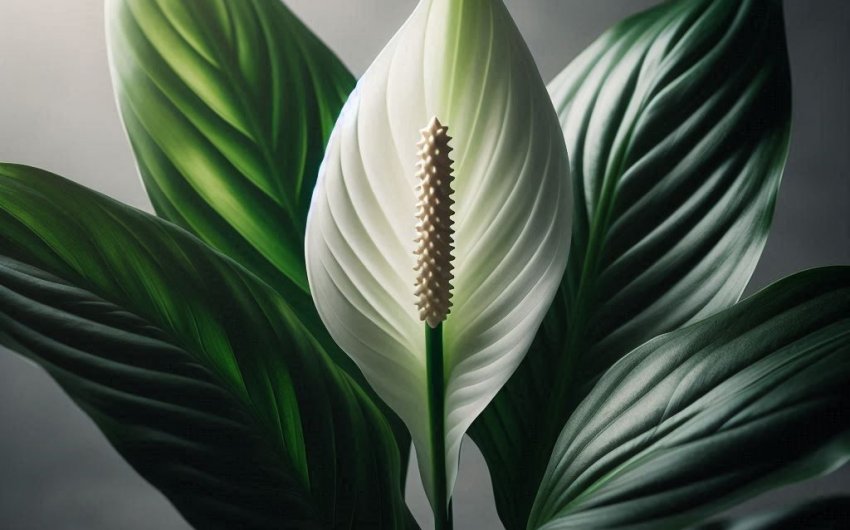
Caring for a Peace Lily is relatively straightforward, making it a popular choice for both new and experienced plant owners. These graceful plants thrive with consistent moisture, bright, indirect light, and appreciate higher humidity, often "telling" you when they need water by dramatically drooping their leaves.
What is a Peace Lily?
A Peace Lily, scientifically known as Spathiphyllum, is a tropical evergreen plant cherished for its lush, dark green foliage and distinctive, elegant white "flowers." What many consider a flower is actually a modified leaf called a spathe, which surrounds a central stalk of tiny true flowers called a spadix. Native to the tropical rainforests of South America and Southeast Asia, Peace Lilies are known for their air-purifying qualities and their ability to signal when they need water by dramatically drooping their leaves. They range in size from compact tabletop varieties to large, floor-standing specimens, all exuding a sense of calm and beauty.
Why are Peace Lilies So Popular?
Peace Lilies are incredibly popular for a multitude of compelling reasons, making them a consistent favorite among houseplant enthusiasts. Their primary appeal lies in their stunning aesthetic: the contrast of glossy, deep green leaves with crisp, often pure white spathes adds an immediate touch of elegance and serenity to any room. Beyond their beauty, they are excellent air purifiers, topping lists for their ability to filter out common indoor toxins such as formaldehyde, benzene, trichloroethylene, and carbon monoxide, as highlighted by NASA's Clean Air Study. This makes them not just decorative, but also beneficial for a healthier home environment. They are also famously easy to read: their dramatic wilting when thirsty makes it almost impossible to forget to water them, and they perk right back up after a drink, offering a satisfying visual response to your care. Their relatively low-maintenance needs and ability to tolerate lower light conditions (though they thrive in brighter indirect light) further contribute to their widespread appeal. They're also often given as gifts due to their symbolic association with peace and tranquility.
What are the Best Light Conditions for a Peace Lily?
The best light conditions for a Peace Lily are bright, indirect light. This environment encourages vibrant foliage and prolific blooming. Peace Lilies are quite adaptable and can tolerate lower light levels, which is why they are often popular for offices or rooms with limited natural light. However, in very low light, they may produce fewer flowers and their growth will be slower. Conversely, too much direct, intense sunlight can scorch their leaves, causing them to develop yellow or brown burnt patches.
How Much Light Does a Peace Lily Need?
A Peace Lily needs at least 4-6 hours of indirect light to flourish and bloom consistently. An east-facing window is often ideal, providing gentle morning sun. A north-facing window also works well, offering consistent, diffused light throughout the day. If you have a south or west-facing window that receives strong direct sun, place your Peace Lily several feet back from the window or use a sheer curtain to filter the light. If you notice your plant isn't blooming or new leaves are very dark and growth is slow, it might need more light. If the leaves are yellowing or have crispy brown spots, it's likely getting too much direct sun.
How Often Should You Water a Peace Lily?
You should water a Peace Lily when the top 1-2 inches of soil feel dry to the touch, or when the leaves begin to slightly droop. Peace Lilies are famous for their dramatic wilting when they are thirsty, which makes it very easy to know when to water. However, don't wait until they are completely collapsed. They prefer consistently moist, but not soggy, soil. Overwatering is a common mistake and can lead to root rot. When you water, do so thoroughly until water drains from the bottom of the pot. During the active growing season (spring and summer), you'll likely water more frequently, while in fall and winter, you can reduce the frequency as the plant's growth slows.
Signs of Overwatering vs. Underwatering
- Overwatering: The most common signs are yellowing leaves, especially lower leaves, which may feel soft and mushy. Black spots on leaves, brown leaf tips (due to root rot preventing water uptake), or a foul smell from the soil are also indicators. The soil may remain perpetually damp.
- Underwatering: The most noticeable sign is dramatic drooping or wilting of the entire plant. The leaves will look limp and sad. While the plant usually perks up quickly after a good drink, repeated severe wilting can stress the plant and cause brown leaf tips or edges.
What Type of Soil is Best for Peace Lilies?
The best type of soil for Peace Lilies is a well-draining, peat-based potting mix that is rich in organic matter. They prefer slightly acidic to neutral soil (pH 6.0 to 7.0). A good quality, all-purpose houseplant potting mix usually works perfectly, as long as it's not too dense and allows excess water to pass through freely while retaining enough moisture.
Amending Your Potting Mix (Optional but Beneficial)
To enhance drainage, aeration, and moisture retention, consider adding:
- Perlite: This lightweight volcanic rock greatly improves drainage and prevents soil compaction. Mixing in about 10-20% perlite with your potting soil is a good ratio.
- Coco Coir/Chips: These provide excellent aeration while also holding onto moisture. They are also a sustainable alternative to peat.
- Compost or Worm Castings: A small amount (e.g., 10%) can provide gentle, slow-release nutrients and improve overall soil structure.
A suitable DIY mix could be 2 parts good quality potting soil, 1 part peat moss or coco coir, and 1 part perlite. For convenience, many standard indoor potting mixes like Miracle-Gro Indoor Potting Mix are suitable for Peace Lilies.
What Temperature and Humidity Do Peace Lilies Prefer?
Peace Lilies are tropical plants, so they naturally prefer warm, humid environments. Providing consistent temperatures and adequate humidity will encourage lush growth and more frequent blooming.
Ideal Temperature Range
The ideal temperature range for Peace Lilies is between 18°C and 29°C (65°F and 85°F). They are quite sensitive to cold and should be protected from temperatures below 10°C (50°F), which can cause chilling injury, leading to black or dark brown spots on leaves. Avoid placing them near cold windows in winter, directly in front of air conditioning vents, or near drafty doorways. Consistent warmth helps them thrive.
Humidity Requirements
Peace Lilies prefer moderate to high humidity, ideally above 50%. In their native rainforest habitat, humidity is consistently high. While they can tolerate average household humidity levels (around 40-60%), providing higher humidity can prevent brown leaf tips and encourage larger, healthier foliage. You can increase humidity around your plant by:
- Misting: Lightly misting the leaves a few times a week, especially in dry environments.
- Pebble Tray: Placing the pot on a tray filled with pebbles and water (ensure the bottom of the pot doesn't sit directly in the water). As the water evaporates, it increases localized humidity.
- Grouping Plants: Grouping your Peace Lily with other humidity-loving plants can create a beneficial microclimate.
- Humidifier: Using a room humidifier is the most effective way to provide consistent high humidity for all your tropical plants. A Honeywell Humidifier can be a great investment.
How Do You Fertilize a Peace Lily?
Fertilizing a Peace Lily is beneficial during its active growing season to support lush foliage and consistent blooming. You should fertilize moderately, typically every 4-6 weeks during spring and summer. Reduce or stop fertilizing entirely in fall and winter when the plant's growth naturally slows down. Over-fertilizing can lead to brown leaf tips and root damage.
Best Fertilizers to Use
Use a balanced, all-purpose liquid houseplant fertilizer with a higher phosphorus content (the middle number in the N-P-K ratio) to encourage blooming. A ratio like 20-20-20 or something slightly higher in phosphorus like 15-30-15 (for flowering plants) would be suitable. Always dilute the fertilizer to half or even quarter strength of what is recommended on the product label. Peace Lilies are sensitive to chemical buildup.
Here's a simple process for fertilizing:
- Water thoroughly first: Always water your plant a day or two before fertilizing. This hydrates the roots and helps prevent them from being shocked or burned by the fertilizer solution.
- Dilute the fertilizer: Mix the liquid fertilizer with water to half or quarter the strength recommended on the product label.
- Apply to moist soil: Pour the diluted fertilizer evenly over the soil around the base of the plant.
You can also use a slow-release granular fertilizer once at the beginning of the growing season, such as Jobe's Houseplant Fertilizer Spikes, following the product's instructions very carefully to avoid over-fertilization. When in doubt, it's always safer to under-fertilize slightly than to over-fertilize a Peace Lily.
When Should You Repot a Peace Lily?
You should repot a Peace Lily when it becomes root-bound, meaning its roots have filled the current pot and are starting to circle around, emerge from the drainage holes, or push the plant upwards. Peace Lilies often grow quite large and can become root-bound relatively quickly compared to some other houseplants. Repotting is typically needed every 1-2 years, depending on the plant's growth rate. The best time to repot is during the spring or early summer, when the plant is actively growing.
Steps for Repotting a Peace Lily
- Choose the right pot: Select a pot that is only 1-2 inches larger in diameter than the current one. Going too big can lead to excess soil retaining too much moisture, increasing the risk of root rot. Ensure the pot has drainage holes. Any pot material works, but plastic pots help retain moisture better, which Peace Lilies appreciate.
- Prepare the new pot: Add a layer of fresh, well-draining, peat-based potting mix to the bottom of the new pot.
- Remove the plant: Gently tip the old pot on its side and carefully slide the Peace Lily out. You may need to gently wiggle or pull on the base of the plant. If it's very root-bound, you might have to carefully cut away the old pot.
- Inspect and loosen roots: Gently loosen any tightly bound roots at the bottom. Trim away any mushy, dark, or rotting roots with clean, sharp scissors. You can also divide the plant at this stage (see propagation section).
- Position the plant: Place the Peace Lily in the new pot, ensuring the top of the root ball is at the same level as it was in the old pot, or slightly below the rim of the new pot to allow for watering.
- Fill with soil: Backfill around the roots with more fresh potting mix, gently patting it down to remove large air pockets. Leave about an inch of space from the top of the pot to the soil line.
- Water thoroughly: After repotting, water the plant thoroughly until water drains from the bottom. This helps settle the soil and rehydrate the roots.
How Do You Propagate a Peace Lily?
Propagating a Peace Lily is quite easy and is almost always done by division. Peace Lilies grow in clumps, and as they mature, they produce new "offsets" or sections that can be separated from the parent plant.
Method: Division
This method is best done during repotting when the plant is already out of its pot.
- Unpot the plant: Carefully remove the entire Peace Lily from its pot.
- Inspect rhizomes/clumps: Gently shake off excess soil to expose the root ball and the clumping rhizomes. You'll notice natural divisions where the plant can be separated.
- Separate sections: Using your hands, gently tease apart the root ball into smaller sections. Each section should have at least 2-3 leaves and a healthy portion of roots. For very dense clumps, you might need to use a clean, sharp knife to cut through the rhizomes, ensuring each new division has a good root system.
- Pot new plants: Plant each separated section into its own small pot (e.g., 4-6 inch pot) with fresh, well-draining potting mix.
- Water thoroughly: Water the newly potted divisions immediately until water drains from the bottom.
- Place in suitable environment: Place the newly potted Peace Lilies in a spot with bright, indirect light and maintain good humidity. They may look a bit droopy for the first few days while they adjust, but they should perk up.
This division method is an excellent way to rejuvenate an older, overgrown Peace Lily and create new plants to share or expand your collection.
What are Common Peace Lily Problems and How to Solve Them?
While beautiful and relatively easy to care for, Peace Lilies can sometimes experience issues. Most problems are directly related to light, water, or nutrient imbalances, and are generally easy to correct.
1. Drooping Leaves
- Cause: The most common and obvious sign of underwatering. The plant is "telling" you it's thirsty. Less commonly, severe root rot (from overwatering) can also cause droopiness because roots are damaged and can't absorb water.
- Solution: Check soil moisture. If dry, water thoroughly until water drains. The plant should perk up within a few hours. If soil is soggy and droopy leaves are accompanied by yellowing/mushy stems, suspect root rot and unpot to inspect.
2. Yellowing Leaves
- Cause: Most often, overwatering. Can also be due to very low light, too much direct sun, nutrient deficiency (especially nitrogen), or natural aging of older leaves.
- Solution:
- Overwatering: Allow soil to dry more between waterings. Ensure good drainage.
- Light: Adjust light exposure (more indirect light if too low, less if too direct).
- Nutrient Deficiency: Fertilize during the growing season with a balanced fertilizer.
- Natural Aging: Remove older yellow leaves by trimming at the base.
3. Brown Tips or Edges on Leaves
- Cause: Very common for Peace Lilies. Often due to low humidity, underwatering (allowing the plant to completely wilt too often), excess fertilizer salts, or chlorine/fluoride in tap water.
- Solution:
- Humidity: Increase humidity (misting, pebble tray, humidifier).
- Watering: Water consistently before complete wilting occurs.
- Fertilizer: Reduce fertilizer frequency or dilute more. Flush soil occasionally.
- Water Quality: Use filtered water or let tap water sit out for 24 hours. Trim off brown tips (they won't turn green again).
4. Lack of Blooms (No Flowers/Spathes)
- Cause: The primary reason is insufficient light. Too little light prevents the plant from producing the energy needed for flowering. Other causes include lack of fertilizer (especially phosphorus), or the plant being too young or too stressed.
- Solution: Move to a brighter spot with consistent, indirect light. Fertilize during spring/summer with a balanced or bloom-boosting fertilizer (higher middle number). Ensure consistent watering and humidity.
5. Green Spathes (Flowers aren't white)
- Cause: As spathes age, they naturally turn green before fading. However, persistently green spathes can also indicate too much light or lack of fertilizer.
- Solution:
- Aging: This is normal; you can trim them off once they've fully greened.
- Too Much Light: Move to a slightly less bright indirect light spot.
- Fertilizer: Ensure adequate fertilization during blooming periods.
6. Pests (Spider Mites, Mealybugs, Aphids)
- Cause: While generally resilient, Peace Lilies can occasionally attract common houseplant pests, especially if stressed or exposed to infested plants.
- Solution: Inspect your plant regularly. For spider mites, increase humidity and wipe down leaves with a damp cloth or use an insecticidal soap like Safer Brand Insect Killing Soap. For mealybugs or aphids, use rubbing alcohol on a cotton swab or insecticidal soap. A strong spray of water can also dislodge some pests.
Are Peace Lilies Toxic?
Yes, Peace Lilies are considered mildly toxic if ingested, primarily due to calcium oxalate crystals found in their sap. These crystals can cause irritation to mucous membranes upon contact or ingestion.
What Happens if Ingested or Touched?
- For Pets: If a cat or dog chews on or ingests parts of a Peace Lily, they may experience symptoms such as oral irritation, excessive drooling, pawing at the mouth, vomiting, and difficulty swallowing. While usually not life-threatening, it can be uncomfortable, and a trip to the vet might be necessary for severe reactions.
- For Humans: Direct contact with the sap can cause skin irritation, itching, or a rash in sensitive individuals. Ingestion, even of small amounts, can lead to mouth and throat irritation, burning sensations, and stomach upset.
It's advisable to wear gloves when handling a Peace Lily, especially when pruning or repotting, to avoid skin irritation. Always keep Peace Lilies out of reach of curious pets and small children. If ingestion occurs, seek immediate medical or veterinary advice.
How to Clean Peace Lily Leaves?
Cleaning your Peace Lily leaves is a simple yet effective part of their care. Dust accumulation on their broad, glossy leaves can hinder photosynthesis by blocking light, and it also diminishes the plant's natural shine and vibrant appearance.
Simple Steps to Clean Your Peace Lily
- Gather supplies: You'll need a soft, damp cloth (microfiber works well) and lukewarm water. Avoid using harsh chemicals or commercial leaf shine products.
- Wipe leaves gently: Support the back of each leaf with one hand and gently wipe the top and underside of the leaf with the damp cloth. Work your way around the entire plant, cleaning all the individual leaves.
- Shower (optional): For very dusty or large plants, you can gently shower the entire plant in a sink or bathtub using lukewarm water. This also helps boost humidity and can deter some pests. Ensure the water drains fully from the pot afterward.
- Avoid leaf shine products: These can clog the plant's pores (stomata) and interfere with its ability to breathe and perform essential plant functions.
Aim to clean your Peace Lily's leaves every few weeks to once a month, or whenever you notice a significant layer of dust. This regular cleaning regimen contributes to both the health and aesthetic appeal of your Peace Lily.
Do Peace Lilies Require Pruning?
Yes, Peace Lilies do benefit from regular pruning, primarily to remove old, faded spathes (flowers) and yellowing or brown leaves. Pruning not only keeps the plant looking tidy and attractive but also redirects the plant's energy into producing new growth and more blooms.
When and How to Prune Your Peace Lily:
- Removing Faded Spathes:
- When: Once a spathe has turned green or brown and begun to wilt, it's finished its cycle.
- How: Follow the flower stalk down to the base of the plant, where it emerges from the soil. Use clean, sharp scissors or pruners to cut the stalk as close to the soil line as possible. This prevents the plant from wasting energy on a dying bloom and encourages new ones.
- Removing Yellowing or Brown Leaves:
- When: Any leaves that are significantly yellow, brown, crispy, or otherwise damaged should be removed.
- How: Again, follow the leaf stem down to the base of the plant. Use clean, sharp scissors or pruners to cut the stem as close to the soil line as possible. Removing these leaves improves air circulation and aesthetics, and redirects energy to healthy growth.
- Overall Shaping (Optional):
- When: If your Peace Lily becomes too dense or leggy.
- How: You can strategically remove some of the oldest or densest outer leaves to improve air circulation within the plant.
Regular, thoughtful pruning is an important aspect of Peace Lily care that contributes significantly to the plant's overall health and continuous beauty.
Companion Plants for Peace Lilies
When choosing companion plants for Peace Lilies, it's ideal to select other houseplants that share similar preferences for light, watering, and especially humidity. Grouping plants with similar needs creates a beneficial microclimate and simplifies your overall care routine.
Here are some excellent choices that pair well with Peace Lilies:
- Prayer Plant (Maranta leuconeura): These plants also enjoy bright, indirect light and consistently moist soil, along with higher humidity, making them perfect companions. Their colorful, patterned leaves offer a lovely contrast.
- Ferns (e.g., Boston Fern, Maidenhair Fern, Kimberly Queen Fern): Many ferns thrive in similar bright, indirect light and absolutely love higher humidity and consistently moist soil, making them natural partners for Peace Lilies. A Boston Fern would look great.
- Pothos (Epipremnum aureum): While Pothos are more tolerant of dryness, they thrive in bright, indirect light and appreciate moderate humidity. Their vining habit can complement the upright growth of a Peace Lily.
- Philodendron (various types, e.g., Heartleaf Philodendron, Brasil Philodendron): Similar to Pothos in terms of adaptability to light and appreciation for consistent moisture and humidity.
- Calathea (various types): Calatheas are humidity lovers and prefer bright, indirect light and consistently moist soil. Their stunning patterned foliage can create a vibrant, tropical display alongside a Peace Lily.
- Chinese Evergreen (Aglaonema): Many varieties of Chinese Evergreens tolerate lower light and appreciate consistent moisture and humidity, making them compatible in a multi-plant display with a Peace Lily. They offer beautiful variegated foliage.
When arranging, consider plant heights and textures to create an appealing visual composition. Placing humidity-loving plants together, including your Peace Lily, can help maintain a higher localized humidity, benefiting all of them.
Understanding Different Peace Lily Varieties
While the classic Peace Lily is instantly recognizable, there are several cultivated varieties of Spathiphyllum, ranging in size and subtle leaf differences. All share the same fundamental care requirements.
- Spathiphyllum 'Mauna Loa': This is one of the most common and classic varieties found in nurseries. It's a medium to large-sized Peace Lily, known for its abundant white spathes and lush, dark green foliage. This is often the default "Peace Lily" most people encounter.
- Spathiphyllum 'Domino': A striking variegated variety. 'Domino' features beautiful splashes and streaks of white or cream on its dark green leaves, adding an extra layer of visual interest even when not in bloom.
- Spathiphyllum 'Sensation': This is the largest Peace Lily variety commonly grown as a houseplant, capable of reaching heights of 4-6 feet with equally massive leaves and spathes. It makes a dramatic floor plant statement.
- Spathiphyllum 'Petite' or 'Communion': These are dwarf or compact varieties, typically growing to only about 1 foot tall. They are perfect for desktops, shelves, or small spaces where a larger plant wouldn't fit.
- Spathiphyllum 'Starlight': Known for its slightly more abundant and longer-lasting flowers, often with a more star-like appearance to the spathes.
- Spathiphyllum 'Sweet Chico': A compact to medium-sized variety recognized for its vigorous growth and prolific flowering, often producing multiple spathes simultaneously.
- Spathiphyllum wallisii: This is the species from which many popular cultivars derive. It's typically smaller, with more slender leaves and smaller, though still elegant, white spathes.
Regardless of the specific variety, the essential principles of Peace Lily care remain consistent: bright, indirect light, consistently moist soil (but not soggy!), warm temperatures, and moderate to high humidity. Choosing a different variety can simply allow you to find the perfect size and subtle aesthetic for your space.
Advanced Tips for Thriving Peace Lilies
Once you've mastered the basics of how to care for a Peace Lily, a few advanced tips can help your plant not just survive, but truly thrive and become a continuous source of beautiful blooms.
1. Water Quality Matters
- Tip: Peace Lilies can be sensitive to chemicals like chlorine and fluoride often found in tap water, which can contribute to brown leaf tips.
- Solution: Allow tap water to sit in an open container for 24 hours before watering (this allows chlorine to dissipate). Even better, use distilled water, rainwater, or filtered water.
2. Don't Fear the Droop
- Tip: While drooping is a clear sign of thirst, some new plant parents might panic.
- Solution: Use the "droop test" as your primary watering signal. It's okay for them to slightly droop between waterings. Just make sure to water promptly and thoroughly when they do. Consistent, well-timed droop-and-recover cycles are healthier than keeping the soil perpetually soggy.
3. Ensure Good Air Circulation
- Tip: While Peace Lilies appreciate humidity, stagnant, humid air can lead to fungal issues.
- Solution: Ensure your plant isn't crammed in with too many others or placed in a spot with no air movement. A gentle fan in a room with many plants can be beneficial.
4. Rotate Your Plant
- Tip: Like most plants, Peace Lilies will grow towards their light source, leading to lopsided growth.
- Solution: Rotate your Peace Lily 90 degrees every week or two. This ensures even growth and a more symmetrical, fuller plant.
5. Periodically Flush the Soil
- Tip: Over time, mineral salts from tap water and fertilizers can build up in the soil, which can harm roots and contribute to brown tips.
- Solution: Every few months, take your plant to a sink and water it thoroughly for several minutes (allowing water to drain freely), effectively flushing out excess salts.
By incorporating these more advanced Peace Lily care strategies, you'll ensure your elegant plant remains healthy, vibrant, and a consistent source of beautiful white blooms for years to come.