
How to Care for a Pothos Plant: The Easy-Grow Guide
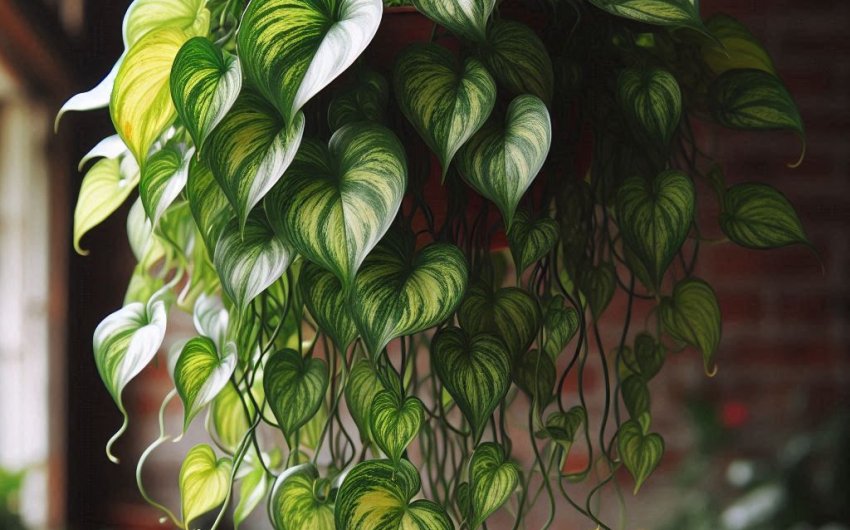
Caring for a Pothos plant is remarkably straightforward, making it one of the most popular and forgiving houseplants for beginners and seasoned plant enthusiasts alike. These versatile vining plants thrive with moderate, consistent watering and adaptable light conditions, offering lush greenery with minimal effort.
What is a Pothos Plant?
A Pothos plant, scientifically known as Epipremnum aureum, is an incredibly popular and adaptable houseplant cherished for its heart-shaped, often variegated leaves and long, trailing vines. Native to the Solomon Islands, this robust plant is a member of the Araceae family and is sometimes referred to as "Devil's Ivy" because of its remarkable ability to survive in neglect and its leaves staying green even in the dark. Pothos comes in a wide array of varieties, each showcasing unique patterns and shades of green, yellow, white, and silver. Its vining habit makes it perfect for hanging baskets, high shelves, or training to climb poles, adding a dynamic and lush feel to any indoor space.
Why are Pothos Plants So Popular?
Pothos plants have garnered immense popularity for a multitude of compelling reasons, solidifying their status as a houseplant staple. Their primary allure lies in their exceptional resilience and forgiving nature, making them ideal for novice plant parents, busy individuals, or those who sometimes forget to water. They can tolerate a wide range of light conditions, from low to bright indirect, and bounce back remarkably well from periods of dryness. Beyond their adaptability, their fast-growing, vining habit makes them incredibly versatile for various decorative applications – whether cascading from a shelf, climbing a moss pole, or simply sitting on a desk. They are also known for their air-purifying qualities, capable of removing common indoor toxins like formaldehyde and carbon monoxide from the air. Furthermore, the sheer diversity of Pothos varieties, from the classic 'Golden' to the striking 'Manjula', means there's a Pothos to suit every aesthetic preference, adding vibrant color and texture with minimal fuss.
What are the Best Light Conditions for a Pothos Plant?
The best light conditions for a Pothos plant are bright, indirect light. This environment encourages vibrant leaf coloration and robust growth. However, Pothos plants are incredibly versatile and can tolerate lower light conditions, which is a major reason for their popularity. In very low light, the plant will grow slower, and any variegation (the patterned colors) on the leaves may fade, becoming more solid green. Conversely, too much direct, intense sunlight can scorch the leaves, leading to bleached or yellow patches.
How Much Light Does a Pothos Need?
A Pothos plant needs at least 4-6 hours of indirect light to thrive. An east-facing window often provides ideal gentle morning sun. A north-facing window also works well for consistent, indirect light. If you have a south or west-facing window that receives strong direct sun, place your Pothos a few feet back from the window or use a sheer curtain to filter the light. If you notice the vines becoming leggy (long stems with widely spaced leaves) or the variegation diminishing, it's often a sign that your plant needs more light. If leaves appear scorched or bleached, move it away from intense direct sun.
How Often Should You Water a Pothos Plant?
You should water a Pothos plant when the top 2-3 inches of soil feel dry to the touch. They prefer consistently moist, but not soggy, soil. Overwatering is the most common mistake when caring for Pothos, leading to root rot. When you water, do so thoroughly until water drains from the bottom of the pot. During the active growing season (spring and summer), you'll likely water more frequently, while in fall and winter, you can reduce the frequency as the plant's growth slows.
Signs of Overwatering vs. Underwatering
- Overwatering: The most common signs are yellowing leaves, especially lower leaves, that may feel soft and mushy. Black spots on leaves or soft, rotting stems are also indicators. The soil may remain perpetually damp and emit a foul odor.
- Underwatering: Common signs include drooping or wilting leaves that may feel crispy or dry to the touch. The soil will be bone dry, and the plant may appear dull. While Pothos are tolerant of some dryness, prolonged underwatering can stunt growth and cause leaf loss.
What Type of Soil is Best for Pothos Plants?
The best type of soil for Pothos plants is a well-draining, airy potting mix. A good quality, all-purpose houseplant potting mix usually works perfectly. The key is to ensure the soil allows excess water to pass through freely while retaining enough moisture for the roots. Pothos prefer a slightly acidic to neutral soil pH.
Amending Your Potting Mix (Optional but Beneficial)
To enhance drainage and aeration, especially if your potting mix seems dense, consider adding:
- Perlite: This lightweight volcanic rock greatly improves drainage and prevents soil compaction. Mixing in about 10-20% perlite with your potting soil is a good ratio.
- Orchid Bark or Coco Coir/Chips: These chunky materials improve aeration and drainage, mimicking the airy conditions Pothos roots enjoy in their natural climbing environment.
- Compost or Worm Castings: A small amount can provide gentle, slow-release nutrients and improve overall soil health.
A suitable DIY mix could be 2 parts good quality potting soil, 1 part perlite, and a small handful of orchid bark or coco coir. For convenience, many standard potting mixes like Miracle-Gro Indoor Potting Mix will suffice for Pothos.
What Temperature and Humidity Do Pothos Plants Prefer?
Pothos plants are quite adaptable to typical indoor temperatures and humidity levels, contributing to their reputation as easy-care houseplants. However, they do have preferred conditions that promote their best growth.
Ideal Temperature Range
The ideal temperature range for Pothos plants is between 18°C and 29°C (65°F and 85°F). They are sensitive to cold and should be protected from temperatures below 10°C (50°F), which can cause significant damage or even kill the plant. Avoid placing them near cold windows in winter, directly in front of air conditioning vents, or near drafty doorways. Consistent warmth helps them thrive.
Humidity Requirements
Pothos plants appreciate moderate to high humidity, mimicking their tropical origins. While they can tolerate average household humidity levels (around 40-60%), providing higher humidity can encourage larger leaves and more vigorous growth, especially in drier climates or during winter. You can increase humidity around your plant by:
- Misting: Lightly misting the leaves a few times a week.
- Pebble Tray: Placing the pot on a tray filled with pebbles and water (ensure the bottom of the pot doesn't sit directly in the water).
- Grouping Plants: Grouping your Pothos with other humidity-loving plants can create a beneficial microclimate.
- Humidifier: Using a room humidifier can significantly benefit all your tropical houseplants.
How Do You Fertilize a Pothos Plant?
Fertilizing a Pothos plant is important during its active growing season to support its vigorous vining and leaf production. You should fertilize moderately, typically every 2-4 weeks during spring and summer. Reduce or stop fertilizing entirely in fall and winter when the plant's growth naturally slows down.
Best Fertilizers to Use
Use a balanced, all-purpose liquid houseplant fertilizer diluted to half strength. Look for a fertilizer with an N-P-K (nitrogen-phosphorus-potassium) ratio, such as 10-10-10 or 20-20-20. Diluting the fertilizer is crucial to prevent nutrient burn on the roots, as Pothos can be sensitive to excess salts.
Here's a simple process for fertilizing:
- Water thoroughly first: Always water your plant a day or two before fertilizing. This hydrates the roots and helps prevent them from being shocked by the fertilizer solution.
- Dilute the fertilizer: Mix the liquid fertilizer with water to half the strength recommended on the product label.
- Apply to moist soil: Pour the diluted fertilizer evenly over the soil around the base of the plant.
For those who prefer less frequent feeding, slow-release granular fertilizers designed for houseplants can also be an option, applied once at the beginning of the growing season. An example is Osmocote Smart-Release Plant Food. Remember, with Pothos, it's safer to under-fertilize slightly than to over-fertilize, which can lead to chemical burn.
When Should You Repot a Pothos Plant?
You should repot a Pothos plant when it becomes root-bound, meaning its roots have filled the current pot and are starting to circle around, emerge from the drainage holes, or cause the plant to become unstable. Pothos generally like to be somewhat snug in their pots, so you won't need to repot them very often – typically every 1-2 years, depending on its growth rate. The best time to repot is during the spring or early summer, when the plant is actively growing.
Steps for Repotting a Pothos Plant
- Choose the right pot: Select a pot that is only 1-2 inches larger in diameter than the current one. Going too big can lead to excess soil retaining too much moisture, increasing the risk of root rot. Ensure the pot has drainage holes. Any pot material works, but terracotta can help with drainage for those prone to overwatering.
- Prepare the new pot: Add a layer of fresh, well-draining potting mix to the bottom of the new pot.
- Remove the plant: Gently tip the old pot on its side and carefully slide the Pothos plant out. You may need to gently wiggle or pull on the base of the stems. If it's very root-bound, you might have to carefully cut away the old pot.
- Inspect and loosen roots: Gently loosen any tightly bound roots at the bottom and sides. Trim away any mushy, dark, or rotting roots with clean, sharp scissors.
- Position the plant: Place the Pothos in the new pot, ensuring the top of the root ball is at the same level as it was in the old pot, or slightly below the rim of the new pot to allow for watering.
- Fill with soil: Backfill around the roots with more fresh potting mix, gently patting it down to remove large air pockets. Leave about an inch of space from the top of the pot to the soil line.
- Water thoroughly: After repotting, water the plant thoroughly until water drains from the bottom. This helps settle the soil and rehydrate the roots.
How Do You Propagate a Pothos Plant?
Propagating a Pothos plant is incredibly easy and one of the most rewarding aspects of its care. You can easily create new plants from stem cuttings, making them perfect for sharing or expanding your collection.
Method 1: Rooting in Water (Most Popular)
This is the simplest and most common method for Pothos.
- Take a cutting: Using clean, sharp scissors or pruners, cut a section of vine that has at least 2-3 leaves and a node (the small bump where a leaf or aerial root emerges). Aim for cuttings about 4-6 inches long. Ensure each cutting has at least one node.
- Remove lower leaves: Remove any leaves that would be submerged in water to prevent rot.
- Place in water: Place the cutting(s) in a glass or jar of water, ensuring at least one node is fully submerged.
- Watch for roots: Place the jar in a spot with bright, indirect light. Change the water every few days to keep it fresh. Roots should start to appear from the nodes within 1-3 weeks.
- Plant in soil: Once the roots are about 1-2 inches long, you can plant the rooted cutting(s) into a pot with fresh, well-draining potting mix. Water lightly after planting.
Method 2: Rooting Directly in Soil
This method also works well, especially for larger cuttings.
- Take a cutting: Follow step 1 from the water rooting method.
- Plant in soil: Insert the cutting(s) about 1-2 inches deep into a pot with moist, well-draining potting mix. Ensure at least one node is buried. You can plant several cuttings in one pot to create a fuller plant.
- Keep moist: Keep the soil consistently moist (but not soggy) for the first few weeks to encourage root development. You can place a clear plastic bag over the pot to create a mini-greenhouse effect and boost humidity, but ensure ventilation to prevent mold.
- Test for roots: Gently tug on the cutting after a few weeks; resistance indicates roots have formed.
Both methods yield excellent results, allowing you to easily propagate your Pothos plant and share the green love!
What are Common Pothos Plant Problems and How to Solve Them?
While incredibly resilient, Pothos plants can still encounter a few common problems. Most issues are easily identified and corrected with adjustments to their care routine.
1. Yellowing Leaves
- Cause: The most frequent cause is overwatering leading to root rot. Can also be due to natural aging of older leaves (especially lower ones), nutrient deficiency (rare), or sudden temperature changes.
- Solution: Check soil moisture. If soggy, let it dry out completely before watering again. Ensure good drainage. If older leaves are yellowing, it's usually natural. If it's widespread yellowing, consider root rot: unpot, inspect roots, trim mushy ones, and repot in fresh, dry soil.
2. Drooping or Wilting Leaves
- Cause: Most commonly, underwatering. The plant is thirsty and its cells are losing turgor. Less often, severe overwatering and root rot can also cause droopiness because the roots can't absorb water.
- Solution: Check soil moisture. If dry, water thoroughly until water drains. If soggy and leaves are also yellowing/mushy, check for root rot.
3. Brown, Crispy Edges or Tips
- Cause: Often due to underwatering (prolonged dryness), low humidity, or excessive direct sunlight. Also can be caused by a buildup of salts from over-fertilization.
- Solution: Increase watering frequency slightly, ensuring soil dries out between waterings. Increase humidity (mist, pebble tray, humidifier). Move away from direct sun. If fertilizing heavily, reduce frequency or dilute more.
4. Loss of Variegation (Leaves turning more green)
- Cause: Primarily insufficient light. The plant needs more light to produce its beautiful variegation. In very low light, the plant will prioritize chlorophyll production (green) to photosynthesize.
- Solution: Move your Pothos to a brighter spot with indirect light. The new growth should show more variegation. Existing greened-out leaves won't regain their patterns.
5. Leggy Growth (Long vines with few leaves)
- Cause: Insufficient light is the main culprit. The plant is stretching its stems in search of more light.
- Solution: Move to a brighter spot. To make the plant bushier, prune back the long, leggy vines. These cuttings can be propagated to create new, fuller plants.
6. Pests (Mealybugs, Spider Mites, Scale)
- Cause: While generally pest-resistant, Pothos can occasionally attract common houseplant pests, especially if stressed.
- Solution: Inspect your plant regularly. For mealybugs and scale, use a cotton swab dipped in rubbing alcohol to dab them directly. For spider mites, increase humidity and wipe down leaves with a damp cloth or use an insecticidal soap like Safer Brand Insect Killing Soap. Good air circulation helps prevent issues.
Are Pothos Plants Toxic?
Yes, Pothos plants are considered mildly toxic if ingested, primarily due to calcium oxalate crystals found in their sap. These crystals can cause irritation to mucous membranes upon contact or ingestion.
What Happens if Ingested or Touched?
- For Pets: If a cat or dog chews on or ingests parts of a Pothos plant, they may experience symptoms such as oral irritation, excessive drooling, pawing at the mouth, vomiting, and difficulty swallowing. While usually not life-threatening, it can be uncomfortable, and a trip to the vet might be necessary for severe reactions.
- For Humans: Direct contact with the sap can cause skin irritation, itching, or a rash in sensitive individuals. Ingestion, even of small amounts, can lead to mouth and throat irritation, burning sensations, and stomach upset.
It's advisable to wear gloves when handling a Pothos plant, especially when pruning or repotting, to avoid skin irritation. Always keep Pothos plants out of reach of curious pets and small children. If ingestion occurs, seek immediate medical or veterinary advice.
How to Clean Pothos Plant Leaves?
Cleaning your Pothos plant leaves is a simple yet effective part of their care. Dust accumulation on the broad leaves can hinder photosynthesis by blocking light, and it also diminishes the plant's natural shine and vibrancy.
Simple Steps to Clean Your Pothos Plant
- Gather supplies: You'll need a soft, damp cloth (microfiber works well) and lukewarm water. Avoid using harsh chemicals or commercial leaf shine products.
- Wipe leaves gently: Support the back of each leaf with one hand and gently wipe the top and underside of the leaf with the damp cloth. Work your way along the entire vine, cleaning all the individual leaves.
- Shower (optional): For very dusty or long, vining plants, you can gently shower the entire plant in a sink or bathtub using lukewarm water. Ensure the water drains fully from the pot afterward.
- Avoid leaf shine products: These can clog the plant's pores (stomata) and interfere with its ability to breathe and perform essential plant functions.
Aim to clean your Pothos plant's leaves every few weeks to once a month, or whenever you notice a significant layer of dust. This regular cleaning regimen contributes to both the health and aesthetic appeal of your Pothos.
Do Pothos Plants Flower?
While Pothos plants are members of the Araceae family, which typically produces a spathe and spadix type of flower (similar to Peace Lilies or Anthuriums), it is extremely rare for Pothos to flower when grown indoors as houseplants. In their native tropical habitats, mature plants climbing up trees can produce flowers, but the conditions necessary for flowering are almost never met in a typical home environment.
Why Indoor Pothos Rarely Flower:
- Maturity: Pothos plants need to reach a very high level of maturity and size, often decades old, to flower.
- Environmental Cues: They require specific environmental cues that are difficult to replicate indoors, such as consistent high humidity, warmth, and ideal light levels over long periods, often coupled with being able to climb freely as they would in nature.
Therefore, if you're growing a Pothos plant indoors, you should expect it to be purely a foliage plant. Its beauty lies in its lush, cascading, and often variegated leaves rather than any blooms. Don't worry if your Pothos never flowers; it's perfectly normal and doesn't indicate any issue with your Pothos plant care.
Companion Plants for Pothos Plants
When choosing companion plants for Pothos plants, it's ideal to select other houseplants that share similar light and watering preferences. This ensures all plants in your arrangement can thrive in the same environment.
Here are some excellent choices that pair well with Pothos:
- Spider Plant (Chlorophytum comosum): Highly adaptable and tolerant of varied light and watering, similar to Pothos. Its arching leaves and "spiderettes" offer a lovely textural contrast to the Pothos' heart-shaped leaves. A Spider Plant is a great match.
- Philodendron (various types, e.g., Heartleaf Philodendron): Often mistaken for Pothos, these vining plants share very similar care requirements. Their slightly different leaf shapes and textures can add variety to a grouping.
- ZZ Plant (Zamioculcas zamiifolia): While ZZ plants prefer much less frequent watering, they can tolerate similar low-to-bright indirect light. When placed in separate pots, they can make a striking duo, with the ZZ plant's upright form complementing the Pothos' trailing vines.
- Peace Lily (Spathiphyllum): If placed in bright, indirect light, Peace Lilies can be good companions. They enjoy consistent moisture and also appreciate higher humidity, aligning well with Pothos preferences.
- Chinese Evergreen (Aglaonema): Many varieties of Chinese Evergreens are known for their tolerance to lower light and varied humidity, making them compatible with Pothos in a multi-plant display. They also offer beautiful foliage patterns.
- Dracaena (various types, e.g., Dracaena fragrans 'Mass Cane'): Many Dracaena varieties appreciate bright, indirect light and relatively consistent moisture, making them good partners to Pothos. Their upright growth contrasts nicely with trailing vines.
When grouping plants, focus on shared environmental needs. Pothos are incredibly versatile, so finding suitable companions to simplify your overall plant care routine is quite easy, leading to a flourishing indoor garden.
Understanding Different Pothos Plant Varieties
The world of Pothos plants is surprisingly diverse, with numerous cultivars offering a stunning array of leaf colors, patterns, and textures. While all share similar easy care requirements, their unique appearances make them highly collectible.
- Golden Pothos (Epipremnum aureum 'Golden'): This is the classic and most common variety. It features vibrant green leaves splashed and streaked with golden-yellow variegation. The amount of yellow varies with light exposure; more light leads to more pronounced variegation. A classic Golden Pothos is always a good start.
- Marble Queen Pothos (Epipremnum aureum 'Marble Queen'): Known for its heavy white, cream, and green variegation, creating a stunning marbled effect. This variety typically grows slower than the 'Golden' Pothos and requires brighter indirect light to maintain its striking patterns.
- Neon Pothos (Epipremnum aureum 'Neon'): A truly eye-catching variety with solid, brilliant lime green to neon-yellow leaves. Unlike other Pothos, it lacks variegation, making its vibrant color its most defining feature.
- Jade Pothos (Epipremnum aureum 'Jade'): This variety has solid, dark green leaves without any variegation. It's incredibly robust and perhaps the most tolerant of lower light conditions among all Pothos types.
- N'Joy Pothos (Epipremnum aureum 'N'Joy'): A patented cultivar with compact growth and beautiful, crisp white and green variegation. The white sections are typically larger and more defined than on a 'Marble Queen', and it tends to stay smaller.
- Manjula Pothos (Epipremnum aureum 'Manjula'): A highly sought-after and relatively newer variety, 'Manjula' boasts broad, wavy leaves with a complex mix of creamy white, silver, and various shades of green variegation. Each leaf is often unique.
- Pearls and Jade Pothos (Epipremnum aureum 'Pearls and Jade'): Similar to 'N'Joy' but with more silver-gray and green, and sometimes flecks of cream in the variegated areas. It also has a more compact growth habit.
- Jessenia Pothos (Epipremnum aureum 'Jessenia'): Similar to 'Marble Queen' but with a more subtle, lime-green variegation rather than stark white. The patterns are usually more mottled.
Exploring these different varieties can add incredible visual interest and diversity to your houseplant collection, all while enjoying the same incredibly easy Pothos plant care requirements.
Troubleshooting Specific Pothos Issues Beyond Leaves
Sometimes, problems with your Pothos plant aren't just about leaf discoloration, but rather general growth habits or root health. Understanding these can help you better tailor your care.
1. Root Rot (Mushy Stems, Foul Smell)
- Cause: This is almost exclusively due to overwatering, where the roots sit in waterlogged soil and suffocate, then begin to rot.
- Solution: Immediate action is crucial.
- Unpot the plant: Gently remove the plant from its pot.
- Inspect roots: Look for any brown, black, or mushy roots. Healthy roots are firm and white or light tan.
- Prune away rot: Using clean, sharp scissors, cut away all diseased and rotten roots. You might also need to cut back some of the affected stems.
- Repot: Repot the plant in fresh, dry, well-draining potting mix.
- Withhold water: Do not water for several days to a week to allow any cut areas to callus and prevent further rot. Resume watering very sparingly thereafter, ensuring the soil dries out completely between waterings.
2. Slow or Stunted Growth
- Cause: Can be due to insufficient light, lack of nutrients, being root-bound (needs repotting), or inconsistent watering.
- Solution:
- Light: Move to a brighter spot with indirect light.
- Nutrients: Fertilize during the growing season (spring/summer) with a balanced liquid fertilizer.
- Pot Size: If the plant is very root-bound, consider repotting into a slightly larger pot.
- Watering: Establish a consistent watering schedule where the topsoil dries out between waterings.
3. Sparse, Leggy Vines with Few Leaves
- Cause: Primarily insufficient light. The plant is stretching towards a light source, resulting in long, bare stems with widely spaced leaves.
- Solution:
- Improve Light: Move the plant to a brighter location with indirect light.
- Pruning: To encourage bushier growth, prune back the long, leggy vines. Cut just above a node. This stimulates new growth from that node, making the plant fuller. You can propagate the cuttings to make new plants.
4. Aerial Roots Appearing
- Cause: This is completely normal and healthy for a Pothos! Aerial roots are tiny, brownish nubs that grow from the nodes along the stem. In their natural habitat, these roots help the plant cling to trees and absorb moisture from the air.
- Solution: No action needed. These are a sign of a happy Pothos. If you're growing your Pothos on a moss pole, these roots will help it climb.
By understanding these more specific issues and providing targeted Pothos plant care, you can ensure your versatile vine continues to thrive and beautify your space.
The Benefits of Owning a Pothos Plant
Beyond their striking appearance and ease of care, Pothos plants offer a multitude of benefits that make them an excellent choice for any indoor environment.
- Exceptional Air Purification: Pothos plants are renowned for their powerful air-purifying abilities. NASA's Clean Air Study identified them as highly effective at filtering out common indoor toxins such as formaldehyde, xylene, benzene, and carbon monoxide. This makes them a great natural air cleaner for your home or office, potentially improving air quality.
- Incredibly Forgiving: As highlighted throughout this guide on how to care for a Pothos plant, they are incredibly tolerant of neglect. They can bounce back from periods of dryness and adapt to a wide range of light conditions, making them ideal for beginners, busy individuals, or those who travel frequently.
- Versatile Decor: Their vining habit allows for immense versatility in styling. You can let them trail gracefully from hanging baskets or high shelves, cascade down bookcases, or train them to climb moss poles or trellises, creating lush vertical displays. Their various variegations add different aesthetic appeals.
- Easy to Propagate: Pothos are famously easy to propagate from stem cuttings, allowing you to easily expand your collection, fill out sparse spots, or share new plants with friends and family at no cost.
- Boosts Well-being: Studies suggest that being around plants can reduce stress, improve mood, and boost productivity and creativity. The lush green foliage and dynamic growth of a Pothos plant can contribute to a more calming and inspiring environment.
- Low Maintenance & High Impact: Despite requiring minimal attention, Pothos plants offer significant visual impact, quickly transforming spaces with their abundant greenery.
Incorporating a Pothos plant into your home or office isn't just about adding greenery; it's about introducing a resilient, beneficial, and beautifully versatile living element that enhances both the aesthetic and the overall well-being of your space.