
How to Care for a Spider Plant: The Easy Guide
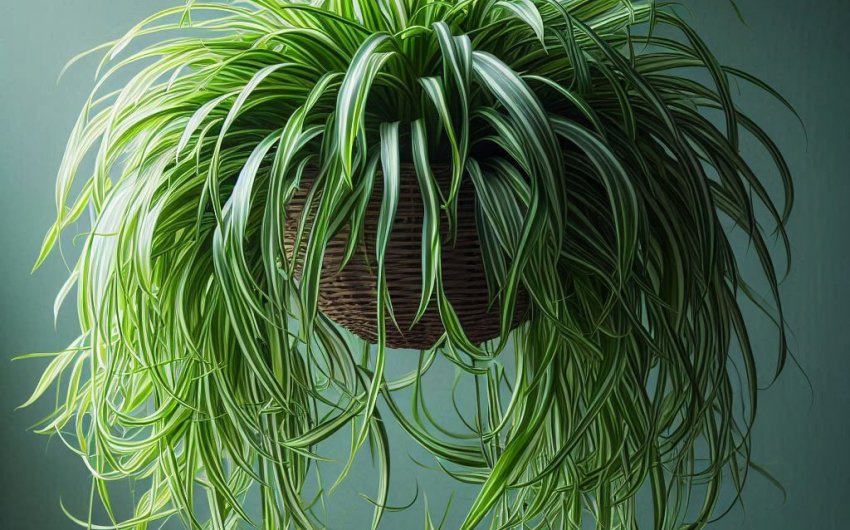
Caring for a spider plant is remarkably easy, making it an ideal houseplant for beginners and experienced growers alike. These adaptable plants thrive with consistent, moderate watering and bright, indirect light, and are famous for producing their own "babies" for easy propagation.
What is a Spider Plant?
A spider plant, scientifically known as Chlorophytum comosum, is a popular and incredibly forgiving houseplant admired for its arching, strap-like leaves and its unique ability to produce miniature plantlets, affectionately called "spiderettes" or "babies," on long stalks. Native to Southern Africa, these plants are known for their resilience and their excellent air-purifying qualities. They typically feature green leaves, often with white or cream stripes, creating a vibrant and cascading display, especially in hanging baskets.
Why are Spider Plants So Popular?
Spider plants have maintained their immense popularity for decades, and for good reason. Their primary appeal lies in their extreme ease of care, making them perfect for beginners, busy individuals, or those who simply want a beautiful plant without a lot of fuss. They tolerate a wide range of conditions, are very forgiving of occasional neglect, and rarely succumb to common houseplant ailments. Beyond their resilience, they are celebrated for their air-purifying abilities, efficiently removing common indoor toxins like formaldehyde and xylene from the air. Furthermore, their distinctive cascading habit, especially when adorned with numerous "spiderettes," makes them visually appealing and a fantastic choice for hanging baskets, adding a dynamic element to any indoor space. The fact that they readily produce these "babies" also makes them incredibly easy to propagate and share, allowing enthusiasts to expand their collection or gift new plants to friends effortlessly.
What are the Best Light Conditions for a Spider Plant?
The best light conditions for a spider plant are bright, indirect light. While they are adaptable and can tolerate lower light, bright, diffused sunlight encourages the most vigorous growth and vibrant variegation in their leaves. Too much direct, harsh sunlight, especially afternoon sun, can scorch their leaves, leading to bleached spots or dullness. In contrast, very low light can cause the variegation to fade, and the plant may produce fewer or no "spiderettes."
How Much Light Does a Spider Plant Need?
A spider plant needs at least 6-8 hours of bright, indirect light per day to perform optimally. An east-facing window is often ideal, providing gentle morning sun. A north-facing window also works well, offering consistent, indirect light throughout the day. If your only option is a south or west-facing window, place the plant a few feet back from the window or use a sheer curtain to filter the intense direct light. If you notice your plant's leaves becoming pale or the characteristic white/cream stripes fading, it might be an indication that it needs more light.
How Often Should You Water a Spider Plant?
You should water a spider plant when the top 1-2 inches of soil feel dry to the touch. They prefer consistent moisture but do not like to sit in soggy soil, which can lead to root rot. While they are somewhat forgiving of occasional missed waterings, prolonged dryness can cause leaf tips to turn brown and new growth to slow. During the active growing season (spring and summer), you'll likely water more frequently, while in fall and winter, you can reduce the frequency as the plant's growth slows.
Signs of Overwatering vs. Underwatering
- Overwatering: The most common signs are yellowing leaves that may feel soft and mushy, often starting from the base of the plant. The soil may also develop a foul odor due to root rot.
- Underwatering: Common signs include crispy, brown leaf tips (a very common issue often linked to water quality too), dull-looking foliage, and a generally droopy appearance. The plant might look shriveled, and new growth will cease.
What Type of Soil is Best for Spider Plants?
The best type of soil for spider plants is a well-draining, all-purpose potting mix. They are not overly fussy about soil composition, but good drainage is crucial to prevent waterlogging and root rot. A standard houseplant potting mix usually works well, as long as it's not too dense and allows excess water to pass through freely.
Amending Your Potting Mix (Optional but Recommended)
To ensure optimal drainage and aeration, especially if your potting mix seems heavy, consider amending it with:
- Perlite: A lightweight, porous volcanic rock that improves drainage and prevents soil compaction. Mixing in about 10-20% perlite with your potting soil is a good ratio.
- Compost or Worm Castings: These can improve soil structure and provide gentle, slow-release nutrients, contributing to overall plant health.
- Coconut Coir: This sustainable alternative to peat moss improves water retention while maintaining good aeration.
A good basic mix for a spider plant would be 2 parts good quality potting soil to 1 part perlite. This ensures a balanced environment that holds enough moisture but drains well. You can find ready-to-use potting mixes like Miracle-Gro Potting Mix, which often work well.
What Temperature and Humidity Do Spider Plants Prefer?
Spider plants are quite adaptable to typical indoor temperatures and humidity levels, making them very easy to care for in most homes. However, providing optimal conditions will encourage more vigorous growth and a healthier plant.
Ideal Temperature Range
The ideal temperature range for spider plants is between 18°C and 29°C (65°F and 85°F). They are not fond of extreme cold and should be protected from temperatures below 10°C (50°F), which can cause damage. Avoid placing them near cold drafts from windows in winter or directly in front of air conditioning vents, as sudden temperature fluctuations can stress the plant.
Humidity Requirements
Spider plants appreciate average to high humidity, but they are quite tolerant of drier indoor air. While they will thrive in humid environments (like a bathroom with a window), they generally do well in typical household humidity levels (around 40-60%). If your home is very dry, especially in winter, you might notice more prominent brown tips on the leaves. You can increase humidity around your plant by:
- Misting: Lightly misting the leaves a few times a week.
- Pebble Tray: Placing the pot on a tray filled with pebbles and water (ensure the bottom of the pot doesn't sit directly in the water).
- Grouping Plants: Grouping your spider plant with other humidity-loving plants can create a microclimate.
- Humidifier: Using a room humidifier can benefit all your plants and you.
How Do You Fertilize a Spider Plant?
Fertilizing a spider plant is beneficial during its active growing season to support its vigorous growth and the production of "spiderettes." You should fertilize moderately, typically every 2-4 weeks during spring and summer. Reduce or stop fertilizing entirely in fall and winter when the plant's growth naturally slows down.
Best Fertilizers to Use
Use a balanced, all-purpose liquid houseplant fertilizer diluted to half strength. Look for a fertilizer with an N-P-K (nitrogen-phosphorus-potassium) ratio, such as 10-10-10 or 20-20-20. Diluting the fertilizer is important to prevent nutrient burn on the roots, as spider plants are not heavy feeders.
Here's a simple process for fertilizing:
- Water thoroughly first: Always water your plant a day or two before fertilizing. This hydrates the roots and helps prevent them from being shocked by the fertilizer solution.
- Dilute the fertilizer: Mix the liquid fertilizer with water to half the strength recommended on the product label.
- Apply to moist soil: Pour the diluted fertilizer evenly over the soil around the base of the plant.
You can also use a slow-release granular fertilizer once at the beginning of the growing season, such as Osmocote Smart-Release Plant Food, following the product's instructions carefully to avoid over-fertilization. Remember, it's always safer to under-fertilize a little than to over-fertilize a lot.
When Should You Repot a Spider Plant?
You should repot a spider plant when it becomes root-bound, meaning its roots have filled the current pot and are starting to circle around, emerge from the drainage holes, or cause the plant to become unstable. Spider plants actually like to be slightly root-bound as this can encourage them to produce more "spiderettes." However, eventually, they will need more space. Repotting is typically needed every 1-2 years, depending on the plant's growth rate. The best time to repot is during the spring or early summer, when the plant is actively growing.
Steps for Repotting a Spider Plant
- Choose the right pot: Select a pot that is only 1-2 inches larger in diameter than the current one. Going too big can lead to excess soil retaining too much moisture, increasing the risk of root rot. Ensure the pot has drainage holes. Any material works, but terracotta can help with drainage.
- Prepare the new pot: Add a layer of fresh, well-draining potting mix to the bottom of the new pot.
- Remove the plant: Gently tip the old pot on its side and carefully slide the spider plant out. You may need to gently pull on the base of the plant. If it's very root-bound, you might have to carefully cut away the old pot.
- Inspect and loosen roots: Gently loosen any tightly bound roots at the bottom. Trim away any mushy, dark, or rotting roots with clean, sharp scissors.
- Position the plant: Place the spider plant in the new pot, ensuring the top of the root ball is at the same level as it was in the old pot, or slightly below the rim of the new pot to allow for watering.
- Fill with soil: Backfill around the roots with more fresh potting mix, gently patting it down to remove large air pockets. Leave about an inch of space from the top of the pot to the soil line.
- Water thoroughly: After repotting, water the plant thoroughly until water drains from the bottom. This helps settle the soil and rehydrate the roots.
How Do You Propagate a Spider Plant?
Propagating a spider plant is one of the easiest and most rewarding aspects of its care, thanks to the readily available "spiderettes" it produces. You can easily create new plants from these miniature plantlets.
Method 1: Rooting in Water
This is the most popular and often fastest method.
- Select spiderettes: Choose healthy "spiderettes" that are at least an inch or two long and have small aerial roots forming at their base. You can snip them off the parent plant's stem or leave them attached for a while until they root.
- Prepare for rooting: If snipped, place the base of the spiderette into a glass or jar of water, ensuring only the bottom is submerged. If leaving attached, place the spiderette directly into a glass of water next to the parent plant.
- Watch for roots: Change the water every few days to keep it fresh. Roots should start forming within a week or two.
- Plant in soil: Once the roots are about 1-2 inches long, plant the rooted spiderette into a small pot (e.g., a 4-inch pot) with fresh, well-draining potting mix. Water lightly.
Method 2: Rooting Directly in Soil
This method works well, especially if your spiderette already has decent aerial roots.
- Select spiderettes: Choose healthy "spiderettes" that are at least an inch or two long and have small aerial roots forming.
- Plant directly: You can either snip them off and plant them directly into a small pot with moist, well-draining potting mix, or leave them attached to the parent plant and place the spiderette into a separate small pot next to the parent.
- Keep moist: Keep the soil consistently moist but not soggy for the first few weeks to encourage root development.
- Detach (if attached): Once the spiderette is firmly rooted (you can gently tug on it to feel resistance), you can snip the stem connecting it to the parent plant.
With either method, keep the newly potted spiderettes in a spot with bright, indirect light. Soon you'll have a new, thriving spider plant!
What are Common Spider Plant Problems and How to Solve Them?
While remarkably resilient, spider plants can still encounter a few common problems, most of which are easily remedied with simple adjustments to their care routine.
1. Brown Leaf Tips
- Cause: This is by far the most common complaint and can be due to several factors:
- Fluoride or Chlorine in Tap Water: Spider plants are sensitive to chemicals in tap water.
- Underwatering/Inconsistent Watering: Prolonged dryness.
- Low Humidity: Especially in dry indoor environments.
- Too Much Fertilizer: Excess salts can burn tips.
- Too Much Direct Sunlight: Can scorch sensitive tips.
- Solution:
- Use Filtered/Distilled Water: Or let tap water sit out for 24 hours to allow chlorine to evaporate.
- Improve Watering: Water consistently when the top soil is dry.
- Increase Humidity: Mist, use a pebble tray, or humidifier.
- Reduce Fertilizer: Fertilize less frequently or dilute more.
- Adjust Light: Move to bright, indirect light. You can trim off the brown tips with clean scissors if desired, but they won't regreen.
2. Pale, Fading Leaves or Loss of Variegation
- Cause: Primarily insufficient light. The plant is not getting enough energy to produce vibrant colors.
- Solution: Move your spider plant to a brighter spot with indirect light. While they tolerate low light, their best color comes from ample light.
3. Droopy, Limp Leaves
- Cause: Most commonly, underwatering. The plant is thirsty. Less often, severe overwatering leading to root rot can also cause droopiness.
- Solution: Check soil moisture. If dry, water thoroughly. If soil is soggy and leaves are also yellowing and soft, check for root rot and adjust watering.
4. Yellowing Leaves (especially at the base)
- Cause: Typically overwatering leading to root rot. Can also be a sign of natural aging of older leaves or, rarely, a nutrient deficiency.
- Solution: Allow soil to dry out more between waterings. Ensure excellent drainage. If root rot is suspected, unpot and inspect. If older leaves are yellowing, it might just be natural aging; simply snip them off.
5. Pests (Spider Mites, Aphids, Mealybugs)
- Cause: While generally resilient, spider plants can occasionally attract common houseplant pests, especially if stressed.
- Solution: Inspect your plant regularly. For spider mites, increase humidity and wipe down leaves with a damp cloth or use an insecticidal soap like Safer Brand Insect Killing Soap. For aphids or mealybugs, use rubbing alcohol on a cotton swab or insecticidal soap. Good air circulation helps.
Are Spider Plants Toxic?
No, spider plants are widely considered non-toxic to cats, dogs, and humans. This makes them an excellent choice for homes with curious pets or young children who might be tempted to nibble on leaves.
What Happens if Ingested?
While not toxic, ingesting large quantities of any plant material can potentially cause mild digestive upset in pets (e.g., stomach upset, vomiting) simply due to the fibrous material. However, no severe or long-term effects are expected from a spider plant.
Many pet owners specifically choose spider plants because of their pet-friendly nature, allowing them to enjoy beautiful greenery without significant worry. It’s always a good practice, however, to discourage pets from chewing on any houseplant, just to be safe.
How to Clean Spider Plant Leaves?
Cleaning your spider plant leaves is a simple yet effective part of their care. Dust accumulation can hinder photosynthesis by blocking light, and it also dulls the vibrant appearance of the plant.
Simple Steps to Clean Your Spider Plant
- Gather supplies: You'll need a soft, damp cloth (microfiber works well) and lukewarm water. Avoid using harsh chemicals or commercial leaf shine products.
- Wipe leaves gently: Support the back of each leaf with one hand and gently wipe the top and underside of the leaf with the damp cloth. Work your way across all the leaves, removing dust and grime.
- Shower (optional): For very dusty or large plants, you can give the entire plant a gentle shower in a sink or bathtub using lukewarm water. Ensure the water drains fully from the pot afterward.
- Avoid leaf shine products: These can clog the plant's pores (stomata) and interfere with its ability to breathe and perform essential plant functions.
Aim to clean your spider plant's leaves every few weeks to once a month, or whenever you notice a significant layer of dust. This keeps your plant healthy and looking its best.
Do Spider Plants Flower?
Yes, spider plants do flower, though their flowers are quite small and inconspicuous compared to their prominent foliage and "spiderettes." They produce tiny, delicate, star-shaped white flowers on slender stalks, often at the same time or just before the "spiderettes" begin to form along those same stalks.
Characteristics of Spider Plant Flowers:
- Appearance: Small, typically white, star-shaped, with six petals.
- Fragrance: Generally unscented or very mildly scented.
- Location: They appear on the long, arching stems that eventually produce the "spiderettes."
- Timing: They usually appear during the plant's active growing season (spring and summer), particularly on mature plants that are thriving and slightly root-bound.
While the flowers themselves might not be the main attraction, their presence indicates a healthy, happy, and mature spider plant that is preparing to produce its charming babies. Seeing them is a good sign that your spider plant care is on point!
Companion Plants for Spider Plants
When choosing companion plants for spider plants, it's best to select other houseplants that share similar light, watering, and humidity preferences. This creates a harmonious environment where all plants can thrive together.
Here are some excellent choices that pair well with spider plants:
- Pothos (Epipremnum aureum): Extremely adaptable and tolerant of varied light and watering, similar to spider plants. Their vining habit contrasts beautifully with the spider plant's arching leaves. A Pothos Plant would complement it well.
- Philodendron (various types, e.g., Heartleaf Philodendron): Similar to Pothos in terms of easy care and vining growth. They enjoy similar light conditions and appreciate consistent moisture without being waterlogged.
- Peace Lily (Spathiphyllum): If placed in bright, indirect light, Peace Lilies can be good companions. They enjoy consistent moisture and also appreciate humidity, aligning well with spider plant preferences.
- Fittonia (Nerve Plant): While Fittonias demand higher humidity, if your spider plant is in a humid environment or you're already providing extra humidity, their colorful foliage and love for consistent moisture can make them good partners.
- Ferns (e.g., Boston Fern, Kimberly Queen Fern): Many ferns thrive in similar bright, indirect light and appreciate higher humidity and consistent moisture, making them natural companions for spider plants in a more humid setting.
- Prayer Plant (Maranta leuconeura): These plants also enjoy bright, indirect light and consistently moist soil, along with higher humidity, fitting well with a spider plant in a suitable microclimate.
When arranging, consider the growth habits: trailing plants like Pothos and Philodendron are great for shelves, while spider plants work well in hanging baskets or on pedestals where their "spiderettes" can dangle. Pairing plants with similar needs simplifies your overall plant care routine and helps all your green companions flourish.
Understanding Different Spider Plant Varieties
While the classic variegated spider plant is the most recognizable, there are a few distinct varieties and cultivars, each offering slightly different appearances while maintaining the same easy care requirements.
- Chlorophytum comosum 'Vittatum': This is the most common and classic variety. It features dark green leaves with a broad, creamy-white stripe down the center. The "spiderettes" also have this characteristic central stripe.
- Chlorophytum comosum 'Variegatum': Sometimes called 'Reverse Variegated', this variety has lighter, creamy-white margins on the outside of the leaf, with a solid green stripe running down the center. Its appearance is a striking inverse of 'Vittatum'.
- Chlorophytum comosum 'Bonnie': A delightful curly-leafed variety. 'Bonnie' features the same creamy-white central stripe as 'Vittatum' but its leaves are shorter and distinctly curled, giving the plant a more compact and whimsical appearance. The "spiderettes" on 'Bonnie' also curl. A Bonnie Spider Plant adds unique texture.
- Chlorophytum comosum 'Ocean': A newer, less common cultivar. 'Ocean' has green leaves with light cream-colored margins that are slightly wider and more pronounced than 'Variegatum'. The overall appearance is a bit softer.
- Chlorophytum comosum (Solid Green): While less common in houseplant nurseries, the original species also exists in a solid green form, lacking any variegation. It shares the same care requirements.
Regardless of the variety, the fundamental principles of spider plant care remain the same: bright, indirect light, consistent watering when the topsoil is dry, and moderate humidity. Choosing a different variety can add subtle visual interest and diversity to your houseplant collection.
Troubleshooting Specific Spider Plant Issues Beyond Leaves
Sometimes issues with your spider plant go beyond just the leaves, or they have less obvious causes. Knowing how to troubleshoot these can help you maintain a thriving plant.
1. No Spiderettes (Babies) Forming
- Cause: This is a common concern. Reasons can include:
- Immaturity: Young plants need to mature before producing babies.
- Insufficient Light: Not enough energy for reproduction.
- Not Root-Bound Enough: Slight root-bound conditions can encourage flowering and babies.
- Lack of Nutrients: Not enough fertilizer during the growing season.
- Lack of Stress: Sometimes a very happy, comfortable plant won't feel the need to reproduce as much.
- Solution: Ensure bright, indirect light. Allow the plant to become slightly root-bound before repotting. Fertilize during spring/summer. Be patient; mature, healthy plants will eventually produce them.
2. Slow or Stunted Growth
- Cause: Often due to insufficient light, lack of nutrients, or too small a pot (severely root-bound to the point of being choked).
- Solution: Increase bright, indirect light. Fertilize during the growing season. If severely root-bound, repot into a slightly larger pot.
3. Mushy Crown/Base
- Cause: A critical sign of severe overwatering and root rot. The plant's central "crown" has rotted.
- Solution: This is often difficult to recover from. Immediately stop watering. Unpot the plant and inspect. If the crown is completely mushy, the plant may not be salvageable. If there are healthy sections of roots, you can try trimming away all rotten parts and repotting in dry, fresh soil.
4. White Crust on Soil Surface
- Cause: This is typically a buildup of mineral salts from tap water or fertilizer.
- Solution: Gently scrape off the white crust. Consider flushing the soil occasionally by watering thoroughly until water drains for several minutes (do this once every few months). Use filtered or distilled water if hard water is an issue. Reduce fertilizer if you're using too much.
By understanding these specific problems and applying the appropriate spider plant care solutions, you can help your plant overcome challenges and continue to grow vigorously.
The Benefits of Owning a Spider Plant
Beyond their beauty and ease of care, spider plants offer several tangible benefits that contribute to a healthier and more enjoyable indoor environment.
- Air Purification: Spider plants are renowned for their ability to remove indoor air pollutants. NASA's Clean Air Study famously identified them as highly effective at filtering out toxins like formaldehyde, xylene, and carbon monoxide. This makes them excellent choices for improving air quality in homes and offices.
- Easy Propagation: As discussed, their prolific production of "spiderettes" means you can easily create new plants for free! This is great for expanding your own collection, gifting to friends and family, or simply enjoying the process of watching new life emerge.
- Pet-Friendly: Unlike many common houseplants, spider plants are non-toxic to cats and dogs, making them a safe choice for pet owners who want to add greenery without worry.
- Stress Reduction: Studies have shown that interacting with and being around plants can reduce stress levels, improve mood, and increase feelings of well-being. The vibrant green and dynamic growth of a spider plant can contribute positively to your mental health.
- Aesthetic Appeal: Their graceful, arching leaves and cascading "spiderettes" make them incredibly attractive, especially in hanging baskets. They add a touch of natural beauty and vibrancy to any room, enhancing interior decor.
- Low Maintenance: As highlighted throughout this guide on how to care for a spider plant, their resilience and forgiving nature mean they don't demand constant attention, making them perfect for busy individuals or those new to plant care.
Incorporating a spider plant into your home isn't just about adding greenery; it's about inviting a resilient, beneficial, and beautiful living element that actively contributes to a healthier and happier living space.