
How to Care for a ZZ Plant: The Ultimate Guide
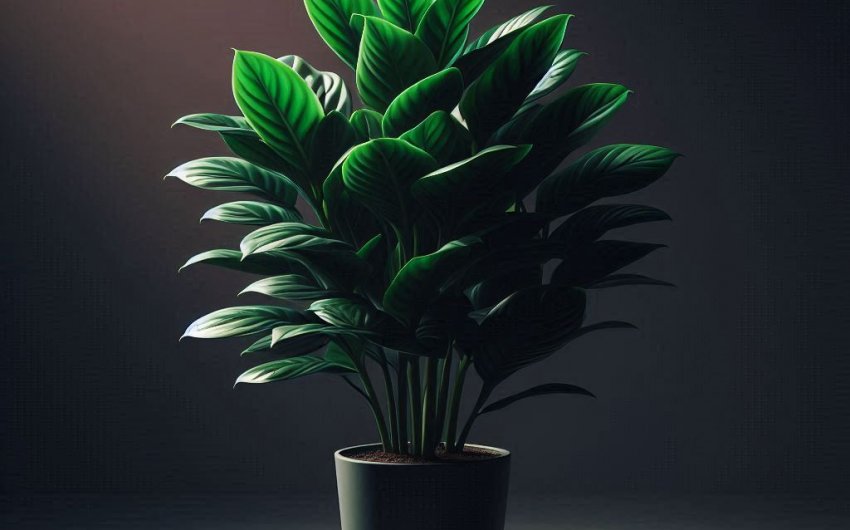
Caring for a ZZ plant is incredibly simple, making it one of the most forgiving and low-maintenance houseplants available. These resilient plants thrive on neglect, primarily requiring infrequent watering and tolerating a wide range of light conditions.
What is a ZZ Plant?
A ZZ plant, scientifically known as Zamioculcas zamiifolia, is an extraordinarily tough and popular houseplant known for its thick, waxy, dark green leaves that grow along upright, arching stems. Native to the dry grasslands of Eastern Africa, this plant has evolved to store water in its thick rhizomes (underground stems) and fleshy leaf stems, allowing it to withstand prolonged periods of drought. Its remarkable resilience has earned it various nicknames, including "Eternity Plant," "Aroid Palm," and "Zanzibar Gem."
Why are ZZ Plants So Popular?
ZZ plants have surged in popularity for several compelling reasons, solidifying their reputation as the ultimate "set it and forget it" houseplant. Their primary appeal lies in their extreme tolerance for neglect, making them perfect for busy individuals, frequent travelers, or those new to plant care. They can survive extended periods without water and thrive in low-light conditions where most other plants would struggle. Beyond their resilience, their striking architectural form and glossy, dark green foliage add a touch of modern elegance to any interior space, from minimalist offices to cozy living rooms. They also require very little fertilizing and are generally pest-resistant, further cementing their status as a no-fuss green companion.
What are the Best Light Conditions for a ZZ Plant?
The best light conditions for a ZZ plant are bright, indirect light. While they are incredibly adaptable and can tolerate very low light environments, they will exhibit their most vigorous growth and vibrant color when placed in a spot with ample diffused sunlight. Direct, intense sunlight, especially afternoon sun, can scorch their leaves, leading to yellowing or brown patches. If your ZZ plant is in very low light, its growth will be significantly slower, and new leaves may appear more elongated as the plant stretches to find light.
How Much Light Does a ZZ Plant Need?
A ZZ plant needs at least 4-6 hours of indirect light to flourish. Think of a location near a north-facing window, or several feet away from a south, east, or west-facing window. If you notice your plant's stems becoming leggy or new growth appearing pale and weak, it's likely an indication that it needs more light. Conversely, if you see bleached or scorched patches on the leaves, it's receiving too much direct sun.
How Often Should You Water a ZZ Plant?
You should water a ZZ plant infrequently and only when the soil is completely dry. This is the single most critical aspect of their care, as overwatering is the most common cause of ZZ plant demise. Their thick, potato-like rhizomes store significant amounts of water, allowing them to go for weeks, or even months, without a drink. A good rule of thumb is to stick your finger about 2-3 inches deep into the pot, or even deeper for larger pots. If you feel any dampness, wait longer. When in doubt, it's always better to underwater a ZZ plant than to overwater it.
Signs of Overwatering vs. Underwatering
- Overwatering: The most common signs are yellowing leaves, especially at the base of the stems, and mushy, soft stems or rhizomes. The soil may also have a sour smell due to root rot. New growth may be soft and translucent.
- Underwatering: While rare due to their drought tolerance, extreme underwatering can cause leaves to wrinkle or shrivel as the plant draws moisture from them. The plant may appear generally dull and growth will slow to a halt. The soil will be bone dry and compacted.
What Type of Soil is Best for ZZ Plants?
The best type of soil for ZZ plants is a well-draining potting mix that prevents water from sitting around their sensitive rhizomes. Since they are succulents, a mix designed for cacti or succulents is ideal, as it promotes excellent drainage and aeration. A standard houseplant potting mix can be used, but it's highly recommended to amend it to improve its drainage capabilities.
Amending Your Potting Mix
To create an ideal soil mix for your ZZ plant, consider incorporating:
- Perlite: This lightweight, porous volcanic rock greatly improves drainage and prevents soil compaction. Mix 1 part perlite to 3 parts potting soil.
- Pumice: Similar to perlite but heavier, also enhances drainage and aeration.
- Coarse Sand: Horticultural-grade coarse sand can improve drainage, but avoid fine play sand which can compact.
- Orchid Bark/Chunky Materials: Small pieces can further enhance aeration.
A good DIY mix could be 2 parts regular potting soil, 1 part perlite, and 1 part coarse sand or small bark chips. This combination provides the perfect balance of moisture retention (just enough) and rapid drainage that ZZ plants prefer. You can find ready-made solutions like Miracle-Gro Cactus, Palm & Citrus Potting Mix which are often suitable for ZZ plants.
What Temperature and Humidity Do ZZ Plants Prefer?
ZZ plants are quite resilient to a range of environmental conditions, but they do have preferred temperature and humidity levels that encourage optimal growth. They thrive in typical indoor environments, making them easy companions.
Ideal Temperature Range
The ideal temperature range for ZZ plants is between 18°C and 35°C (65°F and 95°F). They are quite tolerant of warmer temperatures but are sensitive to cold. Avoid exposing them to temperatures below 10°C (50°F), as cold drafts or frost can severely damage or kill the plant. Keep them away from cold windows during winter months and out of direct blasts from air conditioning units.
Humidity Requirements
ZZ plants prefer average to low humidity, similar to their native arid environments. They do not require high humidity and will do perfectly fine in typical household humidity levels (around 40-60%). Unlike many tropical plants, they do not benefit from misting. In fact, excessive humidity combined with overwatering can increase the risk of fungal issues. If you live in a very humid climate, ensuring good air circulation around your plant is more beneficial than adding more moisture to the air.
How Do You Fertilize a ZZ Plant?
Fertilizing a ZZ plant is not a frequent necessity. These plants are slow growers and are not heavy feeders. You should fertilize sparingly, typically once or twice during the growing season (spring and summer). Avoid fertilizing in the fall and winter, as the plant's growth naturally slows down, and excess fertilizer can accumulate and harm the roots.
Best Fertilizers to Use
Use a balanced, all-purpose liquid houseplant fertilizer diluted to half strength. Look for a fertilizer with an N-P-K (nitrogen-phosphorus-potassium) ratio of something like 10-10-10 or 20-20-20. Diluting the fertilizer is crucial to prevent root burn, as ZZ plants are sensitive to excess salts.
Here's a simple process for fertilizing:
- Water thoroughly first: Always water your plant a day or two before fertilizing. This hydrates the roots and prevents them from being shocked by the fertilizer solution.
- Dilute the fertilizer: Mix the liquid fertilizer with water to half the strength recommended on the product label.
- Apply to moist soil: Pour the diluted fertilizer evenly over the soil around the base of the plant.
For those who prefer less frequent feeding, slow-release granular fertilizers designed for houseplants can also be an option, but apply them very sparingly. An example is Osmocote Smart-Release Plant Food. Remember, with ZZ plants, less is always more when it comes to nutrients.
When Should You Repot a ZZ Plant?
You should repot a ZZ plant infrequently, typically only when it becomes significantly root-bound or when the rhizomes start to push strongly against the sides of the pot, causing it to bulge or even crack. ZZ plants actually prefer to be slightly snug in their pots, so you won't need to repot them very often – usually every 2-4 years. The best time to repot is during the spring or early summer, when the plant is actively growing.
Steps for Repotting a ZZ Plant
- Choose the right pot: Select a pot that is only 1-2 inches larger in diameter than the current one. Going too large can lead to excess soil retaining too much moisture, increasing the risk of root rot. Ensure the pot has drainage holes. Clay or terracotta pots are excellent choices as they are porous and help with drainage.
- Prepare the new pot: Add a layer of fresh, well-draining succulent or cactus potting mix to the bottom of the new pot.
- Remove the plant: Gently tip the old pot on its side and carefully slide the ZZ plant out. You may need to wiggle it a bit or gently pull on the base of the plant. If the roots are very dense, you might have to carefully cut away the old pot. Be careful not to damage the rhizomes.
- Inspect roots and rhizomes: Gently loosen any tightly bound roots at the bottom. Inspect the rhizomes for any signs of rot (mushy, dark spots) and trim away any diseased parts with clean, sharp scissors.
- Position the plant: Place the ZZ plant in the new pot, ensuring the top of the rhizomes are at the same level as they were in the old pot, or slightly below the rim of the new pot to allow for watering.
- Fill with soil: Backfill around the rhizomes and roots with more fresh potting mix, gently patting it down to remove large air pockets. Leave about an inch of space from the top of the pot to the soil line.
- Water lightly (or not at all initially): After repotting, it's often best to wait a few days to a week before watering, especially if you had to trim any roots. This allows any disturbed roots to heal and reduces the chance of rot. When you do water, do so lightly, allowing any excess water to drain out.
How Do You Propagate a ZZ Plant?
Propagating a ZZ plant is a straightforward, though often slow, process. It's an excellent way to create new plants from your existing one. There are a few effective methods, primarily leaf cuttings and division.
Method 1: Leaf Cuttings (Water or Soil)
Leaf cuttings are a popular method, though they can take several months to form roots and rhizomes.
- Choose a healthy leaf or leaflet: Select a mature, healthy stem and carefully remove an entire leaf (with its small stem attached) or individual leaflets from the stem.
- Let it callus: Lay the cuttings in a dry spot for a few days to a week. This allows the cut end to form a callus, which is crucial for preventing rot once planted.
- Propagate in water (optional):
- Place the callused end of the leaf/leaflet into a glass of water, ensuring only the very tip is submerged.
- Change the water every few days to keep it fresh.
- Roots should start to form in a few weeks, and small rhizomes may develop after several months. Once rhizomes are visible, you can transfer to soil.
- Propagate in soil:
- Insert the callused end of each leaf/leaflet about 1/2 to 1 inch deep into a well-draining potting mix (succulent/cactus mix is ideal). You can plant multiple in one pot.
- Keep the soil barely moist; do not overwater.
- Be patient! It can take 6-12 months or even longer for a new rhizome and eventually a new shoot to emerge from the soil.
Method 2: Division
Division is the fastest way to get a new, larger ZZ plant and is ideal when repotting a mature, root-bound specimen.
- Unpot the plant: Carefully remove the entire ZZ plant from its pot.
- Identify sections: Gently shake off excess soil to expose the rhizomes. Look for natural clumps or sections of the plant, each with its own set of rhizomes and stems.
- Separate the rhizomes: Using a clean, sharp knife or sturdy shears, carefully cut through the rhizomes to separate the desired sections. Ensure each new section has a good portion of healthy rhizomes and at least one stem.
- Pot new plants: Plant each divided section into its own pot with fresh, well-draining soil.
- Water lightly (or delay watering): Water the newly potted plants very lightly, or wait a few days to allow any disturbed roots or cut surfaces to heal, reducing the risk of rot.
What are Common ZZ Plant Problems and How to Solve Them?
While incredibly robust, ZZ plants can still encounter a few common problems, almost all of which trace back to improper watering. Understanding these signs and their solutions is key to keeping your plant healthy.
1. Yellowing Leaves
- Cause: The most frequent cause is overwatering leading to root rot. It can also be a sign of very low light, cold stress, or rarely, natural aging of lower leaves.
- Solution: Drastically reduce watering frequency. Allow the soil to dry out completely between waterings. If the problem persists and the stems feel mushy, unpot the plant, check for root rot (mushy, black rhizomes/roots), trim affected parts, and repot in fresh, dry, well-draining soil. Ensure excellent drainage in the pot. If it's a light issue, move to brighter, indirect light.
2. Droopy or Leaning Stems
- Cause: Often a sign of overwatering causing the stems to become soft and unable to support themselves. It can also occur if the plant is very thirsty (underwatered), but this is less common with ZZ plants unless severely neglected. Lack of light can also cause leggy, weak growth that droops.
- Solution: Check soil moisture. If wet, let it dry out completely. If the stems are mushy, address potential root rot. If the plant is severely underwatered, a thorough drink might revive it. Ensure adequate bright, indirect light.
3. Brown or Crispy Leaf Tips/Edges
- Cause: Most commonly due to underwatering, causing the plant to draw moisture from the leaf tips. Can also be from low humidity or too much direct sunlight.
- Solution: Water thoroughly when the soil is completely dry. While ZZs tolerate low humidity, extremely dry air can sometimes cause tips to brown. Move the plant away from harsh, direct sun.
4. Mushy Rhizomes (Potato-like base)
- Cause: A definite sign of severe overwatering and root rot. The rhizomes are the plant's water storage organs, and if they are sitting in waterlogged soil, they will rot.
- Solution: Immediately unpot the plant. Carefully inspect the rhizomes and roots. With clean, sharp scissors, cut away all soft, black, or foul-smelling parts. Allow the remaining healthy parts to air dry for a few days to callus before repotting in fresh, very dry, well-draining soil. Do not water for at least a week after repotting.
5. Pests
- Cause: ZZ plants are remarkably pest-resistant, but they can occasionally attract mealybugs, scale, or spider mites, especially if stressed or introduced from another infested plant.
- Solution: Inspect your plant regularly. For mealybugs and scale, use a cotton swab dipped in rubbing alcohol to dab them directly. For spider mites, wipe down leaves with a damp cloth or use an insecticidal soap like Safer Brand Insect Killing Soap. Good air circulation can help prevent pest issues.
Are ZZ Plants Toxic?
Yes, ZZ plants are considered mildly toxic if ingested, primarily due to calcium oxalate crystals found in their sap. These crystals can cause irritation to mucous membranes upon contact or ingestion.
What Happens if Ingested or Touched?
- For Pets: If a cat or dog chews on or ingests parts of a ZZ plant, they may experience symptoms such as oral irritation, vomiting, drooling, and difficulty swallowing. While generally not life-threatening, it can be uncomfortable and a trip to the vet might be necessary for severe reactions.
- For Humans: Direct contact with the sap can cause skin irritation, itching, or a rash in sensitive individuals. Ingestion, even of small amounts, can lead to mouth and throat irritation, burning sensations, and stomach upset.
It's highly advisable to wear gloves when handling a ZZ plant, especially when pruning or repotting, to avoid skin irritation. Always keep ZZ plants out of reach of curious pets and small children. If ingestion occurs, seek immediate medical or veterinary advice.
How to Clean ZZ Plant Leaves?
Cleaning your ZZ plant leaves is important for both aesthetics and the plant's health. Dust accumulation can block light, reducing the plant's ability to photosynthesize efficiently, and makes those beautiful glossy leaves look dull.
Simple Steps to Clean Your ZZ Plant
- Gather supplies: You'll need a soft, damp cloth (microfiber works well) and lukewarm water. Avoid using harsh chemicals or commercial leaf shine products.
- Wipe leaves gently: Support the back of each leaflet with one hand and gently wipe the top surface with the damp cloth. Work your way down each stem, cleaning all the individual leaflets.
- Repeat as needed: For very dusty plants, you might need to rinse and wring out your cloth multiple times.
- Avoid leaf shine products: These can clog the plant's pores (stomata), which are essential for the plant to "breathe" and exchange gases.
Aim to clean your ZZ plant's leaves every few weeks to once a month, or whenever you notice a significant layer of dust. This simple routine will keep your plant looking its best and functioning optimally.
Do ZZ Plants Flower?
Yes, ZZ plants do flower, but it's an extremely rare occurrence when grown indoors, and the flowers are not typically showy or a reason to grow the plant. When they do bloom, a small, rather inconspicuous flower spathe (a modified leaf) emerges from the base of the plant, often nestled among the leaf bases. This spathe is typically light brown or greenish-white, resembling a small, hooded structure, similar to a peace lily flower but much smaller.
Why Don't They Flower Often?
Indoor ZZ plants rarely flower because they typically need very specific, mature conditions and sometimes a period of benign stress (like being slightly root-bound or experiencing a natural dry spell followed by good watering) to trigger blooming, mimicking their native habitat. Consistent, ideal care, along with significant age and size, can sometimes lead to a bloom. Don't worry if your ZZ plant never flowers; it's perfectly normal and doesn't indicate a problem with its health or your care routine. The beauty of the ZZ plant lies in its striking foliage and incredible resilience.
Companion Plants for ZZ Plants
When selecting companion plants for ZZ plants, the goal is typically to choose other houseplants that share similar low-maintenance requirements, particularly concerning light and watering. This ensures that all plants in your arrangement can thrive in the same environment.
Here are some excellent choices that pair well with ZZ plants:
- Snake Plant (Sansevieria trifasciata): The ultimate low-maintenance partner. Both snake plants and ZZ plants tolerate low light and are extremely drought-tolerant. Their contrasting upright, sword-like leaves provide a beautiful textural difference. A Snake Plant would be a perfect match.
- Pothos (Epipremnum aureum): While Pothos prefer slightly more frequent watering than ZZ plants, they are incredibly adaptable to various light conditions, including lower light. Their trailing habit offers a lovely contrast to the upright structure of a ZZ plant.
- Cast Iron Plant (Aspidistra elatior): As its name suggests, this plant is incredibly tough and forgiving, tolerating low light and infrequent watering, similar to the ZZ plant. It has broad, dark green leaves.
- Peace Lily (Spathiphyllum): If placed in brighter indirect light, a Peace Lily can be a good companion. While they like slightly more consistent moisture, they can tolerate periods of dryness and their elegant white blooms offer a lovely contrast.
- Chinese Evergreen (Aglaonema): Many varieties of Chinese Evergreens are known for their tolerance to lower light and can handle slightly less frequent watering, making them compatible with ZZ plants. They offer beautiful variegated foliage.
- Philodendron (various types, e.g., Brasil, Heartleaf): Similar to Pothos, these vining plants are quite hardy and can adapt to varied light, offering a lovely trailing element when placed near a ZZ.
When grouping plants, always prioritize those with similar light, watering, and soil preferences. This strategy simplifies your overall plant care routine and ensures all your green companions flourish together.
Understanding Different ZZ Plant Varieties
While the classic ZZ plant is the most widely recognized, a few interesting cultivars and related species offer variations in color, size, and leaf texture. Exploring these can add unique appeal to your collection.
- Zamioculcas zamiifolia (Classic ZZ Plant): The standard variety, known for its upright, arching stems covered in glossy, dark green, oval-shaped leaves. This is the one you'll most commonly find.
- Zamioculcas zamiifolia 'Raven' (Black ZZ Plant): Perhaps the most popular cultivar, 'Raven' ZZ plants emerge with bright green new growth that gradually darkens to a rich, almost black hue as the leaves mature. This stunning color change makes it a highly sought-after variety. Consider a Raven ZZ Plant for a dramatic statement.
- Zamioculcas zamiifolia 'Zenzi' (Dwarf ZZ Plant): A compact, dwarf variety of the classic ZZ. 'Zenzi' has thicker, more rounded, and more tightly packed leaves on shorter, chunkier stems. It's perfect for smaller spaces or tabletops.
- Zamioculcas zamiifolia 'Chameleon': This newer cultivar features striking variegation. New growth emerges a vibrant lime green, then transitions through various shades of yellow and green before settling into a darker green as it matures.
- Zamioculcas zamiifolia 'Lucky Classic' (ZZ 'Lucky'): Another compact variety, often marketed for good luck. It typically has slightly shorter and broader leaves than the classic ZZ, with a dense, bushy appearance.
- Zamioculcas zamiifolia 'Super Nova': A slightly larger cultivar than 'Raven', with similarly dark foliage that transitions from a brighter green. It's known for its robust growth.
While the variations might seem subtle to a beginner, each cultivar offers its own charm and unique aesthetic. All ZZ plant varieties share the same incredibly resilient and low-maintenance care requirements, making them excellent choices regardless of the specific type.
Troubleshooting Common ZZ Plant Leaf Issues
Beyond the general problems that affect the whole plant, specific leaf issues can provide clues about your ZZ plant's well-being and guide your targeted care.
1. New Growth is Pale Green or Yellow
- Cause: Often a sign of insufficient light. The plant is stretching for light, and new growth isn't able to develop its characteristic deep green color.
- Solution: Move your ZZ plant to a brighter spot with indirect light. Gradually increase light exposure to avoid shocking the plant. New leaves should darken with time and better light.
2. Wrinkled or Shriveled Leaves
- Cause: This is a clear sign of severe underwatering. The plant is using up its stored water, and the leaves are dehydrating.
- Solution: Give your ZZ plant a thorough watering until water drains from the bottom. The leaves should plump up within a day or two. Remember to still let the soil dry out completely before the next watering to avoid overcorrecting.
3. Stems Falling Over/Limp Stems
- Cause: This usually points to overwatering causing the rhizomes and stems to rot and lose their rigidity. It can also happen if the plant is simply too leggy from lack of light, making stems weak.
- Solution: Immediately check for root rot as described earlier. If the problem is due to leggy growth, provide more bright, indirect light. You can also prune off overly long or weak stems.
4. Bumpy or Lumpy Stems/Rhizomes
- Cause: This is generally a normal and healthy sign! These bumps are the rhizomes swelling as they store water and nutrients. It indicates a healthy, happy ZZ plant. Sometimes they can even push through the pot, signifying it's time for a slight repot.
- Solution: No action needed, other than considering a repot if they are pushing out of the pot.
5. Leaves Turning Brown and Crispy (but not mushy)
- Cause: Most likely extreme underwatering over a prolonged period, or consistent direct, harsh sunlight causing leaf burn.
- Solution: Ensure you are watering thoroughly when the soil is completely dry. Move away from direct, scorching sun. The crispy leaves won't recover, but new, healthy growth should emerge with proper care.
By closely observing these specific leaf changes, you can quickly diagnose and adjust your ZZ plant care routine, ensuring your resilient plant continues to thrive.
Essential Tools for ZZ Plant Care
While ZZ plants are renowned for their low-maintenance nature, having a few basic tools can make their care even more efficient and ensure their long-term health.
- Moisture Meter: This is highly recommended for ZZ plants. Since overwatering is their biggest enemy, a Moisture Meter helps you accurately determine when the soil is completely dry at depth, preventing guesswork.
- Pot with Drainage Holes: Absolutely non-negotiable for ZZ plants. Terracotta pots are excellent choices as their porous nature helps wick away excess moisture, preventing root rot.
- Well-Draining Potting Mix: As discussed, a succulent/cactus mix or an amended standard potting mix is crucial.
- Sharp Pruning Shears or Knife: For making clean cuts when removing old or yellowing leaves, or when propagating by division or stem cuttings. Clean cuts minimize stress on the plant and reduce the risk of disease. Fiskars Pruning Shears are durable.
- Gloves: Given the mild toxicity and potential for skin irritation from the sap, wearing gardening gloves when handling, pruning, or repotting your ZZ plant is a wise precaution.
- Dusting Cloth/Microfiber Cloth: For regularly wiping down the glossy leaves to maintain their shine and ensure efficient photosynthesis.
- Small Watering Can: Helps with precise watering, ensuring you deliver water directly to the soil and avoid over-saturating the plant.
These simple tools will greatly assist you in providing the minimal yet effective care for your ZZ plant, allowing it to flourish for years to come.
Where to Place Your ZZ Plant for Optimal Health and Aesthetics?
The strategic placement of your ZZ plant can maximize its health and enhance your interior design. Given its tolerance for various conditions, you have considerable flexibility.
Optimal Health Placements:
- Bright, Indirect Light: This is the ideal spot. A few feet away from a south, east, or west-facing window, or right next to a north-facing window, will provide the best conditions for growth and vibrant foliage.
- Medium Light: A room with good ambient light, even if not directly next to a window, is perfectly suitable. Growth will be slower than in bright indirect light, but the plant will remain healthy.
- Low Light Tolerant Zones: While not optimal for growth, ZZ plants will survive in very low light conditions, such as a dimly lit office corner or a hallway without direct windows. Just be mindful that watering needs will decrease significantly in such spots.
Aesthetic Placements:
- Entryways and Hallways: Their upright, architectural form makes them excellent welcoming plants in areas that might not get a lot of natural light.
- Home Office/Workspace: Perfect for adding a touch of green to a desk or shelf, as they require minimal attention.
- Living Room Corners: Taller ZZ plants can fill empty corners, adding height and an elegant focal point.
- Bedrooms: While not a top-tier air purifier like the snake plant, they contribute to a greener environment without demanding much nighttime care.
- Bathrooms (with light): If your bathroom has a window, a ZZ plant can thrive, adding a lush touch without issues from humidity (as long as light is sufficient).
- Minimalist or Modern Interiors: Their sleek, structural appearance perfectly complements contemporary design aesthetics.
Avoid placing your ZZ plant in spots with direct, harsh sunlight for extended periods, as this can scorch the leaves. Also, keep them away from cold drafts from exterior doors or vents, as sudden temperature drops can cause stress. By considering both light needs and decorative impact, you can choose the perfect spot to care for a ZZ plant in your home.