
How to Care for a Snake Plant: The Ultimate Guide
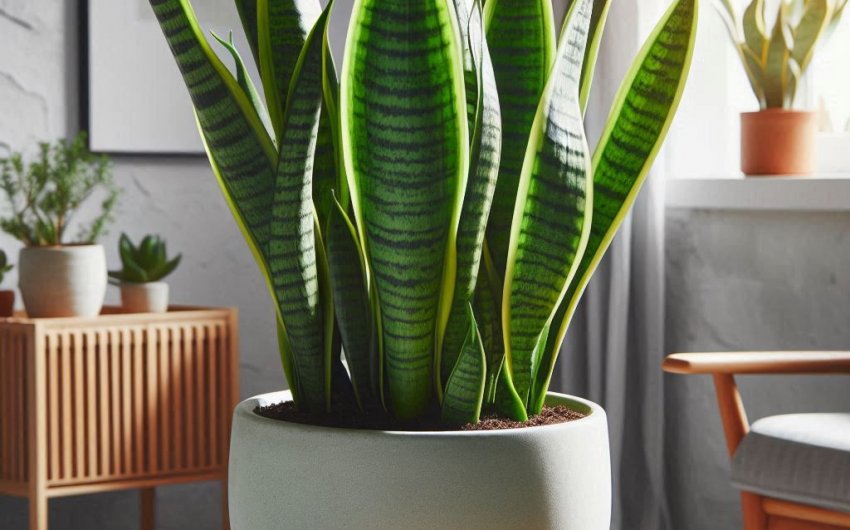
Caring for a snake plant, also known as Sansevieria, is remarkably easy, making it an ideal houseplant for beginners and busy individuals alike. These resilient plants tolerate a wide range of conditions, primarily requiring minimal watering and bright, indirect light to flourish.
What is a Snake Plant?
A snake plant is a striking succulent known for its stiff, upright, sword-like leaves that grow directly from a basal rosette. Native to West Africa, these plants are celebrated for their toughness and air-purifying qualities. They come in various sizes and patterns, from tall, variegated varieties to shorter, more compact types, all contributing to their widespread popularity as indoor foliage. Their ability to thrive on neglect has earned them nicknames like "mother-in-law's tongue" and "Viper's Bowstring Hemp."
Why are Snake Plants So Popular?
Snake plants have surged in popularity for several compelling reasons, extending beyond their striking looks. Their low-maintenance nature is a huge draw, as they can withstand inconsistent watering and various light conditions without wilting. Beyond their resilience, they are renowned for their air-purifying abilities, removing toxins like formaldehyde, benzene, and trichloroethylene from indoor air, especially at night when they convert CO₂ into oxygen. This unique quality makes them excellent choices for bedrooms and offices. Furthermore, their diverse array of shapes, sizes, and variegated patterns allows them to seamlessly fit into almost any interior design style, adding a touch of natural elegance.
What are the Best Light Conditions for a Snake Plant?
The best light conditions for a snake plant are bright, indirect light. While they are incredibly tolerant and can survive in low-light environments, they truly thrive and display their most vibrant colors when placed near a window that receives ample diffused sunlight. Direct, harsh sunlight, especially for extended periods, can scorch their leaves, leading to bleached or crispy tips. If your space only offers low light, your snake plant will likely grow slower and may have less vibrant variegation, but it will still survive.
How Much Light Does a Snake Plant Need?
A snake plant needs at least 6-8 hours of bright, indirect light per day to perform optimally. Think of a north-facing window, or a south/east/west-facing window with sheer curtains. If you notice the leaves becoming dull or growth slowing down significantly, it might be an indication that your plant isn't getting enough light. On the other hand, if you see yellowing leaves or crispy brown spots, it might be receiving too much direct sun.
How Often Should You Water a Snake Plant?
You should water a snake plant sparingly and only when the soil is completely dry. This is perhaps the most crucial aspect of their care, as overwatering is the number one killer of these resilient plants. Their thick, fleshy leaves store water, making them highly drought-tolerant. A good rule of thumb is to check the soil moisture by sticking your finger about 2-3 inches deep into the pot. If it feels dry, it's time to water.
Signs of Overwatering vs. Underwatering
- Overwatering: The most common signs are mushy, yellowing leaves at the base of the plant, often accompanied by a foul odor from the soil due to root rot. The soil may also remain perpetually damp.
- Underwatering: While rare, extreme underwatering can lead to wrinkled, shriveled leaves that feel brittle. The plant may appear stunted or stop growing altogether. However, snake plants are much more forgiving of being too dry than too wet.
What Type of Soil is Best for Snake Plants?
The best type of soil for snake plants is a well-draining potting mix designed for succulents or cacti. This type of soil ensures excellent drainage and aeration, preventing water from sitting around the roots and causing rot. A standard potting mix can be used, but it's highly recommended to amend it with materials that improve drainage.
Amending Your Potting Mix
To create an ideal soil mix for your snake plant, consider adding:
- Perlite: Lightweight volcanic rock that improves drainage and aeration. Mix 1 part perlite to 3-4 parts potting soil.
- Pumice: Similar to perlite but heavier, also enhancing drainage.
- Coarse sand: Horticultural-grade sand can improve drainage, but avoid fine play sand.
- Coconut coir: While it retains some moisture, it also helps with aeration and can be part of a well-draining mix.
A good DIY mix could be 2 parts regular potting soil, 1 part perlite, and 1 part coarse sand or pumice. This combination provides the perfect balance of drainage and nutrient retention that snake plants prefer. You can find ready-made mixes like Miracle-Gro Cactus, Palm & Citrus Potting Mix which are often suitable.
What Temperature and Humidity Do Snake Plants Prefer?
Snake plants are quite adaptable when it comes to temperature and humidity, but they generally prefer warm, average indoor temperatures and low to moderate humidity. They thrive in typical household environments, making them easy to care for without special adjustments.
Ideal Temperature Range
The ideal temperature range for snake plants is between 18°C and 35°C (65°F and 95°F). They can tolerate slightly cooler temperatures but should be protected from frost and sudden cold drafts, which can damage their leaves. Avoid placing them near cold windows in winter or directly in front of air conditioning vents.
Humidity Requirements
Snake plants prefer lower humidity, similar to their arid native environments. Average household humidity levels (around 40-50%) are perfectly fine. They do not require misting and, in fact, too much humidity around their leaves combined with overwatering can increase the risk of fungal issues. If you live in a very humid climate, ensure good air circulation around your plant.
How Do You Fertilize a Snake Plant?
Fertilizing a snake plant is not a frequent requirement, as these plants are not heavy feeders. You should fertilize sparingly, typically once or twice during the growing season (spring and summer). Avoid fertilizing in fall and winter when the plant's growth slows down significantly.
Best Fertilizers to Use
Use a balanced, all-purpose liquid houseplant fertilizer diluted to half strength. Look for a fertilizer with an N-P-K (nitrogen-phosphorus-potassium) ratio of something like 10-10-10 or 20-20-20. Diluting it ensures you don't over-fertilize, which can lead to chemical burn on the roots.
Here's a simple process for fertilizing:
- Water thoroughly first: Always water your plant a day or two before fertilizing. This prevents the fertilizer from shocking dry roots.
- Dilute the fertilizer: Mix the liquid fertilizer with water to half the strength recommended on the product label.
- Apply to moist soil: Pour the diluted fertilizer evenly over the soil.
A good option is Osmocote Smart-Release Plant Food, which releases nutrients slowly over time.
When Should You Repot a Snake Plant?
You should repot a snake plant when it becomes root-bound, meaning its roots have filled the current pot and are starting to circle around or emerge from the drainage holes. Snake plants actually prefer to be slightly root-bound, so you won't need to repot them very often – typically every 2-5 years. The best time to repot is during the spring or early summer, when the plant is actively growing.
Steps for Repotting a Snake Plant
- Choose the right pot: Select a pot that is only 1-2 inches larger in diameter than the current one. Going too big can lead to excess soil retaining too much moisture, increasing the risk of root rot. Ensure the pot has drainage holes. Clay or terracotta pots are excellent choices as they are porous and help with drainage.
- Prepare the new pot: Add a layer of fresh, well-draining succulent or cactus potting mix to the bottom of the new pot.
- Remove the plant: Gently tip the old pot on its side and carefully slide the snake plant out. You may need to wiggle it a bit or gently pull on the base of the plant. If it's stuck, you might have to carefully cut away the old pot.
- Inspect roots: Gently loosen any tightly bound roots at the bottom. Trim away any mushy, dark, or rotted roots with clean, sharp scissors.
- Position the plant: Place the snake plant in the new pot, ensuring the top of the root ball is at the same level as it was in the old pot, or slightly below the rim of the new pot to allow for watering.
- Fill with soil: Backfill around the roots with more fresh potting mix, gently patting it down to remove large air pockets. Leave about an inch of space from the top of the pot to the soil line.
- Water lightly: After repotting, water the plant lightly, allowing any excess water to drain out. Avoid heavy watering for the first week or two to allow the roots to settle and recover.
How Do You Propagate a Snake Plant?
Propagating a snake plant is relatively easy and a rewarding way to create new plants from your existing one. There are two primary methods: leaf cuttings and division.
Method 1: Leaf Cuttings (Water or Soil)
Leaf cuttings are a popular method, though they can take a while to root and grow new plants.
- Choose a healthy leaf: Select a mature, healthy leaf from your plant.
- Cut the leaf: Using clean, sharp scissors or a knife, cut the leaf into sections about 2-4 inches long. Make sure to note which end is the "bottom" (the end closer to the parent plant) as this is crucial for rooting. Some people cut a small "V" into the bottom to increase the rooting surface.
- Let it callus: Lay the cuttings in a dry spot for a few days to a week. This allows the cut end to form a callus, which prevents rot once planted.
- Propagate in water (optional):
- Place the callused bottom end of the cutting into a glass of water, ensuring only the very tip is submerged.
- Change the water every few days to keep it fresh.
- Roots should start to form in a few weeks to a few months. Once roots are about an inch long, you can plant them in soil.
- Propagate in soil:
- Insert the callused bottom end of each cutting about 1-2 inches deep into a well-draining potting mix (succulent/cactus mix is ideal).
- Keep the soil slightly moist but not soggy.
- New growth (a "pup") should emerge from the base of the cutting in a few months. Note that variegated varieties propagated by leaf cutting may revert to solid green.
Method 2: Division
Division is the fastest way to get a new, larger snake plant and ensures that variegated varieties retain their patterns.
- Unpot the plant: Carefully remove the entire snake plant from its pot.
- Identify sections: Look for natural clumps or sections of the plant with their own root systems.
- Separate the rhizomes: Using a clean, sharp knife or sturdy shears, carefully cut through the rhizomes (the underground stems that connect the plant sections) to separate the desired sections. Ensure each new section has a good portion of roots and at least one leaf.
- Pot new plants: Plant each divided section into its own pot with fresh, well-draining soil.
- Water lightly: Water the newly potted plants lightly and place them in bright, indirect light.
What are Common Snake Plant Problems and How to Solve Them?
While remarkably resilient, snake plants can still encounter a few common problems, most of which stem from improper watering or lighting. Knowing the signs and solutions can help you keep your plant healthy.
1. Yellow, Mushy Leaves
- Cause: Overwatering and subsequent root rot. This is by far the most common issue.
- Solution: Reduce watering frequency drastically. Only water when the soil is completely dry. If the problem is severe, unpot the plant, inspect the roots (trim away any black, mushy ones), and repot in fresh, dry, well-draining soil. Ensure your pot has drainage holes.
2. Brown, Crispy Leaf Tips
- Cause: Underwatering, too much direct sunlight, or sometimes low humidity.
- Solution: Increase watering frequency slightly, ensuring the soil dries out between waterings. Move the plant to a location with bright, indirect light if it's currently in direct sun. While snake plants don't need high humidity, extremely dry air can sometimes cause tips to brown.
3. Droopy or Leaning Leaves
- Cause: This can be a sign of overwatering (leading to weakened leaves) or, less commonly, underwatering (leaves lack turgor). It can also occur if the plant isn't getting enough light and is stretching, or if the soil is too loose and not providing enough support.
- Solution: Check soil moisture. If wet, reduce watering. If dry, water thoroughly. Ensure it's getting adequate indirect light. Consider staking taller varieties if they are leaning, or repotting into a slightly firmer, well-draining soil mix.
4. Pests (Mealybugs, Spider Mites)
- Cause: Though rare, snake plants can occasionally get pests, especially if they are stressed or introduced from another infested plant.
- Solution: Inspect your plant regularly. For mealybugs, use a cotton swab dipped in rubbing alcohol to dab them directly. For spider mites, increase humidity slightly and wipe down leaves with a damp cloth or use an insecticidal soap like Safer Brand Insect Killing Soap. Good air circulation can help prevent pest issues.
Are Snake Plants Toxic?
Yes, snake plants are considered mildly toxic if ingested, primarily due to compounds called saponins. These compounds can cause irritation to the mouth, throat, and stomach.
What Happens if Ingested?
- For Pets: If a cat or dog chews on or ingests parts of a snake plant, they may experience symptoms such as nausea, vomiting, diarrhea, and stomach upset. While generally not life-threatening, it's best to keep snake plants out of reach of curious pets.
- For Humans: In humans, especially children, ingestion can lead to similar mild gastrointestinal distress. It's advisable to wash hands after handling the plant, especially before eating, and to keep it away from small children who might put leaves in their mouths.
Always err on the side of caution and place your snake plant where it won't be easily accessible to pets or young children.
How to Clean Snake Plant Leaves?
Cleaning your snake plant leaves is an important but often overlooked part of their care. Dust buildup can block light absorption and hinder the plant's ability to photosynthesize effectively. Plus, clean leaves just look better!
Simple Steps to Clean Your Snake Plant
- Gather supplies: You'll need a soft, damp cloth (microfiber works well) and lukewarm water. You can also use a very mild, diluted dish soap solution for stubborn grime, but rinse thoroughly afterward.
- Wipe leaves gently: Support the back of each leaf with one hand and gently wipe the top surface with the damp cloth. Work your way down each leaf, removing dust and grime.
- Repeat as needed: For very dusty plants, you might need to rinse and wring out your cloth multiple times.
- No leaf shine products: Avoid using commercial leaf shine products, as they can clog the plant's pores (stomata) and interfere with its ability to breathe.
Aim to clean your snake plant's leaves every few weeks to once a month, or whenever you notice a significant layer of dust.
Do Snake Plants Flower?
Yes, snake plants do flower, but it's a rare occurrence indoors and not typically the reason people grow them. When they do bloom, they produce a tall, slender flower stalk that emerges from the base of the plant, adorned with small, greenish-white or creamy-white tubular flowers. These flowers are often fragrant, especially at night, emitting a sweet, sometimes overpowering, scent.
Why Don't They Flower Often?
Indoor snake plants rarely flower because they need optimal conditions and a bit of stress to trigger blooming. This stress usually comes from being slightly root-bound or experiencing a period of benign neglect followed by improved conditions. Consistent ideal care (not too much water, sufficient light, appropriate temperatures) over several years might eventually lead to a bloom. Don't worry if your snake plant never flowers; it's perfectly normal and doesn't indicate a problem with its health.
Companion Plants for Snake Plants
Choosing companion plants for snake plants isn't about mutual growth benefits, as it is with outdoor gardening. Instead, it's about selecting plants that have similar care requirements, allowing them to thrive in the same environment and contribute to a cohesive aesthetic.
Here are some excellent choices that share similar needs with snake plants:
- ZZ Plant (Zamioculcas zamiifolia): Extremely drought-tolerant and thrives in similar low-to-bright indirect light conditions. Their glossy, dark green leaves offer a nice contrast in texture. Consider a ZZ Plant for a complementary display.
- Pothos (Epipremnum aureum): While they prefer slightly more frequent watering, Pothos are incredibly adaptable and can tolerate lower light, making them a good match. Their trailing vines offer a lovely counterpoint to the snake plant's upright form.
- Cast Iron Plant (Aspidistra elatior): True to its name, this plant is incredibly tough and forgiving, tolerating low light and infrequent watering, similar to the snake plant.
- Spider Plant (Chlorophytum comosum): Another easy-care plant that enjoys bright, indirect light and can handle periods of dryness. Their arching leaves and "spiderettes" offer a different silhouette.
- Aloe Vera: As a succulent, Aloe Vera thrives on similar watering schedules and bright, indirect light. Their spiky, fleshy leaves complement the snake plant's linear form.
- Jade Plant (Crassula ovata): Also a succulent, Jade plants appreciate bright light and infrequent watering, making them compatible neighbors.
When pairing plants, focus on similar light, watering, and soil preferences to ensure all your green companions flourish alongside your snake plant.
Understanding Different Snake Plant Varieties
The world of snake plants is much more diverse than just the common tall green variety. There are numerous species and cultivars, each offering unique leaf shapes, sizes, and variegation patterns. Here are some popular types of Sansevieria you might encounter:
- Sansevieria trifasciata 'Laurentii': This is the classic and most recognized variety, featuring tall, dark green leaves with striking yellow margins. It's what most people picture when they think of a snake plant.
- Sansevieria trifasciata 'Zeylanica': Similar to 'Laurentii' but lacks the prominent yellow margins, having more subtle, lighter green horizontal bands on its dark green leaves.
- Sansevieria trifasciata 'Futura Superba': A compact, shorter variety of 'Laurentii', with broader, somewhat twisted leaves and distinct yellow borders.
- Sansevieria trifasciata 'Moonshine': Known for its beautiful pale green, almost silvery leaves, which become darker green with age and lower light. It has very subtle banding.
- Sansevieria cylindrica (African Spear): This variety features stiff, round, spear-like leaves that grow upwards. They can be braided or left in their natural cylindrical form. A popular choice is the Sansevieria cylindrica variety.
- Sansevieria patens: Similar to cylindrica but with leaves that fan out from the base rather than growing strictly upright.
- Sansevieria trifasciata 'Black Coral': This cultivar has very dark green, almost black leaves with light green horizontal stripes. It's a striking, elegant choice.
- Sansevieria trifasciata 'Hahnii' (Bird's Nest Sansevieria): A dwarf, rosette-forming variety with short, broad leaves that grow in a compact, bird's nest shape. Popular cultivars include 'Golden Hahnii' (with yellow margins) and 'Jade Hahnii' (solid green).
- Sansevieria kirkii 'Coppertone': A rarer variety with broad, wavy leaves that have a reddish-brown, coppery hue, especially in good light.
Exploring these different varieties can add incredible visual interest and diversity to your houseplant collection, all while enjoying the same low-maintenance benefits of the quintessential snake plant.
Troubleshooting Common Snake Plant Leaf Issues
Beyond the general problems, specific leaf issues can tell you a lot about what your snake plant needs. Understanding these cues helps in targeted care.
1. Curling Leaves
- Cause: Often a sign of underwatering, where the plant is trying to conserve moisture. It can also be due to very low humidity or root damage preventing water uptake.
- Solution: Check soil moisture. If dry, water thoroughly. If humidity is very low, consider moving it away from dry air sources. Inspect roots during repotting for any rot or damage.
2. Brown Spots on Leaves
- Cause: Can be sunburn from too much direct sun, cold damage from drafts or frost, or even mechanical damage (physical injury). Occasionally, fungal spots due to overwatering are possible.
- Solution: Move to bright, indirect light. Protect from cold. Avoid physical bumping. If fungal, improve air circulation and reduce watering. Affected spots won't heal, but new growth should be healthy.
3. Fading or Loss of Variegation
- Cause: Primarily insufficient light. Variegated areas need more light to maintain their color.
- Solution: Move your snake plant to a brighter spot with indirect light. While 'Moonshine' varieties naturally darken with age, a general fading often points to a need for more light.
4. Leaves Splitting or Tearing
- Cause: Usually due to physical stress, such as being bumped, or the plant growing too vigorously and the outer leaves splitting as new inner leaves push through. Rapid changes in watering can also cause cell expansion that leads to splitting.
- Solution: Ensure ample space around the plant. Don't force leaves apart. Minor splits are mostly cosmetic and won't harm the plant.
By observing these specific leaf changes, you can fine-tune your snake plant care routine and address issues before they become major problems.
Essential Tools for Snake Plant Care
Having the right tools can make caring for your snake plant even easier and more efficient. These aren't necessarily specialized, but they help with precision and plant health.
- Moisture Meter: While not strictly necessary if you're good at feeling soil, a Moisture Meter provides an accurate reading of soil dampness at different depths, preventing both over and under-watering.
- Draining Pot with Saucer: Essential for preventing root rot. Terracotta pots are excellent for snake plants due to their breathability.
- Sharp Pruning Shears or Knife: For clean cuts when propagating, dividing, or trimming damaged leaves. Clean cuts heal faster and reduce the risk of infection. Fiskars Pruning Shears are a reliable choice.
- Well-Draining Potting Mix: A specialized succulent/cactus mix or a blend amended with perlite/pumice.
- Watering Can with a Long Spout: Allows for precise watering directly to the soil, avoiding the leaves, which can help prevent fungal issues.
- Dusting Cloth/Microfiber Cloth: For regularly cleaning leaves to ensure efficient photosynthesis and a vibrant appearance.
- Gloves (Optional): While not highly irritating, some people prefer to wear gloves when handling snake plants, especially if they have sensitive skin, due to the mild toxicity.
Investing in these basic tools will significantly enhance your ability to provide optimal care for your snake plant.
Where to Place Your Snake Plant for Optimal Health and Aesthetics?
The placement of your snake plant is crucial for both its health and how it contributes to your home's aesthetic. Because of its adaptability, you have many options, but choosing the best spot optimizes its growth and vibrancy.
Optimal Health Placements:
- Bright, Indirect Light Window: This is the ideal. A north-facing window, or a few feet back from an east or west-facing window, provides ample light without the harshness of direct sun.
- Near a Sheer Curtain: If you only have south-facing windows, a sheer curtain can diffuse the intense light, making it suitable for a snake plant.
- In a Room with Ample Ambient Light: Even if not directly by a window, a room that generally feels bright will suit a snake plant.
Aesthetic Placements:
- Entryways/Hallways: Their upright, architectural form makes them excellent statement pieces in narrow spaces or welcoming entryways.
- Bedrooms: As renowned air purifiers, especially at night, they are perfect for bedrooms, contributing to better air quality.
- Bathrooms (with Light): If your bathroom has a window, the slightly higher humidity (though not essential) won't harm them, and they add a refreshing touch.
- Home Office/Workspace: Their low-maintenance nature means you don't have to worry about constant upkeep while you work. Plus, they can help improve focus by cleaning the air.
- Living Room Corners: Their tall varieties can fill empty corners, adding height and greenery without being intrusive.
- On Shelves (Dwarf Varieties): The 'Hahnii' bird's nest varieties are perfect for shelves, desks, or tabletops where space is limited.
Avoid placing your snake plant in consistently dark corners where it will simply survive rather than thrive, or in spots with extreme temperature fluctuations, like directly next to a radiator or a frequently opened door in winter. Thoughtful placement maximizes both the well-being of your plant and its impact on your living space.
Mastering how to care for a snake plant ensures a low-maintenance, air-purifying, and aesthetically pleasing addition to any home or office.