
What Are the Best Adjustable Garden Loungers for Sunbathing?
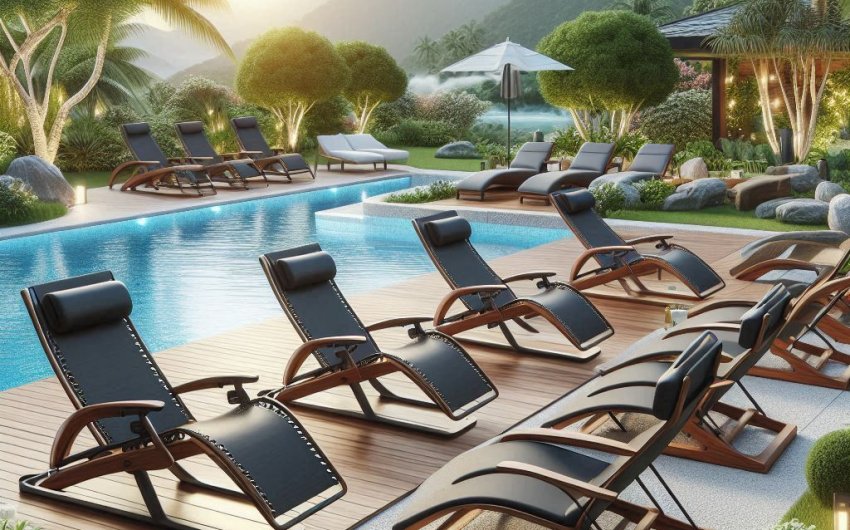
There's something uniquely inviting about a warm, sunny day spent relaxing outdoors. Whether by the pool, on a spacious patio, or nestled in a quiet garden corner, the opportunity to stretch out, soak up some rays, and truly unwind is a quintessential summer pleasure. To fully embrace these moments of leisure, the right outdoor furniture is paramount. And when it comes to ultimate comfort and versatility for catching those golden rays, nothing quite compares to a well-designed adjustable garden lounger.
These aren't just ordinary chairs; garden loungers are specifically crafted for reclining, offering multiple positions that cater to every sunbathing preference, from upright reading to a full horizontal sprawl. But with a dizzying array of materials, designs, and features on the market, selecting the best adjustable garden loungers for sunbathing can feel overwhelming. You need something that's not only comfortable and stylish but also incredibly durable, weather-resistant, and easy to maintain, especially when exposed to direct sun and pool splashes.
This comprehensive guide will unravel the key factors in choosing your ideal sunbathing companion. We'll delve into the essential features that define a top-tier lounger, explore the pros and cons of various materials, and highlight popular designs that offer both supreme comfort and long-lasting quality. Get ready to discover the perfect lounger that transforms your outdoor space into a personal resort, allowing you to relax, recharge, and truly soak in the serenity of a sunny day.
Why is an Adjustable Garden Lounger a Must-Have for Sunbathing?
While any outdoor chair can offer a place to sit, an adjustable garden lounger is specifically designed for the ultimate relaxation and comfort when you want to soak up the sun. It offers advantages that basic chairs just can't match.
1. Ultimate Comfort and Versatility
- Multiple Positions: This is the main reason! A good adjustable lounger allows you to go from sitting upright (great for reading or chatting), to partially reclined (perfect for relaxing), to fully flat (ideal for napping or serious sunbathing). This versatility means you can find your most comfortable position for any activity.
- Full Body Support: Unlike a standard chair, a lounger supports your entire body, from your head down to your feet. This takes pressure off your back and joints, promoting deeper relaxation.
- Customizable Comfort: You can adjust the backrest and sometimes the footrest to suit your personal preference, ensuring maximum comfort throughout the day.
2. Perfect for Sun Exposure
- Optimal Sun Angle: Being able to recline fully or adjust your angle means you can position your body perfectly to catch the sun's rays for even tanning (if that's your goal) or simply to enjoy the warmth on your skin.
- Comfort for Long Periods: If you plan to spend hours by the pool or on the patio, a lounger is far more comfortable than a rigid chair.
3. Enhances Outdoor Relaxation
- Creates a Resort Feel: A beautiful, comfortable lounger can transform your backyard or patio into a luxurious retreat, giving it a high-end resort or spa vibe.
- Dedicated Relaxation Space: It encourages you to slow down, put your feet up, and truly unwind outdoors.
4. Durability for Outdoor Use
- Built for Elements: Quality garden loungers are designed with weather-resistant materials that can stand up to sun, rain, and heat. They are a sturdy investment for outdoor living.
- Easy to Clean: Most are made from materials that are simple to wipe down and maintain.
5. Practicality
- Often Stackable or Foldable: Many models are designed to be stacked (for easy storage) or folded flat, making them convenient to put away when not in use or to move around.
In short, an adjustable garden lounger isn't just a piece of furniture; it's an invitation to relax, an enhancer of outdoor living, and a practical addition to any sunbathing setup. It provides unmatched comfort and adaptability for enjoying your outdoor space to the fullest.
What Are the Key Features to Look for in a Garden Lounger?
When shopping for the best adjustable garden lounger for sunbathing, don't just pick the first one you see. Paying attention to these key features will ensure you get a comfortable, durable, and long-lasting piece.
1. Adjustability (Multiple Positions)
- The Core Feature: This is what makes a lounger "adjustable."
- What to look for: Check how many reclining positions the backrest offers. More positions give you greater flexibility. Some loungers also have adjustable footrests or leg sections, which adds to comfort.
- Mechanism: Look for an easy-to-use and secure adjustment mechanism. You should be able to change positions smoothly and confidently without worrying about it slipping.
2. Material (Frame and Fabric)
This is crucial for durability and comfort in the sun.
Frame Materials:
- Powder-Coated Aluminum:
- Pros: Excellent resistance to rust (great for poolside!), lightweight (easy to move), strong, and stays relatively cool in the sun. The powder coat provides a durable, chip-resistant finish.
- Cons: Can be more expensive. Dark colors will still absorb some heat.
- Recommendation: A top choice for durability and comfort. Look for powder-coated aluminum outdoor furniture.
- Teak Wood:
- Pros: Naturally highly resistant to weather, rot, and pests due to its natural oils. Develops a beautiful silvery-gray patina over time (or can be oiled to maintain golden color). Doesn't get scorching hot.
- Cons: Very expensive upfront. Requires some maintenance (cleaning, optional oiling). Heavy.
- Recommendation: A luxurious, long-lasting option if budget allows.
- HDPE (High-Density Polyethylene) Lumber / Recycled Plastic:
- Pros: Extremely durable, UV-resistant (won't fade, crack, or rot), low maintenance (just wipe clean), and doesn't absorb much heat.
- Cons: Can be heavy. May have a more "plastic" feel, though high-quality versions are substantial.
- Recommendation: Excellent for durability, low maintenance, and heat resistance.
- Wrought Iron/Steel (with caution):
- Pros: Very heavy and sturdy, won't blow away.
- Cons: Gets extremely hot in direct sun. Prone to rust if the paint chips. Very heavy.
- Recommendation: Only consider if shade is always available, or if you don't mind a hot surface.
- Synthetic Wicker (Woven Resin):
- Pros: Often woven over an aluminum frame, so it's lightweight and durable. UV-resistant if high quality. Comes in many styles.
- Cons: Quality varies greatly. Cheaper versions can unravel or become brittle.
- Recommendation: Good option if paired with an aluminum frame and made with high-quality, UV-stabilized resin.
Fabric/Sling Materials (for cushions or direct seating):
- Solution-Dyed Acrylic (e.g., Sunbrella):
- Pros: The gold standard for outdoor fabric. Exceptional fade resistance, UV resistance, water-resistant, and comfortable.
- Cons: Most expensive.
- Recommendation: A must-have for cushions or if the lounger has a fabric sling. Look for Sunbrella outdoor cushion fabric.
- Solution-Dyed Olefin (Polypropylene):
- Pros: Good fade resistance (less than acrylic), very durable, water and mildew resistant, and more affordable.
- Recommendation: A great mid-range option for cushions.
- Textilene / PVC Mesh (Sling Fabric):
- Pros: Very durable, quick-drying (water drains right through), excellent UV resistance, and doesn't retain much heat. Used for "sling" style loungers without separate cushions.
- Cons: Not as soft as a cushioned option.
- Recommendation: Excellent for pool areas or high-use scenarios where quick drying is key.
3. Comfort
- Cushions: If the lounger has separate cushions, check their thickness and foam density. High-density foam wrapped in weather-resistant fabric is best.
- Ergonomics: Does the shape support your body naturally when reclined? Are there armrests?
- Breathability: Sling-style loungers (Textilene) are more breathable and cooler than solid frames with thick cushions.
4. Portability and Storage
- Weight: Aluminum and some synthetic loungers are lighter and easier to move.
- Stackable/Foldable: Consider if the loungers stack (for saving space) or fold flat (for compact storage in winter).
- Wheels: Some loungers come with wheels for easy movement, especially if they are heavy.
5. Durability and Warranty
- Construction: Check joints and hardware. Welded aluminum frames are stronger than bolted ones. Stainless steel hardware resists rust.
- Brand Reputation: Buy from reputable brands known for quality outdoor furniture.
- Warranty: A good warranty (e.g., 5-10 years on frame and fabric) signals a manufacturer's confidence in their product.
By carefully evaluating these features, you can select the best adjustable garden lounger that meets your needs for comfort, style, and long-lasting enjoyment in the sun.
What Are Popular Adjustable Garden Lounger Designs?
Beyond the materials, adjustable garden loungers come in various designs, each offering a slightly different look and feel. Choosing the right design can further enhance your sunbathing experience and patio aesthetic.
1. Traditional Chaise Lounges
- Description: This is the classic garden lounger design, often seen by poolsides. It's a long, low chair with a reclining backrest and usually a fixed or adjustable leg section.
- Materials: Available in almost all outdoor furniture materials: powder-coated aluminum with sling fabric or cushions, teak wood, synthetic wicker over an aluminum frame, or HDPE lumber.
- Pros:
- Offers multiple recline positions, including fully flat.
- Provides full-body support.
- Classic, timeless look.
- Often comes with wheels for easy movement.
- Cons: Can take up a fair amount of space.
- Best for: Poolside, spacious patios, dedicated sunbathing areas. Look for a classic outdoor chaise lounge with wheels.
2. Zero Gravity Recliners
- Description: These chairs recline almost completely flat, elevating your legs above your heart. The name comes from the feeling of weightlessness, mimicking the position astronauts take during launch.
- Materials: Typically a steel or aluminum frame with a durable Textilene or mesh fabric stretched across.
- Pros:
- Excellent for circulation and deep relaxation.
- Usually lightweight and foldable for easy storage and portability.
- Quick-drying fabric, making them great for post-swim lounging.
- Often more affordable than traditional chaise lounges.
- Cons: The aesthetic is more casual/utility-focused. May not be as wide or padded as some traditional loungers unless extra cushions are added.
- Best for: Casual sunbathing, camping, portable needs, poolside. A zero gravity outdoor recliner chair is a popular choice.
3. Lounger Beds / Daybeds
- Description: Larger, often circular or rectangular structures designed for multiple people or for a sprawling, bed-like lounging experience. They usually have a canopy for shade.
- Materials: Often synthetic wicker over aluminum, sometimes with a metal frame.
- Pros:
- Ultimate luxury and space for relaxation.
- Built-in shade (canopy).
- Creates a dramatic focal point.
- Cons: Very large, expensive, and not easily moved or stored.
- Best for: Large patios, dedicated lounge areas, luxurious resort feel.
4. Adjustable Lounge Chairs
- Description: These are essentially oversized recliners designed for outdoor use, but they don't typically go fully flat like a chaise. The backrest reclines, and sometimes a footrest extends.
- Materials: Similar to dining chairs – powder-coated aluminum, synthetic wicker, sometimes wood.
- Pros:
- More compact than a full chaise lounge.
- Comfortable for sitting or semi-reclined lounging.
- Can often be part of a larger patio furniture set, offering a cohesive look.
- Cons: Not for full-body sunbathing in a flat position.
- Best for: Smaller patios, multi-purpose lounging where a full chaise is too big.
When choosing a design, consider your available space, how often you'll be using it for full sunbathing versus other activities, and what aesthetic best complements your outdoor living area.
How Do I Maintain My Adjustable Garden Lounger for Longevity?
Even the best adjustable garden loungers for sunbathing need some care to stay beautiful and functional year after year. Proper maintenance protects your investment and ensures comfort.
1. Regular Cleaning
- Frequency: Wipe down frames and cushions (if applicable) regularly, especially after dusty days, pollen season, or spills. Aim for weekly or bi-weekly.
- Frames: Use a mild soap (like dish soap) mixed with water and a soft cloth or sponge. Rinse thoroughly with clean water to remove all soap residue.
- Fabrics/Cushions:
- Brush off loose dirt: Before wetting, brush off any dry debris.
- Spot Clean: For spills, blot immediately with a clean cloth.
- General Cleaning: Use a mild soap and water solution. For tougher stains, follow the fabric manufacturer's specific cleaning instructions (e.g., Sunbrella has detailed guides for their fabrics).
- Air Dry Completely: Always allow cushions and fabric slings to air dry fully before storing or covering to prevent mildew.
- Avoid Harsh Cleaners: Do not use abrasive cleaners, bleach (unless specifically recommended for mildew on certain fabrics and diluted), or pressure washers on most outdoor furniture, as they can damage finishes and materials.
2. Protect from Extreme Weather
While designed for the outdoors, protecting your lounger from prolonged exposure to harsh elements can significantly extend its lifespan.
- Furniture Covers: When not in use for extended periods, or during the off-season, invest in high-quality outdoor furniture covers. These covers protect against UV rays, heavy rain, dust, and debris. Look for covers made from durable, breathable, and waterproof materials. A waterproof outdoor furniture cover is a worthy investment.
- Cushion Storage: During heavy rain, intense sun, or the off-season, store cushions indoors or in a waterproof deck box. This prevents excessive wear, fading, and mildew.
- Winter Storage: For colder climates, if possible, store the entire lounger in a garage, shed, or covered area during winter. This prevents damage from freezing temperatures and heavy snow.
3. Specific Material Maintenance
- Teak Wood:
- Cleaning: Clean regularly with a soft brush and mild soap/water solution.
- Graying: If you prefer the original golden-brown color, you'll need to clean it periodically and apply a teak sealer or teak oil every 6-12 months. If you like the silvery-gray patina, no oiling is needed.
- Stains: Address food or drink spills quickly to prevent permanent staining.
- Powder-Coated Aluminum: Inspect regularly for any chips or scratches in the powder coat. Touch up small chips with compatible touch-up paint to prevent moisture from getting underneath and causing corrosion (though aluminum doesn't rust, the finish can degrade).
- HDPE/Recycled Plastic: This material is almost maintenance-free. Just clean with soap and water. No need for painting, staining, or sealing.
- Synthetic Wicker: Brush off loose dirt. For deeper cleaning, use mild soap and water. Use a soft brush for crevices. Rinse well.
4. Check Fasteners and Connections
- Tighten Screws: Over time, bolts and screws on any outdoor furniture can loosen due to use and temperature changes. Periodically check and tighten all fasteners to keep the lounger sturdy and safe.
- Lubricate Adjustments: For adjustable mechanisms, a little silicone spray (not oil) can help keep parts moving smoothly.
By following these maintenance tips, your adjustable garden loungers will remain comfortable, beautiful, and ready for many years of sunbathing and relaxation in your outdoor oasis.