
Best Fire Pits for a Cozy Garden Party
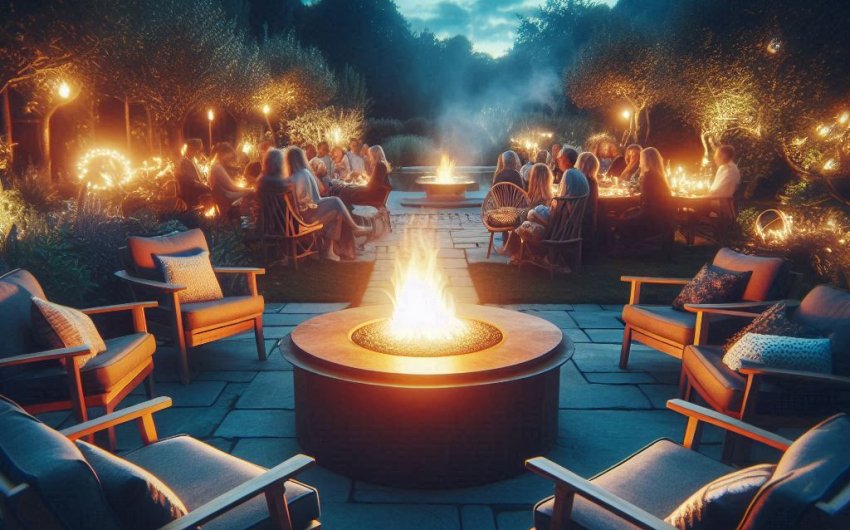
As evening descends, and the string lights begin to twinkle, a garden party takes on a whole new enchanting dimension. While good food and company are essential, to truly elevate the atmosphere and extend the gathering into the cooler hours, nothing compares to the allure of a fire pit. A fire pit transforms an ordinary backyard into a warm, inviting, and magical hub, perfect for storytelling, marshmallow roasting, and intimate conversations.
Choosing the best fire pit for a cozy garden party involves balancing safety, aesthetic appeal, fuel type, and durability. You want something that provides ample warmth, looks great, and fits your entertaining style. This comprehensive guide will illuminate the various types of fire pits, key features to look for, and crucial safety tips, helping you select the perfect fiery centerpiece to make your outdoor gatherings truly unforgettable and wonderfully cozy.
Why a Fire Pit is a Must-Have for a Cozy Garden Party?
A fire pit offers unique benefits that go far beyond just providing warmth. It becomes the heart of your outdoor gathering.
1. The Ultimate Ambiance Creator
- Warm Glow: The flickering flames create an mesmerizing, primal glow that instantly adds warmth, depth, and a sense of wonder to any outdoor space.
- Focal Point: It naturally draws people together, acting as a central gathering point for conversation and relaxation.
- Comfort: The radiant heat extends the usability of your outdoor space into cooler evenings or during shoulder seasons (spring/fall).
- Sensory Experience: The crackle of wood, the warmth on your face, and the subtle scent of smoke (for wood-burning) engage multiple senses, creating a deeply comforting and memorable atmosphere.
2. Hub for Social Interaction and Storytelling
A fire pit encourages a relaxed, communal atmosphere.
- Conversation Starter: People naturally gravitate towards the fire, fostering easy conversation and camaraderie.
- Timeless Activity: Roasting marshmallows or hot dogs over an open flame is a classic activity that appeals to all ages and creates shared memories.
- Relaxation: The hypnotic dance of the flames has a calming effect, helping guests unwind and truly enjoy the moment.
3. Extends Outdoor Living Season
With a fire pit, your garden party doesn't have to end when the sun goes down or the temperature dips slightly. It allows you to comfortably enjoy your outdoor space well into the evening and through cooler months, effectively extending your outdoor living season.
4. Adds Style and Value to Your Landscape
Fire pits come in a vast array of designs, materials, and sizes, allowing you to choose one that perfectly complements your garden's aesthetic, from rustic farmhouse to sleek modern. A well-chosen fire pit can significantly enhance the visual appeal and even the property value of your outdoor space.
5. Versatility
Beyond parties, a fire pit is a fantastic addition for everyday enjoyment, whether it's a quiet evening with family or a solo moment of contemplation.
What Types of Fire Pits Are Best for a Cozy Garden Party?
The most significant distinction among fire pits is their fuel type, which directly impacts their look, maintenance, and suitability for different gatherings.
1. Wood-Burning Fire Pits: The Classic Choice
For that traditional campfire feel, a wood-burning fire pit is king.
- Fuel: Burns logs, firewood, or wood chunks.
- Pros:
- Authentic Experience: Provides the classic crackle, smoke, and woody aroma that many people love.
- High Heat Output: Can generate substantial heat, making them very effective in cooler weather.
- Cost-Effective Fuel: Firewood can be relatively inexpensive or even free if you have access to fallen branches (ensure wood is seasoned/dry).
- Ambience: Unmatched in creating a rustic, cozy, and primitive atmosphere.
- Cons:
- Smoke: Produces smoke, which can be an issue for some guests or if wind direction is unfavorable.
- Ash Cleanup: Requires regular ash cleanup.
- Sparks/Embers: Can produce sparks or embers, requiring more stringent safety precautions.
- Emissions: Contributes to air pollution.
- Regulations: May have local burn bans or restrictions.
- Common Styles:
- Fire Bowls: Simple, open metal bowls, often made of steel or cast iron. Portable and classic. A steel fire pit bowl is a popular choice.
- Fire Rings: Metal rings placed on the ground or within a stone enclosure.
- Chimeneas: Vertical, freestanding fireplaces with a chimney that directs smoke upwards, reducing direct smoke exposure. A clay chimenea outdoor or steel chimenea outdoor can be very stylish.
- Fire Tables (Wood-Burning): Less common, but some have integrated wood-burning fire boxes.
- Keyword Optimization: Outdoor wood burning fire pit, backyard bonfire pit.
2. Propane (LP) Fire Pits: Clean and Convenient
For ultimate convenience and a smoke-free experience, propane fire pits are an excellent modern alternative.
- Fuel: Connects to a standard 20-lb propane tank (like for a gas grill), usually hidden inside the table or base.
- Pros:
- Clean Burn: Virtually smoke-free and ash-free.
- Instant On/Off: Easy ignition with a push button or knob; instant flame control.
- No Cleanup: No ash to scoop.
- Versatile: Often integrated into elegant outdoor tables.
- No Sparks/Embers: Safer as there are no flying embers.
- Cons:
- Less Heat (than large wood fires): While they provide good warmth, a propane flame typically doesn't radiate as much intense heat as a large, roaring wood fire.
- Propane Tank: Requires refilling/exchanging tanks, and the tank itself needs to be concealed.
- Cost of Fuel: Propane can be more expensive than firewood over time.
- Flame Appearance: The flame is different from wood; often uses lava rocks or fire glass to fill the burner area.
- Common Styles:
- Fire Pit Tables: These are multi-functional, combining a table surface with an integrated fire pit. Great for dining or lounging where drinks/plates can be placed around the flame. A propane fire pit table is highly sought after.
- Fire Bowls/Columns: Freestanding units resembling wood-burning bowls but powered by propane.
- Keyword Optimization: Propane patio fire pit, gas fire pit table.
3. Natural Gas Fire Pits: Permanent and Seamless
For a truly permanent and hassle-free solution, natural gas fire pits are the ultimate luxury.
- Fuel: Connected directly to your home's natural gas line.
- Pros:
- Endless Fuel: No tanks to refill or wood to buy/store.
- Instant On/Off: Ultimate convenience with a flip of a switch or turn of a key.
- Clean Burn: Smoke-free and ash-free.
- Higher Heat Output: Can be designed for very high BTU output for significant warmth.
- Integrated Design: Often built directly into custom patio designs.
- Cons:
- Expensive Installation: Requires professional installation to run a gas line. Not portable.
- Not Portable: Once installed, it's fixed.
- High Upfront Cost: Highest initial investment.
- Best For: Long-term homeowners seeking a truly seamless, integrated outdoor living experience with frequent use.
- Keyword Optimization: Natural gas fire pit outdoor, permanent outdoor fire feature.
4. Bioethanol Fire Pits: Eco-Friendly and Ventless (Mostly Decorative)
These relatively new options offer clean-burning flames without external venting.
- Fuel: Burns bioethanol fuel, a clean-burning alcohol.
- Pros:
- Ventless: No smoke, no ash, no gas line needed.
- Eco-Friendly: Burns cleanly with minimal emissions.
- Portable: Many models are small and portable.
- Indoor/Outdoor Use: Some are rated for both indoor and outdoor use.
- Cons:
- Lower Heat Output: Primarily decorative; provides minimal heat compared to wood or propane.
- Fuel Cost: Bioethanol fuel can be expensive.
- Refilling: Requires manually refilling the burner.
- Burn Time: Often have shorter burn times per fill.
- Best For: Creating pure ambiance where significant heat is not the primary goal; small spaces; apartment balconies; indoor use.
- Keyword Optimization: Bioethanol fire pit table, smokeless outdoor fire pit small.
Key Features to Look for When Buying a Fire Pit
To ensure your fire pit provides optimal coziness and style for your garden party, consider these crucial features:
1. Material and Durability
The material dictates longevity, maintenance, and aesthetic.
- Steel (Carbon Steel): Common and affordable for wood-burning pits. Look for thicker gauge steel (e.g., 3-5mm) for better heat retention and warp resistance. Will rust over time, developing a desirable patina, but high-quality steel will last. A heavy duty steel fire pit offers longevity.
- Cast Iron: Very heavy and durable, excellent at retaining and radiating heat. Prone to rust if not maintained but can last for decades.
- Stainless Steel: High-end option, rust-proof, extremely durable, sleek modern look.
- Copper: Beautiful, develops a green patina over time. Very durable but can be expensive.
- Concrete / GFRC (Glass Fiber Reinforced Concrete): Modern and heavy for gas pits. Very durable, sleek, natural look. Resistant to rust.
- Composite / Polyethylene: For gas fire pit tables, these materials often mimic wood or stone. Durable, weather-resistant, and relatively lightweight.
- Stone / Masonry: Built-in or kit fire pits made from natural stone or fire-rated blocks. Extremely durable and permanent.
2. Size and Heat Output (BTUs)
- Size: Consider the size of your gathering space and how many people will gather around.
- Small (20-25 inches/50-63 cm diameter): For 2-4 people, accent heat.
- Medium (30-36 inches/76-91 cm diameter): Good for 4-8 people, decent heat.
- Large (40+ inches/100+ cm diameter): For larger groups, significant heat.
- Heat Output (for Gas/Propane): Measured in BTUs (British Thermal Units). Higher BTUs mean more heat.
- 30,000-50,000 BTUs: Sufficient for most residential use, provides good warmth.
- 50,000-100,000+ BTUs: For very large areas or colder climates.
3. Safety Features
Safety is paramount when dealing with fire.
- Spark Screen: For wood-burning pits, a mesh spark screen is essential to contain embers and prevent accidents. A fire pit spark screen is a must.
- Poker/Log Grabber: To safely manage logs and hot items.
- Heat Shield/Guard: Some fire pits have built-in heat shields or barriers to protect surrounding surfaces or reduce radiant heat on the exterior.
- CSA Approved (for Gas/Propane): Ensure any gas or propane fire pit is CSA (Canadian Standards Association) approved or has similar safety certifications for your region.
- Automatic Shut-off (for Gas/Propane): Some higher-end gas fire pits have automatic shut-off valves if the flame goes out.
4. Portability vs. Permanence
- Portable: Lighter fire bowls or smaller propane pits are easy to move around your yard or take to different locations.
- Semi-Permanent: Larger, heavier wood-burning pits or propane fire pit tables are meant to stay in one spot for the season.
- Permanent: Built-in natural gas fire pits are fixed structures.
Choose based on your need for flexibility.
5. Aesthetics and Style Integration
The look of your fire pit should complement your outdoor decor.
- Modern: Sleek concrete or GFRC designs, stainless steel bowls, minimalist fire tables.
- Rustic/Farmhouse: Cast iron, weathered steel, natural stone surrounds.
- Traditional: Wrought iron, clay chimeneas, classic masonry.
- Fuel Bed (for Gas/Propane): Consider fire glass (for a dazzling, modern look) or lava rocks (for a more natural, traditional flame appearance). Fire pit glass rocks or lava rocks for fire pit.
6. Ease of Cleanup (for Wood Burning)
- Ash Catchers: Some wood pits have removable ash pans or grates that make cleanup much easier.
- Bottom Drainage: Essential for water to drain from rain, preventing rust.
7. Lid/Cover
- Protection: A tight-fitting lid protects the fire pit from rain, leaves, and debris when not in use, extending its lifespan. Some lids for gas fire pits double as tabletops.
- Safety: Can help smother remaining embers in a wood fire pit. Look for a fire pit cover heavy duty.
Essential Fire Pit Safety Tips for Garden Parties
No matter what type of fire pit you choose, safety must be your top priority, especially when entertaining guests.
- Placement is Crucial:
- Place the fire pit on a non-combustible surface like concrete, stone patio, brick, or gravel.
- Keep it a safe distance (at least 10-20 feet / 3-6 meters) from structures (house, deck railings, fences, sheds), overhanging trees/branches, dry grass, or any flammable materials.
- Ensure it's on a level surface to prevent tipping.
- Monitor Local Regulations: Check your local fire department for any burn bans or regulations regarding fire pits in your area (e.g., distance from structures, time of day restrictions, type of fuel allowed).
- Supervise Constantly: Never leave a burning fire pit unattended, especially with children or pets around. Designate an adult to be the "fire watcher."
- Keep a Fire Extinguisher/Water/Sand Nearby: Always have a bucket of water, a garden hose, or a fire extinguisher for outdoor use readily accessible.
- Use Appropriate Fuel:
- Wood-Burning: Only burn dry, seasoned firewood. Never burn trash, treated wood (pallets, construction scraps), leaves, pinecones (can spark excessively), or accelerants (gasoline, lighter fluid).
- Propane/Natural Gas: Only use the fuel specified by the manufacturer.
- Manage Sparks (for Wood Burning): Always use a spark screen. Keep chairs and flammable materials far enough away from the pit.
- Educate Guests: Inform guests about fire pit safety rules, especially children. Explain the "no-go" zone around the pit.
- Properly Extinguish: For wood fires, completely extinguish all embers before leaving it or going to bed. Douse with water and stir the ash to ensure no hot spots remain. For gas, simply turn off the fuel supply.
- Clear the Area: Ensure the area around the fire pit is clear of all clutter, dry leaves, or other flammable debris.
By carefully choosing the best fire pit for your needs, prioritizing safety, and implementing thoughtful design, you can create a truly captivating and wonderfully cozy atmosphere for your garden parties. A fire pit isn't just an addition to your backyard; it's an invitation to connect, relax, and create unforgettable memories under the stars.