
Best Portable Greenhouses for Gardeners
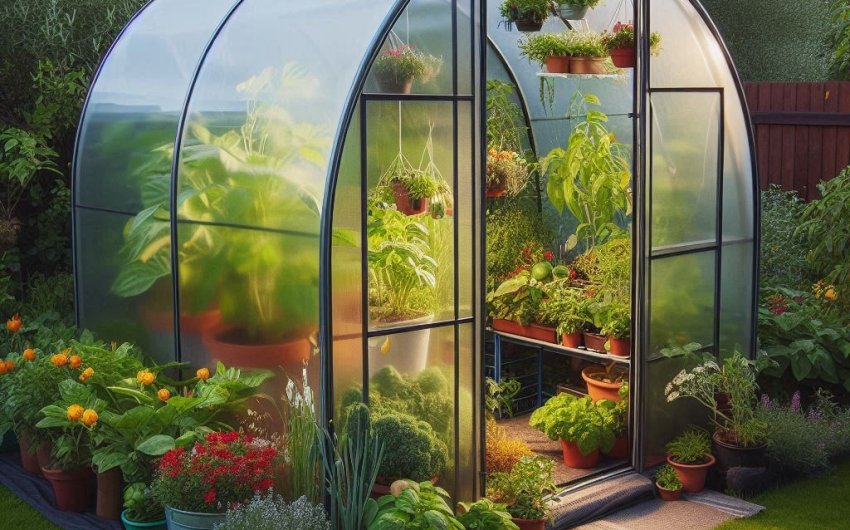
For many gardeners, the dream of extending the growing season, protecting delicate seedlings, or cultivating tender plants year-round often leads to thoughts of a greenhouse. However, a traditional, permanent structure isn't always practical due to space limitations, budget constraints, or the need for flexibility. This is where portable greenhouses come into their own, offering a fantastic and accessible solution for gardeners of all experience levels. These versatile mini-climates provide a protective environment for your plants, allowing you to get a head start on spring planting, harden off seedlings, or simply shelter sensitive flora from unexpected cold snaps. Let's delve into what makes a great portable greenhouse and explore the best portable greenhouses for gardeners to help you choose the perfect one for your growing needs.
Why Should I Consider a Portable Greenhouse?
Portable greenhouses offer a flexible and affordable entry point into controlled environment gardening, providing benefits that fixed structures cannot.
What are the Advantages of Portable Greenhouses?
These compact growing spaces offer numerous benefits for the home gardener.
- Affordability: Generally much cheaper than traditional glass or polycarbonate greenhouses, making them accessible to a wider range of budgets.
- Flexibility and Mobility: This is their defining feature. You can move them around your yard to chase the sun, or tuck them away when not in use. Ideal for renters or those who might relocate.
- Space-Saving: Perfect for small yards, patios, balconies, or even urban rooftops where a full-sized greenhouse isn't feasible. They come in various sizes, from mini cloches to walk-in models.
- Extend the Growing Season: Allow you to start seeds earlier in spring, grow tender crops later into fall, and even overwinter some less-hardy plants, significantly increasing your harvest window.
- Protection from Elements: Shield plants from unexpected late frosts, strong winds, heavy rain, and even some pests.
- Hardening Off: Provide a crucial transition zone for seedlings moving from indoors to the outdoor garden, gradually acclimatizing them to tougher conditions.
- Controlled Environment: Help maintain higher humidity and stable temperatures, which is beneficial for seed germination and the growth of tropical or sensitive plants.
- Easy Assembly/Disassembly: Most models are designed for straightforward DIY setup and can be taken down and stored when not needed. You can use a simple rubber mallet for assembly.
Key Features to Look for in a Portable Greenhouse
Not all portable greenhouses are created equal. Understanding the important components will help you make an informed decision.
What Features Make a Portable Greenhouse Effective?
Consider these elements for durability, functionality, and plant health.
- Frame Material:
- Powder-Coated Steel: The most common and best choice. Provides strength and rust resistance. Look for thicker gauge steel for better stability.
- Aluminum: Lightweight and naturally rust-proof. Often found in slightly higher-end or more robust portable models.
- PVC/Plastic: Lighter and cheaper, but less durable and prone to breaking down in UV light over time. Not recommended for long-term outdoor use or windy areas.
- Cover Material: This is critical for light transmission and durability.
- Polyethylene (PE) or Polyvinyl Chloride (PVC) Film: Most common. Look for covers that are UV-treated/UV-stabilized to prevent them from becoming brittle and degrading in sunlight.
- Clear: Allows maximum light, can lead to overheating in strong sun.
- Green-Tinged or Reinforced: Often has a grid of threads for added strength, making it more tear-resistant. The green tint can slightly reduce light intensity.
- Polycarbonate Panels: Found in more rigid, higher-end portable or mini-greenhouse kits. Offer excellent insulation and durability, but are heavier and less flexible.
- Polyethylene (PE) or Polyvinyl Chloride (PVC) Film: Most common. Look for covers that are UV-treated/UV-stabilized to prevent them from becoming brittle and degrading in sunlight.
- Venting and Air Circulation:
- Roll-Up Doors/Windows: Essential for controlling temperature and humidity. Allows you to vent excess heat on sunny days and prevent stagnant air, which can lead to fungal diseases. Look for models with zippered roll-up doors or vent windows.
- Mesh Windows: Some models include mesh-covered windows for ventilation while keeping pests out.
- Shelving/Staging:
- Many portable greenhouses come with wire shelving units. Ensure they are sturdy and can hold the weight of your potted plants and soil. Adjustable shelving is a bonus.
- Size and Dimensions:
- Consider your available space and how many plants you intend to grow.
- Mini (Cloche/Cold Frame Style): For single plants or small seed trays.
- Small Walk-In (Tiered Shelving): Ideal for starting numerous seedlings or overwintering several potted plants. Typically 4-6 feet tall.
- Larger Walk-In (Hoop House Style): Closer to a semi-permanent structure, offering more space but still transportable.
- Anchoring/Stability:
- Tie-Down Ropes/Stakes: Absolutely crucial, especially in windy areas. The lightweight nature of portable greenhouses makes them prone to blowing away. Ensure the kit includes robust tie-downs or plan to purchase ground anchor stakes separately.
- Weighting: Consider placing heavy bricks or sandbags on the internal frame or base for added stability.
- Zippers and Fasteners: Look for durable, heavy-duty zippers that won't easily break or snag. Velcro fasteners should also be robust.
Best Portable Greenhouses for Gardeners: Top Picks & Categories
Let's explore some popular and highly-rated types of portable greenhouses, highlighting what makes them stand out.
What are the Top-Rated Portable Greenhouses on the Market?
From compact solutions to more spacious designs, there's a portable greenhouse for every need.
1. Mini Tiered Portable Greenhouses (Shelving Units):
- Description: These are the most common and budget-friendly. They consist of a simple metal frame with multiple wire shelves and a zippered plastic cover.
- Ideal for: Seed starting, hardening off seedlings, housing small potted plants, urban gardening, balconies, patios.
- Pros: Very affordable, compact, easy to assemble, good for vertical space.
- Cons: Can be flimsy in wind (requires good anchoring), limited headroom, shelves might not be adjustable.
- Key Features to Look For: Sturdy powder-coated steel frame, reinforced PE or PVC cover (UV-protected), heavy-duty zippers, tie-down ropes/stakes included.
- Example Products: You can often find highly-rated mini greenhouse with shelves from various brands that offer a great balance of affordability and functionality.
2. Walk-In Portable Greenhouses (Hoop House Style):
- Description: Larger structures that you can walk into, offering more space for taller plants or larger numbers of plants. They typically have a tunnel or peaked roof shape supported by metal hoops, covered with a PE or PVC film.
- Ideal for: Extending the season for larger crops, growing more substantial plant collections, overwintering small trees or shrubs, creating a dedicated plant zone.
- Pros: More growing space, better headroom, allows you to work inside, often comes with roll-up doors/windows for better ventilation.
- Cons: Requires more space in your yard, still needs significant anchoring to prevent wind damage, cover might need replacing every few years.
- Key Features to Look For: Galvanized or powder-coated steel frame (larger diameter tubing is better), thick (e.g., 6 mil), UV-protected PE cover, multiple zippered roll-up windows/doors, robust tie-down system.
- Example Products: Many brands offer walk-in tunnel greenhouses that balance size and portability.
3. Pop-Up Greenhouses:
- Description: Designed for extremely quick setup and takedown. Often feature a spring-loaded frame and a pre-attached cover.
- Ideal for: Last-minute frost protection, temporary sheltering of plants during short cold snaps, very small gardens.
- Pros: Extremely fast and easy to set up and store, very compact when folded.
- Cons: Limited in size, usually less durable for long-term use, may not offer much insulation.
- Key Features to Look For: Strong, flexible frame (often fiberglass), UV-protected cover, good tie-down points.
- Example Products: Look for pop-up plant covers or mini instant greenhouses.
4. Cold Frame Greenhouses:
- Description: Low-profile structures, often made from wood with a clear top (glass or polycarbonate). They sit directly on the ground. Some are hinged for easy access and ventilation.
- Ideal for: Hardening off seedlings, extending the season for low-growing crops (e.g., lettuce, spinach), overwintering dormant perennials.
- Pros: Excellent insulation, very sturdy, can be moved if not too large.
- Cons: Limited height, usually less portable than fabric-covered options.
- Key Features to Look For: Durable wood (cedar or treated pine) or aluminum frame, twin-wall polycarbonate panels for good insulation, easy-access lid with prop-open option.
- Example Products: You can find sturdy wooden cold frames or polycarbonate cold frames.
5. Greenhouses for Balconies/Patios (Mini Lean-To):
- Description: Often tiered units with a flat back designed to sit against a wall. Some are small walk-ins.
- Ideal for: Apartment balconies, small patios, urban spaces where wall support is available.
- Pros: Space-saving, often quite sturdy, good for vertical gardening.
- Cons: Can be limited in depth, may still require careful anchoring.
- Key Features to Look For: Stable base, good ventilation options, shelving, strong construction appropriate for its exposed location.
Setting Up and Maintaining Your Portable Greenhouse
Even the best portable greenhouse needs proper setup and ongoing care to function effectively and last as long as possible.
How Do I Set Up and Care for My Portable Greenhouse?
Ensuring stability and proper climate control is crucial.
- Choose the Right Location (Again!): Even with a portable unit, consider sun exposure, wind patterns, and drainage. Choose a level spot.
- Assembly: Follow the manufacturer's instructions precisely. Ensure all poles are fully inserted and connectors are tight.
- Anchoring is Non-Negotiable: This is the most important step for portable greenhouses.
- Use All Tie-Downs: Secure every provided tie-down rope or strap.
- Ground Anchors: Use robust heavy-duty ground anchor stakes (corkscrew or auger style) that screw deep into the ground. Don't rely on flimsy tent pegs.
- Weighting: Place heavy bricks, concrete blocks, or sandbags on the bottom shelves or directly on the frame to add ballast, especially in areas prone to high winds.
- Wind Direction: Position the greenhouse with its shortest side facing prevailing winds to reduce resistance.
- Climate Control (Crucial!):
- Ventilation: Never underestimate the power of the sun inside a greenhouse. Even on cool, sunny days, temperatures can soar quickly, cooking your plants. Roll up doors and open vents during the day when temperatures rise above ideal (e.g., 70-80°F / 21-27°C).
- Monitoring: Use a greenhouse thermometer/hygrometer to monitor internal temperature and humidity.
- Watering: Plants in a greenhouse may dry out faster than those outdoors due to higher temperatures. Check soil moisture daily.
- Cleaning:
- Periodically wipe down the cover, especially the top and sides, to remove dirt, dust, and algae. This ensures maximum light transmission.
- Clean the interior to prevent pest and disease buildup.
- Repair and Maintenance:
- Patch Tears: Small tears in the cover can be patched with greenhouse repair tape.
- Check Zippers: Lubricate zippers periodically to keep them running smoothly.
- Frame Inspection: Check the frame for rust or loose connections.
- Seasonal Storage:
- If you only use your portable greenhouse seasonally, thoroughly clean and dry the cover and frame before disassembling and storing them in a cool, dry place. This significantly extends their lifespan.
Portable greenhouses are invaluable tools for gardeners, offering the benefits of a controlled growing environment without the commitment or expense of a permanent structure. By carefully considering your needs, selecting a model with robust features, and implementing proper setup and maintenance, you can leverage the power of these mini-climates to extend your growing season, protect your precious plants, and enjoy a more bountiful and rewarding gardening experience.