
Vibrant and Beautiful: Caring for African Violet Houseplants
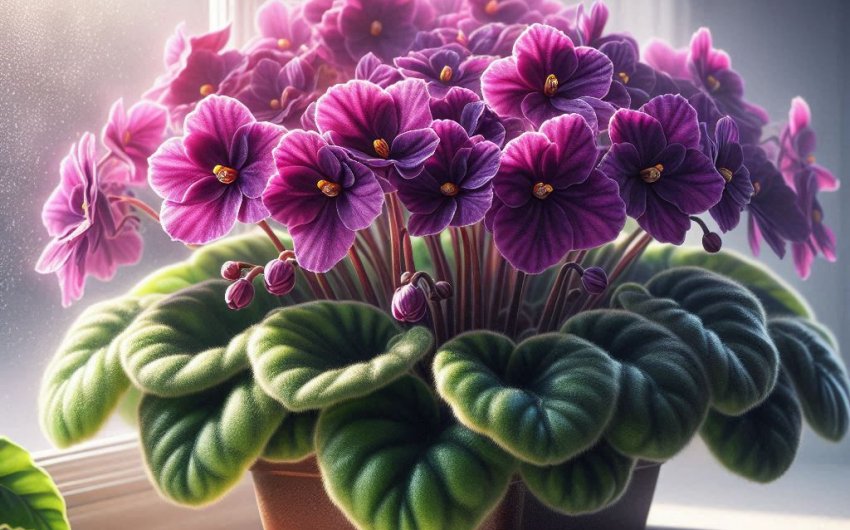
Adding a touch of continuous color to your indoor space is effortlessly achieved with the delightful African Violet. These compact plants are renowned for their clusters of vibrant blossoms and soft, fuzzy leaves, making them a popular choice for windowsills and tabletops. Despite their delicate appearance, African Violets (Saintpaulia) are surprisingly resilient and relatively easy to care for, provided you understand their specific preferences. Mastering a few key techniques will ensure these beautiful plants thrive and produce an abundance of cheerful blooms year-round, brightening any room they inhabit.
What Makes African Violets So Special?
African Violets hold a cherished spot in the hearts of many houseplant enthusiasts. Their unique combination of compact size, fuzzy foliage, and continuous blooming potential sets them apart. Originally discovered in East Africa, these plants have been extensively hybridized, resulting in an astonishing array of colors and flower forms.
Where Do African Violets Come From?
African Violets are native to the Usambara Mountains of East Africa, specifically Tanzania and Kenya. They were first "discovered" by Baron Walter von Saint Paul-Illaire in 1892, which is why their scientific name is Saintpaulia. In their natural habitat, they grow in moist, shady areas under the canopy of trees, often in rocky crevices. This tells us a lot about their preferred growing conditions indoors: consistent warmth, high humidity, and filtered light. Understanding their origins helps us mimic their ideal environment at home.
What Are Their Unique Characteristics?
African Violets possess several distinct features that make them appealing and unique:
- Fuzzy Leaves: Their hallmark is their soft, velvety leaves, which are sensitive to cold water and direct sunlight. The texture is a delight to touch.
- Compact Size: Most varieties remain relatively small, making them perfect for windowsills, shelves, or terrariums. This compact habit allows enthusiasts to collect many varieties even in small spaces.
- Continuous Blooming: With proper care, African Violets can bloom almost continuously throughout the year, providing a steady display of color.
- Wide Range of Colors and Forms: Hybridization has led to an incredible diversity. Flowers come in shades of purple, blue, pink, red, white, and even multi-colored bicolors. Flower forms vary from single petals to ruffled doubles, and leaf shapes can be plain, quilted, or variegated. This combination of characteristics ensures there's an African Violet for every taste and decor.
Are African Violets Easy to Care For?
Despite their reputation for being fussy, African Violets are considered moderately easy to care for once you understand their specific needs. They are not as tolerant of neglect as some succulents, but they are far less demanding than, say, orchids for continuous blooming. The key is to be consistent with their care routines. Once you find the right spot and watering rhythm, they can thrive for many years. The most common mistakes (like improper watering or extreme temperatures) are easily avoided with a little knowledge.
What are the Ideal Growing Conditions for African Violets?
Providing the right environment is crucial for your African Violet to flourish and produce abundant blooms. Getting these basic elements right will solve most common problems.
What Kind of Light Do They Need?
Bright, indirect light is the gold standard for African Violets. They love plenty of light but are very sensitive to direct sun, which can scorch their leaves, causing brown spots.
- Ideal Window: An east-facing window is often perfect, providing gentle morning sun. A north-facing window also works but might require a bit more supplemental light. South or west-facing windows are usually too intense unless shielded by sheer curtains or set back from the window.
- Signs of Too Much Light: Yellowing leaves, brown spots, or bleached-out patches.
- Signs of Too Little Light: Leggy growth, dark green leaves that reach upwards, and a lack of blooms. If natural light is insufficient, a plant grow light can provide the necessary intensity for flowering.
How Much Humidity Do African Violets Prefer?
High humidity is vital for African Violets, mimicking their tropical native habitat. Aim for 50-60% relative humidity. Dry air, especially during winter with heating systems, can cause leaves to curl, flowers to drop prematurely, and prevent new buds from forming.
- Pebble Trays: Place the plant pot on a tray filled with pebbles and water, ensuring the bottom of the pot does not sit directly in the water. As the water evaporates, it creates a more humid microclimate around the plant.
- Humidifier: For serious humidity issues, especially in dry climates, a room humidifier near your plants is the most effective solution.
- Grouping Plants: Grouping African Violets with other humidity-loving plants can also slightly increase local humidity. Avoid misting the fuzzy leaves directly, as water droplets can cause spots or fungal issues if they don't dry quickly.
What is the Best Temperature Range?
Consistent warm temperatures are preferred by African Violets. They thrive in temperatures between 65-75°F (18-24°C).
- Avoid Extremes: Protect them from sudden drops in temperature, cold drafts from windows or doors, and extreme heat. Temperatures below 60°F (15°C) can cause chilling injury, leading to stunted growth or damaged leaves.
- Nighttime Drop: A slight temperature drop at night (5-10°F) can actually encourage blooming. Keep them away from air conditioning vents or heat registers.
What Kind of Soil Mix is Ideal?
A specialized African Violet potting mix is crucial for their health. This type of soil is very light, airy, and fast-draining, preventing waterlogging which is a major cause of root rot.
- Characteristics: It typically contains a mix of peat moss, perlite, and vermiculite, providing excellent drainage while retaining some moisture and allowing good aeration for roots.
- Avoid Garden Soil: Never use heavy garden soil, which compacts easily and suffocates the roots.
- pH Level: African Violets prefer slightly acidic soil, with a pH between 6.0 and 7.0. A specialized African Violet potting mix is readily available.
How Should I Water My African Violet?
Watering African Violets is often where new growers go wrong. The fuzzy leaves are sensitive to water spotting and cold water shock. Consistent, proper watering is key to preventing root rot and promoting healthy growth.
What is the Best Watering Method?
The preferred method for watering African Violets is bottom watering. This allows the plant to absorb water from the bottom up, avoiding contact with the leaves and preventing crown rot.
- Method: Place the pot in a saucer or tray filled with room-temperature water. Let the plant soak for 20-30 minutes, or until the top of the soil feels slightly damp.
- Remove Excess: Crucially, remove the pot from the saucer and let any excess water drain completely before returning it to its spot. Never let the plant sit in standing water. If you must top-water, use room-temperature water and apply it carefully around the base of the plant, avoiding the leaves and crown.
How Often Should I Water?
The frequency of watering depends on factors like pot size, humidity, temperature, and soil type. Rather than a strict schedule, water when the top inch of soil feels dry to the touch.
- Check Daily: It's best to check your plant's soil moisture daily until you get a feel for its needs.
- Signs of Underwatering: Drooping, dull leaves.
- Signs of Overwatering: Yellowing outer leaves, soft or mushy stems, lack of new growth (these are also signs of root rot). Consistency is key. Err on the side of slightly underwatering rather than overwatering. A plant moisture meter can also help.
Why is Water Temperature Important?
Always use room-temperature water for your African Violets. Cold water can shock the roots and cause unsightly yellow spots or rings on the leaves, especially if it splashes onto the foliage. Allow tap water to sit out for a few hours to reach room temperature and allow any chlorine to dissipate. Distilled water or rainwater is also an excellent choice, as African Violets are sensitive to salts and chemicals found in some tap water.
How Do I Fertilize and Repot African Violets?
Beyond light and water, proper nutrition and timely repotting contribute significantly to your African Violet's vigor and blooming potential.
What is the Best Fertilizing Schedule?
Regular fertilization is essential for continuous blooming. Use a specialized African Violet fertilizer that is balanced (e.g., 12-36-14, higher in phosphorus for blooms) and formulated for these plants.
- Frequency: Fertilize every time you water, but at a very diluted strength (e.g., 1/8 to 1/4 of the recommended dose). This "weakly, weekly" approach provides a steady supply of nutrients without burning the roots.
- Growing Season: Fertilize primarily during the active growing and blooming seasons (spring, summer, and fall). Reduce or stop fertilizing in winter when growth slows.
- Signs of Nutrient Deficiency: Yellowing leaves, stunted growth, or a lack of flowers. Always follow the specific instructions on your chosen fertilizer product. A liquid African Violet fertilizer is easy to use.
When Should I Repot My African Violet?
African Violets surprisingly prefer to be somewhat pot-bound to bloom well. However, they do need repotting annually or biannually to refresh the soil and manage their size.
- Signs It Needs Repotting:
- The plant is becoming top-heavy and unstable.
- Roots are circling the bottom of the pot.
- A "neck" of hardened stem appears above the soil line (due to old leaves falling off).
- Soil is compacted or depleted.
- Choosing a Pot: Select a pot that is only one size larger than the current one, or keep the same size if managing the neck. African Violets bloom best in pots where their diameter is about one-third the diameter of the plant's leaves.
- Pot Type: Plastic pots are often preferred as they retain moisture more consistently than terracotta. Self-watering African Violet pots are also popular, with a reservoir at the bottom for consistent moisture via a wick.
How Do I Repot an African Violet?
Repotting an African Violet involves a few specific steps, especially if it has developed a long "neck."
- Prepare: Gather your fresh African Violet potting mix, a clean pot, and a sharp, clean knife or razor blade.
- Remove from Old Pot: Gently remove the plant, shaking off old soil from the roots.
- Address the Neck: If there's a long, woody neck, carefully scrape off any brown, rough tissue from the neck with your knife. This encourages new roots to form from the scraped area.
- Planting: Place a layer of new soil in the bottom of the new pot. Center the plant so the bottom leaves are just above the rim of the pot and the neck is buried under the soil.
- Fill: Gently fill around the roots with fresh soil, tapping the pot lightly to settle the soil. Don't press down too firmly.
- Water: Water thoroughly (preferably from the bottom) after repotting. Keep the plant in a slightly more humid environment for a week or two to help it recover.
How Do I Solve Common African Violet Problems?
Even with careful attention, African Violets can encounter common issues. Knowing how to identify and address these problems can save your plant and ensure continued vibrant blooms.
Why Won't My African Violet Bloom?
This is one of the most common complaints. Lack of blooms usually points to an issue with basic care:
- Insufficient Light: The number one reason. Ensure your plant is receiving bright, indirect light for 10-12 hours a day. Consider a grow light.
- Lack of Fertilizer: African Violets are heavy feeders when blooming. Use a specialized fertilizer regularly.
- Wrong Pot Size: They prefer to be slightly pot-bound. If the pot is too big, the plant focuses energy on root growth instead of flowers.
- Old Soil/Needs Repotting: Depleted or compacted soil won't support blooming.
- Temperature Extremes: Too cold or too hot can prevent blooming.
- Humidity: Low humidity can cause bud blast (buds drying up before opening). Address these factors, and your plant should start producing flowers again.
What Causes Leaf Spotting and Browning?
Spots or browning on leaves are common and usually indicate an environmental stressor:
- Yellow Spots/Rings: Caused by cold water splashing on leaves. Always use room-temperature water and bottom-water.
- Brown, Crispy Edges: Often a sign of low humidity. Increase humidity with a pebble tray or humidifier.
- Brown Patches/Sunburn: Too much direct sunlight. Move the plant to a spot with indirect light.
- Yellowing Outer Leaves: Can indicate overwatering, root rot, or occasionally natural aging. Check soil moisture.
- Pale or Yellow Leaves: Can be caused by too much light, nutrient deficiency (especially iron), or improper pH. Adjust the environment and watering practices.
How Do I Deal with Pests on African Violets?
African Violets can be susceptible to common houseplant pests, though their fuzzy leaves can make treatment tricky.
- Mealybugs: Look for white, cottony masses in leaf axils or on stems. Dab directly with a cotton swab dipped in rubbing alcohol.
- Spider Mites: Tiny red or brown mites, often seen with fine webbing. Causes speckled leaves. Increase humidity and use an insecticidal soap or neem oil, ensuring thorough coverage on leaf undersides.
- Thrips: Tiny, slender insects that cause distorted flowers and silvery streaks on leaves. Remove affected flowers and treat with insecticidal soap.
- Cyclamen Mites: Microscopic mites that cause severe distortion and stunting of new growth and flowers. This is a very difficult pest to control and often requires discarding the plant to prevent spread. When treating, use a soft brush or cloth to apply solutions gently to avoid damaging the delicate foliage. Isolate affected plants immediately. A neem oil concentrate is a good organic pest control option.
What is Crown Rot?
Crown rot is a serious and often fatal condition for African Violets, usually caused by overwatering or cold water sitting in the crown (the center where new leaves emerge).
- Symptoms: The center of the plant becomes mushy and brown, often with a foul odor.
- Prevention: Always use room-temperature water. Avoid getting water on the leaves or in the crown when watering from above. Ensure excellent drainage.
- Treatment: If caught very early, sometimes removing the affected mushy parts and repotting into fresh, dry soil can save the plant, but it's often too late. Prevention is the best cure for crown rot.
Can I Propagate African Violets?
Yes, propagating African Violets from leaf cuttings is incredibly easy and a fun way to multiply your collection or share with friends. It's one of the most rewarding aspects of caring for these plants.
How Do I Propagate from Leaf Cuttings?
Leaf propagation is the most common and successful method for African Violets.
- Select a Healthy Leaf: Choose a healthy, mature leaf from the middle row of the plant. Avoid very old outer leaves or very young inner leaves.
- Make the Cut: Use a clean, sharp knife or razor blade to cut the leaf stem (petiole) at an angle, about 1 to 1.5 inches long.
- Prepare for Planting: (Optional but recommended) Dip the cut end in a rooting hormone powder.
- Planting: Insert the cut end of the stem into a small pot filled with a moist, light mix of perlite and vermiculite, or a specialized rooting medium. You can plant multiple leaves in one container if spaced adequately.
- Create Humidity: Cover the pot with a clear plastic bag or dome to create a mini-greenhouse effect and maintain high humidity.
- Provide Warmth & Light: Place in a warm spot with bright, indirect light.
- Wait: In 6-8 weeks, tiny plantlets will begin to emerge from the base of the leaf stem. Once they have a few leaves, you can gently separate and pot them individually. This simple process allows you to create many new African Violets from a single leaf. A seedling heating mat can speed up rooting.
What About Propagating in Water?
You can also propagate African Violet leaves in water, though transferring to soil later requires care.
- Method: Follow steps 1-3 above. Place the leaf stem in a small bottle or glass filled with room-temperature water, ensuring only the stem is submerged, not the leaf blade.
- Location: Place in a warm spot with bright, indirect light.
- Maintenance: Change the water weekly to prevent stagnation. Roots should appear in a few weeks. Once a good root system (1/2 to 1 inch long) has developed, carefully pot the leaf into a small pot with African Violet mix. Keep it humid as it transitions to soil.
When Can I Separate Plantlets?
Once the mother leaf has produced several visible plantlets (miniature African Violets) and they have at least 2-3 small leaves each, they are ready for separation.
- Careful Separation: Gently unpot the entire clump. Carefully tease apart the plantlets, making sure each has some roots attached. You may need to use a clean knife to cut them apart if they are very intertwined.
- Individual Pots: Plant each plantlet into its own small pot (2-3 inches in diameter) filled with fresh African Violet potting mix.
- Aftercare: Water gently and return to a warm, humid, indirect light environment to help them establish themselves. They will grow into full-sized plants over time.
By understanding the specific needs of African Violets and consistently applying these care tips, you'll be rewarded with a continuous display of their charming and colorful blooms, making them a delightful and vibrant addition to your home decor.