
Compost Bins: Turning Waste into Garden Gold
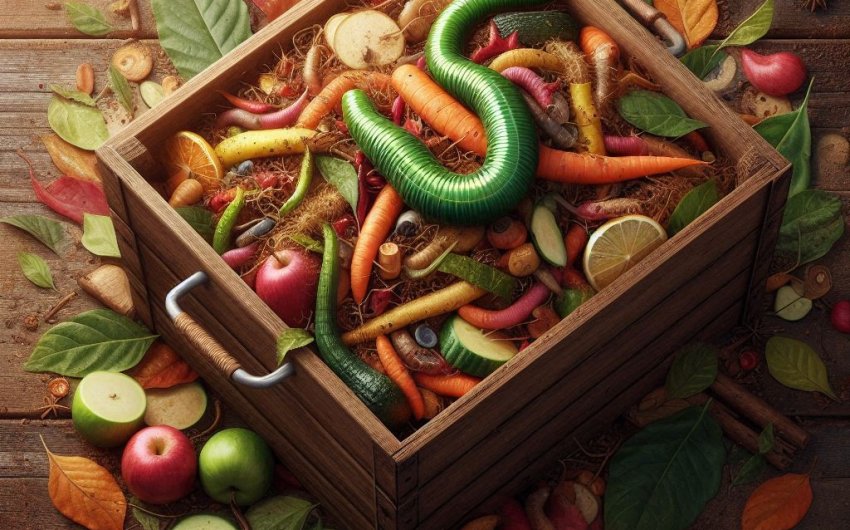
Compost bins provide an efficient and eco-friendly way to transform organic waste into nutrient-rich compost, often referred to as "garden gold." This valuable soil amendment significantly enhances soil structure, fertility, and plant health, making it an essential practice for sustainable gardening.
Why Should You Use a Compost Bin?
Composting is an ancient practice that has gained renewed importance in modern sustainable living. A compost bin serves as the central hub for this process, efficiently containing and facilitating the decomposition of organic materials. Choosing to use a compost bin offers a myriad of benefits for both your garden and the environment.
Environmental Benefits of Composting
- Reduces Landfill Waste: A significant portion of household waste, up to 30% according to some estimates, is organic material that can be composted. By diverting food scraps and yard waste from landfills, you reduce the volume of trash and decrease the production of harmful methane gas, a potent greenhouse gas, emitted from decomposing organic matter in anaerobic (oxygen-starved) landfill conditions.
- Minimizes Carbon Footprint: Composting reduces the need for chemical fertilizers, which often have high energy costs associated with their production and transportation. It also lessens the environmental impact of waste disposal.
- Promotes Healthy Ecosystems: Composting supports beneficial microorganisms, fungi, and insects that contribute to a healthy soil food web, fostering biodiversity both in your compost bin and in your garden.
Gardening Benefits of Using Compost
The finished compost, often called "black gold," is an invaluable soil amendment.
- Enriches Soil: Compost is rich in essential plant nutrients and micronutrients, providing a slow-release food source for plants. Unlike synthetic fertilizers, it also improves the long-term fertility of the soil.
- Improves Soil Structure:
- For Clay Soil: Compost loosens heavy clay soils, improving drainage and aeration, preventing compaction.
- For Sandy Soil: Compost helps sandy soils retain water and nutrients, preventing them from leaching away too quickly.
- Increases Water Retention: The spongy, organic nature of compost acts like a sponge, allowing soil to hold more moisture. This means you'll need to water your garden less frequently, saving water.
- Enhances Disease and Pest Resistance: Healthy soil leads to healthy plants. Plants grown in compost-amended soil are generally more robust and better able to resist diseases and pests.
- Balances Soil pH: Compost helps buffer soil pH, making it more hospitable for a wider range of plants.
- Feeds Microorganisms: Compost introduces and nourishes a thriving community of beneficial microbes, fungi, and earthworms, which are vital for nutrient cycling and overall soil health.
Economic Benefits
- Saves Money: By creating your own compost, you reduce or eliminate the need to purchase costly soil amendments, fertilizers, and even some potting mixes.
- Reduces Waste Disposal Costs: Some municipalities charge for yard waste pickup or require special bags, so composting can reduce these expenses.
What Kinds of Compost Bins Are Available?
The world of compost bins is diverse, offering options to suit every garden size, budget, and composting style. Choosing the right bin depends on how much space you have, how much waste you generate, and how quickly you want compost.
Open Piles
- Description: The simplest method, involving just piling organic materials directly on the ground. No bin structure needed.
- Pros: Free, easy to add material, great for very large volumes of yard waste.
- Cons: Can be messy, less aesthetically pleasing, slower decomposition (unless managed well), can attract pests if not managed properly, difficult to turn.
- Best For: Large properties, rural settings, experienced composters with high volumes of yard waste.
Enclosed Bins
These are the most common type for residential use.
1. Stationary Bins (Batch Composting)
- Description: A single, usually vertical, container where materials are added over time. Compost forms from the bottom up. You usually remove finished compost from a lower door.
- Materials: Often made from recycled plastic, wood, or wire mesh. Examples include plastic cones, wooden frames, or simple wire mesh cylinders.
- Pros: Contained, neater than an open pile, good for small to medium households, keeps some pests out, relatively inexpensive. A good starter option is the Compost Wizard Jr. Composter.
- Cons: Can be slow to produce finished compost if not turned, difficult to turn inside the bin, often requires emptying out to access finished material.
- Best For: Beginners, those with limited space, moderate amounts of kitchen and yard waste, those who don't need compost quickly.
2. Tumbler Bins
- Description: A sealed, elevated drum that rotates on an axle, allowing for easy turning of compost materials.
- Materials: Usually durable plastic or metal.
- Pros: Easiest to turn, speeds up decomposition significantly (can produce compost in weeks), minimizes odors, excellent pest control, neat and tidy, often elevated for easy access. Consider the Compost Tumbler Dual Chamber for continuous composting.
- Cons: More expensive, limited capacity compared to bins, can be heavy to turn when full, some models struggle with proper aeration if overfilled.
- Best For: Homeowners who want quick compost, value neatness and pest control, have moderate waste, or have physical limitations preventing manual turning.
3. Continuous Composting Systems (Multi-Bin)
- Description: Involves two or three connected bins or compartments. Material is started in one bin, transferred to the next as it breaks down, and finished compost is harvested from the last bin.
- Materials: Can be purpose-built plastic systems, or DIY constructions from pallets, wood, or wire.
- Pros: Allows for continuous addition of material, larger capacity than single bins, efficient batch processing, easy to turn and manage.
- Cons: Requires more space, can be more complex to set up initially.
- Best For: Larger gardens, high volumes of waste, experienced composters who need a steady supply of finished compost.
Specialty Bins
- Worm Composting Bins (Vermicomposting):
- Description: Multi-tiered bins designed to house composting worms (Eisenia fetida or red wigglers) that efficiently break down food scraps.
- Pros: Excellent for kitchen waste, produces nutrient-rich worm castings (vermicompost) and "compost tea," can be kept indoors (basement, garage), very efficient.
- Cons: Requires managing live worms, can't handle large amounts of yard waste, sensitive to extreme temperatures. A Worm Composting Bin is a great investment.
- Digester Bins:
- Description: Often partially buried in the ground, designed to break down a wider range of food waste, including cooked foods and meat (though this is not recommended for traditional bins).
- Pros: Can handle more types of waste, minimizes odors and pests.
- Cons: Slower decomposition, less "garden gold" produced as it mostly sinks into the ground.
Where is the Best Place to Put a Compost Bin?
The location of your compost bin can significantly impact its efficiency and your convenience. Considerations include sunlight, drainage, accessibility, and proximity to your home and garden.
Key Location Factors
- Shade or Partial Shade: While compost piles generate their own heat, placing them in partial shade (especially afternoon shade) helps prevent them from drying out too quickly, which can slow down decomposition. Full sun can dry out the pile too rapidly, requiring more frequent watering.
- Well-Drained Ground: Place the bin directly on well-drained soil or bare earth. This allows beneficial microorganisms and earthworms to access the pile from below and helps with drainage of excess moisture. Avoid concrete or paved surfaces unless using a tumbler.
- Convenience and Accessibility:
- Near the Kitchen: The closer the bin is to your kitchen, the more likely you are to consistently add food scraps.
- Near the Garden: Placing it reasonably close to your garden makes it easier to transport finished compost.
- Access for Turning: Ensure enough space around the bin for easy turning, especially for multi-bin systems or open piles.
- Air Circulation: Don't tuck the bin into a corner where air can't circulate. Good airflow is essential for aerobic decomposition and preventing odors.
- Away from Walls/Fences: Avoid placing wooden bins or open piles directly against wooden structures like sheds or fences, as the moisture can cause rot.
- Odors (or lack thereof): While a healthy compost bin shouldn't smell bad, occasionally there can be odors if the balance is off. Place it a reasonable distance from your home, outdoor living areas, and neighbors. Tumblers and worm bins tend to be the least odorous.
Specific Site Considerations
- Pest Control: While a well-managed compost bin discourages pests, an open pile might attract rodents or other wildlife. Placing it away from entry points to your house or areas where children/pets play can be wise. Tumblers or fully enclosed bins are best for pest control.
- Aesthetics: Consider the visual impact. Some bins are more attractive than others. If aesthetics are important, choose an enclosed, decorative bin or conceal it behind shrubbery or a small screen.
- Local Regulations: Check for any local homeowner association rules or municipal ordinances regarding compost bin placement, especially related to property lines or water sources.
What Can and Cannot Go Into a Compost Bin?
Understanding what materials to add (and avoid) is fundamental to creating healthy, productive compost and preventing issues like foul odors or pests. Materials are broadly categorized as "greens" and "browns."
"Greens" (Nitrogen-Rich Materials)
These materials are rich in nitrogen, which provides the protein for microorganisms to grow and multiply. They tend to be moist and break down quickly.
- Kitchen Scraps:
- Fruit and vegetable peels/scraps
- Coffee grounds (and filters)
- Tea bags (staple-free)
- Crushed eggshells (slow to break down but good for calcium)
- Fresh Yard Waste:
- Grass clippings (in thin layers to avoid matting)
- Green plant trimmings (non-diseased)
- Weeds (ideally before they go to seed, or annuals without aggressive root systems)
"Browns" (Carbon-Rich Materials)
These materials are rich in carbon, which provides the energy source for microorganisms. They tend to be dry, woody, and break down more slowly.
- Dried Yard Waste:
- Dry leaves (excellent source)
- Straw
- Wood chips (small amounts, slow to decompose)
- Sawdust (from untreated wood, in moderation)
- Small twigs
- Other Materials:
- Shredded newspaper (black ink only, non-glossy)
- Cardboard (shredded, no tape/glossy parts)
- Paper towels and toilet paper rolls (non-bleached, small amounts)
Materials to AVOID in Most Home Compost Bins
Adding these can cause problems like odors, pests, diseases, or slow decomposition.
- Meat, Bones, Fish: Attract pests (rodents, flies), create foul odors, and can contain pathogens.
- Dairy Products (Milk, Cheese, Yogurt): Attract pests and create odors.
- Fats, Oils, Greases: Attract pests, slow decomposition, and can become rancid.
- Pet Waste (Dog/Cat Feces): Can contain harmful pathogens (bacteria, parasites) dangerous to humans. This is only suitable for specialized pet waste composters, not food gardens.
- Diseased Plants: Can spread pathogens to your garden.
- Weeds with Seeds or Invasive Roots: Seeds can survive composting and germinate in your garden. Aggressive roots (like bindweed or Bermuda grass) can also regrow.
- Treated Wood (Pressure-Treated, Painted): Contains chemicals that are toxic to plants and soil organisms.
- Coal Ash or Charcoal Briquette Ash: Can contain harmful substances and heavy metals. Wood ash from untreated wood in small amounts is acceptable.
- Glossy/Coated Paper, Stickers, Plastic: Do not decompose and will contaminate your compost.
- Citrus Peels (Large Amounts): Can be slow to break down and may temporarily deter earthworms. Small amounts are fine.
How Do I Maintain My Compost Bin for "Garden Gold"?
Maintaining your compost bin is an ongoing process that involves balancing the ingredients, moisture, and air. This active management ensures fast decomposition and high-quality finished compost.
The Carbon-to-Nitrogen (C:N) Ratio
This is often referred to as the "browns to greens" ratio. The ideal ratio is approximately 30 parts carbon to 1 part nitrogen (30:1).
- Too Many Greens (Too Much Nitrogen): The pile will become soggy, compacted, and develop a foul, ammonia-like odor. It's becoming anaerobic. Add more browns (dry leaves, shredded paper).
- Too Many Browns (Too Much Carbon): The pile will be dry and decomposition will be very slow. Add more greens (food scraps, grass clippings) and water.
- General Rule of Thumb: Aim for roughly two parts browns to one part greens by volume. Don't get too hung up on exact measurements; consistency is more important.
Moisture Level
- Ideal Moisture: Your compost pile should feel like a wrung-out sponge – consistently moist but not soggy.
- Too Dry: Decomposition will slow down or stop. Add water (slowly, with a hose or watering can) and turn the pile to distribute moisture.
- Too Wet: The pile will become anaerobic, smelly, and slimy. Add more browns and turn the pile to introduce air.
- Testing: Squeeze a handful of compost material. A few drops of water should emerge.
Aeration (Turning the Pile)
- Importance: Microorganisms need oxygen to break down organic matter efficiently. Turning the pile introduces air and prevents compaction.
- Frequency:
- Hot Composting (Fast): Turn the pile every few days to once a week, especially when it heats up. This significantly speeds up decomposition.
- Cold Composting (Slow): Turn every few weeks or once a month. This is slower but less labor-intensive.
- Tools: Use a garden fork, pitchfork, or a specialized Compost Aerator Tool to turn the pile. Tumblers make this step incredibly easy.
- Process: Aim to move materials from the outside of the pile to the inside, and from the top to the bottom, ensuring all materials get exposure to heat and air.
Particle Size
- Smaller is Better: The smaller the pieces of organic material, the faster they will decompose because there's more surface area for microorganisms to work on.
- Shredding: Chop up larger food scraps, shred cardboard, and use a leaf shredder or lawnmower to chop leaves.
Temperature (for Hot Composting)
- Ideal Range: For fast, "hot" composting, the internal temperature of the pile should reach between 130-160°F (54-71°C). This heat indicates rapid microbial activity and also helps kill weed seeds and pathogens.
- Monitoring: Use a Compost Thermometer to monitor the temperature. The temperature will rise after adding fresh materials and turning, then cool down as decomposition slows. When it cools, it's time to turn again.
How Do I Know When Compost is Ready and How Do I Use It?
The ultimate goal of a compost bin is to produce finished compost – that dark, crumbly, nutrient-rich material ready to transform your garden. Knowing when it's ready and how to use it effectively is the final step in turning waste into garden gold.
Signs of Finished Compost
It’s ready when it meets these criteria:
- Dark Brown Color: It should be a uniform, rich dark brown, almost black.
- Earthy Smell: It should have a pleasant, earthy smell, like forest soil. There should be no foul or sour odors.
- Crumbly Texture: It should be crumbly and light, with a uniform texture, resembling rich soil.
- Undiscernible Original Materials: Most of the original materials (food scraps, leaves, grass clippings) should no longer be recognizable. You might find a few larger, woody pieces that decompose very slowly, which you can screen out or put back into a new pile.
- Cool Temperature: The compost pile should have cooled down and no longer be generating significant heat. This indicates that the rapid decomposition phase is complete.
Harvesting Finished Compost
- Stationary Bins: Most stationary bins have a bottom door or panel from which you can scoop out the finished compost. As you remove it, the uncomposted material from the top will settle down.
- Tumblers: Simply open the hatch and empty the finished compost.
- Multi-Bin Systems: Move the partially decomposed material from the first bin to the second, and then harvest the finished compost from the third bin.
- Screening (Optional): If you want very fine, uniform compost for seed starting or topdressing a lawn, you can "screen" it through a piece of hardware cloth (1/2-inch mesh works well) to remove any larger, uncomposted bits. These bits can be returned to your active pile.
Using Your Garden Gold
Finished compost is incredibly versatile and beneficial for almost every part of your garden.
- Soil Amendment/Enrichment:
- New Beds: Mix a generous amount of compost (1-4 inches deep) into the top 6-12 inches of soil when preparing new garden beds.
- Existing Beds: Work 1-2 inches of compost into the top few inches of soil in existing vegetable gardens or flower beds annually.
- Topdressing:
- Lawns: Spread a thin layer (1/4 to 1/2 inch) of screened compost over your lawn in spring or fall, then rake it into the grass. This improves soil structure, provides nutrients, and boosts turf health.
- Perennial Beds/Shrubs/Trees: Spread a 1-2 inch layer around the base of plants, keeping it a few inches away from stems or trunks. This acts as a slow-release fertilizer and helps retain moisture.
- Potting Mix Component: Mix 10-30% finished compost into your regular potting mix for containers or seed starting. This adds nutrients and improves moisture retention.
- Seed Starting Mix: For a DIY seed starting mix, combine screened compost with perlite or vermiculite and a small amount of peat moss or coco coir.
- Compost Tea: Steep finished compost in water for a day or two to create a nutrient-rich "compost tea" that can be used as a liquid fertilizer or soil drench for plants.
Compost bins are powerful tools that enable you to transform household and yard waste into a valuable resource, closing the loop in your garden. By understanding the types of bins, proper material balance, and maintenance techniques, you can successfully turn waste into garden gold, enhancing the health and vitality of your plants and contributing to a more sustainable lifestyle.