
Creative Sunken Above Ground Pool Ideas for Your Backyard
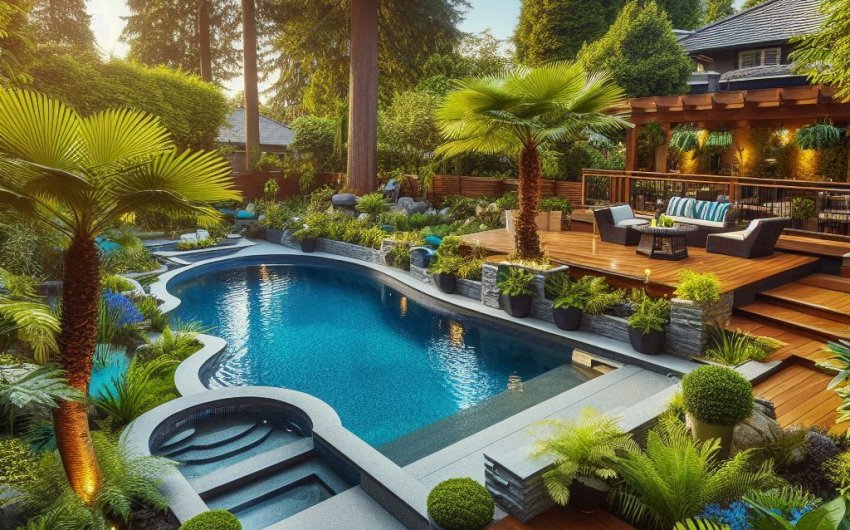
Sunken above-ground pool ideas offer a fantastic way to combine the affordability of an above-ground pool with the aesthetic appeal and accessibility of an inground pool. This involves excavating a portion of the ground to embed the pool, creating a more integrated and sophisticated look for your backyard.
What is a Sunken Above Ground Pool?
A sunken above-ground pool, often called a semi-inground pool, is an above-ground pool that has been partially or fully buried into the ground. Unlike a traditional inground pool, it still utilizes the sturdy, prefabricated structure of an above-ground model, making it a more budget-friendly alternative while achieving a similar luxurious look and improved functionality. This method allows for a variety of creative design options that truly transform your backyard.
Advantages of Semi-Inground Pools
Choosing to sink an above-ground pool offers several significant benefits:
- Enhanced Aesthetics: The primary advantage is the vastly improved visual appeal. By embedding the pool, you eliminate the often-unsightly exposed pool walls, making it blend seamlessly with your landscaping and outdoor living space. It looks much more like a traditional inground pool, increasing your backyard's elegance.
- Easier Access: Entering and exiting the pool becomes much simpler and safer, especially when integrated with a surrounding deck. Instead of climbing a tall ladder, you can walk directly into the pool from deck level, similar to an inground pool. This is a huge plus for families with children, the elderly, or anyone with mobility challenges.
- Increased Property Value: A well-integrated semi-inground pool can significantly boost your home's curb appeal and market value. It's seen as a more permanent and desirable feature than a standard above-ground pool.
- Greater Design Flexibility: Sinking the pool opens up a world of landscaping and decking possibilities. You can create tiered patios, build wrap-around decks, or design lush garden beds that truly integrate the pool into your backyard's overall design.
- Durability and Stability: The surrounding earth provides extra support and insulation for the pool walls, potentially increasing its lifespan and making it more stable against shifting ground or strong winds.
- Cost-Effective: While it involves excavation and more complex installation than a standard above-ground setup, it's still considerably less expensive than installing a custom inground pool, offering a good middle-ground for budget and aesthetics.
- Easier to Cover: Many standard automatic pool covers are designed for inground pools. With a sunken setup, especially with a surrounding deck, using these types of covers becomes much more feasible, improving safety and reducing debris. Consider a Pool Safety Cover for added security.
Disadvantages and Considerations
While beneficial, there are also important factors to consider before undertaking such a project:
- Excavation Costs: Digging the hole is the primary additional cost and effort compared to a standard above-ground installation. This can involve hiring equipment or professionals.
- Drainage is Crucial: Proper drainage is absolutely vital to prevent water from collecting around the pool walls, which can cause damage, mold, or structural issues. This often requires a gravel base, drainage pipes, or a sump pump.
- Permit Requirements: Sinking a pool usually requires more stringent building permits and inspections than a freestanding above-ground pool. Local zoning laws and codes must be strictly followed.
- Complexity of Installation: This is not a DIY project for beginners. It requires knowledge of excavation, retaining walls, drainage, and possibly deck construction. Professional installation is highly recommended for structural integrity and safety.
- Limited Mobility: Once sunken, the pool is permanent. It cannot be easily moved if you decide to change your backyard layout.
- Warranty Issues: Some above-ground pool manufacturers may void warranties if their pools are buried without specific approval or adherence to their guidelines for semi-inground installation. Always check the manufacturer's warranty before you begin.
Understanding these pros and cons is essential for making an informed decision about whether a semi-inground pool is the right choice for your backyard and budget.
What are Popular Sunken Above Ground Pool Design Ideas?
Sunken above-ground pools offer incredible design flexibility, allowing you to create a personalized backyard oasis. Here are some of the most popular and impactful design ideas to inspire your project.
1. The Integrated Deck Oasis
This is perhaps the most common and effective way to utilize a sunken above-ground pool, creating a seamless transition from your living space to the water.
- Full Wrap-Around Deck:
- Concept: The pool is fully or partially sunken, and a continuous deck surrounds it at pool height. This creates a large, flat surface for lounging, entertaining, and easy access.
- Features: Can include multiple levels, designated areas for dining, sunbathing, or even a Pergola for shade.
- Benefits: Maximize usable space, exceptional aesthetics, superior accessibility.
- Materials: Composite Decking (low maintenance, slip-resistant) or Pressure-Treated Wood (cost-effective, requires sealing).
- Partial Deck with Steps:
- Concept: A deck covers a portion of the pool, providing a main entry point and lounge area. The remaining exposed side can be landscaped or have a retaining wall.
- Features: Often incorporates wide, inviting steps down to the pool level.
- Benefits: More economical than a full wrap-around, still offers great access and a sophisticated look.
2. Tiered Patio and Landscaping
If a full deck isn't your preference, multiple levels of hardscaping and lush planting can create stunning visual interest.
- Multi-Level Paver Patio:
- Concept: Create a main patio area at ground level, then a lower, sunken patio closer to the pool's edge, accessed by broad steps. The pool is then embedded into this lower level.
- Materials: Concrete Pavers, Natural Stone Tiles like travertine or flagstone.
- Benefits: Offers clear delineation of spaces, creates an inviting journey to the pool, highly durable and low maintenance.
- Retaining Walls with Built-in Seating:
- Concept: Use the retaining walls required for the sunken pool to your advantage. Build them with a wide capstone or integrate benches into their design.
- Features: Can include integrated lighting, planting pockets, or even a small Fire Pit on a nearby patio.
- Benefits: Functional, space-saving, adds architectural detail.
3. Lush Garden Integration
Surrounding your sunken pool with thoughtfully chosen plants creates a truly natural and private retreat.
- Privacy Plantings:
- Concept: Use tall, dense evergreen shrubs or ornamental grasses around the exposed portions of the pool or behind retaining walls to create a natural privacy screen.
- Examples: Green Giant Arborvitae, Leyland Cypress, clumping bamboo (use with caution and research proper varieties).
- Benefits: Offers year-round privacy, softens hard edges, provides a beautiful backdrop.
- Tropical Oasis Theme:
- Concept: Incorporate lush, heat-loving plants that evoke a resort-like feel. Use large-leafed plants, vibrant flowers, and perhaps a Decorative Fountain nearby.
- Examples: Canna lilies, Elephant Ears, hardy palm varieties, Hibiscus.
- Benefits: Transforms your backyard into an exotic getaway.
- Low-Maintenance Border Gardens:
- Concept: Plant around the exposed sections of the pool with plants that require minimal shedding and care.
- Examples: Sedum, Daylilies, Lavender, ornamental grasses.
- Benefits: Adds beauty without excessive pool clean-up.
4. Added Features and Ambiance
Elevate your sunken pool area with special touches.
- Integrated Lighting:
- Concept: Install LED Deck Lights along the deck perimeter, uplights for plants, and submersible pool lights.
- Benefits: Extends pool use into the evening, creates dramatic ambiance, enhances safety.
- Outdoor Kitchen or Bar:
- Concept: If space allows, build a small outdoor kitchen or bar area adjacent to the pool, making entertaining effortless.
- Features: A grill, mini-fridge, counter space.
- Benefits: Transforms the area into a complete outdoor living space.
- Entry Steps and Ramps:
- Concept: Instead of just ladders, build wide, gentle steps or even a small ramp into the pool, mimicking inground pool entry.
- Benefits: Much safer and more comfortable access for everyone.
When exploring these sunken above-ground pool ideas, always remember to consider your budget, local building codes, and the specific characteristics of your backyard. Consulting with a professional pool installer or landscape designer can help bring these visions to life safely and effectively.
How to Prepare the Site for a Sunken Above Ground Pool?
Proper site preparation is the most critical step for installing a sunken above-ground pool. Errors here can lead to structural problems, drainage issues, and expensive repairs down the line. This process is more involved than for a standard above-ground setup.
Step 1: Planning and Permits
Before any digging begins, thorough planning is essential.
- Check Local Zoning and Building Codes: This is paramount. Most municipalities have strict rules for pool installation, including setback requirements (distance from property lines), fencing, and specific construction methods for sunken pools. You will almost certainly need a building permit. Contact your local planning or building department early in the process. They will guide you on necessary inspections and requirements.
- Utility Locates: Before you dig, call 811 (Dig Safely) to have underground utilities (gas, water, electric, cable) marked. Digging into a utility line can be dangerous and extremely costly.
- Soil Analysis: Understand your soil type. Clay soil drains poorly and expands when wet, requiring different drainage solutions than sandy soil. A soil test might be recommended by your contractor.
- Pool Location and Orientation:
- Choose a level spot if possible, or understand that significant leveling will be required.
- Consider sun exposure (morning sun warms the pool, afternoon sun for swimmers).
- Think about proximity to your house, power sources, and water lines.
- Account for future landscaping and deck plans.
- Mark the Layout: Use stakes and string to accurately mark the exact dimensions of the pool and the excavation area. The excavation should be slightly larger than the pool's diameter to allow for backfilling and drainage systems.
Step 2: Excavation
This is the most physically demanding part of the process.
- Dig the Hole:
- Depth: Dig to the required depth based on how much of the pool you want to sink. Remember to account for the thickness of your base material (e.g., sand or stone dust).
- Diameter: The excavated hole should be wider than the pool itself. This extra space (typically 12-24 inches around the perimeter) is crucial for installing the drainage system and for accessing the pool walls during installation and future maintenance.
- Sump Pump Consideration: If your area has a high water table or poor drainage, you might need to dig a deeper pit for a Sump Pump outside the pool's perimeter, but within the excavated area, to manage groundwater.
- Level the Base: The bottom of the excavated area must be perfectly level and compacted. Use a Plate Compactor for this. Any unevenness will cause stress on the pool structure.
- Remove Debris: Ensure no rocks, roots, or sharp objects remain in the excavation that could puncture the pool liner.
Step 3: Drainage System Installation
This is arguably the most critical step for a sunken pool's longevity. Poor drainage will lead to water pressure on the pool walls, potential rust, and structural failure.
- Gravel Base: Lay down a thick layer of crushed gravel or clean stone (typically 6-12 inches) at the bottom of the excavated area. This provides a stable, free-draining base.
- Perforated Drain Pipe (French Drain):
- Install: Dig a trench around the entire perimeter of the excavated area, outside where the pool wall will sit. Lay a perforated drain pipe (also known as a weeping tile or French Drain Pipe) in this trench, ensuring it slopes gently to a lower point.
- Outlet: The drain pipe needs an outlet. This could be a daylight drain (sloping away from the pool to discharge water naturally), a dry well, or into a sump pump basin.
- Gravel Backfill: Cover the drain pipe with more clean gravel to ensure good water flow.
- Geotextile Fabric: Consider lining the excavated area (sides and bottom, before gravel) with a geotextile fabric. This prevents soil from mixing with the gravel and clogging the drainage system over time.
- Sump Pump (If Necessary): If your site has a high water table or known drainage issues, install a submersible sump pump in a separate, deeper basin within your drainage system. This pump will automatically remove groundwater from around the pool.
Step 4: Pool Installation and Backfilling
Once the excavation and drainage are ready, the pool can be installed.
- Set Up Pool: Assemble the above-ground pool frame and walls within the prepared, level, and drained excavation according to the manufacturer's instructions.
- Sand Base: Inside the pool, lay down a layer of washed pool sand or stone dust to create a smooth, protective base for the liner.
- Install Liner: Carefully install the pool liner.
- Start Filling Pool: Begin filling the pool with water. As it fills, the pressure of the water will help hold the liner in place and stabilize the pool walls.
- Backfilling: This is critical. As the pool fills, you need to backfill the excavated area around the outside of the pool walls simultaneously.
- Material: Use clean, free-draining material like crushed stone, pea gravel, or sand. Do NOT use excavated soil, especially clay, as it retains water and can put hydrostatic pressure on the pool walls.
- Compaction: Backfill in layers (e.g., 6-12 inches at a time) and compact each layer lightly to ensure stability and prevent future settling. This creates solid support for the pool.
- Uniformity: Ensure the backfill is applied uniformly around the entire perimeter to avoid uneven pressure on the pool walls.
This process is complex and often requires heavy machinery and specific expertise. Unless you have significant experience in excavation and construction, it is highly recommended to hire professionals for the site preparation and installation of a sunken above-ground pool to ensure safety, structural integrity, and longevity.
What Retaining Wall Options are Best for Sunken Above Ground Pools?
Retaining walls are often a necessary component when sinking an above-ground pool, as they hold back the surrounding soil and create a stable, finished edge around the pool. The best choice depends on your budget, desired aesthetic, and the height of the wall needed.
1. Segmental Retaining Wall Blocks
These are one of the most popular and versatile options for DIY and professional projects.
- Description: Individual, interlocking concrete blocks designed to stack without mortar. They have a lip on the back that locks into the course below, creating a stable wall.
- Pros:
- DIY-Friendly: Relatively easy to install for the average homeowner, especially for shorter walls.
- Variety: Available in a wide range of colors, textures, and sizes to match any aesthetic. You can find Retaining Wall Blocks at most home improvement stores.
- Durability: Very robust and long-lasting once properly installed.
- Flexibility: Can create curves and straight lines.
- Drainage: Often designed with internal drainage capabilities.
- Cons:
- Can be heavy and labor-intensive for taller walls.
- Can be moderately expensive, especially for decorative styles.
- Best For: Most sunken above-ground pool applications, especially where the wall height is under 4 feet.
2. Poured Concrete Walls
For the strongest and most permanent solution, poured concrete is an excellent choice.
- Description: Concrete is poured into temporary forms to create a solid, monolithic wall.
- Pros:
- Strength and Durability: Extremely strong and resistant to pressure from soil and water.
- Versatility: Can be finished in various ways (stamped, colored, faced with stone veneer) to achieve different looks.
- Longevity: Virtually maintenance-free and lasts for decades.
- Cons:
- Cost: Generally the most expensive option due to material and specialized labor.
- Professional Installation Required: Definitely not a DIY project; requires formwork, rebar, and concrete pouring expertise.
- Less Flexible: Harder to modify once poured.
- Best For: Large-scale projects, very tall walls, or where maximum structural integrity is paramount.
3. Timber or Railroad Tie Walls
A more rustic and often budget-friendly option, particularly for shorter walls.
- Description: Pressure-treated lumber (timbers or 6x6s) or reclaimed railroad ties are stacked and secured with rebar or heavy-duty landscaping spikes.
- Pros:
- Cost-Effective: Often cheaper than stone or concrete blocks.
- Natural Look: Blends well with naturalistic landscaping.
- DIY-Friendly: Can be a good DIY project for shorter walls.
- Cons:
- Durability: While pressure-treated, wood can eventually rot, warp, or attract insects over time (typically 15-20 years depending on climate and treatment).
- Maintenance: May require periodic checking for rot or shifting.
- Railroad Ties: Can leach creosote, which is an environmental concern and has a strong odor; not ideal for areas where people will sit or close to plants. It's better to use specific Pressure-Treated Landscape Timbers.
- Best For: Shorter walls, informal designs, or budget-conscious projects where longevity is less critical than initial cost.
4. Natural Stone Walls (Dry-Stacked or Mortared)
For a truly organic and classic look, natural stone is beautiful.
- Description:
- Dry-Stacked: Stones are carefully fitted together without mortar, relying on gravity and friction. Requires skill.
- Mortared: Stones are laid with mortar, creating a solid, permanent bond.
- Pros:
- Aesthetics: Unmatched natural beauty and timeless appeal.
- Durability (Mortared): Mortared walls are extremely strong and long-lasting.
- Environmental: Blends seamlessly with natural landscapes.
- Cons:
- Cost: Very expensive, especially for natural stone material and skilled labor.
- Labor Intensive: Extremely heavy and time-consuming to install correctly.
- Skill Required: Dry-stacked walls require significant expertise for stability. Mortared walls need masonry skills.
- Best For: High-end projects where aesthetic appeal and natural integration are top priorities and budget is less of a concern.
Key Considerations for All Retaining Walls:
- Drainage: Every retaining wall, especially one holding back saturated soil near a pool, absolutely requires proper drainage behind it. This typically involves a layer of gravel and a perforated drain pipe (French drain) to relieve hydrostatic pressure and prevent wall failure.
- Footings: Most retaining walls need a solid, level footing (e.g., compacted gravel base or concrete pad) to prevent settling and leaning.
- Height: For walls over 3-4 feet, it's highly recommended to consult a structural engineer or professional landscaper, as taller walls require more complex design, reinforcement, and engineering.
- Building Codes: Always check local building codes; wall height and materials may be regulated, and permits are often required for significant retaining walls.
Choosing the right retaining wall will ensure your sunken above-ground pool project is not only beautiful but also structurally sound and long-lasting.
What Landscaping Ideas Best Complement a Sunken Above Ground Pool?
The beauty of sunken above-ground pool ideas lies in their ability to blend seamlessly with surrounding landscaping, creating a cohesive and inviting outdoor living space. The right plants and features can elevate the aesthetic and enhance functionality.
1. Deck-Integrated Planters
If your sunken pool is surrounded by a deck, built-in planters offer a refined way to incorporate greenery.
- Concept: Design and build large planters directly into or alongside your deck structure, creating raised garden beds.
- Benefits:
- Elevated Greenery: Brings plants closer to eye level, adding visual interest.
- Root Containment: Prevents plant roots from potentially interfering with the pool structure or plumbing.
- Cleanliness: Reduces the chances of soil or debris washing into the pool during heavy rain, especially if filled with well-draining material.
- Defined Spaces: Can help define seating areas or pathways on the deck.
- Plant Choices: Fill with vibrant annuals for seasonal color, ornamental grasses for texture and movement, small evergreen shrubs for year-round appeal, or even small, non-messy trees that won't overshadow the pool too much. Consider Cedar Planter Boxes.
2. Layered Plantings for Depth and Privacy
Create visual depth and privacy by arranging plants in tiers.
- Concept: Start with taller plants at the back (farthest from the pool), medium-height plants in the middle, and lower-growing plants or groundcovers at the front (closest to the pool or deck edge).
- Benefits:
- Visual Interest: Creates a lush, full look that draws the eye.
- Privacy: Taller plants (e.g., Arborvitae, clumping bamboo, tall ornamental grasses) provide effective screening from neighbors or unsightly views.
- Softens Hardscapes: Blends the hard lines of the pool and deck with soft, natural forms.
- Plant Considerations:
- Low-Litter: Choose plants that don't drop excessive leaves, flowers, or berries into the pool. Avoid fruit trees or large deciduous trees directly overhead.
- Non-Invasive Roots: Ensure plants, especially trees and large shrubs, are placed far enough away so their root systems won't damage the pool liner or foundation.
- Chemical Tolerance: Select plants that can tolerate occasional pool splash-out, though generally, you should try to minimize direct contact with chlorinated water.
3. Decorative Gravel or Stone Beds
An alternative to traditional mulch beds or grass, especially for smaller areas around the pool.
- Concept: Create defined planting beds filled with decorative gravel (Pea Gravel, river rock, crushed granite) instead of bark mulch.
- Benefits:
- Cleanliness: Less likely to blow into the pool than lightweight mulch.
- Drainage: Excellent for areas needing good drainage.
- Aesthetics: Creates a modern, clean, or Zen-like look.
- Low Maintenance: Reduces weeding and doesn't need to be replenished as often as mulch.
- Plant Choices: Drought-tolerant plants, succulents, ornamental grasses, or strategically placed boulders can enhance this look.
4. Strategic Lighting
Extend the usability and beauty of your pool area into the evening.
- Deck Lighting: Install recessed LED lights into the deck surface or Post Cap Lights on railings for safety and ambiance.
- Uplighting: Place low-voltage spotlights at the base of trees or tall shrubs to highlight their forms at night.
- Pathway Lighting: Use Pathway Lights along paths leading to and around the pool for safe navigation.
- Submersible Lights: For added drama, consider submersible pool lights.
- Benefits: Enhances safety, creates a welcoming atmosphere, highlights landscaping features after dark.
5. Outdoor Living Zone Integration
Beyond the pool itself, create surrounding areas for various activities.
- Lounge Areas: Designate space for comfortable Outdoor Lounge Furniture, perhaps with an outdoor rug and throw pillows.
- Dining Space: If the deck or patio is large enough, include an outdoor dining set.
- Fire Feature: A Fire Pit or outdoor fireplace can be a fantastic addition, providing warmth and ambiance for evening gatherings. Ensure it's a safe distance from the pool and any flammable materials.
- Shade Structures: A pergola, awning, or large Cantilever Umbrella provides relief from the sun, making the area more comfortable.
When planning your landscaping, always prioritize proper drainage away from the pool, safety (especially slip-resistant surfaces and fencing), and ease of maintenance. The goal is to create a harmonious environment where your sunken above-ground pool feels like a natural and cherished part of your backyard haven.
What are the Safety and Maintenance Considerations for Sunken Above Ground Pools?
While sunken above-ground pool ideas offer immense aesthetic appeal, they come with specific safety and maintenance considerations that differ from a standard above-ground setup. Addressing these from the outset is crucial for a safe, durable, and enjoyable pool experience.
Safety Considerations
Safety around any pool is paramount, but sunken pools have unique aspects.
- Fencing and Barriers:
- Code Compliance: This is the most critical safety aspect. Most local building codes treat a sunken or semi-inground pool much like an inground pool, requiring specific fencing heights (usually 4-5 feet), self-closing, self-latching gates, and sometimes alarm systems. Verify and strictly adhere to all local regulations. A sturdy Pool Safety Fence is typically mandatory.
- Access Control: Ensure no part of the surrounding landscaping or deck can be used as an aid to climb into the pool. For instance, do not place large planters directly next to the fence if they could provide a step up.
- Slip-Resistant Surfaces:
- Decking/Patio: All surfaces immediately surrounding the pool should be slip-resistant when wet. This means choosing appropriate materials (e.g., textured composite decking, non-slip pavers like travertine, or concrete with a broom finish).
- Drainage: Ensure all surfaces are properly sloped away from the pool to prevent water from pooling and creating slip hazards.
- Lighting:
- Pathways and Steps: Adequately light all pathways, steps, and the entire pool area for safe navigation during evening and nighttime use. Use Low Voltage Landscape Lighting on timers or with photo-sensors.
- In-Pool Lighting: Consider adding submersible pool lights for enhanced safety and ambiance during night swims.
- Emergency Access: Ensure there is clear and easy access to the pool area for emergency personnel.
Maintenance Considerations
While the pool itself requires standard pool maintenance (chemical balancing, cleaning), the sunken aspect adds specific landscape-related maintenance tasks.
- Drainage System Maintenance:
- Regular Checks: Periodically inspect your French drain or drainage pipes for any blockages (leaves, silt, roots).
- Sump Pump: If you have a sump pump, test it regularly, especially before rainy seasons, to ensure it's functioning correctly. Clean out any debris from its basin.
- Clear Outlets: Ensure the outlet for your drainage system remains clear and is not blocked by debris or vegetation.
- Backfill Integrity:
- Monitor Settling: Keep an eye on the backfilled area around the pool for any signs of settling or erosion. Uneven settling can put stress on the pool walls.
- Top Up: If settling occurs, you may need to add more clean, free-draining material (like gravel or sand) and re-compact it.
- Retaining Wall Inspection:
- Cracks/Shifting: Regularly inspect any retaining walls for cracks, bulging, leaning, or shifting, which could indicate a structural problem or drainage issue.
- Weep Holes: If your retaining wall has weep holes (small openings at the base to allow water to escape), ensure they are clear of debris.
- Pool Wall Inspection (Exposed and Buried Portions):
- Rust/Corrosion: For the exposed parts of the pool wall, regularly check for rust or corrosion, especially near the bottom where it meets the ground or deck.
- Liner Integrity: Inspect the pool liner for any tears, punctures, or stretching, particularly where it meets the ground.
- Buried Section Concerns: While generally protected, if there's ever a leak in the buried section of the pool, locating and repairing it can be more challenging and costly due to excavation requirements. This is why proper installation and drainage are paramount.
- Landscaping Maintenance:
- Debris Management: Choose low-litter plants to minimize leaves, flowers, or other debris falling into the pool, which can clog filters and pumps. Regular skimming with a Pool Skimmer is still essential.
- Root Control: Be vigilant for any signs of aggressive roots from nearby trees or shrubs. Use root barriers if necessary when planting.
- Weed Control: Maintain landscaping beds to prevent weeds from growing into the pool area or compromising drainage systems. Use Weed Barrier Fabric under mulch or gravel.
By proactively addressing these safety and maintenance aspects, you can ensure your sunken above-ground pool remains a beautiful, safe, and enjoyable feature of your backyard for many years. Regular inspections and preventative measures will save you time and money in the long run.
What is the Cost Comparison of Sunken Above Ground vs. Inground Pools?
One of the primary appeals of sunken above-ground pool ideas is the significant cost savings compared to traditional inground pools, while still achieving a similar aesthetic and enhanced functionality. Understanding the cost breakdown is crucial for budgeting your project.
Sunken Above Ground Pool Costs
A sunken above-ground pool generally falls in the mid-range of pool costs, offering a blend of affordability and elevated design.
Key Cost Components:
- Above Ground Pool Kit: This is the base cost, ranging widely based on size, shape, and material (steel, resin, aluminum walls).
- Range: $3,000 - $10,000+
- Excavation: This is the primary added cost over a standard above-ground installation.
- Factors: Size of the hole, soil type (rocky soil increases cost), accessibility for machinery, and depth of burial.
- DIY Cost: Equipment rental for a mini excavator could be $200-$500 per day plus fuel.
- Professional Cost: $500 - $3,000+ depending on complexity and location.
- Drainage System: Crucial for longevity; includes gravel, perforated pipe, geotextile fabric, and potentially a sump pump.
- Materials: $300 - $1,000+
- Installation (if professional): $500 - $2,000+
- Retaining Wall: Necessary to hold back soil around the sunken portion.
- Segmental Blocks (DIY): $15-$50 per linear foot (materials only).
- Segmental Blocks (Professional): $50-$150+ per linear foot.
- Poured Concrete: $75-$250+ per linear foot (professional only).
- Timber/Ties: $15-$40 per linear foot (materials only).
- Decking/Patio: This cost varies hugely based on size, material, and complexity (e.g., full wrap-around vs. small entry deck).
- Pressure-Treated Wood Deck (DIY): $15-$30 per sq ft (materials).
- Pressure-Treated Wood Deck (Professional): $30-$60+ per sq ft.
- Composite Decking (DIY): $25-$50 per sq ft (materials).
- Composite Decking (Professional): $50-$90+ per sq ft.
- Paver Patio (DIY): $5-$15 per sq ft (materials).
- Paver Patio (Professional): $15-$30+ per sq ft.
- Permits & Inspections: Varies by municipality.
- Range: $100 - $1,000+
- Backfill Material: Clean stone or sand for surrounding the pool walls.
- Cost: $100 - $500+ depending on volume.
- Landscaping (Plants, Lighting, etc.): Variable.
- Range: $500 - $5,000+
Total Estimated Cost for a Sunken Above Ground Pool:
- DIY (basic, smaller scale): $8,000 - $20,000
- Professional Installation (more elaborate, larger scale): $20,000 - $50,000+
Inground Pool Costs
Inground pools represent the highest upfront investment due to extensive excavation, structural engineering, and finishing work.
Key Cost Components:
- Excavation and Debris Removal: Much larger and deeper excavation than for an above-ground pool.
- Pool Shell: The primary structure, typically made of fiberglass, vinyl liner, or concrete (gunite/shotcrete).
- Fiberglass: Pre-formed shell, quicker installation. Usually $25,000 - $50,000 for the shell and basic installation.
- Vinyl Liner: Steel or polymer walls with a vinyl liner. Generally $30,000 - $60,000.
- Concrete (Gunite/Shotcrete): Most customizable, longest lifespan. Usually $50,000 - $100,000+ for basic pool.
- Plumbing and Filtration System: More complex than above-ground.
- Decking/Coping: Extensive patio surrounding the pool.
- Range: $5,000 - $20,000+ depending on material and size.
- Electrical Work: For pumps, heaters, lighting, etc.
- Fencing: Often more elaborate to match the inground aesthetic.
- Permits & Engineering: More complex and costly.
- Optional Features: Lighting, heating, waterfalls, slides, tanning ledges, spas significantly add to the cost.
Total Estimated Cost for an Inground Pool:
- Basic Vinyl Liner or Fiberglass: $30,000 - $70,000
- Basic Concrete/Gunite: $50,000 - $100,000
- Elaborate/Custom Concrete/Gunite with Features: $100,000 - $200,000+
Cost Comparison Summary
| Feature | Sunken Above Ground Pool | Inground Pool |
|---|---|---|
| Total Cost Range | $8,000 - $50,000+ | $30,000 - $200,000+ |
| Excavation | Moderate (smaller hole, less depth) | Extensive (large, deep hole, soil removal) |
| Structure | Prefabricated kit | Fiberglass shell, vinyl liner, or concrete shell (custom) |
| Installation Time | Days to a few weeks (excluding landscaping) | Weeks to months |
| Customization | Primarily through decking & landscaping | High customization for shape, size, features |
| Durability | Good, but depends on installation quality & drainage | Excellent, long lifespan |
| Resale Value | Good enhancement for above-ground price point | Significant value addition |
In conclusion, while sunken above-ground pool ideas require a greater investment than a purely above-ground setup, they represent a significant cost saving over an inground pool, making them an excellent choice for homeowners seeking a premium look and feel without the premium price tag. The transformed space, complete with thoughtfully integrated landscaping, will be a source of joy for years to come.