
How Do I Build DIY Pallet Garden Furniture for Eco-Friendly Outdoor Seating?
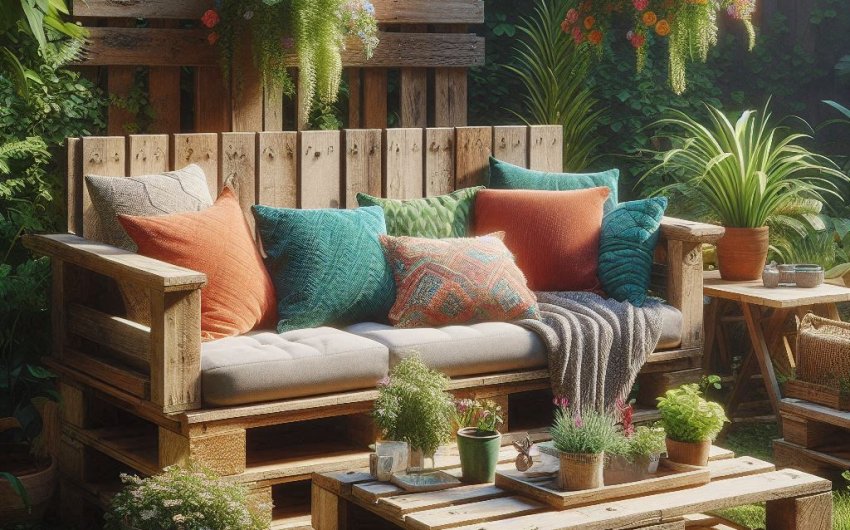
Have you ever looked at old wooden pallets and thought, "There must be something cool I can make with those?" Well, you're in luck! Building DIY pallet garden furniture is a super popular and eco-friendly way to get stylish and comfy outdoor seating without spending a ton of money. It's a fantastic project for anyone who loves to get creative and wants to add a unique touch to their patio, deck, or garden.
This guide will walk you through everything you need to know, from finding the right pallets to finishing your awesome new furniture. Let's dive in and turn some discarded wood into beautiful, functional pieces for your outdoor living space!
Why Should I Choose Pallets for Outdoor Furniture?
Using pallets for your outdoor furniture isn't just a trend; it comes with some really great benefits.
Is It Really Eco-Friendly?
One of the best reasons to use pallets is for the environment.
- Reduces waste: When you use pallets, you're giving new life to materials that might otherwise end up in a landfill. This is called upcycling, and it's a big win for our planet. Instead of new wood being cut down, you're reusing existing resources. This makes your project genuinely sustainable outdoor furniture.
- Low carbon footprint: Producing new furniture requires a lot of energy and resources. By building your own pallet furniture, you're cutting down on the environmental impact of manufacturing and shipping new items. It’s a small step that adds up to a positive change.
- Promotes resourcefulness: DIY pallet projects encourage you to be resourceful and creative with what's available. It’s a great way to think about how we can reuse things instead of always buying new.
Can It Save Me Money?
Absolutely! This is one of the most attractive aspects of pallet furniture.
- Free or low-cost materials: Pallets are often available for free or at a very low cost. Businesses frequently discard them once they've served their purpose. This significantly reduces the material cost compared to buying lumber from a hardware store. Your wallet will thank you!
- Affordable customisation: Once you have the basic structure, adding cushions or paint is much cheaper than buying a complete set of new outdoor lounge furniture. You can get exactly the look you want without the high price tag.
- High value for money: For a relatively small investment in time and effort, you can create durable, stylish pieces that would cost much more to buy retail. This is truly budget-friendly outdoor seating.
Is It Durable and Versatile?
Pallets are designed to be tough, and they're surprisingly flexible for building.
- Sturdy construction: Pallets are built to hold heavy loads, so the wood itself is generally quite strong. Once properly cleaned and assembled, pallet furniture can be very robust and stand up well to outdoor use.
- Modular design: The standard size of pallets makes them easy to stack and combine in different ways. This modular design means you can create a wide variety of furniture pieces – from a simple bench to a large sectional sofa.
- Customisable shapes and sizes: Want a long bench? Stack two pallets side-by-side. Need a small table? Use one. The possibilities are endless. You can truly create custom outdoor furniture that fits your space perfectly.
Where Can I Find Safe Pallets?
This is a very important step! Not all pallets are created equal, especially when you're going to be sitting on them.
What Kind of Pallets Should I Look For?
You need to be picky about your pallets. Health and safety come first!
- Heat-treated (HT) pallets are best: Look for a stamp on the side of the pallet that says "HT". This means the wood has been heat-treated to kill pests, instead of being treated with chemicals. Heat treatment is safe. This is the gold standard for DIY pallet projects. You can often find a good pallet pry bar to help dismantle if needed.
- Avoid chemically treated (MB) pallets: Steer clear of pallets stamped with "MB". This stands for Methyl Bromide, a harmful pesticide. You definitely don't want these chemicals near your family or in your garden.
- Look for clean, dry pallets: Choose pallets that are free from spills, stains, mold, or strong odors. They should look generally clean and dry. Avoid any with signs of rot or major damage.
- Single-use vs. multi-use: Sometimes single-use pallets are cleaner, as they haven't been reused many times for different products. However, as long as a multi-use pallet is HT stamped and clean, it's fine.
Where Can I Get Pallets?
Knowing where to look is key to finding good pallets.
- Local businesses: Many businesses receive goods on pallets and are happy to get rid of them. Try asking at:
- Small retail stores: Think furniture stores, pet supply stores, or garden centers.
- Warehouses and distribution centers: These places often have a steady supply.
- Construction sites: Sometimes they have excess pallets from deliveries.
- Local businesses are generally very cooperative when you ask politely. It’s always best to call ahead and ask before just showing up.
- Craigslist or Facebook Marketplace: People often post free pallets for pickup in the "free" section. This can be a great way to find them, but still check for the "HT" stamp and overall condition.
- Lumber yards or recycling centers: Some places might sell them for a small fee, which can still be much cheaper than new wood.
- Word of mouth: Let friends and family know you're looking. Someone might know a business that's always giving them away.
What Tools and Materials Do I Need?
Having the right tools makes the job much easier and safer.
Essential Tools for Pallet Projects
You don't need a huge workshop, but these will be very helpful.
- Pry bar or pallet buster: To separate the wooden planks from the pallet stringers (the thicker pieces that run perpendicular). A pallet buster tool makes this much easier.
- Hammer: For general nailing and prying.
- Drill/driver: For pre-drilling holes and driving screws. A good cordless drill is invaluable.
- Screws: Outdoor-grade screws are a must. They are coated to resist rust and corrosion, which is crucial for outdoor furniture. Choose screws long enough to go through at least two pieces of pallet wood securely.
- Saw: A circular saw or jigsaw will make cutting pallets to size much quicker. Even a hand saw can work for smaller cuts. You will need a reliable wood saw.
- Sander (orbital or belt sander): This is very important for smoothing rough pallet wood. You don't want splinters! Get an orbital sander for best results.
- Measuring tape: For accurate measurements.
- Pencil or marker: For marking cuts.
- Safety gear: Gloves (to protect from splinters), safety glasses, and a dust mask (especially when sanding). These are not optional!
Materials for Finishing and Comfort
Once you have the structure, these materials will make your furniture look great and feel cozy.
- Exterior wood stain or paint: To protect the wood from the elements and give it the look you want. Choose an outdoor wood stain or exterior paint that is resistant to UV rays and moisture.
- Sealant (optional but recommended): A clear exterior sealant or varnish can add an extra layer of protection and shine.
- Outdoor cushions: These are key for comfort! Look for outdoor cushions made from weather-resistant fabric that can withstand sun and rain. You might need custom sizes or choose standard sizes and adjust your design.
- Outdoor throw pillows: For extra comfort and a pop of color.
- Weed barrier fabric or landscaping fabric: If you're building planters with your pallets, this lines the inside to hold soil.
How Do I Prepare My Pallets?
This is a critical step for both safety and the longevity of your furniture. Don't skip it!
Cleaning Your Pallets
Even "clean" pallets need a good scrub.
- Brush off debris: Use a stiff brush or a broom to remove any loose dirt, dust, spiderwebs, or small stones.
- Wash thoroughly: Mix some mild soap (like dish soap) with water. Use a scrub brush or a pressure washer to clean the pallets. Pay attention to all crevices. If using a pressure washer, be careful not to damage the wood.
- Rinse well: Rinse thoroughly with clean water to remove all soap residue.
- Dry completely: This is super important! Let the pallets dry completely in the sun for several days. Any moisture left in the wood can cause problems later, like warping or mold. This might take longer than you expect.
Dismantling (If Needed)
Some projects use whole pallets, others require you to take them apart.
- Pry carefully: If your design requires individual planks, use a pry bar or pallet buster to carefully separate the top and bottom planks from the stringers. Work slowly to avoid splitting the wood. Sometimes it helps to hit the stringers with a hammer to loosen the nails.
- Remove nails: Once separated, use a claw hammer or pliers to remove all old nails. This is crucial for safety and to prevent damage to your saw blades later. Any remaining metal can cause injury or ruin your project.
Sanding for Safety and Smoothness
This step makes your furniture comfortable and safe to use.
- Rough sanding (optional): If the wood is very rough, start with a coarser sandpaper grit (e.g., 60-grit or 80-grit) to remove major imperfections.
- Fine sanding: Follow up with a finer grit sandpaper (e.g., 120-grit or 150-grit) to smooth the surfaces that will be touched. You want to eliminate all splinters! A random orbital sander will make this process much faster and more effective than hand sanding.
- Focus on exposed areas: Pay extra attention to the edges and surfaces that people will sit on or touch.
What Are Some Popular Pallet Furniture Designs?
Now for the fun part – deciding what to build! Here are some common and relatively easy designs.
Simple Pallet Coffee Table
This is a great beginner project.
- Materials: 1-2 clean, sanded pallets. Optional: 4 furniture casters (wheels), small wooden blocks, glass top.
- Construction:
- Stacking: Simply stack one or two pallets on top of each other. If stacking two, secure them together with outdoor screws.
- Adding wheels (optional): Attach heavy-duty furniture casters to the bottom for easy movement. Make sure to use screws long enough to go into the thickest part of the pallet.
- Glass top (optional): For a smoother surface and a more refined look, get a piece of tempered glass cut to size to fit on top. This makes it easier to clean and use. You can also fill the gaps in the pallet with smaller pieces of wood for a solid top.
- Finishing: Stain or paint to match your desired look.
Easy Pallet Bench or Daybed
This is probably the most popular pallet furniture project.
- Materials: 2-4 clean, sanded pallets (depending on desired height), 1-2 for the base, 1-2 for the backrest. Outdoor screws. Optional: outdoor cushions.
- Construction:
- Base: Stack two pallets on top of each other and secure them firmly with long outdoor screws driven through both pallets. This creates your seating base. For a lower seat, you can use just one pallet.
- Backrest: Stand a third pallet upright at one end of your base. Position it so the flatter side is against the back of your seating area. Secure it very firmly to the base using strong outdoor screws. For a sturdier backrest, you might need to add L-brackets or extra wood braces.
- Armrests (optional): If desired, you can add half-pallets or individual pallet planks vertically at the ends for armrests, securing them well.
- Creating a corner sectional: If you have more space, build two benches and arrange them in an "L" shape. You might need to cut one of the backrests to fit snugly in the corner.
- Finishing:
- Stain or paint the entire structure.
- Add comfortable outdoor bench cushions and throw pillows for ultimate comfort. This turns a simple pallet structure into a luxurious outdoor lounge.
Pallet Planter Box
Combine gardening with seating!
- Materials: 1-2 clean, sanded pallets, outdoor screws, weed barrier fabric or landscaping fabric.
- Construction:
- Dismantle and cut: Carefully dismantle your pallet(s). You will need the long planks for the sides and bottom, and the thicker stringers for the corner supports.
- Frame: Cut the stringers to your desired height for the planter box corners. Assemble a rectangular or square frame using the planks and screws.
- Bottom: Attach planks to the bottom of your frame, leaving small gaps for drainage.
- Lining: Line the inside of your planter box with heavy-duty landscaping fabric, securing it with staples. This prevents soil from falling out and keeps the wood protected.
- Drainage: Poke small holes in the bottom of the fabric for water to drain.
- Finishing: Paint or stain the outside of the planter box. Fill with soil and your favorite plants!
How Do I Finish My Pallet Furniture for Outdoor Use?
Finishing is crucial for both looks and longevity.
Protecting the Wood
This step ensures your furniture lasts a long time outdoors.
- Staining: Choose an exterior wood stain in a color that complements your outdoor space. Stains penetrate the wood and highlight its natural grain while protecting it from UV rays and moisture. Apply with a brush or roller, following the manufacturer's instructions. You may need two coats.
- Painting: If you prefer a solid color, use a high-quality exterior paint. Make sure the paint is suitable for outdoor wood and offers UV protection. You might need to apply a primer first, especially if the pallet wood is very absorbent. This allows for fun colorful outdoor furniture.
- Sealing (optional but recommended): After staining or painting, apply a clear exterior sealant or spar varnish. This adds an extra layer of protection against water, UV damage, and general wear and tear. Look for products designed for marine or deck use, as they are very durable.
Adding Comfort and Style
This is where your furniture truly comes to life!
- Outdoor cushions: This is arguably the most important part for comfort. Measure your pallet dimensions carefully before buying. You might need to buy individual seat and back cushions, or look for custom-made ones. Ensure they are made from weather-resistant fabric like polyester or acrylic, and that they can be easily cleaned. Sunbrella fabric is a popular choice for durable outdoor cushions.
- Throw pillows: Add some colorful outdoor throw pillows for extra lumbar support and a decorative touch. They are also easy to swap out to change your look seasonally.
- Outdoor rugs: Place an outdoor rug under your pallet furniture to define the seating area and add warmth. Choose a rug made from materials like polypropylene that are mold and mildew resistant and easy to clean. A patio rug can really complete the look.
- Lighting: Consider adding string lights, solar lanterns, or small battery-operated table lamps to create a cozy ambiance, especially for evening use.
- Plants and decor: Surround your pallet furniture with potted plants, flowers, or even small herbs to integrate it into your garden. A small outdoor coffee table (maybe another pallet creation!) is perfect for holding drinks or a few decorative items.
What Are Some Important Tips for Success?
Building with pallets can be straightforward, but a few tips can make it even smoother.
Prioritize Safety
Never compromise on safety during your DIY projects.
- Wear safety gear: Always wear gloves to prevent splinters, safety glasses to protect your eyes from flying debris, and a dust mask when sanding to avoid inhaling wood dust.
- Work in a well-ventilated area: Especially when sanding, painting, or staining.
- Be careful with tools: Read instructions for power tools, and always keep your hands clear of blades and moving parts.
Plan Your Design
A little planning goes a long way.
- Sketch it out: Before you start cutting, sketch your desired furniture piece. This helps you visualize the finished product and determine how many pallets or planks you’ll need.
- Measure twice, cut once: This old adage is true for a reason! Accurate measurements save time and materials.
- Consider the pallet dimensions: Standard pallet sizes can vary slightly, so measure your specific pallets before planning cuts. Some designs work best with full pallets, others with individual planks.
Don't Rush the Process
Patience is a virtue, especially in DIY.
- Allow ample drying time: Whether it's after washing or after applying stain/paint, ensure the wood is completely dry between steps. Rushing can lead to mold, uneven finishes, or damaged wood.
- Take breaks: DIY projects can be tiring. Step away, clear your head, and come back refreshed. This helps prevent mistakes and keeps you motivated.
Be Creative and Adaptable
Pallet wood often has character!
- Embrace imperfections: Pallet wood is not always perfect. Minor knots, cracks, or variations in color add to its unique, rustic charm. Don't feel you need to achieve a factory-perfect finish.
- Adapt your design: If you find a pallet with a unique feature, or if a piece of wood splits during dismantling, be flexible. You might be able to incorporate it into your design or adjust your plan slightly.
- Think beyond seating: Once you master the basics, you can build other items like pallet bars, vertical gardens, or even storage units.
Building DIY pallet garden furniture is a rewarding project that combines creativity, environmental consciousness, and practicality. With careful selection of materials, proper preparation, and a bit of effort, you can transform discarded pallets into beautiful, comfortable, and truly unique additions to your eco-friendly outdoor living space. Enjoy your new custom seating!