
Umbrellas: The Essential Shade Solution for Summer Comfort
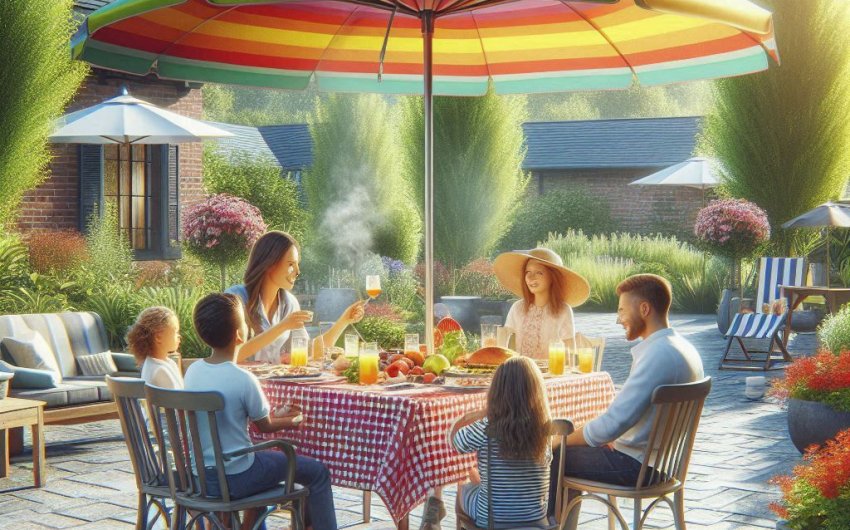
Summer brings warm weather, clear skies, and the perfect opportunity to enjoy time outdoors. Whether you're hosting a backyard barbecue, lounging by the pool, or simply relaxing on your patio, creating a comfortable outdoor space is essential. One of the most practical and stylish ways to enhance your outdoor comfort during the hot summer months is by incorporating an umbrella. Not only do umbrellas provide crucial shade from the sun’s rays, but they also add a touch of elegance and functionality to any outdoor setting.
A well-placed umbrella can transform your patio, deck, or garden into a cool retreat, offering protection from UV rays while allowing you to enjoy the fresh air. In this guide, we will explore the different types of umbrellas, materials, styles, and key features to consider when selecting the perfect shade solution for your outdoor space. Whether you’re looking for a sleek and modern design or a large, functional canopy, the right umbrella can elevate your summer experience.
Types of Outdoor Umbrellas
Choosing the right umbrella for your outdoor space can be overwhelming given the variety of options available. The best umbrella for you will depend on the size of your outdoor area, your personal style, and how you plan to use it. Below, we’ll explore the different types of outdoor umbrellas, each offering unique features and benefits.
1. Market Umbrellas
Market umbrellas are the most common and versatile type of outdoor umbrella. These umbrellas feature a straight pole that can be easily inserted into the center of a patio table or a stand, making them perfect for providing shade to outdoor dining areas, lounge spaces, and poolside seating. Market umbrellas come in a variety of sizes, typically ranging from 6 to 11 feet in diameter, ensuring that you can find the right size for your space.
These umbrellas are characterized by their sturdy design and durability. They often feature wooden or aluminum poles, with a variety of fabric options for the canopy. Market umbrellas are great for creating a centralized source of shade, making them ideal for outdoor meals or group gatherings.
Explore different sizes and designs of market umbrellas to find the right fit for your patio or deck.
2. Cantilever Umbrellas
Cantilever umbrellas, also known as offset umbrellas, provide a more flexible shading solution. Instead of a center pole, these umbrellas feature an arm that supports the canopy from the side, allowing the umbrella to be positioned over seating areas without obstructing the view or crowding the space with a central pole. This makes them perfect for shading large seating areas, outdoor sectionals, or dining tables.
Cantilever umbrellas offer more versatility in terms of positioning and rotation. Many models come with adjustable tilt mechanisms and can be rotated 360 degrees to provide optimal shade throughout the day. These umbrellas tend to be larger and more stable than market umbrellas, making them suitable for expansive outdoor spaces.
Check out some stylish and functional cantilever umbrellas for flexible shading in your backyard or poolside area.
3. Half Umbrellas
For smaller spaces such as balconies, narrow patios, or against walls, a half umbrella is an ideal solution. As the name suggests, a half umbrella features a flat back, allowing it to be placed flush against a wall while still providing shade. These umbrellas are perfect for urban living or outdoor spaces where space is limited, as they take up less room than full-sized umbrellas but still offer effective shade coverage.
Half umbrellas are often used in conjunction with balcony furniture or bistro tables, creating a cozy, shaded retreat without sacrificing space. Despite their compact size, they come in a variety of designs and colors to match your outdoor aesthetic.
Explore some space-saving half umbrellas for balconies or small outdoor spaces.
4. Tilting Umbrellas
Tilting umbrellas are designed with an adjustable canopy that can be tilted at various angles to block the sun as it moves throughout the day. This feature makes tilting umbrellas ideal for outdoor areas where the position of the sun changes frequently, such as poolside decks, garden seating areas, or patios that receive direct sunlight during certain times of the day.
The ability to tilt the umbrella provides maximum flexibility in terms of shading and ensures that you can stay cool and comfortable, no matter where the sun is positioned. Tilting umbrellas typically feature an easy-to-use crank mechanism for adjusting the angle of the canopy.
Check out a range of tilting umbrellas for dynamic and adjustable shade in your outdoor space.
5. Palapa and Thatched Umbrellas
For a tropical or beach-inspired aesthetic, palapa umbrellas or thatched umbrellas are the perfect choice. These umbrellas are designed with a thatched roof made from natural or synthetic materials, mimicking the look of tropical huts found in exotic resorts. Palapa umbrellas bring a unique, island vibe to your backyard or poolside area, making them ideal for those who love to create a themed outdoor space.
While traditionally used for beach settings, palapa and thatched umbrellas can be incorporated into any outdoor space to give it a relaxed, vacation-like atmosphere. They are often used to provide shade over lounge chairs, tiki bars, or outdoor dining areas.
Explore thatched umbrellas to bring a tropical touch to your backyard or pool area.
Key Features to Consider When Buying an Outdoor Umbrella
When shopping for an umbrella to enhance your outdoor space, there are several important features to consider. The right umbrella should not only provide effective shade but also be durable, easy to use, and aesthetically pleasing. Let’s take a closer look at some of the key factors to consider when selecting the perfect umbrella.
1. Size and Coverage
The size of your umbrella is one of the most important factors to consider. The diameter of the canopy determines how much shade the umbrella will provide. To ensure that your umbrella offers sufficient coverage, it should be larger than the area you're trying to shade. For example, if you're shading a patio table, the umbrella should extend 2 to 3 feet beyond the edges of the table.
Common umbrella sizes range from 6 feet to over 11 feet in diameter, with larger umbrellas providing shade for outdoor dining tables or seating areas. Be sure to measure your outdoor space and furniture to determine the appropriate size.
Explore different umbrella sizes to find the best fit for your patio or garden.
2. Materials and Fabric
The material of the umbrella canopy plays a significant role in its durability and UV protection. High-quality outdoor umbrellas are typically made with weather-resistant fabrics such as Sunbrella, Olefin, or polyester. These materials are designed to resist fading, mold, and mildew while providing strong UV protection.
- Sunbrella fabric is known for its exceptional durability and resistance to sun damage. It offers excellent fade resistance and is available in a wide range of colors and patterns.
- Olefin fabric is another popular option for outdoor umbrellas, offering a combination of UV resistance, moisture resistance, and affordability.
- Polyester is a more budget-friendly option that provides decent UV protection but may not be as long-lasting as premium fabrics.
In addition to the canopy material, consider the pole and frame materials. Aluminum poles are lightweight, rust-resistant, and ideal for outdoor use, while wooden poles offer a classic, elegant look but may require more maintenance over time.
Explore a variety of outdoor umbrella fabrics to find the perfect combination of style and durability.
3. UV Protection
One of the primary purposes of an outdoor umbrella is to protect you from the harmful effects of the sun’s UV rays. When shopping for an umbrella, look for canopies that offer UV protection to keep you and your guests safe from prolonged sun exposure. Many high-quality umbrellas come with built-in UV protection, which is measured by the UPF (Ultraviolet Protection Factor) rating. A UPF rating of 30 or higher is recommended for adequate protection.
Umbrellas with higher UPF ratings provide better protection against the sun's harmful rays, reducing the risk of sunburn and heat-related discomfort. This is particularly important for those who spend long hours outdoors or have sensitive skin.
Check out umbrellas with UV protection for peace of mind during sunny summer days.
4. Tilt and Rotation Features
To maximize the shade coverage throughout the day, many outdoor umbrellas come with tilt and rotation features. These allow you to adjust the position of the umbrella canopy to block the sun as it moves across the sky.
Tilting umbrellas are designed with a joint or hinge at the top of the pole, allowing the canopy to be tilted at different angles. This feature is particularly useful in the late afternoon when the sun is lower in the sky.
Cantilever umbrellas often offer 360-degree rotation, enabling you to easily adjust the position of the umbrella without moving the base. These features give you more control over the shade, ensuring that you stay comfortable throughout the day.
Explore tilting umbrellas with adjustable canopies to keep the sun at bay.
5. Crank vs. Pulley Mechanism
Ease of use is an important factor when selecting an outdoor umbrella. Most umbrellas come with either a crank lift or pulley mechanism for opening and closing the canopy. Crank lift umbrellas feature a simple hand-crank that allows you to easily raise and lower the canopy with minimal effort. This mechanism is ideal for those who want a quick and easy way to operate their umbrella.
Pulley umbrellas, on the other hand, use a rope and pulley system to open and close the canopy. While this mechanism is more traditional, it may require a bit more strength and effort compared to crank umbrellas.
Check out crank lift umbrellas for easy, convenient operation.
6. Wind Resistance
If you live in an area prone to high winds, selecting an umbrella that can withstand gusty conditions is essential. Look for umbrellas with vented canopies, which allow wind to pass through the canopy without causing it to tip over. Vented canopies are designed with a small gap at the top that reduces wind resistance, making them more stable in windy environments.
Additionally, heavier bases are important for keeping your umbrella anchored in place. Cantilever umbrellas typically require larger, heavier bases for stability, while market umbrellas can be secured with a standard umbrella stand or weighted base.
Explore a variety of wind-resistant umbrellas to ensure your umbrella stays upright during windy days.
7. Design and Aesthetic
The design of your umbrella should complement your outdoor space and enhance its overall aesthetic. Outdoor umbrellas come in a wide range of colors, patterns, and styles, allowing you to choose a design that matches your existing furniture and décor. Neutral colors such as beige, gray, or navy provide a timeless look, while bold colors like red, yellow, or turquoise can add a pop of personality to your patio.
Some umbrellas also feature decorative elements such as fringe, scalloped edges, or striped patterns, giving them a more unique and stylish appearance. Whether you prefer a classic, modern, or tropical look, there’s an umbrella design to suit every taste.
Browse a variety of stylish umbrellas to find the perfect match for your outdoor décor.
Accessories for Outdoor Umbrellas
In addition to choosing the right umbrella, there are several accessories that can enhance its functionality and longevity. These accessories can help protect your umbrella, provide added stability, and improve its usability throughout the summer months.
1. Umbrella Bases and Stands
A sturdy umbrella base or stand is essential for keeping your umbrella stable and secure. The size and weight of the base should correspond to the size of your umbrella. Larger umbrellas, particularly cantilever umbrellas, require heavier bases to prevent them from tipping over in the wind.
Umbrella stands are available in various materials, including cast iron, steel, and resin. Some bases are designed to be filled with water or sand to add extra weight. It's important to select a base that is heavy enough to support the size of your umbrella, especially in areas with windy conditions.
Check out umbrella bases to ensure your umbrella remains stable and secure.
2. Umbrella Covers
To prolong the life of your umbrella, consider investing in an umbrella cover. These covers protect the canopy from sun damage, dust, dirt, and moisture when the umbrella is not in use. A durable, waterproof cover will keep your umbrella looking new for years, reducing the need for frequent cleaning or repairs.
Covers are typically made from weather-resistant materials like polyester or vinyl and come with zippers or drawstrings for easy removal. Using a cover can also prevent fading and deterioration caused by prolonged exposure to UV rays.
Explore some umbrella covers to keep your umbrella protected and in great condition.
3. Umbrella Lights
Enhance your outdoor evening ambiance with umbrella lights. These lights can be attached to the ribs of your umbrella canopy to provide a soft, ambient glow that’s perfect for nighttime dining or lounging. LED lights are a popular option as they are energy-efficient and provide long-lasting illumination.
Some umbrella lights are solar-powered, eliminating the need for wiring or electrical outlets. Solar lights collect energy during the day and automatically illuminate your outdoor space when the sun sets. These lights are ideal for creating a cozy, inviting atmosphere in your backyard or patio.
Check out umbrella lights to brighten your outdoor evenings with style.