
Exaco BioStar 1500 Premium Cold Frame Gardening Tool - Clear, 1-Pack
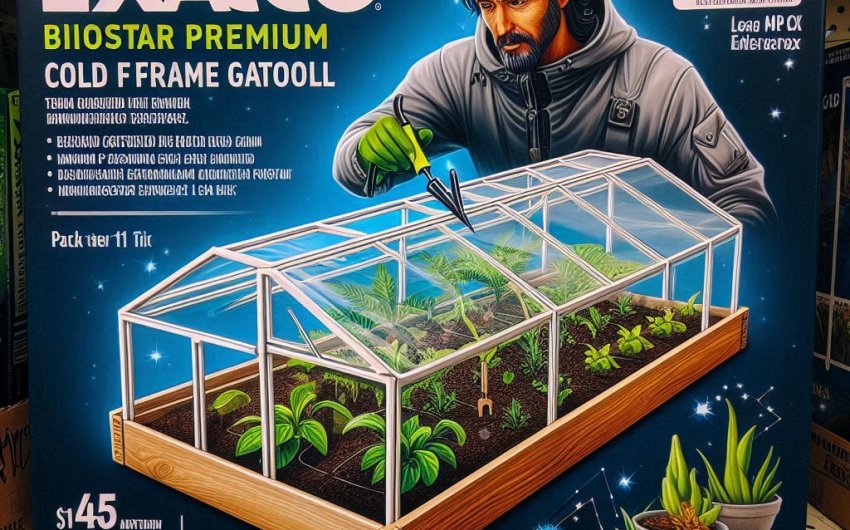
Every gardener dreams of extending their growing season. Imagine harvesting fresh greens in early spring, or keeping tender plants safe through a surprise late frost. This is where a cold frame becomes an incredibly valuable gardening tool. And when it comes to quality and performance, the Exaco BioStar 1500 Premium Cold Frame stands out. This isn't just a simple box; it's a well-engineered piece of equipment designed to give your plants the best possible start and protection, no matter what the weather throws at them. Let's explore why this particular cold frame is a game-changer for many home gardeners.
What Exactly is a Cold Frame and Why Do I Need One?
Before diving into the specifics of the Exaco BioStar 1500, let's clarify what a cold frame is and its purpose in the garden.
What is a Cold Frame?
A cold frame is essentially a mini-greenhouse, usually a bottomless box with a transparent lid, placed over plants in the garden. It uses the sun's energy to warm the soil and the air inside, creating a microclimate that is warmer than the outside environment. The lid can be opened or closed to control temperature and ventilation. They are typically lower to the ground than a full-sized greenhouse and are often used directly over a garden bed.
How Does a Cold Frame Work?
The principle behind a cold frame is simple:
- Solar Heating: The clear lid allows sunlight to enter, warming the air and soil inside, much like a car parked in the sun. This is called the "greenhouse effect."
- Heat Retention: The sides of the cold frame (usually made of plastic, wood, or metal) trap this heat, protecting plants from cold air and wind.
- Insulation: The enclosed space provides a layer of insulation against outside temperatures.
Why is a Cold Frame So Useful for Gardeners?
A cold frame offers a range of benefits that can significantly improve your gardening success:
- Extend the Growing Season: This is one of the primary reasons. You can start seeds earlier in spring, transplant seedlings outdoors sooner, and continue harvesting cold-hardy crops later into the fall or even winter.
- Harden Off Seedlings: "Hardening off" is the process of gradually exposing seedlings (started indoors) to outdoor conditions before planting them permanently. A cold frame provides a gentle transition, protecting tender plants from sudden changes in temperature, wind, and direct sun.
- Protect Tender Plants: It offers shelter from unexpected late spring frosts, early fall freezes, strong winds, and heavy rain or hail.
- Overwintering: Some plants that are marginally hardy in your zone (meaning they might survive winter with a little help) can be successfully overwintered in a cold frame. This includes certain herbs or perennial flowers.
- Grow Cold-Hardy Crops: You can grow vegetables like lettuce, spinach, kale, and other greens through cooler months, even under a layer of snow in some climates.
- Pest Protection: The enclosed nature can offer some protection from certain pests or animals that might otherwise munch on your young plants.
- Space-Saving: A cold frame takes up less space and is more affordable than a full-sized greenhouse, making it perfect for smaller gardens or those with limited budgets.
What Makes the Exaco BioStar 1500 a Premium Choice?
There are many cold frames on the market, but the Exaco BioStar 1500 consistently receives high praise for its quality, durability, and thoughtful design features. It's built to last and perform.
What Materials is it Made From?
The Exaco BioStar 1500 uses high-quality materials designed for longevity and performance:
- 8mm Polycarbonate Panels: This is a key feature. Instead of thin glass or flimsy plastic, the BioStar 1500 uses 8mm thick polycarbonate panels. Polycarbonate is a strong, lightweight, and durable plastic that looks clear like glass but is much more resistant to shattering. The 8mm thickness provides excellent insulation, which is crucial for maintaining stable temperatures inside the frame. It also filters out harmful UV rays while still allowing beneficial light to reach plants. These panels are also UV-treated to prevent yellowing over time.
- Aluminum Frame: The frame is made from rust-proof aluminum. Aluminum is lightweight, strong, and will not corrode, ensuring the cold frame lasts for many years even with constant exposure to moisture. This is a significant upgrade over wood or cheaper plastic frames that can rot or become brittle.
What are its Key Design Features?
The Exaco BioStar 1500 is packed with features that make it user-friendly and effective:
- Automatic Vent Openers: This is a standout feature for lazy (or busy!) gardeners. The BioStar 1500 includes automatic vent openers that work using a special wax cylinder. As the temperature inside the cold frame rises, the wax expands, pushing a piston that opens the lid. As the temperature drops, the wax contracts, closing the lid. This means your plants get proper ventilation on hot days and stay warm on cool nights, all without you having to be there to manually open and close it. This prevents overheating on sunny days and protects plants from sudden cold snaps.
- Hinged, Lockable Lids: The lids are hinged for easy access to your plants. They can also be secured in a partially open position or fully closed. The design allows for precise control over airflow when manual adjustment is desired, or when hardening off seedlings.
- Ground Anchoring System: The BioStar 1500 typically comes with a system to anchor it securely to the ground. This prevents it from being blown away by strong winds, which is especially important given its lightweight yet sturdy construction.
- Modular Design: While this specific product is a "1-pack" referring to a single unit, many BioStar models are modular, meaning you can connect multiple units together to create a longer cold frame as your needs grow. This offers flexibility for future expansion.
- Generous Size: The "1500" in its name often refers to its approximate length in millimeters (1.5 meters or about 5 feet), making it a good size for several rows of plants or a substantial number of seedlings. Exact dimensions can be found on the product page.
How to Set Up and Place Your Exaco BioStar 1500 Cold Frame?
Proper setup and placement are crucial for your cold frame to work effectively and benefit your plants.
Where is the Best Location for a Cold Frame?
Choosing the right spot is critical for maximizing the sun's warmth.
- Sunny Spot: The ideal location for a cold frame is a sheltered spot that receives full sun for most of the day (at least 6-8 hours). The more sun it gets, the warmer it will be inside.
- South-Facing Orientation: If possible, orient the cold frame so that its hinged lid faces south. This allows it to capture the maximum amount of sunlight throughout the day.
- Shelter from Wind: Strong winds can rapidly cool down the cold frame and stress plants. Place it near a wall, fence, or hedge that can provide a windbreak. This will help maintain warmer, more stable temperatures inside.
- Good Drainage: Ensure the area under the cold frame has good drainage to prevent waterlogging around your plants' roots.
What Type of Base Do You Need?
The Exaco BioStar 1500 is a bottomless unit, designed to sit directly on the ground.
- Garden Bed: It's often placed directly over an existing raised garden bed or an in-ground garden plot. This allows the plants to root directly into the garden soil.
- Soil Preparation: Ensure the soil inside is well-drained and enriched with compost before planting.
- Level Surface: Make sure the ground where you place the cold frame is relatively level to ensure the frame sits squarely and the lids close properly, preventing heat loss.
How to Assemble the Exaco BioStar 1500?
While specific instructions come with the product, assembly typically involves:
- Frame Assembly: Connecting the aluminum frame pieces. They are usually designed to fit together easily.
- Panel Insertion: Sliding the polycarbonate panels into the channels of the frame.
- Lid Attachment: Attaching the hinged lids and the automatic vent openers.
- Anchoring: Securing the cold frame to the ground using the provided stakes or anchoring system.
It's a good idea to have a helper for assembly, as some parts can be a bit awkward to hold by yourself. Follow the manufacturer's instructions carefully for the best results.
How to Use Your Exaco BioStar 1500 for Gardening Success?
Once your cold frame is set up, understanding how to manage it will help you get the most out of this valuable gardening tool.
When to Start Seeds in a Cold Frame?
You can start seeds in a cold frame several weeks earlier than you would outdoors, typically 4-6 weeks before your last expected frost date.
- Timing: For example, if your last frost is in mid-May, you might start hardy seeds like lettuce, spinach, radishes, and peas in your cold frame in late March or early April.
- Containers: You can sow seeds directly into the soil within the cold frame or use seed trays or pots placed inside. Seed starting trays with lids can offer even more humidity.
How to Harden Off Seedlings?
This is crucial for seedlings started indoors.
- Gradual Exposure: Place your indoor seedlings inside the cold frame for increasing periods each day over 7-14 days.
- Automatic Vent Openers Help: The automatic vent openers are fantastic here, as they automatically provide ventilation on warmer days, mimicking the gradual outdoor exposure.
- Manual Adjustments: On very cold nights, you might want to add an extra layer of protection (like an old blanket or thermal plant blanket) over the cold frame if temperatures are expected to drop below freezing for tender plants.
What About Ventilation?
Even with automatic vent openers, understanding ventilation is key.
- Prevent Overheating: On very sunny days, especially as spring progresses, temperatures inside a cold frame can quickly soar. The automatic vents help, but on exceptionally warm days, you might want to prop the lid fully open during the hottest part of the day to prevent cooking your plants.
- Prevent Fungal Diseases: Good air circulation prevents humidity buildup, which can lead to fungal issues like damping-off in seedlings.
- Watering: Water plants in the morning so the foliage has time to dry before evening.
When to Water Plants in a Cold Frame?
- Check Soil Moisture: Always check the soil moisture levels regularly. The enclosed environment means less evaporation, so you might not need to water as often as outdoor plants.
- Water in Morning: Water in the morning so the plants can absorb moisture throughout the day and excess moisture can evaporate before the cold evening. Avoid watering in the evening during cold weather, as this can encourage fungal growth or even freeze around plant roots.
What Crops Grow Well in a Cold Frame?
- Leafy Greens: Lettuce (especially cold-hardy varieties), spinach, kale, arugula, and Swiss chard thrive in cold frames.
- Root Vegetables: Radishes, carrots (especially early varieties), and spring onions.
- Herbs: Cilantro, parsley, and some perennial herbs like chives can be extended.
- Early Transplants: Cabbage, broccoli, cauliflower, and onions can get an early start before being moved to the main garden.
How to Maintain Your Exaco BioStar 1500 Cold Frame?
Like any gardening tool, a little regular care will ensure your Exaco BioStar 1500 lasts for years and performs at its best.
How to Clean the Panels?
- Regular Cleaning: Over time, dirt, dust, and algae can build up on the polycarbonate panels, reducing light transmission.
- Gentle Cleaning: Use a soft cloth or sponge and mild soapy water to gently clean the panels. Avoid abrasive cleaners or brushes that could scratch the polycarbonate. Rinse thoroughly with clean water.
- Frequency: Clean the panels whenever you notice a significant buildup, or at least a couple of times per season (e.g., once in early spring and again in late fall).
How to Inspect the Frame and Hardware?
- Check for Loose Parts: Periodically inspect the aluminum frame for any loose bolts or screws. Tighten them as needed to maintain stability.
- Automatic Vent Opener: Check the automatic vent opener mechanism. Ensure it moves freely and is clean. Sometimes a bit of dust or debris can impede its movement. Follow the manufacturer's specific care instructions for the opener, which might include occasional lubrication. These vent opener replacement cylinders are available if yours ever needs replacing after many years.
- Anchoring System: Make sure the cold frame remains securely anchored to the ground, especially after strong winds or heavy rain.
When to Store or Prepare for Off-Season?
If you don't plan to use your cold frame year-round, proper storage is important.
- Empty and Clean: At the end of the growing season (or before winter if not overwintering plants), empty the cold frame of any plants or soil. Give it a thorough cleaning.
- Disassemble (Optional): If space is limited, you can carefully disassemble the cold frame and store the panels and frame components in a dry, sheltered location like a shed or garage.
- Protect Panels: If storing assembled, consider covering the polycarbonate panels to protect them from excessive sun exposure during periods of non-use, though they are designed to be UV-resistant. This can extend their lifespan even further.
The Exaco BioStar 1500 Premium Cold Frame is more than just a piece of gardening equipment; it's an investment in your gardening success. With its robust polycarbonate panels, durable aluminum frame, and convenient automatic vent openers, it provides superior protection and extended growing seasons for your plants. By understanding its features and following simple setup and maintenance guidelines, you can enjoy fresh harvests and healthier seedlings, turning your gardening dreams into a vibrant reality.