
How to Fix and Prevent Soil Compaction in Lawns?
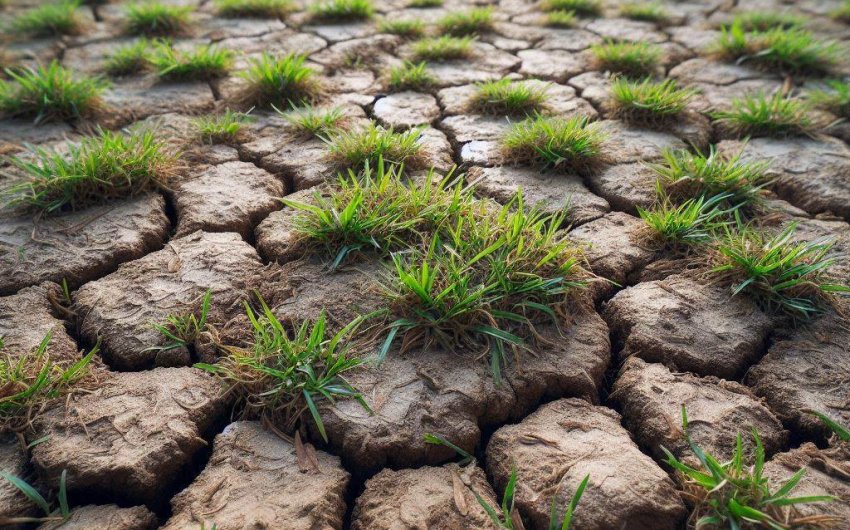
Soil compaction is one of the most common issues that affect lawn health. When soil becomes compacted, it hardens, reducing the flow of water, air, and nutrients to the grass roots. This problem often leads to patchy or thin grass, increased weeds, and poor lawn resilience. Understanding how to fix and prevent soil compaction is essential for maintaining a healthy, lush lawn.
What is Soil Compaction and Why is it a Problem?
Soil compaction occurs when soil particles are pressed together tightly, reducing the space between them. This process decreases pore space, which is essential for holding water, air, and nutrients. Without sufficient pore space, the grass roots cannot absorb what they need to thrive.
Common Causes of Soil Compaction
- Heavy Foot Traffic: Frequent walking, playing, or driving on the lawn compresses the soil.
- Clay Soil: Clay soils are naturally dense and prone to compaction.
- Improper Watering: Overwatering or allowing soil to dry out completely can lead to compaction.
Understanding these causes can help you identify areas in your lawn that are more likely to suffer from soil compaction.
1. Identify Compacted Areas in Your Lawn
The first step in fixing soil compaction is identifying where it's happening. Not all parts of your lawn may be compacted, so it’s important to locate specific problem areas.
- Visual Cues: Look for areas with sparse or patchy grass, bare spots, or excess moss growth.
- Soil Test: Try sticking a garden fork or screwdriver into the soil. If it's difficult to penetrate, the soil is likely compacted.
Using a soil tester can help you assess the level of compaction by measuring the soil's hardness and density.
2. Aerate Your Lawn to Alleviate Compaction
Aeration is one of the best ways to fix compacted soil. Aerating the lawn helps loosen the soil, allowing water, air, and nutrients to reach the roots. There are two main types of aeration methods: core aeration and spike aeration.
- Core Aeration: A core aerator removes small plugs of soil, creating holes that help relieve compaction.
- Spike Aeration: A spike aerator pokes holes in the soil without removing plugs, although it’s less effective than core aeration.
Using a manual core aerator allows you to easily aerate small to medium lawns, providing relief for compacted areas.
3. Timing Your Aeration for Best Results
When you aerate your lawn is just as important as the method you use. Aerating at the wrong time can stress the grass and limit results.
- Cool-Season Grasses: Aerate in early spring or early fall when the grass is actively growing.
- Warm-Season Grasses: Aerate in late spring or early summer.
Using a lawn care calendar can help you track the best aeration times based on the type of grass in your lawn.
4. Water Correctly to Avoid Compaction
Proper watering practices can help reduce compaction. Overwatering or watering at the wrong times can lead to soggy soil, which increases the risk of compaction.
- Watering Frequency: Water deeply but infrequently, encouraging grass roots to grow deeper.
- Timing: Early morning watering is best, as it allows moisture to penetrate before the sun evaporates it.
Using a sprinkler timer can help you manage watering schedules, reducing the likelihood of compaction due to excessive moisture.
5. Add Organic Matter to Improve Soil Structure
Adding organic matter to your lawn can help break up compacted soil by improving its texture and structure. Organic matter encourages microbial activity, which loosens soil and prevents future compaction.
- Compost: Spread a thin layer of compost over your lawn to increase soil aeration and nutrient availability.
- Topdressing: Apply a mixture of compost, sand, and soil as a topdressing to compacted areas to enhance soil health.
Using organic compost helps enrich the soil, making it more resistant to compaction.
6. Limit Foot Traffic and Heavy Machinery on the Lawn
Heavy traffic on the lawn is a primary cause of soil compaction. Limiting foot traffic and heavy equipment use can help prevent compaction from occurring.
- Designate Pathways: Create paths or stepping stone areas for frequently traveled spots to reduce pressure on the lawn.
- Redirect Traffic: If certain parts of the lawn experience high traffic, consider directing it to more resilient areas.
Using garden stepping stones can provide a pathway that minimizes direct pressure on your lawn’s soil, helping prevent compaction.
7. Use a Soil Conditioner to Loosen Hard Soil
A soil conditioner is a product designed to break up compacted soil and improve its structure. Soil conditioners add nutrients and minerals that help the soil retain moisture while allowing roots to grow more easily.
- Application: Spread the conditioner evenly over compacted areas and water it in to help it penetrate the soil.
- Frequency: Use soil conditioner once or twice a year to maintain healthy soil structure.
Applying a liquid soil conditioner helps improve soil texture, making it easier for roots to access nutrients and moisture.
8. Test Soil pH and Correct Imbalances
Soil pH can impact compaction, as certain pH levels can encourage hard soil conditions. Knowing your soil's pH helps you make necessary adjustments.
- Testing: Use a soil pH tester to determine the pH of your soil. Lawn grasses typically thrive in soil with a pH between 6.0 and 7.0.
- Adjusting pH: If the pH is too low (acidic), add lime to raise it. If too high (alkaline), add sulfur.
Using a soil pH tester makes it easy to monitor pH levels, allowing you to maintain an ideal range for grass growth.
9. Overseed Compacted Areas to Improve Density
Overseeding helps strengthen weak or thin areas of grass that are affected by compaction. Increasing grass density can also make it more difficult for weeds to take hold.
- Choose the Right Seed: Use a high-quality grass seed suited to your soil and climate.
- Timing: Overseed in early fall for cool-season grasses and late spring for warm-season grasses.
Using a grass seed spreader allows you to distribute seeds evenly across the lawn, promoting uniform growth in compacted areas.
10. Mulch to Protect Bare Soil Areas
If parts of your lawn have bare patches, adding mulch can help protect the soil, retain moisture, and reduce further compaction. Mulching is especially helpful in high-traffic areas.
- Apply Lightly: Spread a thin layer of mulch over bare soil, just enough to cover it.
- Organic Mulch: Use organic materials like shredded bark or wood chips for best results.
Using organic mulch can protect soil surfaces, keeping them from compacting and maintaining moisture levels.
11. Install Drainage Solutions for Waterlogged Lawns
Poor drainage can lead to soil compaction as waterlogged soil compresses over time. Installing a drainage system can help manage excess water and keep the soil from becoming hard.
- French Drains: French drains are underground pipes that redirect water away from compacted areas.
- Dry Wells: Install dry wells to allow excess water to collect and gradually soak into the ground.
Using a drainage pipe kit can help you create an effective system to control water accumulation in the lawn, preventing soil from compacting due to moisture buildup.
12. Introduce Earthworms for Natural Aeration
Earthworms are excellent for soil health. They naturally aerate the soil by tunneling, breaking up compacted areas, and adding organic matter as they go.
- Encourage Earthworms: Reduce pesticide use and add organic compost to attract earthworms.
- Benefits: Earthworms improve drainage, reduce compaction, and add nutrients to the soil.
Adding worm castings as a soil amendment can help draw earthworms to your lawn, promoting natural aeration and reducing compaction.
13. Avoid Excessive Fertilizer
Over-fertilizing can cause grass to grow quickly and densely, which may lead to compaction over time. Applying fertilizer sparingly can help keep the soil loose and breathable.
- Balanced Fertilizer: Use a balanced fertilizer to avoid excessive nitrogen, which can lead to thick, heavy growth.
- Application Timing: Fertilize twice a year, ideally in spring and fall.
Using a slow-release lawn fertilizer provides nutrients gradually, avoiding rapid growth that can contribute to compaction.
14. Avoid Mowing Too Low
Mowing too low can stress grass and encourage thatch buildup, which can lead to compaction. Maintaining a higher grass height promotes healthier root systems and reduces the risk of soil compaction.
- Mowing Height: Set your mower to a height of 3 to 4 inches for most grass types.
- Sharp Blades: Always mow with sharp blades to ensure clean cuts that encourage healthy growth.
Using a lawn mower with adjustable height helps you set the right height, preventing damage to the grass and reducing compaction risks.
15. Rotate High-Traffic Areas
If certain areas of your lawn experience high traffic, rotating the activity can prevent these spots from becoming compacted over time.
- Change Paths Regularly: Encourage family members to vary walking paths on the lawn.
- Use Designated Areas: Create designated play or sitting areas to avoid overuse in other parts of the lawn.
Using outdoor stepping stones can help direct traffic, keeping foot pressure off the lawn and reducing compaction.
16. Topdress with Sand or Compost for Better Drainage
Topdressing involves adding a thin layer of sand or compost over the lawn, which can help improve drainage and soil structure. Sand, in particular, helps break up clay soil, making it less prone to compaction.
- Application: Spread ¼ to ½ inch of sand or compost evenly over the lawn.
- Benefits: Topdressing aids in drainage, root growth, and overall soil health.
Using a topdressing spreader ensures an even application of sand or compost, helping to prevent compaction and improve lawn health.
17. Reduce Thatch Buildup
Thatch, a layer of dead grass, can create a barrier on the soil surface, leading to compaction. Regularly removing thatch keeps the soil accessible to air, water, and nutrients.
- Dethatching Rake: Use a dethatching rake or a power dethatcher to remove excessive thatch.
- Frequency: Dethatch once a year, typically in early fall or spring.
Using a dethatching rake helps remove thatch effectively, keeping soil loose and reducing compaction risks.
18. Maintain a Regular Lawn Care Routine
Regular maintenance prevents soil compaction from occurring in the first place. A consistent routine that includes mowing, watering, aerating, and fertilizing keeps the lawn resilient and helps avoid compaction problems.
- Scheduled Care: Keep a routine schedule for lawn care activities to ensure all aspects of lawn health are addressed.
- Preventative Measures: Incorporate aeration, topdressing, and organic amendments regularly to keep soil loose and breathable.
Using a lawn care planner helps organize your lawn maintenance tasks, ensuring your lawn remains healthy and compaction-free over time.