
How Do I Select Garden Furniture That Complements a Japanese Zen Garden?
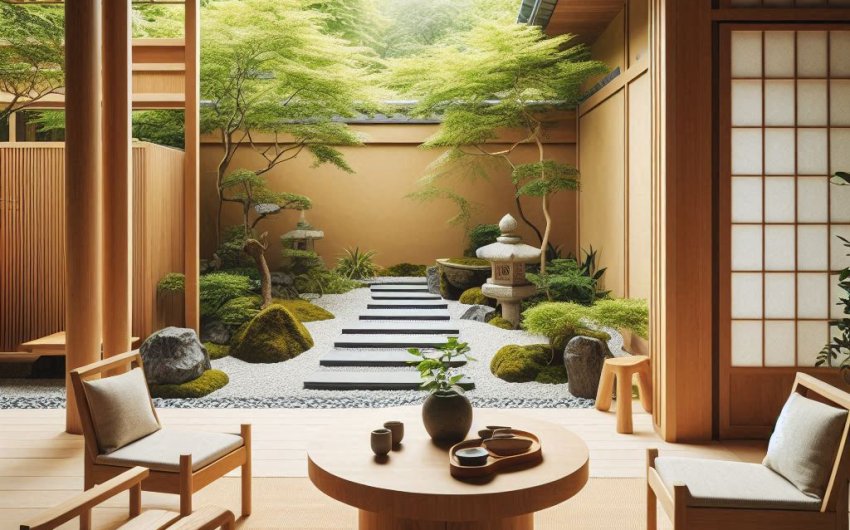
A Japanese Zen garden, also known as a dry landscape garden or karesansui, is a unique and serene outdoor space designed for contemplation, meditation, and quiet reflection. Unlike Western gardens filled with vibrant flowers and sprawling lawns, Zen gardens emphasize simplicity, natural elements, and symbolic representation. Every element, from carefully raked gravel to strategically placed rocks, contributes to a sense of peace and balance.
When you're creating or enhancing such a profound space, simply throwing in any old garden furniture won't do. The wrong piece can disrupt the tranquility and aesthetic harmony of your Zen garden. The key is to select garden furniture that not only offers comfortable seating but also deeply complements the core principles of Japanese garden design. This guide will explore how to choose furniture that enhances, rather than detracts from, your serene Zen oasis.
What Are the Core Principles of Japanese Zen Garden Design?
Before selecting furniture, it's vital to understand the philosophy behind a Zen garden. This will guide all your choices.
1. Simplicity (Kanso)
Less is truly more in a Zen garden.
- Eliminate Clutter: Every element in a Zen garden is carefully chosen and purposefully placed. There's an absence of excessive ornamentation or unnecessary objects. The goal is to create a clean, uncluttered space that encourages mental clarity.
- Focus on Essentials: Simplicity means focusing on natural forms, subtle textures, and the interplay of light and shadow, rather than overwhelming with color or complexity.
- Furniture Connection: Any furniture you choose should be simple in design, without excessive embellishments or loud colors. Its form should be clean and unobtrusive.
2. Naturalness (Shizen)
Embrace the natural world, even if it's arranged by human hands.
- Mimic Nature: Zen gardens aim to replicate natural landscapes (mountains, rivers, islands) using rocks, gravel, and carefully pruned plants. The materials used are primarily natural.
- Irregularity and Asymmetry: Nature is rarely perfectly symmetrical. Zen gardens embrace this with asymmetrical arrangements that feel balanced without being mirror images.
- Furniture Connection: Furniture should be made from natural materials or materials that mimic them (e.g., natural wood, stone, bamboo). Avoid synthetic, overly shiny, or brightly colored plastics.
3. Austerity / Subtlety (Koko)
A quiet beauty that invites contemplation.
- Understated Elegance: This principle refers to a refined austerity, where beauty is found in understatement, ruggedness, and maturity. It's about a deep, quiet elegance rather than overt showiness.
- Aged Beauty: Elements that show the passage of time – weathered stone, aged wood – are highly valued.
- Furniture Connection: Furniture should have a subtle presence. Think muted colors, natural textures, and designs that appear to have a timeless quality, rather than being brand new and flashy.
4. Tranquility (Seijaku)
The ultimate goal of a Zen garden.
- Peace and Calm: The entire design should evoke a sense of deep peace, stillness, and quietude. It's a space for introspection and escape from the chaos of the world.
- Minimal Distraction: Elements that create noise, excessive movement, or sensory overload are avoided.
- Furniture Connection: Furniture should facilitate quiet contemplation. It should be comfortable enough to sit for a while but not so plush or attention-grabbing that it becomes a distraction from the garden itself.
What Materials Best Complement a Japanese Zen Garden?
The materials of your garden furniture are critical to maintaining the natural and understated aesthetic.
1. Natural Wood (Especially Cedar or Teak)
A quintessential material for Japanese garden furniture.
- Aesthetics: Natural wood provides warmth, texture, and a direct connection to nature. The grain and color variations of wood are inherently beautiful and align perfectly with the naturalness principle.
- Durability (if chosen well):
- Cedar: Naturally rot-resistant and aromatic, cedar furniture weathers to a beautiful silvery-gray over time, fitting the aesthetic of aged beauty. It's a relatively lightweight but durable option. You can find cedar garden benches.
- Teak: Considered the gold standard for outdoor wood furniture. It's incredibly durable, weather-resistant, and naturally repels insects due to its high oil content. Like cedar, it weathers to an elegant silver-gray. While more expensive, it's a lifetime investment. A teak garden bench offers superior longevity.
- Considerations:
- Maintenance: While naturally resistant, most wood will benefit from occasional cleaning and optional sealing to preserve its color (though allowing it to gray naturally often complements the Zen aesthetic).
- Splintering: Ensure wood is well-sanded and free of splinters.
2. Natural Stone
For a sense of permanence and connection to earth.
- Aesthetics: Stone is a fundamental element in Zen gardens, symbolizing mountains, islands, or eternal elements. Using stone furniture (like small benches, stools, or even large boulders used for seating) seamlessly integrates with the garden's core components. Its natural variations in color and texture are perfect.
- Durability: Extremely durable, long-lasting, and requires virtually no maintenance. It handles all weather conditions.
- Weight: Very heavy, meaning it's incredibly stable but difficult to move once placed.
- Types: Look for natural, unpolished stones like granite, slate, or basalt. Avoid overly polished or brightly colored stone. A natural stone garden bench can be beautiful.
3. Bamboo
Lightweight, sustainable, and distinctly Asian-inspired.
- Aesthetics: Bamboo inherently brings an Asian aesthetic to the garden. Its natural, light color and distinct segmented structure create a delicate yet sturdy feel.
- Sustainability: Bamboo is a fast-growing, highly sustainable resource, aligning with eco-friendly values.
- Lightweight: Much lighter than wood or stone, making it easy to rearrange or move for storage.
- Considerations:
- Durability: Outdoor bamboo furniture needs to be properly treated and maintained to withstand moisture and prevent mold or rot. It may not last as long as teak or stone if exposed to constant rain.
- Comfort: Can sometimes be less comfortable than wood or cushioned options unless specific designs are chosen. You can find bamboo garden stools.
What Materials to Avoid?
Some materials will clash with the Zen aesthetic.
- Brightly Colored Plastics/Resin: These are too artificial, flashy, and contradict the simplicity and naturalness principles.
- Shiny, Polished Metals (especially chrome or highly reflective steel): They can be distracting, reflect too much light, and don't embody the austere or natural feel. Muted, aged metals (like a dark bronze or weathered iron if rust is managed) might work for very subtle accents, but generally less is more.
- Ornate, Victorian-Style Cast Iron: Too elaborate and distracting, violating the principle of simplicity and austerity.
- Overly Plush or Cushioned Furniture: While comfortable, too much plushness can distract from the garden's natural beauty and the meditative purpose. If cushions are used, they should be simple, natural colors, and easily removable.
What Types of Furniture Pieces Work Best?
The type of furniture should encourage contemplation and quiet enjoyment.
1. Simple Benches
The most common and effective choice.
- Design: Look for simple garden benches with clean lines, minimalist design, and made from natural wood (like cedar or teak) or natural stone.
- Placement: Place a bench in a spot that offers a clear, unobstructed view of a key Zen garden element (e.g., a rock arrangement, a raked gravel pattern) or a peaceful vista. The bench should invite quiet observation.
- Comfort (Subtle): While simplicity is key, ensure the bench is comfortable enough for quiet sitting. You can add a thin, natural-colored cushion for comfort if desired, but it should be easily removable and blend in. A Japanese style garden bench is perfect.
2. Low Tables and Stools
For casual tea ceremonies or quiet moments.
- Design: Opt for low, simple wooden tables or stone stools that allow you to sit closer to the ground, fostering a more intimate connection with the garden.
- Functionality: Ideal for holding a cup of tea, a book, or simply for quiet contemplation.
- Arrangement: Often seen in conjunction with cushions directly on the ground or very low benches.
3. Meditative Seating (Zafu/Zabuton)
For direct meditation.
- Traditional Approach: For those who wish to use the Zen garden specifically for seated meditation, a traditional zafu (round meditation cushion) and zabuton (rectangular mat) can be placed directly on a clean, designated area of the ground or a simple wooden platform.
- Portability: These are easily removed when not in use, maintaining the uncluttered aesthetic. You can find meditation cushions for outdoors.
What Types of Furniture to Avoid?
These will likely disrupt the Zen aesthetic.
- Large, Overstuffed Sofas or Sectionals: Too casual, too dominant, and contradict the simplicity and austerity.
- Dining Sets: A Zen garden is not typically a place for dining. While a small, simple table for tea might work, a full dining set is out of place.
- Playground Equipment: Obvious distraction from a contemplative space.
- Loud, Ornate Pieces: Anything that draws excessive attention to itself rather than blending into the natural environment.
Where Is the Best Placement for Furniture in a Zen Garden?
Strategic placement is as important as the furniture itself.
1. Overlooking the Garden
The most common and effective placement.
- Observation Point: Position furniture at the edge of the Zen garden, facing inward, allowing you to observe the raked gravel, rock arrangements, and other symbolic elements without being in them.
- Clear View: Ensure there are no obstructions between the seating and the main features of the garden. The furniture should provide a vantage point for contemplation.
- Path Access: The furniture should be easily accessible from a stone pathway or stepping stones, maintaining the orderly flow of the garden.
2. At the End of a Path
A destination for quiet reflection.
- Journey and Reward: Place a simple bench or a few stone stools at the end of a winding stone path. This creates a sense of journey and destination, culminating in a tranquil spot for rest and contemplation.
- Secluded Spot: This can create a more secluded, intimate space within a larger garden.
3. Integrated into the Landscape (Subtly)
Make the furniture feel like it belongs.
- Near a Water Feature: If your Zen garden incorporates a small, subtle water feature (like a bamboo water spout – shishi-odoshi), placing seating nearby allows for enjoyment of the sound and visual.
- Under a Japanese Maple: Nestling a simple wooden bench under a graceful Japanese maple tree can create a perfectly harmonious scene, especially when the leaves change color.
- Minimal Impact: The furniture should feel like a natural extension of the garden, not an addition forced upon it.
What Are Other Considerations for a Harmonious Zen Garden?
Beyond furniture, these elements ensure your Zen garden maintains its integrity.
1. Raked Gravel Patterns
The heart of a dry landscape garden.
- Symbolic: The raked patterns in the gravel symbolize water, flowing rivers, or ocean waves.
- Maintenance: Regular raking is part of the meditative practice of maintaining a Zen garden. Ensure your furniture placement doesn't interfere with this process. You'll need a Zen garden rake.
2. Strategic Rock Placement
Every rock has a purpose.
- Symbolic Meaning: Rocks often represent islands, mountains, or other landforms. Their placement is highly symbolic and asymmetrical.
- Focal Points: Larger rocks or rock groupings can act as focal points or anchor points within the garden. Your furniture should be positioned to observe these, not distract from them.
3. Minimal Plantings
Less is more, and intention is key.
- Evergreens: Typically, Zen gardens use evergreen plants that require minimal maintenance, such as carefully pruned Japanese maples, pines, moss, or azaleas. They provide subtle color and texture.
- Restrained Use: Avoid excessive flowers or brightly colored plants that could distract from the subtle beauty of the rocks and gravel.
4. Lighting (Subtle)
Enhance, don't overpower.
- Soft Illumination: If lighting is desired for evening use, it should be very subtle and focus on highlighting key features (like a pathway or a central rock) without being intrusive or overly bright.
- Low-Level Fixtures: Consider low-level path lights or subtle spotlights, often made of dark metal or stone. A Japanese garden lantern (stone or metal) can be a traditional and aesthetic addition.
Selecting garden furniture that complements a Japanese Zen garden is a thoughtful process that requires a deep appreciation for the principles of simplicity, naturalness, austerity, and tranquility. By choosing materials like natural wood, stone, or bamboo, opting for minimalist designs, and placing pieces strategically to enhance contemplation rather than distract, you can create a truly harmonious and serene outdoor space that invites peace and reflection. Your furniture should be a quiet companion to your Zen garden, not its main attraction.