
Garden Lanterns to Light Up the Night
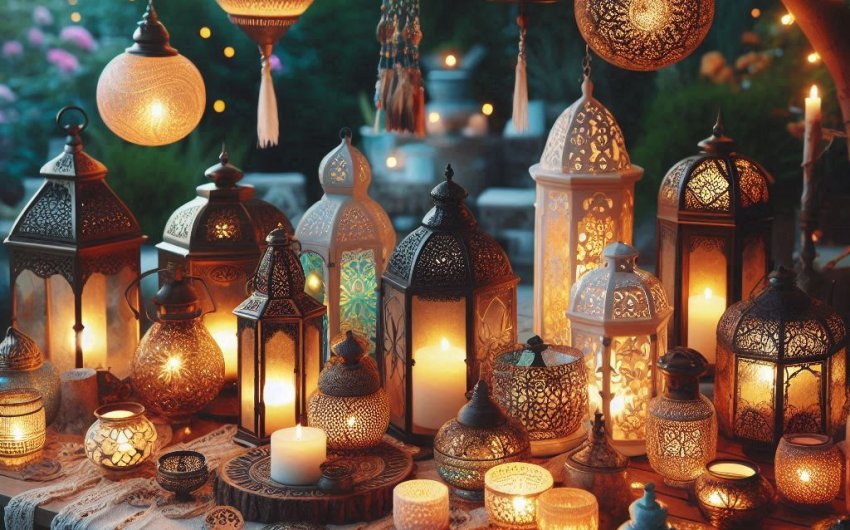
As daylight fades and the stars begin to emerge, your garden can transform from a vibrant daytime retreat into a magical nocturnal wonderland. While string lights cast a broad, festive glow, it's the intimate, enchanting flicker of garden lanterns that truly brings a sense of warmth, elegance, and charm to your outdoor space after dark. These versatile lighting fixtures offer both illumination and decorative artistry, guiding pathways, highlighting features, and creating cozy nooks for relaxation or lively garden gatherings.
Choosing the best garden lanterns involves balancing aesthetic appeal with practical considerations like durability, power source, and light output. You want lanterns that not only complement your garden's design but also reliably provide the light and ambiance you desire for those beautiful evenings. This comprehensive guide will illuminate the various types of garden lanterns, key features to look for, and creative ways to use them, helping you select the perfect pieces to light up your night and elevate every outdoor moment.
Why Garden Lanterns are Essential for Lighting Up the Night?
While overhead lights serve a purpose, garden lanterns offer unique benefits that make them indispensable for creating a truly magical outdoor atmosphere.
1. Create Ambiance and Mood
- Warm, Inviting Glow: Unlike harsh spotlights, lanterns provide a soft, often flickering, warm light that instantly creates a cozy, romantic, and inviting atmosphere. They evoke a sense of calm and intimacy.
- Layered Lighting: They allow you to build layers of light in your garden, adding depth and visual interest beyond overhead illumination. This creates a more sophisticated and dynamic lighting design.
- Highlight Features: Their focused glow can draw attention to specific garden elements like a potted plant, a water feature, or a seating area, making them stand out in the dark.
2. Guide Pathways and Enhance Safety
- Subtle Illumination: Strategically placed lanterns can softly light pathways, steps, or seating areas, guiding guests safely without being overly bright or glaring. They help prevent trips and falls.
- Defined Zones: They can help delineate different zones within your garden, like a dining area or a lounge spot, making the space feel more structured and navigable.
3. Add Decorative Style and Personal Touch
Garden lanterns are beautiful decorative objects even when unlit.
- Daytime Decor: Their design, material, and color contribute to your garden's aesthetic during the day.
- Nighttime Art: When lit, they become glowing works of art, adding personality and charm to your outdoor decor.
- Theming: They can be chosen to match your garden's theme, whether it's rustic, modern, Asian-inspired, or Mediterranean.
4. Versatility and Portability
Many garden lanterns are highly portable, allowing you to easily move them to suit different occasions or seasonal changes.
- Flexible Placement: Place them on tables, hang them from shepherd's hooks or tree branches, line pathways, or group them in corners.
- Easy Rearrangement: Quickly change the lighting scheme for different parties or moods.
5. Eco-Friendly Options Available
With the rise of solar-powered and LED technologies, many garden lanterns offer energy-efficient and environmentally friendly lighting solutions.
What Types of Garden Lanterns Are Best for Lighting Up the Night?
Garden lanterns come in a wide array of styles, power sources, and materials. Understanding these options will help you choose the best ones for your specific needs.
1. Solar-Powered Lanterns: Eco-Friendly and Cordless
These are perhaps the most popular type for general garden use due to their convenience.
- How They Work: A small solar panel on the lantern charges a rechargeable battery during the day. An internal sensor automatically turns the LED light on at dusk and off at dawn.
- Pros:
- Eco-Friendly: Use renewable solar energy, zero electricity cost.
- Cordless: No wires, no outlets needed, allowing for ultimate placement flexibility anywhere in the garden.
- Automated: Turn on and off automatically.
- Safe: No open flames or heat.
- Styles: Available in a vast range of styles, from decorative hanging lanterns to path lights.
- Cons:
- Brightness Depends on Sun: Light output and duration depend directly on how much direct sunlight the panel receives during the day. Shady spots may result in dim or short-lived light.
- Less Bright: Generally less bright than wired or battery-operated options; best for ambient or accent lighting rather than strong illumination.
- Battery Lifespan: Rechargeable batteries will eventually need replacing (typically every 1-3 years).
- Best For: Ambient pathway lighting, accentuating garden features, hanging from trees, defining seating areas with a gentle glow, especially where no power outlets exist.
- Keyword Optimization: Solar garden lanterns outdoor, eco friendly outdoor lighting.
2. Battery-Operated LED Lanterns: Versatile and Portable
These offer great flexibility for specific events or areas without power.
- How They Work: Powered by standard AA, AAA, or D batteries. Often use LED bulbs. Some have timers or remote controls.
- Pros:
- Ultimate Portability: Can be placed literally anywhere – on tables, hung from temporary hooks, carried by hand.
- Consistent Brightness: Provide consistent light output as long as batteries have charge.
- Safe: No open flame, cool to the touch.
- Immediate Use: Ready to go as soon as batteries are inserted.
- Cons:
- Battery Replacement: Requires regular battery replacement or recharging, which can be an ongoing cost and effort.
- Less Eco-Friendly: Depends on disposal of batteries.
- Best For: Tabletop centerpieces, temporary event lighting, lighting in very dark corners or nooks, adding instant ambiance without commitment.
- Keyword Optimization: Battery operated outdoor lanterns, LED decorative garden lights.
3. Flameless Candle Lanterns: Safe and Realistic Flicker
These use LED candles inside traditional lantern housings, mimicking real flames.
- How They Work: Often battery-operated. The LED "flame" flickers realistically.
- Pros:
- Ultimate Safety: No real flame, no heat, no fire risk. Safe around children, pets, and flammable materials.
- Weatherproof: Many are fully waterproof and can be left out in any weather.
- Realistic Ambiance: Provide a comforting, flickering light without the hassle or danger of real candles.
- Long Battery Life: LED candles are very energy efficient.
- Cons:
- No Heat: Don't provide any warmth.
- Not the "Real Thing": Some prefer the authentic flame of a real candle or fire.
- Best For: Tabletop decor, lining steps, hanging where real flames are unsafe, continuous ambiance.
- Keyword Optimization: Flameless candle lanterns outdoor, LED outdoor lanterns.
4. Real Candle Lanterns: Classic and Romantic
For undeniable romance and authentic warmth.
- How They Work: Hold wax candles (pillar candles, votives, tea lights).
- Pros:
- Authentic Flame: Provide a true, warm, flickering light with subtle heat.
- Romantic Ambiance: Unmatched for creating a classic, intimate, and traditional atmosphere.
- Fragrance (with scented candles): Can add a lovely aroma.
- Cons:
- Fire Hazard: Require constant vigilance, especially in windy conditions or around children/pets.
- Wax Drip: Can get messy with wax.
- Shorter Burn Time: Candles need frequent replacement.
- Not for Unattended Use: Must be extinguished and removed when not supervised.
- Best For: Special occasions, intimate dinners, short gatherings where fire safety can be strictly maintained.
- Keyword Optimization: Outdoor candle lanterns metal, decorative garden candle holders.
5. Citronella Lanterns: Functional and Fragrant
These combine light with insect deterrence.
- How They Work: Burn citronella oil (in a torch or candle form).
- Pros:
- Insect Repellent: Citronella is known to help deter mosquitoes and other biting insects.
- Light and Aroma: Provides light and a pleasant, fresh aroma.
- Cons:
- Smoke: Can produce some smoke.
- Fire Hazard: Like regular candles, requires careful supervision.
- Effectiveness Varies: Effectiveness against insects can vary depending on wind and insect density.
- Best For: Areas where mosquitoes are a problem; combining light with pest control.
- Keyword Optimization: Citronella outdoor lantern, mosquito repellent lantern.
Key Features to Look for When Buying Garden Lanterns
To ensure your garden lanterns provide optimal light up the night performance and complement your garden's design, consider these crucial features:
1. Material and Durability
The material dictates longevity, weather resistance, and aesthetic.
- Metal (Steel, Aluminum, Copper, Wrought Iron):
- Pros: Strong, durable, offers various styles from modern to traditional. Steel is often powder-coated for rust resistance. Copper develops a beautiful patina.
- Cons: Some metals can rust if not properly treated or maintained.
- Keyword Optimization: Metal outdoor lanterns, rust resistant garden lanterns.
- Wood (Treated or Cedar/Teak):
- Pros: Natural, warm, rustic aesthetic.
- Cons: Requires sealing or regular oiling to resist rot and weathering. Not suitable for very wet or constantly exposed areas unless specifically designed.
- Glass Panels:
- Pros: Protects internal light source, allows light to shine through clearly.
- Cons: Can break, requires careful handling. Look for tempered glass for added durability.
- Plastic (High-Quality ABS/UV-Resistant):
- Pros: Lightweight, affordable, shatterproof, completely waterproof.
- Cons: Can sometimes look less high-end than metal or glass, may degrade over time with cheap materials. Look for UV-resistant plastic.
- Bamboo/Rattan (Natural Woven - for Covered Areas):
- Pros: Beautiful, bohemian, natural aesthetic.
- Cons: Not weather-resistant. Only suitable for covered patios, porches, or for bringing indoors during bad weather. Prone to mildew and rot if left exposed.
- Keyword Optimization: Woven outdoor lantern covered patio.
2. Light Source: LED, Solar LED, or Candle
- LED: Energy-efficient, long-lasting, cool to the touch, often with various color temperatures (warm white is usually preferred for ambiance).
- Solar LED: Convenience of no wires, but brightness depends on sun.
- Candle: Authentic flame, but requires vigilance and replacement. Consider LED flameless candles for safety.
3. IP Rating (Ingress Protection)
Similar to string lights, an IP rating indicates how well the lantern is protected against dust and water.
- IP44: Good for general outdoor use, protected from splashing water from any direction.
- IP65: Protected from dust and low-pressure water jets.
- IP67/68: Submersible (usually overkill for lanterns, but indicates high protection).
- Aim for at least IP44 for reliable outdoor use.
4. Size and Scale
- Proportion: Choose lanterns that are proportionate to your space and where they will be placed. A single large lantern can be a statement piece; a cluster of smaller ones creates a twinkling effect.
- Versatility: Consider if you need lanterns of varying sizes for different uses (large ones for ground, medium for tables, small for hanging).
5. Hanging vs. Freestanding Design
- Handles/Hooks: Look for sturdy handles or integrated hooks if you plan to hang them from trees, shepherd's hooks, or pergolas.
- Stable Base: For freestanding lanterns, ensure they have a wide, stable base that won't easily tip over in a breeze.
6. Timer and Remote Features (for LED/Battery)
- Built-in Timer: Many LED lanterns offer a built-in timer (e.g., 6 hours on, 18 hours off), providing convenient, automatic illumination.
- Remote Control: Some come with a remote for easy on/off and mode changes (e.g., flicker mode).
Creative Ways to Use Garden Lanterns for Your Nighttime Oasis
Once you have your garden lanterns, unleash your creativity to light up the night!
1. Pathway Illumination
- Technique: Line pathways, steps, or garden beds with solar lanterns or stake lights.
- Effect: Guides guests safely and creates a warm, welcoming approach.
2. Tabletop Centerpieces
- Technique: Place one or a cluster of lanterns (flameless LED or real candle with care) on your outdoor dining table or coffee table.
- Effect: Creates an intimate glow for conversation and dining.
3. Hanging Accents
- Technique: Hang solar or battery-operated lanterns from tree branches (using tree branch hangers or sturdy rope), pergolas, shepherd's hooks, or porch ceilings.
- Effect: Creates a magical, twinkling, elevated lighting effect.
4. Groupings and Clusters
- Technique: Gather lanterns of varying sizes, materials, or heights in corners, near planters, or by seating areas.
- Effect: Creates a rich, multi-dimensional lighting display and draws the eye to specific areas.
5. Defining Zones
- Technique: Place lanterns at the corners of a lounge area, around a fire pit, or at the entrance to a specific part of your garden.
- Effect: Helps to visually define "rooms" within your outdoor space.
6. Incorporating with Plants
- Technique: Place small lanterns nestled among foliage in large planters or at the base of shrubs.
- Effect: Highlights the plants themselves and creates a harmonious blend of nature and light.
7. Seasonal Decor
- Technique: Change the internal contents of glass lanterns with the seasons (e.g., small gourds in fall, string lights for winter, shells for summer).
Safety Reminder: If using real flame lanterns, ensure they are on a stable, non-combustible surface, away from anything flammable, and always supervised. Extinguish before leaving the area or going indoors.
By thoughtfully choosing your garden lanterns based on their type, features, and how you arrange them, you'll not only provide essential illumination but also effortlessly infuse your outdoor space with a captivating sense of warmth, style, and magic. Let these versatile beauties light up your night, creating unforgettable moments in your illuminated garden oasis.