
Gardening Apron with 7 Pockets & Drawstring Bag - Unisex for Women & Men
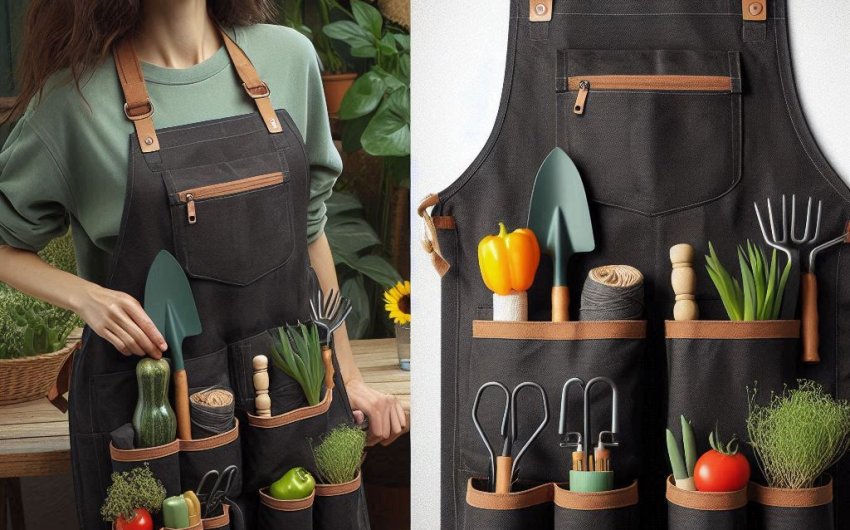
You step into your garden, ready to tackle a few tasks: deadhead some spent blooms, harvest a handful of herbs, perhaps do a bit of weeding. But then it happens. You need your snips – back to the shed. You find a perfect ripe tomato – where do you put it without bruising? You pull a handful of weeds – where's the trug? Your pants pockets are quickly overflowing with dirt, tools, or forgotten seed packets.
This common garden dance of searching, carrying, and bending can be a major interruption to your flow and even dampen your enjoyment. What if you could keep everything you need right at your fingertips, protecting your clothes while doing it? That's the power of a good gardening apron.
Today, we're diving into the features of a truly practical garden companion: the Gardening Apron with 7 Pockets & Drawstring Bag. This isn't just about fashion; it's about unparalleled utility, designed to make your time in the garden more efficient, more comfortable, and much more enjoyable for everyone, regardless of gender. This unisex apron for women and men is built to serve every gardener's needs, turning garden chores into a seamless, productive experience.
Why a Dedicated Gardening Apron is a Game-Changer
You might think an apron is just for cooking, or that any old apron will do for the garden. But a dedicated gardening apron, especially one designed with smart features like the Gardening Apron with 7 Pockets & Drawstring Bag, is a game-changer for anyone who loves to get their hands dirty. It transforms your gardening experience from a series of interruptions to a smooth, efficient flow.
1. Instant Access to Tools and Essentials
This is arguably the biggest benefit.
- No More Hunting: How much time do you spend walking back and forth to your shed or garage to grab a tool you forgot? Or searching through garden beds for a misplaced trowel? A gardening apron puts your most-used tools right at your fingertips.
- Organized Pockets: With 7 pockets, you can have a dedicated spot for your hand pruners, gardening twine, seed packets, labels, garden markers, even your phone. This means less searching and more actual gardening.
- Streamlined Workflow: Imagine snipping off deadheads with your pruning snips from one pocket, then effortlessly switching to your hand trowel from another pocket to plant a new seedling, all without breaking your stride.
2. Protects Your Clothes (and You!)
- Barrier Against Dirt and Stains: Gardening is messy! An apron provides a crucial layer of protection against dirt, mud, grass stains, and plant sap. You can wear your regular clothes underneath without worrying about ruining them.
- Mild Protection from Scratches/Thorns: While not a substitute for proper gardening gloves, a sturdy apron can offer a little extra buffer against light scratches from branches or brushes with non-thorny plants.
- Prevents Chemical Contact: If you're using fertilizers or organic pest sprays, an apron adds another layer of defense against accidental splashes.
3. Hands-Free Carrying (The Drawstring Bag Advantage!)
This is a unique and incredibly useful feature of this specific apron.
- Collection Capacity: The drawstring bag built into this apron is brilliant. Instead of having to carry a separate basket or trug for every small task:
- Weeding: Pull weeds and drop them directly into the bag.
- Harvesting: Collect cherry tomatoes, herbs, or berries.
- Deadheading: Easily gather spent blooms.
- Cleanup: Collect small fallen leaves or debris.
- No More Bending Down: You don't have to keep bending to place items into a basket on the ground.
- Convenience: When the bag is full, simply untie it (if it's removable) or empty the apron's bottom into your compost pile or yard waste bin.
4. Comfort and Mobility
- Lightweight Design: A good gardening apron is designed to be lightweight and not restrictive, allowing you to move freely while bending, kneeling, and reaching.
- Unisex Design: The "Unisex for Women & Men" feature means it's designed to fit a wide range of body types comfortably, with adjustable straps for a custom fit.
5. Increased Efficiency and Enjoyment
When you're organized, protected, and have everything you need, gardening becomes a more joyful and productive experience. Less frustration, more bliss!
In short, a gardening apron with 7 pockets & drawstring bag is not just an accessory; it's a practical, multi-functional tool that streamlines your gardening process, keeps you clean, and adds a significant level of convenience to every moment you spend tending your plants. It's a true game-changer for any gardener.
Decoding the Design: 7 Pockets for Ultimate Organization
The standout feature of this gardening apron is its organizational power, particularly its 7 pockets. This isn't just about having places to put things; it's about having designated, accessible spots for your most essential gardening tools and accessories. Let's break down how these pockets create a system for ultimate efficiency.
Why 7 Pockets Are Better Than Just One (or None!)
Imagine the difference between a single large pouch and multiple tailored pockets:
- Designated Storage: Each tool can have its "home." No more rummaging through a messy single pocket trying to find your phone amidst dirt and twine.
- Quick Access: When you reach for your snips, they're always in the same place. This saves precious time and frustration.
- Tool Protection: Separate pockets can help prevent tools from scratching each other or damaging delicate items like seed packets.
- Weight Distribution: Spreading tools across multiple pockets can help distribute weight more evenly, making the apron more comfortable to wear.
- Prevents Loss: Tools are less likely to fall out of smaller, well-designed pockets compared to a large, open pouch.
What to Put in Your 7 Pockets (A Practical Guide)
Here’s how you can strategically use those 7 pockets to maximize your gardening efficiency:
- Main Central Pocket (Often Deeper):
- Ideal for: Your most frequently used hand tool, like a hand trowel or hand cultivator. It's easily accessible and often spacious enough for these larger items. A sturdy hand trowel is a must-have.
- Smaller Adjacent Pocket(s) (Beside the Main):
- Ideal for: Your pruning snips or garden scissors. You want these quickly available for deadheading, harvesting herbs, or light pruning. A sharp pair of prgardening snips are invaluable.
- Narrower Tool Slots/Pockets:
- Ideal for: Items like garden markers or plant labels, a pencil or pen, or a small dibber for planting seeds. These slender pockets keep small, long items from getting lost or falling out.
- Deeper Side Pocket (for taller items):
- Ideal for: A roll of garden twine (if it's a smaller roll), a small folding saw, or even a water bottle if the material is sturdy enough.
- Secure/Zippered Pocket (if available, often smaller):
- Ideal for: Your phone, keys, or a small wallet. This keeps personal items safe from dirt, moisture, and accidental drops while you're bending over. If this apron doesn't have a zipper, pick a pocket that offers a secure fit for your phone.
- Flap or Open Pocket (often wider):
- Ideal for: A packet or two of seeds you plan to plant, a small notepad for garden observations, or a small bag of garden ties.
- Miscellaneous / Utility Pockets:
- Ideal for: A small rag or towel, a pocket knife, a small soil scoop, or a few spare plant ties.
The intelligent arrangement of 7 pockets allows you to carry a comprehensive mini-toolkit directly on your person, ensuring you spend less time searching and more time tending to your plants. This level of organization is a true asset for a smooth and productive gardening session.
The Brilliant Addition: The Drawstring Bag for Harvesting & Weeding
While the 7 pockets are fantastic for tools, the truly innovative feature of this gardening apron is the integrated drawstring bag. This element elevates the apron from merely a tool carrier to a multi-functional garden assistant, making harvesting and weeding incredibly efficient.
How the Drawstring Bag Works
Imagine a large, expandable pouch that can open up at the bottom of your apron.
- Bottom Opening/Collection: The design likely allows the bottom of the apron to unclip, unbutton, or loosen to form a deeper bag. This bag can then be cinched with a drawstring, creating a contained collection area.
- Easy Emptying: Once full, you can easily release the contents directly into your compost bin, garden trug, or harvesting basket without having to bend down multiple times or transfer small handfuls.
Why It's a Game-Changer for Gardeners
This built-in bag solves some of the most common carrying dilemmas in the garden:
1. Hands-Free Harvesting
- For Delicate Produce: No more trying to balance a basket while picking berries, or carrying cherry tomatoes in your dirty pockets. Simply drop your freshly harvested herbs, small fruits (like raspberries or blueberries), or cherry tomatoes directly into the bag.
- Quick Collect: As you walk through your vegetable patch, you can pick what's ripe and stow it away instantly, leaving your hands free for the next harvest or other tasks. A gardening basket is still great for large hauls, but this is perfect for smaller, frequent pickups.
2. Efficient Weeding
- Instant Waste Disposal: As you pull weeds, instead of making small piles or constantly bending to reach a bucket, you can drop them right into the apron's bag.
- Keeps Paths Clean: No more leaving piles of weeds on your pathways or in your garden beds, only to have to gather them again later.
- Reduces Bending: Minimizing the need to bend down repeatedly to dispose of weeds saves your back and knees, especially during longer weeding sessions.
3. Convenient Deadheading
- Collecting Spent Blooms: As you deadhead your flowers, simply drop the spent blooms into the bag. This prevents them from falling into your garden beds (which can look messy or even spread disease if left to rot).
- Continuous Flow: You can move quickly from plant to plant, keeping your flower beds looking tidy without interruption.
4. Versatility for Small Cleanup Tasks
- Gathering Debris: Easily collect small fallen leaves, tiny twigs, or spent plant material during light tidying tasks.
- Carrying Small Tools: While the pockets hold your main tools, you might even use the bag to carry a few extra small items if needed.
The drawstring bag feature turns the gardening apron into an invaluable portable receptacle, allowing for continuous work without the constant need for separate containers. It's a testament to smart design, making tasks like harvesting and weeding incredibly smooth and efficient, truly enhancing your time in the garden.
Unisex Design: Comfort and Fit for Every Gardener
One of the best qualities of this gardening apron with 7 pockets & drawstring bag is its unisex design. This means it's built to be comfortable, functional, and fit well on a wide range of body types, ensuring that every gardener, whether identifying as a woman or a man, can benefit from its utility.
Why "Unisex" Matters for a Gardening Apron
Too often, gardening gear can be stereotyped or poorly fitted. A truly unisex design prioritizes universal comfort and practicality.
- Inclusive Fit: It's designed with adjustable features that accommodate different heights, widths, and body shapes. This avoids the frustration of ill-fitting aprons that are too tight, too loose, too short, or too long.
- Functional for All: The design focuses on utilitarian features (pocket placement, durability, ease of use) that are equally valuable to any gardener, regardless of gender.
- Shared Resource: In a household where multiple people garden, a unisex apron can be shared easily, adjusting to each person's needs.
Key Elements of a Good Unisex Apron Fit
When looking at a gardening apron for unisex use, these are the features that ensure a comfortable and adaptable fit:
1. Adjustable Straps
- Neck or Shoulder Straps: Look for aprons with straps that can be easily lengthened or shortened.
- Adjustable Neck Strap: A simple buckle or slide on the neck strap allows the apron to sit higher or lower on the chest, accommodating different torso lengths.
- Cross-Back Straps: Some designs feature "X-back" or cross-back straps instead of a neck loop. These often distribute weight more evenly across the shoulders, reducing neck strain, which is a big plus for extended wear. They are also highly adjustable.
- Waist Ties: Long, adjustable waist ties allow you to secure the apron comfortably around various waist sizes. They should be long enough to tie securely in the front or back.
2. Strategic Placement of Pockets
- Mid-Torso Placement: The pockets should be positioned on the main body of the apron, generally between the waist and mid-thigh, so they are accessible and functional for most people.
- Varying Pocket Depths/Widths: The variety of pockets on this apron helps accommodate different tools and personal items regardless of hand size or reach.
3. Material Flexibility and Durability
- Comfortable Fabric: The apron material should be sturdy but not overly stiff or rigid, allowing for natural movement (bending, kneeling, reaching). Materials like canvas or waxed canvas offer durability without being overly restrictive.
- Reinforced Stitching: Look for reinforced stitching at stress points (like where pockets attach or straps meet the apron body) to ensure longevity, especially if it's designed to carry tools.
4. Overall Apron Dimensions
- Coverage: The apron should offer adequate coverage from the chest down to at least mid-thigh, protecting clothing during various gardening postures. A length of around 28-32 inches is common for good coverage without being too cumbersome.
- Width: The width should be generous enough to wrap around comfortably without gaping open too much on the sides.
The promise of a unisex gardening apron for women and men is a functional design that acknowledges the diverse needs of all gardeners. By focusing on adjustability, smart pocket placement, and durable yet flexible materials, this apron aims to provide a comfortable and highly efficient experience for everyone, making it a truly universal tool for any gardener.
What Materials Make the Best Gardening Aprons?
The material of your gardening apron is crucial for its durability, comfort, and how well it protects you from dirt, moisture, and thorns. For an apron like the Gardening Apron with 7 Pockets & Drawstring Bag - Unisex for Women & Men, the material choices are key to its heavy-duty and functional claims.
1. Canvas (Cotton Canvas)
- Description: A tightly woven, plain-weave fabric made from cotton (or sometimes linen). It's naturally strong and durable.
- Pros:
- Very Durable: Stands up well to wear and tear, abrasion, and punctures from light thorns.
- Breathable: More breathable than synthetic materials, reducing sweatiness.
- Comfortable: Softens with use over time.
- Affordable: Generally less expensive than waxed canvas or leather.
- Washable: Most cotton canvas aprons can be machine washed.
- Cons:
- Not Waterproof: Absorbs water, meaning it will get wet and stay wet if exposed to rain or very muddy conditions.
- Can Stain: Easily picks up dirt and plant stains.
- Best For: General gardening, dry conditions, light to medium duty, where breathability and washability are priorities.
2. Waxed Canvas
- Description: Cotton canvas that has been treated with a wax coating.
- Pros:
- Water-Resistant: The wax coating repels water, keeping you drier in damp conditions and making it easier to wipe clean.
- Extremely Durable: Very tough and resistant to tears, punctures, and abrasion. Develops a beautiful, rugged patina over time.
- Classic/Rustic Look: Has a very appealing, old-school feel that fits a garden aesthetic well.
- Cons:
- Less Breathable: The wax coating reduces breathability compared to untreated canvas.
- Not Machine Washable: Requires spot cleaning or a gentle wipe down to avoid stripping the wax. May need re-waxing over time.
- Can Feel Stiffer: Especially when new.
- More Expensive: Generally pricier than untreated canvas.
- Best For: All-weather gardening, heavy-duty tasks, those who prefer a rugged aesthetic. A waxed canvas apron is a premium choice.
3. Denim
- Description: A sturdy cotton twill fabric, similar to jeans material.
- Pros:
- Durable: Strong and hard-wearing.
- Comfortable: Softens with age.
- Washable: Easy to clean.
- Familiar: Most people are comfortable with the feel of denim.
- Cons:
- Not Water-Resistant: Absorbs water.
- Can Be Heavy: Especially if made from thick denim.
- Best For: General gardening, especially if you like the look and feel of denim.
4. Polyester/Nylon Blends (Synthetics)
- Description: Fabrics made from synthetic fibers. Often treated for water resistance.
- Pros:
- Lightweight: Can be very light and comfortable.
- Quick Drying: Many synthetic blends dry quickly.
- Water-Resistant: Often come with a water-repellent coating.
- Affordable: Can be very budget-friendly.
- Cons:
- Less Breathable: Can feel warmer or sweatier than natural fibers.
- Less Durable: May not last as long as canvas or leather, though quality varies.
- Can Feel Less Natural: Some dislike the feel of synthetic fabrics against the skin.
- Best For: Lightweight gardening, casual use, those on a budget.
5. Leather
- Description: Genuine animal hide (cowhide, pigskin, goatskin).
- Pros:
- Extremely Durable: Highly resistant to punctures and abrasion.
- Excellent Protection: Offers superior protection against thorns and sharp objects.
- Long-Lasting: With proper care, can last many years.
- Cons:
- Heavy and Stiff: Can be quite heavy and less flexible than other materials.
- Not Breathable: Can get very hot and sweaty.
- Not Waterproof: Absorbs water (can be treated to be water-resistant).
- Expensive: Often the most expensive option.
- Best For: Very heavy-duty tasks, working with sharp tools or extremely thorny plants (often seen as workshop aprons rather than purely gardening ones).
For an apron like the Gardening Apron with 7 Pockets & Drawstring Bag, you're likely looking at a durable yet flexible fabric like heavy-duty cotton canvas or waxed canvas. These materials provide the necessary ruggedness for carrying tools and collecting debris, while still offering comfort and ease of movement for various gardening tasks. Choosing the right material ensures your apron is truly fit for its purpose.
Caring for Your Gardening Apron for Longevity
You've invested in a fantastic Gardening Apron with 7 Pockets & Drawstring Bag because it's practical, durable, and designed to make your life easier. To ensure it continues to be your trusty companion in the garden for many seasons, a little bit of proper care goes a long way.
1. Cleaning Your Apron
Regular cleaning removes dirt, sap, and sweat, preventing odor and prolonging the life of the material.
- Check the Label First! Always consult the manufacturer's care instructions specific to your apron's material.
- For Cotton Canvas, Denim, and Polyester/Nylon Blends:
- Shake Off Loose Dirt: Before washing, shake off as much dry dirt and debris as possible.
- Spot Clean Small Stains: For minor spots, use a damp cloth and a mild soap to scrub the area.
- Machine Wash (Often Permitted): Many canvas or denim aprons can be machine washed. Use cold water on a gentle cycle with a mild detergent. Avoid bleach, which can damage fibers and colors.
- Air Dry: Always air dry your apron. Hang it up to dry completely, away from direct sunlight or excessive heat. High heat from a dryer can cause shrinkage, damage to stitching, or weaken certain fabrics.
- For Waxed Canvas:
- Do NOT Machine Wash: Machine washing will strip the wax coating and ruin the water resistance.
- Spot Clean Only: Use a stiff brush (when dry) to remove loose dirt. For stubborn grime, use a damp cloth and cold water, possibly with a small amount of mild soap (like saddle soap or a special waxed fabric cleaner). Rinse with clean water.
- Air Dry: Let it air dry completely.
- Re-wax (Periodically): Over time, especially with heavy use, the wax coating may wear thin. You can reapply a waxed canvas reproofing wax to restore its water resistance and rejuvenate its appearance.
2. Proper Drying
- Crucial for All Materials: Regardless of the material, always ensure your apron is completely dry before storing it.
- Prevent Mold and Mildew: Storing a damp apron can lead to unpleasant odors, mold, and mildew growth, which can damage the fabric.
- Good Airflow: Hang your apron in a well-ventilated area after each use, especially if it's been exposed to moisture or sweat.
3. Storage
- Cool, Dry Place: Store your apron in a cool, dry place away from direct sunlight. Prolonged exposure to UV rays can fade colors and weaken fabric over time.
- Hang It Up: Hanging the apron helps it maintain its shape and allows for air circulation. Avoid crumpling it into a tight ball.
- Empty Pockets: Always empty all pockets and the drawstring bag before storing. Leaving tools or wet debris inside can lead to rust (on tools), stains (on the apron), or mold.
4. Inspect and Repair
- Check for Wear and Tear: Periodically inspect your apron for any loose threads, minor tears, or signs of wear, especially around the pockets and straps.
- Minor Repairs: Catching small issues early can prevent them from becoming bigger problems. A simple needle and strong thread can often fix a loose stitch or a small tear.
- Reinforce: If you notice a particular pocket is under heavy strain, consider adding a few extra stitches for reinforcement.
By following these simple care and maintenance tips, your Gardening Apron with 7 Pockets & Drawstring Bag will remain a reliable, organized, and protective companion for all your gardening adventures, continuing to simplify your tasks and elevate your enjoyment in the garden for years to come.