
The Best Grass Types for Your Regional Climate
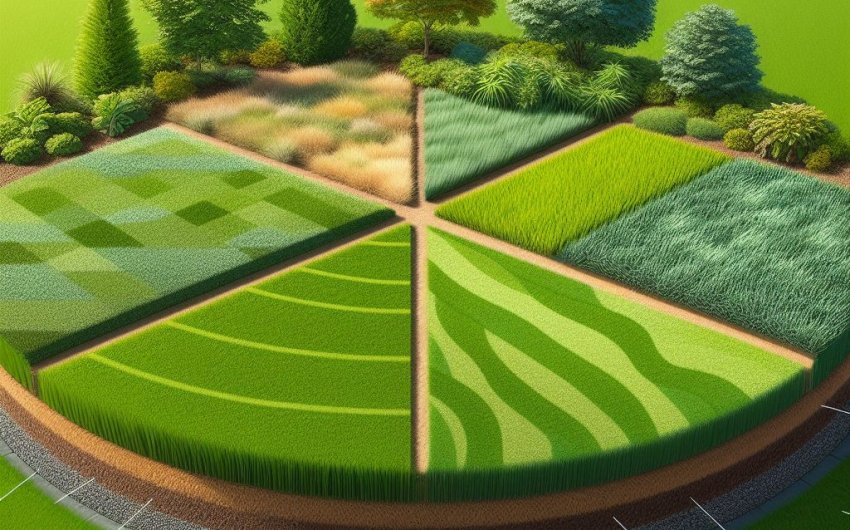
To choose the best grass types for your regional climate, you need to understand your local USDA Plant Hardiness Zone and differentiate between cool-season and warm-season grasses, selecting varieties that naturally thrive in your area's average winter low temperatures and summer heat. This foundational knowledge ensures a resilient, healthy lawn that requires less effort and resources.
Why is choosing the right grass type crucial for a healthy lawn?
Choosing the right grass type for your regional climate is the single most critical decision for establishing and maintaining a healthy, vibrant lawn. Planting grass that isn't suited to your local temperatures, rainfall patterns, and sunlight conditions will lead to a perpetually struggling lawn that is more susceptible to disease, pests, and environmental stress, requiring excessive water, fertilizer, and effort to keep alive.
What happens if you plant the wrong grass type?
- Poor growth and vigor: The grass will struggle to thrive, resulting in thin, patchy, and weak turf.
- Increased disease and pest issues: Stressed grass is much more vulnerable to fungal diseases and insect infestations.
- High maintenance demands: You'll spend more time, water, and money trying to keep it green.
- Weed invasion: Weak turf creates open invitations for weeds to colonize.
- Winter/Summer kill: Grass not suited for extreme temperatures will die back, leaving bare spots.
What is the USDA Plant Hardiness Zone system?
The USDA Plant Hardiness Zone system divides North America into 13 zones based on the average annual extreme minimum winter temperature. While primarily for perennial plants, it's a vital tool for determining if a grass type can survive the winter in your area. For grasses, this helps differentiate between cool-season and warm-season types.
What defines cool-season grasses and where do they thrive?
Cool-season grasses are grass types that are optimally adapted to grow in regions with cold winters and hot summers, but perform best during the cooler parts of the year. They are typically found in the northern half of the United States.
What are the characteristics of cool-season grasses?
- Optimal growth temperatures: Thrive when air temperatures are between 60-75°F (15-24°C).
- Seasonal growth pattern: They green up and grow vigorously in spring and fall. During hot summer months, they often slow growth or go dormant to conserve energy.
- Winter hardiness: Are tolerant of freezing temperatures and snow, surviving winter in dormant states.
- Drought tolerance: Varies by species, but many can struggle in prolonged summer heat without adequate water.
- Appearance: Tend to have a finer texture and a richer green color than many warm-season grasses.
Where do cool-season grasses thrive regionally?
Cool-season grasses are best suited for the Northern Transition Zone and cooler climates, generally above USDA Zones 7. This includes areas like the Northeast, Upper Midwest, Pacific Northwest, and mountainous regions.
What are the best cool-season grass types?
Several popular cool-season grass types offer different characteristics in terms of appearance, durability, and shade tolerance, allowing gardeners to select the best fit for their specific needs.
1. Kentucky Bluegrass (Poa pratensis)
- Characteristics: Known for its beautiful deep blue-green color, fine texture, and dense, lush turf. It has excellent cold hardiness and self-repairs well through rhizomes (underground stems).
- Pros: Outstanding aesthetic appeal, strong sod formation, good traffic tolerance, good recuperative ability.
- Cons: Requires full sun, moderate to high water and fertilization, can be susceptible to some diseases (e.g., rust, leaf spot, necrotic ring spot).
- Best for: Premium lawns in northern climates that receive regular care and full sun. You can find Kentucky Bluegrass seed for cooler regions.
2. Perennial Ryegrass (Lolium perenne)
- Characteristics: A rapid germinator, establishing quickly, with a fine to medium texture and bright green color. Often used in mixes or for overseeding.
- Pros: Fast establishment, good wear tolerance, good cold tolerance.
- Cons: Can be susceptible to diseases like rust and brown patch, doesn't spread aggressively (no rhizomes/stolons), requires moderate water.
- Best for: Quick establishment, overseeding existing lawns, high-traffic areas (often mixed with KBG).
3. Fine Fescue (Festuca spp. - e.g., Creeping Red Fescue, Chewings Fescue, Hard Fescue)
- Characteristics: Known for its very fine, hair-like texture, excellent shade tolerance, and lower water and fertility requirements. Often included in "shade mixes."
- Pros: Best cool-season grass for shade, highly drought-tolerant once established, low maintenance, good cold hardiness.
- Cons: Poor wear tolerance (can't handle heavy foot traffic), doesn't tolerate excessive nitrogen.
- Best for: Shady areas, low-maintenance lawns, or mixed with other grasses for diverse conditions.
4. Tall Fescue (Festuca arundinacea)
- Characteristics: A coarser-bladed grass than fine fescue or bluegrass, forming deep roots. Known for its excellent heat and drought tolerance among cool-season grasses.
- Pros: Very good heat and drought tolerance, good wear tolerance, tolerates a wide range of soil conditions, good disease resistance.
- Cons: Coarser texture, can struggle with extreme cold, can clump if not seeded densely.
- Best for: Transition Zone and areas needing a tough, drought-tolerant cool-season grass.
What defines warm-season grasses and where do they thrive?
Warm-season grasses are grass types that are best adapted to grow in regions with hot summers and mild winters. They are typically found in the southern half of the United States.
What are the characteristics of warm-season grasses?
- Optimal growth temperatures: Thrive when air temperatures are between 80-95°F (27-35°C).
- Seasonal growth pattern: They green up and grow vigorously in late spring, summer, and early fall. They go dormant and turn brown during cool fall and winter months.
- Heat and drought tolerance: Highly tolerant of high temperatures and generally more drought-tolerant than cool-season grasses.
- Winter hardiness: Not tolerant of prolonged freezing temperatures and will die back in sustained cold.
- Appearance: Tend to have a coarser texture than cool-season grasses, though some fine-bladed varieties exist.
Where do warm-season grasses thrive regionally?
Warm-season grasses are best suited for the Southern Transition Zone and warmer climates, generally below USDA Zones 7. This includes areas like the Southeast, Gulf Coast states, Southwest, and California.
What are the best warm-season grass types?
Several popular warm-season grass types offer different characteristics in terms of appearance, durability, and shade tolerance, allowing gardeners to select the best fit for their specific needs.
1. Bermuda Grass (Cynodon dactylon)
- Characteristics: A very aggressive, fast-spreading grass with a fine to medium texture, forming a dense turf. Known for its exceptional heat, drought, and traffic tolerance.
- Pros: Extremely durable, quick recovery from damage, excellent heat and drought tolerance, tolerates full sun.
- Cons: Needs full sun, aggressive spreading (can invade garden beds), goes completely dormant (brown) in winter, high nitrogen requirement.
- Best for: High-traffic lawns, sports fields in hot climates, areas needing extreme durability. You can find Bermuda Grass seed for tough southern lawns.
2. Zoysiagrass (Zoysia japonica, Zoysia matrella)
- Characteristics: A dense, thick turf with a medium to fine texture and a rich green color. Spreads by stolons and rhizomes to form a very tough, attractive lawn.
- Pros: Excellent wear tolerance, very good drought tolerance, chokes out most weeds, moderately shade tolerant (for a warm-season grass), less invasive than Bermuda.
- Cons: Slow to establish, goes dormant (brown) in winter, can become very thick (thatch issues).
- Best for: High-quality, durable lawns in warm climates, good choice for the Transition Zone.
3. St. Augustine Grass (Stenotaphrum secundatum)
- Characteristics: A coarse-bladed grass with a distinctive blue-green color, forming a dense, carpet-like turf. Spreads aggressively by stolons.
- Pros: Excellent shade tolerance (best warm-season for shade), good heat tolerance, establishes quickly.
- Cons: Poor cold tolerance (only for Zones 8-10+), high water and fertilization needs, prone to thatch, susceptible to chinch bugs.
- Best for: Shady areas in very warm climates (Florida, Gulf Coast).
4. Centipedegrass (Eremochloa ophiuroides)
- Characteristics: A slow-growing, low-maintenance grass with a medium texture and a light apple-green color. Spreads by stolons.
- Pros: Very low fertilizer requirement, moderate shade tolerance, good heat tolerance, few pest problems.
- Cons: Poor wear tolerance, slow to recover from damage, turns brown earlier in fall, susceptible to iron deficiency (yellowing).
- Best for: Low-maintenance lawns in warm, humid climates, especially sandy soils.
What is the "Transition Zone" and how do you choose grass there?
The Transition Zone is a challenging band of climate that spans the middle of the United States, where it's too cold for most warm-season grasses to thrive reliably and too hot for many cool-season grasses to look their best during summer. Choosing grass for this zone requires careful consideration.
What are the challenges of the Transition Zone?
- Extreme temperatures: Summers are often too hot and humid for cool-season grasses, causing them to struggle or go dormant. Winters are too cold for many warm-season grasses, causing them to die back.
- Dual stress: Grasses face stress from both heat and cold.
- Short optimal windows: The ideal growing conditions for either cool- or warm-season grasses are relatively short.
What are the best grass strategies for the Transition Zone?
- Tall Fescue: This is often considered the workhorse for the Transition Zone due to its deep root system, and superior heat and drought tolerance among cool-season grasses. It maintains green color through much of the summer. You can find Transition Zone Tall Fescue seed.
- Zoysiagrass: A good warm-season choice that tolerates cooler temperatures better than some other warm-season grasses. It will go dormant in winter but offers excellent durability and drought tolerance in summer.
- Bermuda Grass: Can be used, but its aggressiveness and complete winter dormancy can be a drawback for some.
- Blends: Some gardeners opt for specific blends of cool-season grasses (e.g., Tall Fescue with some Perennial Ryegrass) that offer a broader range of tolerance.
How do other site conditions influence grass choice?
Beyond regional climate, specific conditions within your yard—like sun exposure, soil type, and how much traffic your lawn receives—also play a crucial role in selecting the best grass type.
How does shade impact grass selection?
- Full sun: Most grasses, both warm and cool season, prefer full sun. Bermuda Grass and Kentucky Bluegrass are prime examples of sun-loving grasses.
- Partial shade: Fine Fescues (cool-season) and St. Augustine Grass (warm-season) are the most shade-tolerant options within their respective categories. Other grasses will struggle in persistent shade.
- Deep shade: No turfgrass will thrive in deep shade. Consider groundcovers, mulch, or shade gardens instead.
How do soil type and drainage affect grass choice?
- Sandy soils: Tend to drain quickly. Tall Fescue, Bermuda, Centipedegrass, and some Fine Fescues can tolerate sandy conditions.
- Clay soils: Retain moisture but can become compacted. Kentucky Bluegrass and Tall Fescue can perform well, especially with aeration and organic matter.
- Well-draining soil: Ideal for almost all grasses. If your soil has poor drainage, choose varieties more tolerant of moisture or amend the soil. A soil test kit for lawns can help identify your soil's composition.
How does foot traffic and use impact grass type?
- High traffic: For areas with heavy foot traffic (play areas, pet runs), choose tough, durable grasses that recover quickly. Bermuda Grass, Perennial Ryegrass, and Zoysiagrass are excellent choices.
- Low traffic: For purely ornamental lawns or areas with minimal foot traffic, finer-bladed grasses like Kentucky Bluegrass or Fine Fescues can be used.
Choosing the best grass types for your regional climate is a foundational step toward a thriving, low-maintenance lawn. By understanding your USDA hardiness zone, distinguishing between cool-season and warm-season varieties, and considering your yard's specific sun, soil, and traffic conditions, you can select the perfect turfgrass that will flourish with minimal effort, rewarding you with a beautiful, resilient green space.