
Hammocks: Swing Into Serenity in Your Garden
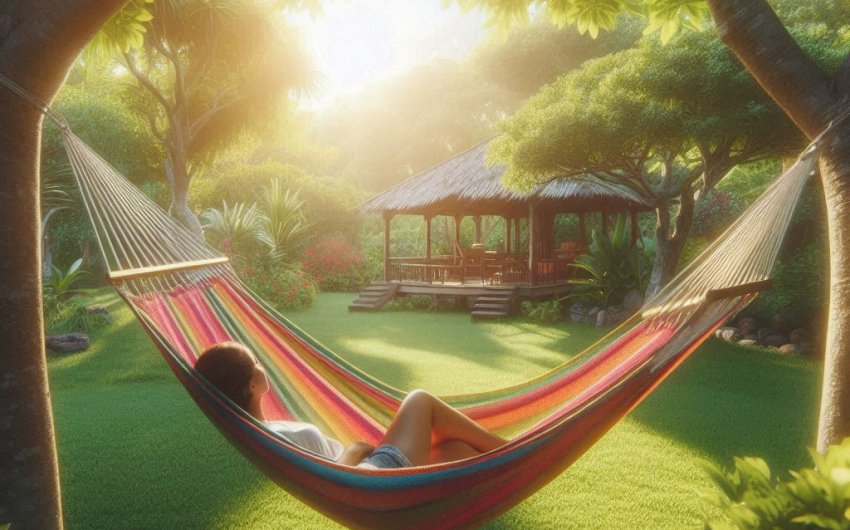
Hammocks offer a unique pathway to serenity in your garden, providing a comfortable, gentle swaying escape perfect for relaxation, reading, or simply enjoying the outdoors. They transform any backyard into a personal oasis, inviting calm and peaceful moments.
Why Should You Add a Hammock to Your Garden?
Adding a hammock to your garden is about more than just having an extra place to sit; it's about creating a dedicated spot for relaxation, escaping the everyday hustle, and connecting with nature. A hammock instantly introduces an element of leisure and tranquility to any outdoor space.
The Benefits of Garden Hammocks
- Ultimate Relaxation: There's something inherently calming about the gentle sway of a hammock. It encourages a deeper sense of relaxation than traditional seating, helping to melt away stress and promote peaceful rest. Many find the slight motion conducive to napping or meditative states.
- Versatile Comfort: Hammocks conform to your body, distributing weight evenly and reducing pressure points, which can be more comfortable than rigid chairs. This makes them ideal for extended lounging.
- Space-Saving (Many Models): Compared to large patio furniture sets, many hammocks are surprisingly space-efficient. A portable hammock can be strung between trees or poles and taken down when not in use, freeing up valuable garden space.
- Enhances Garden Aesthetics: A well-placed hammock can become a charming focal point in your garden. Different styles, colors, and materials allow you to choose a hammock that complements your existing outdoor decor, adding a touch of rustic charm or modern elegance.
- Connect with Nature: Lying in a hammock allows you to fully immerse yourself in your garden's sensory experience – listening to birdsong, feeling the breeze, watching leaves rustle, and smelling blooming flowers. It brings you closer to your natural surroundings.
- Portable Lounging: Many hammocks are lightweight and come with carrying bags, making them easy to pack up and take with you on camping trips, picnics, or to a friend's backyard.
- Affordable Luxury: Compared to investing in full patio furniture sets, a quality hammock can be a surprisingly affordable way to add a significant element of luxury and relaxation to your outdoor space.
- Promotes Well-being: Spending time outdoors and engaging in relaxation activities has proven benefits for mental and physical health, reducing anxiety and improving mood. A hammock actively encourages this.
Whether you have a sprawling estate or a small urban patio, a hammock can be a transformative addition, inviting you to slow down, relax, and truly swing into serenity.
What Are the Different Types of Hammocks Available?
The world of hammocks is surprisingly diverse, offering a range of styles, materials, and designs to suit various preferences and garden setups. Understanding these types will help you choose the perfect hammock for your needs.
Common Hammock Types
Rope Hammocks:
- Description: Traditionally made from cotton or polyester ropes woven into an open mesh. Often feature spreader bars at each end.
- Pros: Excellent air circulation (great for hot climates), classic aesthetic, durable.
- Cons: Can create "pressure points" if the rope isn't soft or the weave is too wide, can be harder to get into and out of without practice, ropes can sometimes stretch.
- Ideal For: Traditional garden settings, hot climates, those seeking a classic look. Look for cotton rope hammocks.
Quilted or Padded Hammocks:
Advertisement- Description: Made from two layers of fabric with padding in between, often with spreader bars.
- Pros: Extremely comfortable, soft, provides insulation on cooler days, wide sleeping surface.
- Cons: Can be heavier, retains heat (less ideal for very hot climates), takes longer to dry if wet, often more expensive.
- Ideal For: Ultimate comfort, cooler climates, lounging for extended periods.
Fabric Hammocks (Brazilian, Mayan, Nicaraguan, Camping):
- Description: Made from a solid piece of fabric (cotton, polyester, nylon) without spreader bars. They cocoon the user.
- Pros: Hugs the body for superior comfort and support, often very portable and lightweight (especially nylon camping hammocks), can be very affordable, easy to get into and out of, no pressure points.
- Cons: Less air circulation than rope hammocks, can feel less "open."
- Types:
- Brazilian Hammocks: Often made from tightly woven cotton, known for durability and comfort.
- Mayan Hammocks: Loosely woven cotton or nylon, very stretchy and conforming.
- Nicaraguan Hammocks: Similar to Mayan but often with more intricate patterns and thicker weaves.
- Camping Hammocks: Made from lightweight, quick-drying nylon or parachute material, highly portable.
- Ideal For: Deep relaxation, portability, varied body types. Explore Brazilian cotton hammocks.
Chair Hammocks (Hanging Chairs):
- Description: A cross between a chair and a hammock, designed for sitting upright rather than lying down. Hang from a single point.
- Pros: Space-saving, great for reading, allows for easier conversation, stylish.
- Cons: Less full-body relaxation, requires a single sturdy hanging point.
- Ideal For: Small spaces, reading nooks, porch or patio. Many hanging rope chairs are available.
Poolside Hammocks:
- Description: Specifically designed for wet environments, usually made with quick-drying, weather-resistant materials like textilene or marine-grade fabrics. Often have spreader bars.
- Pros: Dries quickly, highly resistant to mildew and UV damage.
- Cons: Less soft than cotton or padded options, can be more expensive.
- Ideal For: Near pools, humid climates, year-round outdoor use.
Choosing the right type of hammock depends on your comfort preferences, climate, available space, and desired aesthetic for your garden.
How Do I Choose the Right Hammock for My Garden?
Selecting the perfect hammock involves considering several factors beyond just aesthetics. Think about who will be using it, where it will be placed, and what kind of experience you're looking for.
Key Factors for Hammock Selection
Location and Hanging Options:
- Trees: If you have two strong, mature trees spaced approximately 10-15 feet apart, a traditional tree hammock is a great option. Ensure trees are healthy and provide at least 6-inch diameter trunks. You'll need tree-friendly hammock straps to protect the bark.
- Hammock Stand: If you don't have suitable trees or prefer flexibility, a freestanding hammock stand (metal or wood) is essential. These allow you to place your hammock anywhere in the garden, deck, or patio. Measure your space to ensure the stand fits.
- Porch/Patio: Consider a hanging chair or a compact fabric hammock for smaller spaces or covered areas.
- Wall/Post Mounts: For a more permanent solution, hardware can be mounted to sturdy walls or posts.
Size and Capacity:
- Single Hammock: Designed for one person, typically 4-5 feet wide.
- Double Hammock (Family/Couple Hammock): Wider (5-7 feet), allowing for one person to spread out comfortably or two people to cozy up. Even if you're planning to use it alone, a double hammock often provides more comfort and versatility.
- Weight Capacity: Always check the hammock's weight limit. Ensure it safely accommodates the weight of all intended users.
Material and Durability:
- Cotton: Soft, breathable, and comfortable. Best for dry climates or covered areas as it can be prone to mildew and takes longer to dry.
- Polyester/Acrylic (e.g., Sunbrella, DuraCord): More weather-resistant, UV-resistant, colorfast, and quicker-drying than cotton. Excellent for outdoor exposure. A polyester hammock with spreader bar is a durable choice.
- Nylon (Parachute Nylon): Very lightweight, quick-drying, compact, and often used for camping hammocks. Less breathable than cotton.
- Rope vs. Fabric: Rope hammocks are airy but can create "rope marks"; fabric hammocks offer a more cocooning feel. Padded hammocks offer maximum softness.
Comfort Level:
- Spreader Bar vs. No Spreader Bar:
- Spreader Bar Hammocks: Lay flatter, easier to get in and out of, more open feel. Can sometimes be less stable.
- No Spreader Bar Hammocks: Cocoon the user, incredibly comfortable and stable once inside, but can feel more "enveloping."
- Padding: Padded or quilted hammocks offer plush comfort, ideal for longer lounging sessions or cooler weather.
- Spreader Bar vs. No Spreader Bar:
Portability:
- If you plan to take your hammock camping or to different spots, look for lightweight, compact models, often made of nylon, that come with a stuff sack.
Budget:
- Hammocks range widely in price. Determine your budget but consider durability and material quality for a long-lasting investment.
By carefully evaluating these factors, you can select a hammock that perfectly suits your garden's environment and your personal relaxation style, ensuring countless hours of serene enjoyment.
How Do I Safely Install and Hang a Hammock?
Safety is paramount when installing and hanging a hammock. Proper setup ensures stability, prevents falls, and protects both you and the anchor points (trees or stands). Always follow manufacturer instructions for your specific hammock and hardware.
Safe Hammock Installation Steps
Assess Anchor Points:
- Trees: Choose healthy, mature trees with strong, sturdy trunks at least 6-inch diameter (about the size of a dinner plate or larger). Avoid young trees, diseased trees, or those with shallow roots.
- Stand: Ensure your hammock stand is assembled correctly and placed on a level, firm surface. Check all bolts and connections for tightness.
- Posts/Walls: If using posts, they should be well-anchored in the ground (e.g., concrete footings). Wall mounts must be secured into studs or solid masonry, not just drywall.
Determine Optimal Distance and Height:
- Distance: For a standard hammock, the ideal distance between anchor points is typically 10 to 15 feet. Too short, and the hammock will be too taut; too long, and it will sag excessively.
- Height: The hanging points should be approximately 5-7 feet high (around head height). The goal is for the lowest point of the hammock to be about 18 inches (45 cm) off the ground when you are in it.
- The "30-Degree Sag": A good rule of thumb for fabric hammocks (no spreader bar) is to aim for a 30-degree angle between the suspension lines and the ground. This creates a comfortable, supportive sag. Spreader bar hammocks will hang flatter.
Choose the Right Hanging Hardware:
- Tree Straps: Always use wide, tree-friendly straps (at least 1 inch wide) to protect tree bark. Never use thin ropes, chains, or wires that can girdle and damage the tree. Look for wide tree saver straps.
- S-Hooks/Carabiners: Ensure all metal hardware (S-hooks, carabiners, O-rings) is heavy-duty, rated for outdoor use, and has a weight capacity exceeding your hammock's limit.
- Eye Bolts (for posts/walls): Use heavy-duty, galvanized or stainless steel eye bolts designed for significant weight. Drill pilot holes slightly smaller than the bolt.
Install the Hardware:
- Tree Straps: Wrap the straps around the tree trunks at the desired height. Thread the end of the strap through its loop or use the carabiners provided.
- Stand: Follow the stand's specific assembly and hanging instructions.
- Posts/Walls: Securely install eye bolts.
Connect the Hammock:
- Attach the hammock ends to the tree straps, stand hooks, or eye bolts using carabiners or S-hooks.
- Adjust the length of the straps or chains until the hammock has the appropriate sag and height when unweighted.
Test the Hammock:
- Gradual Weight: Before fully lying down, gently put some weight into the hammock. Sit down slowly in the center first, making sure it feels stable.
- Check Clearance: Ensure there's enough clearance from the ground and any surrounding objects when you are fully inside.
Safety Tips
- Never Exceed Weight Limit: Adhere strictly to the manufacturer's maximum weight capacity.
- Inspect Regularly: Periodically check your hammock, straps, and hardware for wear, fraying, rust, or damage. Replace components as needed.
- Low to the Ground: Hang your hammock relatively low, so that if you fall, it's not from a dangerous height.
- Center of Gravity: When getting in and out, or while lounging, maintain your center of gravity.
- Children and Pets: Supervise children and pets around hammocks. Teach children how to use them safely.
By following these guidelines, you can create a safe and inviting spot for your hammock, allowing you to fully relax and enjoy your garden.
What Are the Best Accessories for a Hammock?
Enhancing your hammock experience goes beyond just the hammock itself. A few well-chosen accessories can significantly increase comfort, versatility, and the overall enjoyment of your garden oasis.
Essential Hammock Accessories
Pillows or Cushions:
- Benefit: Add extra neck and head support, making long lounging sessions more comfortable. They can also add a pop of color and style.
- Recommendation: Look for outdoor-rated pillows that are weather-resistant and quick-drying, such as outdoor throw pillows.
Beverage Holder/Side Table:
- Benefit: Keeps your drink, phone, or book within easy reach without having to get out of the hammock.
- Recommendation: Some hammock stands come with integrated tables. Alternatively, small, lightweight portable folding camping tables can be placed beside a stand. There are also specific hammock-side organizers.
Reading Light:
- Benefit: Perfect for enjoying a book or magazine after dusk.
- Recommendation: A clip-on LED book light or a nearby solar-powered lantern works well.
Mosquito Net/Bug Net:
- Benefit: Essential for enjoying your hammock in areas with bothersome insects, especially during dawn or dusk.
- Recommendation: Look for a full enclosure hammock mosquito net that drapes over and around your hammock, often with a zipper for entry.
Weather Cover/Storage Bag:
- Benefit: Protects your hammock from sun, rain, and mildew when not in use, extending its lifespan. A storage bag is crucial for portable hammocks.
- Recommendation: Choose a waterproof, UV-resistant hammock cover that fits your hammock style.
Outdoor Blanket or Throw:
- Benefit: Adds warmth on cooler evenings or provides a soft layer.
- Recommendation: An outdoor-rated, quick-drying waterproof outdoor blanket is ideal.
Speaker (Portable Bluetooth):
- Benefit: Enjoy your favorite music, podcasts, or audiobooks while lounging.
- Recommendation: A small, weatherproof portable Bluetooth speaker is perfect.
Sun Shade/Awning:
- Benefit: Provides extra protection from direct sun, especially if your hammock is in an unshaded spot.
- Recommendation: Some hammock stands come with integrated canopies. Otherwise, a nearby patio umbrella or sail shade can create necessary shade.
By equipping your hammock with these thoughtful accessories, you can create an even more comfortable, convenient, and truly serene outdoor retreat in your garden.
How Do I Care for and Maintain My Hammock?
Proper care and maintenance will significantly extend the life and beauty of your hammock, ensuring it remains a comfortable spot for serenity in your garden for many seasons. The specific care depends largely on the material.
General Hammock Care Tips
Read Manufacturer's Instructions: Always start by reading the care label or manual that came with your specific hammock. This will provide the most accurate guidance for its material.
Regular Cleaning:
- Spot Clean: For small spills or dirt, use a mild soap (like dish soap) and water solution with a soft brush or cloth. Rinse thoroughly.
- Deep Clean:
- Cotton Hammocks: Can often be hand-washed or machine-washed on a gentle cycle with mild detergent. Avoid harsh chemicals or bleach. Air dry thoroughly to prevent mildew.
- Polyester/Acrylic Hammocks (Weather-Resistant): Can be cleaned with a hose and a mild soap solution. Scrub gently with a soft brush. Rinse thoroughly and allow to air dry completely.
- Nylon Hammocks: Easy to wipe clean or rinse with water. They dry very quickly.
- Drying: Always ensure your hammock is completely dry before storing it to prevent mildew, especially for natural fibers. Hang it in a sunny, airy spot.
Protect from the Elements:
- UV Exposure: Prolonged exposure to direct sunlight can fade colors and weaken fibers over time. Consider a hammock cover or bring the hammock indoors during peak sun hours if it's not made from UV-resistant fabric.
- Rain and Humidity: While many outdoor hammocks are designed to resist moisture, bringing them indoors or covering them during heavy rain or prolonged periods of high humidity will prevent mildew and prolong life.
- Winter Storage: In cold climates, always bring your hammock indoors for winter storage. Clean it thoroughly, ensure it's completely dry, and store it in a cool, dry place.
Inspect Hardware and Straps:
- Regular Checks: Periodically inspect all hanging hardware, ropes, and straps for signs of wear, fraying, rust, cracks, or loose connections.
- Replace Worn Parts: If you notice any significant wear or damage, replace the component immediately. Do not use a damaged hammock or hanging system. Tree straps should be checked for wear where they rub against the tree.
Protect Trees (if applicable):
- If hanging from trees, regularly check the tree straps to ensure they aren't girdling the tree or causing any damage to the bark. Adjust or replace as needed.
By incorporating these simple care and maintenance steps, your hammock will remain a beautiful, comfortable, and safe haven for swinging into serenity in your garden for years to come.