
Hanging Planter Swings: A Beautiful Blend of Comfort and Nature
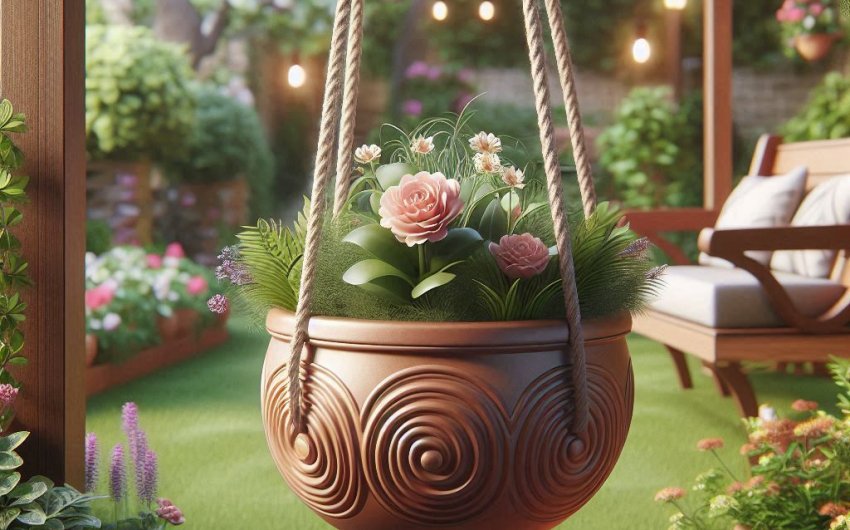
Hanging planter swings are innovative outdoor furniture pieces that combine the serene comfort of a traditional swing with integrated planters, creating a truly unique and harmonious blend of relaxation and vibrant natural beauty. They offer a dynamic way to incorporate greenery directly into your seating area, enhancing both comfort and garden aesthetics.
What Are Hanging Planter Swings and Why Are They a Garden Must-Have?
A hanging planter swing is a type of outdoor swing, often a bench-style seat, that incorporates built-in planter boxes or hanging points for planters directly into its structure. This ingenious design allows you to surround yourself with living plants while enjoying the gentle sway of a swing. They are quickly becoming a garden must-have because they offer unparalleled aesthetic appeal, space efficiency, and a truly immersive nature experience.
The Enchanting Benefits of Hanging Planter Swings
- Immersive Nature Experience: The most captivating aspect of a planter swing is the ability to be literally surrounded by plants as you relax. The sight, scent, and even touch of the greenery create a deeply calming and immersive connection with nature, enhancing tranquility.
- Unique Aesthetic Appeal: A hanging planter swing is an instant focal point in any garden. It's a living piece of furniture that evolves with the seasons, adding dynamic beauty and a touch of whimsical elegance that a regular swing or bench simply can't match.
- Space Optimization: For smaller patios or balconies, a planter swing provides both seating and a planter in one footprint. It leverages vertical space and eliminates the need for separate plant pots cluttering the ground.
- Enhanced Privacy and Shade: As plants grow and mature within the integrated planters, they can form a natural screen, offering a sense of privacy and even dappled shade, making the swing a more intimate and comfortable retreat.
- Improved Air Quality: Surrounding yourself with plants naturally contributes to better air quality in your immediate vicinity, further enhancing the health and relaxation benefits.
- Attracts Pollinators (with the right plants): When filled with nectar-rich flowers, your planter swing can become a mini-pollinator station, attracting bees, butterflies, and hummingbirds right to your seating area for delightful observation.
- Versatile Design Options: Available in various materials (wood, metal, composite) and styles, planter swings can complement diverse garden themes, from rustic cottage to modern minimalist.
- Therapeutic Value: The combination of gentle motion and lush greenery has a profoundly calming effect, reducing stress and promoting mental well-being. It's an ideal spot for reading, meditation, or simply unwinding.
- Seasonal Adaptability: You can easily change out the plants in the planters to reflect different seasons, holidays, or color schemes, keeping the look fresh and engaging year-round.
A hanging planter swing is more than just garden furniture; it's an invitation to blend comfort with the captivating beauty of the natural world, creating a truly unique and serene garden escape.
What are the Different Types of Hanging Planter Swings?
Hanging planter swings come in various designs and materials, each offering a unique look and functionality. Understanding these types will help you choose the perfect swing to match your garden's aesthetic and your personal preferences.
Common Types of Hanging Planter Swings
Bench-Style Planter Swings:
- Description: This is the most common type, resembling a traditional porch swing or garden bench with planter boxes integrated into the armrests, sides, or even along the back of the swing.
- Materials: Often made from wood (cedar, treated pine, teak), but also available in metal (powder-coated steel, aluminum) or durable composite materials.
- Pros: Offers comfortable seating for two or more people, provides substantial planting space, creates a classic and inviting look.
- Cons: Can be heavy, requires sturdy mounting.
- Ideal For: Larger patios, porches, under pergolas, or strong freestanding arbors. Look for wooden porch swings with planters.
Chair-Style Planter Swings (Hanging Chairs with Planters):
Advertisement- Description: These are single-person swings or hanging chairs that have smaller, often removable, planters integrated into their design, sometimes around the base or hanging from the frame.
- Materials: Can be made from rattan, wicker, metal, or wood, often with comfortable cushions.
- Pros: Space-saving, perfect for a cozy reading nook, adds a whimsical touch.
- Cons: Less planting capacity than bench swings, only seats one.
- Ideal For: Smaller balconies, individual contemplative spots, or as an accent. Many hanging egg chairs can be adorned with small hanging planters.
Stand-Alone Planter Swings:
- Description: These swings come with their own dedicated frame or stand, often incorporating decorative elements and sometimes larger planter boxes as part of the base or overhead structure.
- Materials: Typically sturdy metal or heavy-duty wood.
- Pros: No need for existing overhead support, offers flexibility in placement anywhere in the garden, often very stable.
- Cons: Can be quite large and heavy, potentially more expensive.
- Ideal For: Gardens without suitable trees or pergolas, open lawn areas, or large patio spaces.
DIY-Inspired Planter Swings:
- Description: These swings are often constructed from repurposed materials or custom-built, allowing for unique designs. Planters might be attached with brackets or designed directly into the seat frame.
- Materials: Varies widely, from reclaimed wood pallets to custom metalwork.
- Pros: Highly customizable, can be budget-friendly, unique aesthetic.
- Cons: Requires carpentry skills, structural integrity must be carefully considered for safety.
- Ideal For: Creative individuals, those on a budget, or those wanting a very specific look.
When choosing a hanging planter swing, consider its size, material, the amount of planting space it offers, and whether you have a suitable structure (like a porch beam or sturdy tree) to hang it from, or if you'll need a freestanding option.
How Do I Choose the Right Plants for a Hanging Planter Swing?
Selecting the ideal plants for your hanging planter swing is crucial for both aesthetic appeal and the health of the plants themselves. The best choices will complement the swing's design, thrive in its specific light conditions, and create the lush, inviting atmosphere you desire.
Key Considerations for Plant Selection
Sunlight Exposure: This is the most critical factor. Observe how much direct sunlight your swing receives throughout the day.
- Full Sun (6+ hours direct sun): Petunias, calibrachoa, portulaca, verbena, lantana, nasturtium.
- Partial Sun (4-6 hours direct sun): Impatiens (New Guinea varieties), coleus (some varieties), fuchsia, begonia (wax or tuberous).
- Shade (less than 4 hours direct sun): Traditional impatiens, wax begonias, fuchsia, coleus (shade-loving varieties), torenia.
- Tip: Choose plants that thrive in similar light conditions to ensure consistent growth and flowering.
Growth Habit (Thriller, Filler, Spiller): For a dynamic and full look, combine plants with different growth habits:
- Thrillers: Upright, tall plants that add height and drama (e.g., small ornamental grasses, upright fuchsia, narrow-leaf coleus).
- Fillers: Bushy, mounding plants that fill the middle ground (e.g., impatiens, petunias, wax begonias, marigolds).
- Spillers: Trailing plants that cascade over the edges of the planter, softening the lines and adding elegance (e.g., sweet potato vine, creeping jenny, lobelia, bacopa, cascading petunias).
- Example Combo (Sun): Upright Geranium (thriller), Wave Petunia (filler), Sweet Potato Vine 'Marguerite' (spiller).
- Example Combo (Shade): Upright Fuchsia (thriller), New Guinea Impatiens (filler), Creeping Jenny (spiller).
Watering Needs:
- Group plants with similar water requirements. Plants in hanging planters tend to dry out faster than those in the ground, so choose plants that can tolerate consistent moisture without becoming waterlogged.
- Consider adding water retention crystals for planters to your potting mix.
Maintenance Level:
- Some plants require frequent deadheading (removing spent blooms) for continuous flowering (e.g., traditional petunias, marigolds). Others are self-cleaning (e.g., calibrachoa, 'Wave' petunias). Choose what fits your gardening style.
- Consider plants that are relatively pest and disease resistant.
Desired Aesthetic and Color Palette:
- Choose colors that complement your home's exterior, the swing's material, and the overall garden theme.
- Think about a monochromatic scheme (different shades of one color), complementary colors (e.g., purple and yellow), or a vibrant mix.
- Consider foliage color as well (e.g., chartreuse sweet potato vine, dark coleus).
Safety and Weight:
- Be mindful of the overall weight of the planters when filled with soil and watered plants. Ensure your swing's hanging mechanism can safely support the combined weight.
By thoughtfully selecting plants based on these considerations, your hanging planter swing will become a vibrant, flourishing oasis that truly blends comfort and nature. You can often find hanging basket annuals at your local nursery, perfect for these swings.
How Do I Safely Install and Hang a Planter Swing?
Safety is the absolute priority when installing a hanging planter swing, as it will bear not only human weight but also the significant weight of plants, soil, and water. Proper installation prevents accidents and ensures longevity. Always follow the manufacturer's specific instructions for your swing and hanging hardware.
Safe Installation Steps for a Planter Swing
Assess Anchor Points and Weight Capacity:
- Overhead Structure: You need a sturdy overhead beam or joist to hang the swing from. This could be a porch ceiling joist, a sturdy pergola beam, a heavy-duty arbor, or a specifically designed swing stand.
- Beam Size: For standard swings, the beam should be at least 2x6 inches for adequate support, but often larger (4x6 or 6x6) is recommended for multi-person swings or those with significant planter weight. Consult a professional if unsure.
- Weight Calculation: Estimate the total maximum weight:
- Weight of the swing itself
- Weight of the people (allow for multiple users if a bench swing)
- Weight of planters: Soil, especially when wet, is very heavy. Factor in the weight of wet potting mix plus the mature plants.
- Example: A cubic foot of wet soil can weigh 70-100 pounds. Two large planters could add hundreds of pounds.
- Hardware Rating: Ensure all hanging hardware (hooks, chains, ropes) is rated to exceed this total maximum weight by a significant margin (e.g., 2-3 times the expected load).
Gather the Right Hardware and Tools:
- Heavy-Duty Swing Hangers/Eye Bolts: These are typically threaded bolts with an eye loop that screw directly into the structural beam. Choose galvanized or stainless steel for outdoor use.
- Carabiners or S-Hooks: For connecting the swing chains/ropes to the hangers.
- Chains or Ropes: Ensure they are strong enough and resistant to outdoor elements.
- Drill, Drill Bits: For pilot holes.
- Stud Finder: Essential for locating ceiling joists or beams.
- Level, Tape Measure, Pencil.
- Wrench (for tightening bolts).
Locate and Mark Anchor Points:
- Use a stud finder to precisely locate the center of the structural joist/beam.
- Mark the two points where the hangers will be installed. For a bench swing, these marks should align with the swing's hanging points. Measure the width of your swing to determine the correct spacing. The hangers should ideally be slightly wider than the swing itself for stability.
Drill Pilot Holes:
- Using a drill bit slightly smaller than the diameter of your swing hanger's threaded shaft, drill pilot holes straight up into the center of the marked beam. Ensure the holes are deep enough for the entire threaded part of the hanger.
Install Swing Hangers:
- Screw the heavy-duty swing hangers or eye bolts firmly into the pilot holes. Use a wrench or a sturdy bar inserted through the eye to tighten them completely. They should be absolutely secure and not wobble.
Attach Chains/Ropes:
- Connect the chains or ropes to the swing hangers using strong carabiners or S-hooks.
- Then, attach the other end of the chains/ropes to the designated hanging points on the hanging planter swing itself.
Adjust Height and Level:
- Adjust the length of the chains or ropes until the swing hangs level and at a comfortable height off the ground. A common height is around 18-20 inches from the bottom of the swing seat to the ground when empty.
Test the Swing (Crucial Safety Step):
- Gradual Weight: Before anyone sits down, gradually apply weight to the swing. Push down on the seat, then sit down slowly and gently. Listen for any creaking or unusual sounds.
- Full Weight Check: Have one person (or two if a two-seater) sit in the swing while a second person checks the security of all hanging points and connections. The swing should feel stable with no excessive swaying or straining.
Fill Planters and Re-check:
- Once the swing is safely installed, fill the integrated planters with soil and plants. Then, re-check all hanging connections and hardware, as the added weight of wet soil can put additional strain on the system. You might need to adjust the height slightly.
Safety Reminders
- Never Compromise on Hardware Quality: Do not use inadequate hooks, chains, or ropes. Always buy hardware specifically designed and rated for swinging applications.
- Regular Inspection: Routinely check all hanging components for rust, wear, fraying, or any signs of weakness. Replace components at the first sign of damage.
- Proper Use: Do not stand on the swing or swing excessively high. Follow weight limits strictly.
By adhering to these rigorous safety measures, your hanging planter swing will be a secure and delightful feature, allowing you to blend comfort and nature safely in your garden.
How Do I Care for and Maintain My Hanging Planter Swing?
Proper care and maintenance are vital for preserving the beauty, safety, and longevity of your hanging planter swing. This involves looking after both the swing structure and the plants thriving within its integrated planters.
Maintenance for the Planter Swing Structure
Regular Cleaning:
- Wipe Down: Periodically wipe down the swing's frame, seat, and planter exteriors to remove dust, dirt, pollen, and debris. Use a damp cloth or soft brush.
- Deep Clean: For stubborn grime or mildew, use a mild soap (like dish soap) and water solution. Scrub gently, then rinse thoroughly with a hose.
- Drying: Allow the entire swing to air dry completely, especially after a deep clean or rain, to prevent mildew and water spots.
Material-Specific Care:
- Wood Swings (Cedar, Teak, Treated Pine):
- Sealing/Staining: To protect against weathering, UV damage, and rot, wooden swings benefit from periodic sealing or staining (every 1-3 years). Choose outdoor-rated products.
- Inspect for Cracks/Splits: Regularly check for any splintering, cracks, or signs of rot. Address minor issues promptly with wood filler or repair kits.
- Metal Swings (Steel, Aluminum):
- Rust Prevention: For steel or iron swings, immediately touch up any scratches or chips in the powder coating with rust-inhibiting paint to prevent rust. Aluminum is rust-resistant.
- Tighten Hardware: Periodically check and tighten all bolts, screws, and connections, as they can loosen over time with use and weather changes.
- Composite/Resin Swings: Generally low maintenance, requiring only cleaning.
- Wood Swings (Cedar, Teak, Treated Pine):
Hardware Inspection:
- Crucial Step: Regularly inspect all hanging hardware: eye bolts, chains, ropes, carabiners, and S-hooks. Look for signs of wear, fraying, rust, distortion, or stress.
- Replace Worn Components: At the first sign of significant wear or damage, immediately replace the compromised component. Do not use the swing if any part of the hanging system is compromised.
Winterization (for cold climates):
- In areas with harsh winters, it's best to remove the swing and store it indoors (shed, garage) after a thorough cleaning and drying. If indoor storage isn't possible, use a durable, waterproof, breathable outdoor swing cover designed to protect from snow, ice, and extreme cold.
Maintenance for the Integrated Planters and Plants
Watering:
- Consistent Hydration: Plants in integrated planters dry out faster than in-ground plants. Check soil moisture daily, especially during hot, dry, or windy weather. Water thoroughly until water drains from the bottom.
- Self-Watering Planters: If your swing has self-watering planters, check the reservoir levels regularly.
Fertilization:
- Regular Feeding: Since nutrients leach out faster from containers, provide regular nourishment. Use a balanced, slow-release granular fertilizer mixed into the potting mix, or a diluted liquid fertilizer every 2-4 weeks during the growing season.
- Specific Needs: Adjust fertilizer based on the needs of your chosen plants (e.g., more phosphorus for flowering plants).
Pruning and Deadheading:
- Deadheading: Regularly remove spent or faded flowers (deadheading) to encourage continuous blooming.
- Pruning: Pinch back or lightly prune leggy growth to encourage bushier, more compact plants and maintain the desired shape and size within the planter.
- Remove Dead/Diseased Foliage: Promptly remove any yellowing, dead, or diseased leaves to maintain plant health and appearance.
Pest and Disease Monitoring:
- Regularly inspect plants for signs of pests (aphids, spider mites) or diseases (mildew). Address any issues promptly with appropriate, preferably organic, treatments to protect your plants and the swing environment.
Seasonal Refresh:
- At the end of the growing season (or annually), empty the old potting mix, clean the planters, and replenish with fresh, high-quality potting mix for containers before planting for the new season.
By diligently following these care and maintenance guidelines, your hanging planter swing will remain a beautiful, comfortable, and safe sanctuary, truly blending comfort and nature in your garden for many delightful years.
Where Can I Place a Hanging Planter Swing in My Garden?
The placement of your hanging planter swing is key to maximizing its comfort, aesthetic appeal, and the growth of its integrated plants. Strategic positioning can transform any area into an inviting oasis.
Ideal Locations for a Hanging Planter Swing
On a Porch or Patio:
- This is a classic and highly effective location. A sturdy porch beam or patio cover can easily support the swing.
- Benefits: Offers shelter from direct sun and rain, extending comfort. Creates an outdoor "living room" feel. Easy access from the house.
- Consider: Ensure the space is large enough to allow for the full swing motion without hitting walls or furniture.
Under a Pergola or Arbor:
- A pergola or arbor provides a natural overhead structure for hanging the swing and beautifully frames the combined seating and plant display.
- Benefits: Adds architectural interest, offers dappled shade, and creates a charming, defined outdoor room. The vertical elements of the structure can echo the swing's design.
In a Garden "Room" or Secluded Nook:
- If your garden has defined areas or secluded corners, a planter swing can become the perfect centerpiece for a quiet retreat. Place it surrounded by other lush plantings for an immersive feel.
- Benefits: Creates a private, tranquil escape away from the main activity areas of the yard.
Near a Water Feature:
- Positioning the swing near a pond, fountain, or bird bath allows you to enjoy the soothing sounds of water and observe wildlife while relaxing among your plants.
- Benefits: Enhances the sensory experience, promotes relaxation.
Along a Pathway or Border (with a Stand):
- If you choose a freestanding planter swing with its own stand, you have the flexibility to place it almost anywhere in your garden, even on an open lawn or along a garden border.
- Benefits: Allows for placement in areas without overhead support, can act as a garden focal point.
- Consider: Ensure the ground is level and stable.
Under a Mature Tree (with caution):
- While tempting, hanging directly from a tree branch requires careful assessment by an arborist. The branch must be exceptionally strong, healthy, and high enough, and tree-friendly straps must be used.
- Benefits: Provides natural shade and a lovely rustic setting.
- Caution: Tree health and limb strength are critical safety factors. Never hang from a dead or weakened branch.
Factors to Consider for Placement
- Sunlight for Plants: This is paramount. Choose a spot that receives the appropriate amount of sunlight for the types of plants you plan to put in the integrated planters (full sun, part sun, or shade).
- Level Ground: Always install the swing on a stable, level surface to ensure safe and comfortable swinging.
- Clearance: Ensure there's ample clear space around the swing for full range of motion without hitting walls, fences, or other garden elements.
- View and Ambiance: Place the swing where it offers a pleasant view of your garden or a specific feature. Consider what you'll see and hear from this spot.
- Accessibility: Ensure it's easy to access and get into and out of the swing safely.
By thoughtfully considering these placement options and factors, you can create a truly enchanting and secure spot for your hanging planter swing, allowing you to enjoy a beautiful blend of comfort and nature right in your own backyard.