
How to Design a Garden Pathway with Pebbles?
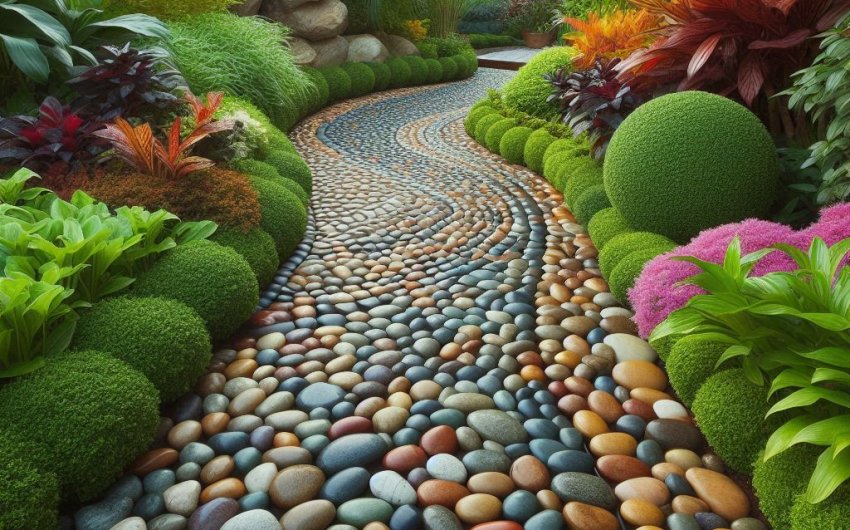
A garden pathway is more than just a way to get from one part of your yard to another. It's a key design element that guides the eye, defines spaces, and adds immense beauty. And when it comes to charm and natural elegance, a pebble pathway is hard to beat! The gentle crunch underfoot, the varied textures, and the calming colors of pebbles create a truly inviting experience. This guide will show you how to design and create your own stunning DIY pebble path for your garden.
Why Choose a Pebble Pathway for Your Garden?
Pebbles offer a unique set of benefits that make them an excellent choice for garden paths.
Natural Beauty and Aesthetics
Pebbles come in a fantastic range of colors, shapes, and sizes – from smooth river stones to craggy crushed granite. This natural variety allows for endless design possibilities that blend seamlessly with garden landscapes. They create a soft, organic look that concrete or pavers often can’t match. A decorative pebble pathway truly enhances the visual appeal of any garden style, from rustic to modern.
Soothing Sound and Texture
The subtle crunch of pebbles underfoot is incredibly pleasant and adds a sensory dimension to your garden experience. It's a sound that evokes nature and tranquility. Plus, the varied texture of pebbles feels wonderful, even through shoes.
Excellent Drainage
Unlike solid surfaces, pebble pathways allow water to drain right through them, reducing runoff and helping to prevent puddles. This is great for your plants, as it won't direct water away from their roots, and it keeps your path from getting slippery.
Versatility in Design
Pebbles can be used to create formal, straight paths, or charming, winding trails. You can mix colors, create patterns, or combine them with other materials like stepping stones. This makes garden path pebbles incredibly versatile for any garden layout.
Relatively Easy to Install (DIY Friendly)
While it takes some effort, creating a DIY pebble path is very achievable for the average homeowner. It doesn't require specialized tools or complex masonry skills.
Affordability
Compared to installing poured concrete or intricate paver patios, buying bulk landscaping pebbles can be a more budget-friendly option, especially for longer pathways.
Types of Pebbles for Garden Paths
The kind of pebbles you choose will greatly influence the look and feel of your path.
1. Pea Gravel
- Description: Small, rounded, smooth stones, typically 1/8 to 3/8 inch in size. They come in a mix of natural colors like browns, grays, whites, and tans.
- Pros: Very affordable, easy to walk on, provides excellent drainage, gives a soft, informal look. Its small size makes it easy to spread evenly.
- Cons: Can sometimes migrate (kick out of place), may get stuck in shoe treads, can be dusty.
- Best for: Informal paths, large areas, or as a base for stepping stones. A bag of pea gravel is easily accessible.
2. River Rock / River Jacks
- Description: Larger, rounded, smooth stones, often 1/2 inch to several inches in diameter. They have been tumbled smooth by water.
- Pros: Beautiful natural colors, excellent drainage, very durable, creates a substantial, organic look. Larger stones are less likely to migrate.
- Cons: Can be more challenging to walk on comfortably if too large, can be more expensive than pea gravel.
- Best for: Decorative paths, Japanese gardens, or as borders. Look for bags of river rock pebbles.
3. Crushed Granite / Decomposed Granite (DG)
- Description: Small, angular, crushed stone particles, often with finer dust. Decomposed granite is typically very fine.
- Pros: Compacts well to form a firm, stable surface, provides excellent drainage, natural earthy colors, good for a rustic or Southwestern look.
- Cons: Can be dusty, may track indoors, and can be less comfortable for bare feet than smooth pebbles.
- Best for: Paths that need a firmer surface, or for a natural, rustic aesthetic.
4. Mexican Beach Pebbles
- Description: Smooth, highly polished, often black, gray, or white rounded pebbles collected from beaches. Very uniform in shape and color.
- Pros: Extremely elegant and beautiful, adds a sleek, modern touch, very durable.
- Cons: Very expensive, can be slippery when wet, often used as accents rather than entire paths due to cost.
- Best for: High-end, minimalist, or contemporary gardens, or as decorative borders. A bag of Mexican beach pebbles can add a luxurious touch.
5. Crushed Shells or Lava Rock
- Description: Less common but unique options. Crushed shells offer a beachy feel. Lava rock is lightweight and porous, often reddish-brown or black.
- Pros: Unique aesthetic, good drainage. Crushed shells are good for coastal themes. Lava rock is light.
- Cons: Can be dusty, shells can break down over time, lava rock can be sharp.
- Best for: Themed gardens (coastal, volcanic).
Planning Your Pebble Pathway: Before You Dig
A well-planned path is a successful path. Don't skip these crucial steps!
1. Purpose and Destination
- Where does it lead? From your patio to a shed? Around a flower bed? To a seating area? Knowing the start and end points is crucial.
- Foot Traffic: How much use will it get? A main thoroughfare needs to be wider and more stable than a seldom-used decorative path.
2. Path Design and Shape
- Straight Paths: Create a formal, organized look. Best for modern or formal gardens.
- Winding Paths: Add a sense of discovery and mystery. Ideal for cottage, rustic, or naturalistic gardens. They encourage slow strolling.
- Width: A comfortable width for one person is typically 2-3 feet (0.6-0.9 meters). For two people to walk side-by-side, aim for 4-5 feet (1.2-1.5 meters).
- Mapping it out: Use a garden hose, rope, or spray paint to outline your path's desired shape. Walk on it, visualize it, and adjust until it feels right.
3. Drainage and Slope
- Natural Slope: If your path runs downhill, ensure proper drainage away from foundations or other sensitive areas.
- Crown: For longer or flatter paths, consider giving the path a slight "crown" (higher in the middle, sloping gently to the sides) to shed water more effectively.
4. Edging Materials
Edging is vital for keeping your pebbles in place.
- Metal Edging: Durable, flexible, and discreet. Aluminum landscape edging is a popular choice.
- Plastic Edging: More affordable, but can be less durable and sometimes visible.
- Wood Timbers: Offer a rustic look, but can rot over time.
- Stone Edging: Natural and beautiful, but can be more labor-intensive to install.
- Bricks: A classic, clean look.
5. Tools and Materials Needed
- Pebbles: Calculate how much you need. (Length x Width x Desired Depth of pebbles = Cubic Feet. Convert to tons if buying in bulk).
- Edging Material
- Landscape Fabric/Weed Barrier: Critical for preventing weeds and keeping pebbles from sinking into the soil. A good quality heavy duty landscape fabric is a must.
- Shovel or Spade
- Rake
- Wheelbarrow
- Measuring Tape
- Garden Hose or Spray Paint
- Utility Knife (for cutting fabric)
- Compacting Tool (hand tamper or plate compactor for larger paths)
- Work Gloves
Step-by-Step Guide: Building Your Pebble Pathway
This detailed guide will help you create a durable and beautiful DIY pebble path.
Step 1: Mark and Excavate the Pathway
- Outline: Use your garden hose or spray paint to mark the exact outline of your path.
- Digging: Dig out the pathway area. The depth depends on your pebble type and desired look, but generally aim for 4-6 inches (10-15 cm) deep. This depth will accommodate the base layer, weed barrier, and pebbles.
- Tip: For pea gravel, 4 inches is often enough (1 inch base, 3 inches gravel). For larger river rock, you might need a bit more depth.
- Slope: Ensure the excavated trench maintains any planned slope for drainage.
Step 2: Install Edging
- Define the Border: This is crucial! Install your chosen edging material along both sides of the excavated trench.
- Securely Fasten: Bury the edging partially into the ground and secure it with stakes (for metal/plastic) or mortar (for stone/brick). The top of the edging should be slightly above the final level of your pebbles to contain them.
Step 3: Prepare the Base Layer (Optional but Recommended)
For a more stable and weed-resistant path, a base layer is ideal.
- Crushed Stone/Gravel Base: Spread a 1-2 inch (2.5-5 cm) layer of crushed stone or gravel (like 3/4 inch minus or crushed aggregate) into the excavated trench. This provides a stable, compactable base.
- Compact: Use a hand tamper (for smaller paths) or a plate compactor (for larger paths) to compact this base layer thoroughly. This prevents future settling.
Step 4: Lay Down Landscape Fabric (Weed Barrier)
This is one of the most critical steps for low maintenance garden paths.
- Cover the Base: Roll out a heavy-duty landscape fabric over the entire prepared base. Overlap seams by at least 6-12 inches (15-30 cm) to prevent weeds from sneaking through.
- Cut Excess: Trim the fabric to fit just inside your edging.
- Secure: Use landscape fabric staples or pins to secure the fabric to the ground, especially along the edges and seams. This stops it from shifting when you add pebbles.
Step 5: Add the Pebbles
You're almost there!
- Spread Evenly: Start spreading your chosen garden path pebbles over the landscape fabric.
- Layering (Optional): If using different sizes, you might add a layer of larger pebbles first for stability, then top with smaller, more comfortable pebbles.
- Depth: Aim for a pebble depth of 2-4 inches (5-10 cm), depending on the pebble type and desired stability. Too thin, and weeds might poke through; too thick, and it can feel unstable.
- Rake and Level: Use a rake to spread the pebbles evenly and level the surface. The pebbles should be slightly below the top of your edging.
Step 6: Consolidate and Refine
- Water Down: Gently spray the entire path with water. This helps settle the pebbles and washes away any dust.
- Light Compaction (for some pebbles): For pea gravel or decomposed granite, a light pass with a hand tamper after watering can help them settle more. For larger river rock, just walking on it will help.
- Final Touches: Rake any displaced pebbles back into place. Clean up any spills along the edges.
Maintaining Your Pebble Pathway
A pebble path is relatively low maintenance, but a few simple steps will keep it looking great.
1. Raking and Leveling
- Regular Raking: Over time, pebbles can shift, especially in high-traffic areas. Periodically rake your path to redistribute and level the pebbles.
- Add New Pebbles: If areas become thin, simply add a fresh layer of landscaping pebbles to restore the depth.
2. Weed Control
- Weed Barrier is Key: Your landscape fabric should prevent most weeds. However, seeds can still blow in and germinate on top of the pebbles in accumulated dust or organic matter.
- Manual Weeding: Pull any small weeds by hand as soon as you see them.
- Weed Sprays: For stubborn weeds, a targeted weed killer can be used, but be careful not to spray nearby plants.
- Blowing: A leaf blower can be used to remove light debris and small weed seedlings.
3. Cleaning
- Hosing Down: Occasionally hose down your path to wash away dust and dirt, especially after heavy rain.
- Algae/Moss: In very damp, shady areas, moss or algae can grow on pebbles. A stiff brush or a diluted solution of bleach/vinegar (rinse thoroughly afterwards) can remove it. Be careful around plants.
4. Preventing Migration
- Good Edging: A solid, slightly raised edging is your best defense against migrating pebbles.
- Overfilling: Avoid overfilling the path, as pebbles above the edging will be more likely to escape.
Enhancing Your Pebble Pathway Design
Make your pebble path truly unique with these decorative ideas.
1. Stepping Stones
- Function and Beauty: Intersperse large, flat stepping stones (flagstone, concrete pavers, wood slices) within your pebble path. This provides a more stable surface for walking and adds visual interest. They look great with pea gravel.
- Installation: Bury them slightly into the pebble layer so they are stable and flush with the surrounding pebbles.
2. Lighting
- Path Lights: Install solar path lights or low-voltage landscape lighting along the edges of your pebble path. This enhances safety at night and creates a beautiful, inviting glow. A set of solar path lights can instantly elevate the look.
- Uplighting: Use small spotlights to illuminate nearby plants, adding drama.
3. Plant Borders
- Soft Edges: Plant low-growing groundcovers like thyme, sedum, or creeping jenny along the edges of your path. They will soften the hard edges and spill onto the pebbles, creating a beautiful, natural transition.
- Varying Heights: Use plants of different heights and textures alongside the path to create visual depth and interest.
4. Pebble Mosaic or Patterns
- Artistic Touch: For a truly unique and intricate design, arrange different colored pebbles to create patterns, spirals, or even pictures directly within your path. This requires more time and effort, but the result is stunning.
- Technique: Lay your pattern on a thin layer of sand or mortar, then fill around it with your main pebble material.
5. Incorporate Wood Slices
- Rustic Charm: Use large, thick wood slices (from tree trunks) as stepping stones or as decorative elements within the pebble path. They add a rustic, woodland feel. Ensure they are treated for outdoor use to prevent rot.
Designing a garden pathway with pebbles is a rewarding project that transforms a simple route into a delightful journey. With careful planning, the right materials, and a bit of effort, you can create a beautiful, durable, and naturally elegant path that enhances the charm and functionality of your outdoor space for years to come.