
How to Organize Your Gardening Tools in a Shed?
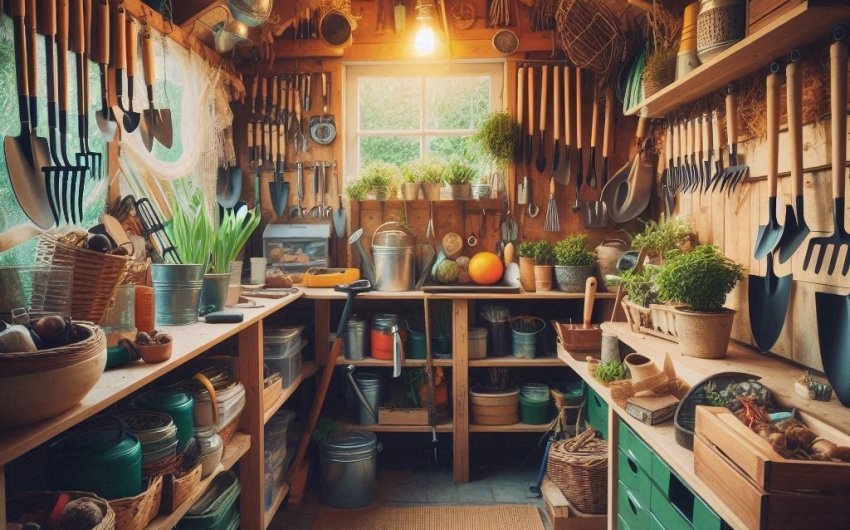
A cluttered garden shed can turn finding your trowel into a treasure hunt, wasting valuable gardening time. A well-organized space not only makes it easier to locate your gardening tools but also helps protect them from damage and prolong their life. Getting your shed in order is a project that pays off every time you step out to tend your plants.
Why Should You Organize Your Gardening Tools?
The benefits of a tidy gardening shed go far beyond just looking nice. There are practical reasons why investing time in organizing your gardening tools is a smart move for any gardener.
Save Time and Frustration
Imagine this: You're ready to plant some new flowers, but you can't find your hand trowel. You rummage through piles of pots, tangled hoses, and forgotten bags of soil, growing more frustrated by the minute. When your gardening tools are neatly organized, you know exactly where everything is. This means less time searching and more time actually gardening. Finding your garden hand trowel quickly means you can get to work right away. This time-saving aspect is one of the biggest motivators for a good shed organization system.
Protect Your Tools
Leaving gardening tools lying around on the floor or haphazardly piled up exposes them to rust, dull blades, and even breakage. A shovel might get bent, pruners could rust from dampness on the floor, or a rake's tines could get tangled and damaged. Proper tool storage protects your investment. Storing tools vertically, keeping them off the damp floor, and providing designated spots for each item helps maintain their condition. For instance, hanging your garden rake on a hook prevents its tines from bending.
Extend Tool Lifespan
When tools are properly cared for and stored, they simply last longer. Clean tools stored in a dry, organized manner are less likely to rust, break, or require frequent sharpening. This means you won't have to replace them as often, saving you money in the long run. Good shed organization encourages good tool maintenance habits. If a tool has a dedicated spot and is easy to put away, you're more likely to clean it before storing it.
Create More Space
A cluttered shed feels small and cramped. When items are stacked or piled, they take up more usable space than if they were stored efficiently. By using vertical space, hanging items, and implementing smart storage solutions, you can free up floor space, making your shed feel much larger and more functional. This extra space can be used for potting benches, storing larger equipment, or simply giving you room to move around comfortably.
Improve Safety
Sharp tools, chemicals, and heavy equipment left lying around can be a tripping hazard or lead to accidental cuts. Organizing your gardening shed means sharp edges are covered, chemicals are stored securely, and heavy items are placed where they won't fall or cause injury. This creates a safer environment for you and anyone else who enters your shed. Storing your garden shears safely on a hook with the blades closed, for example, prevents accidental cuts.
Where Do You Start Organizing Your Shed?
Before you dive into buying storage solutions, the first and most crucial step is to declutter and assess what you have. This foundational work will make the rest of the shed organization process much smoother and more effective.
Empty the Shed
This might seem like a huge task, but it's the most effective way to start. Take everything out of your garden shed. Yes, everything! Lay it all out on a tarp or a clear area of your lawn or driveway. This allows you to see every single item you own and prevents you from simply reorganizing clutter. It's like pressing the reset button on your shed. As you pull items out, give them a quick shake or brush off any loose dirt.
Sort and Declutter
Now that everything is outside, it's time to be ruthless. Create several piles:
- Keep: These are your essential, functional gardening tools and supplies that are in good condition.
- Repair: Tools that are still useful but need a bit of TLC (e.g., sharpening, rust removal, handle replacement). Decide if the repair is worth the effort and cost.
- Donate/Give Away: Items that are in good condition but you no longer need or use. Someone else might benefit from that extra watering can or set of old seed trays.
- Discard/Recycle: Broken items, empty bags, old pots with cracks, or anything that is beyond repair or use. Check local recycling guidelines for various materials. Old, brittle plastic plant pots often fall into this category.
- Relocate: Items that don't belong in the shed (e.g., car cleaning supplies, sports equipment, camping gear). Move them to their proper home.
Be honest with yourself. If you haven't used a tool in over a year or two, and it's not a seasonal item, strongly consider getting rid of it. You want your shed to house only what you truly need for gardening.
Clean the Shed
Once the shed is empty, take the opportunity to clean it thoroughly.
- Sweep or Vacuum: Remove all dust, dirt, cobwebs, and debris from the floor, walls, and ceiling.
- Wipe Down Surfaces: Clean shelves, workbenches, and any other surfaces with a general-purpose cleaner.
- Check for Pests: Look for signs of rodents or insects and address them if found. Seal any cracks or holes to prevent future infestations.
- Inspect for Repairs: Check the roof for leaks, walls for damage, and the floor for rot. Make any necessary repairs before putting things back. A dry, secure shed is vital for protecting your gardening tools.
Plan Your Layout
Before you put anything back, take a moment to plan. Consider the "zones" in your shed:
- Long-handled tools: Where will shovels, rakes, and hoes go?
- Hand tools: How will you keep small items like trowels and pruners organized?
- Pots and containers: Where will you store various sizes?
- Soil and amendments: How will you manage bags of potting mix or fertilizer?
- Chemicals/Pesticides: Where will these be stored safely and securely?
- Small items/Hardware: Where will labels, twine, gloves, and other bits and bobs live?
Think about how you use your tools. Frequently used items should be easily accessible. Heavier items should be stored lower. Sketch out a rough plan if it helps visualize where everything will go. Measure your shed walls and decide which shed organization ideas will work best for your space.
What Are the Best Ways to Store Long-Handled Tools?
Long-handled gardening tools like shovels, rakes, and hoes are often the culprits for a messy shed. They tend to fall over, get tangled, and take up a lot of valuable floor space. Storing them effectively is key to a tidy garden shed.
Wall-Mounted Tool Organizers
Utilizing wall space is one of the most efficient ways to store long-handled gardening tools. Keeping them off the floor immediately frees up valuable real estate and prevents tripping hazards.
- Tool Racks/Clips: These are specifically designed for long tools. A wall-mounted tool rack often features slots or spring-loaded clips that securely hold the handles. Install them at a height that allows the tool heads to clear the floor. You can mount several side-by-side to accommodate all your shovels, brooms, and hoes.
- Pegboards with Long Hooks: A pegboard system offers excellent versatility. Install a section of pegboard on a wall, and then use long, heavy-duty pegboard hooks to hang your tools. The advantage here is that you can easily rearrange the hooks as your tool collection changes or as you acquire new items. Ensure the hooks are sturdy enough for the weight of the tools.
- PVC Pipe Organizers: A DIY solution that's very effective. Cut sections of large-diameter PVC pipe at an angle on one end, then attach them to a wooden board. Mount the board to the wall. The tools slide into the angled pipes, standing upright and neatly contained. This works particularly well for multiple similar tools.
- U-Shaped Hooks: Simple, individual U-shaped hooks screwed directly into wall studs can hold a single long-handled tool. These are inexpensive and easy to install, allowing you to space tools according to your needs.
When installing any wall-mounted system, always attach it securely to wall studs to ensure it can support the weight of your gardening tools.
Corner Storage Solutions
If you have an empty corner in your shed, it's a great spot for specialized long-handled tool storage.
- Corner Tool Racks: Some shed organization systems are designed to fit snugly into a corner, providing dedicated slots for multiple long-handled tools. These typically have a base to support the tool heads and slots or clips higher up to secure the handles.
- Upcycled Pallets: Lean an old pallet against a corner wall. The gaps between the slats can act as natural dividers for tools, keeping them upright and relatively contained. This is a very budget-friendly and rustic option.
- Garbage Can or Barrel: For a very simple solution, an old, clean metal garbage can or a sturdy barrel can be placed in a corner to hold all your long-handled tools upright. While not as neat as dedicated organizers, it keeps them from falling over.
No matter which method you choose, the goal is to keep these tools off the floor, prevent tangling, and make them easily accessible. This is a cornerstone of effective garden shed organization.
What Are the Best Ways to Store Small Hand Tools?
Small gardening tools like trowels, pruners, cultivators, and weeders are essential but easily get lost or misplaced in a messy shed. Keeping them organized is crucial for efficiency.
Pegboards
Pegboards are a versatile and highly customizable solution for small hand tools.
- Installation: Mount a section of pegboard on a prominent wall in your shed. Ensure it's easily accessible.
- Hooks and Bins: Use a variety of pegboard hooks to hang individual tools. Straight hooks work well for tools with hanging holes. Angled hooks can hold pruners or small shovels. You can also use pegboard bins or cups to hold smaller items like pencils, plant markers, or rolls of twine.
- Outline Tools: For even better organization, outline each tool's shape directly on the pegboard with a marker. This makes it clear where each tool belongs and helps you quickly spot missing items. A pegboard tool organizer kit often comes with a variety of hooks and accessories to get you started.
Pegboards are excellent because they allow for flexible arrangements and make it easy to see all your tools at a glance.
Magnetic Strips
Magnetic tool strips are fantastic for metal hand tools.
- Placement: Mount a strong magnetic strip (like those used for kitchen knives) on a wall or the side of a workbench.
- Application: Simply stick your metal trowels, hand cultivators, small pruners, and even scissors onto the magnet. They stay securely in place and are highly visible. This is a very clean and simple solution. A magnetic tool holder can be surprisingly strong and useful.
Tool Belts or Caddies
If you frequently carry a specific set of tools around the garden, keeping them together in a tool belt or caddy can be useful.
- Garden Tool Belt: A garden tool belt keeps your most-used hand tools right at your side while you're working. When you're done, hang the entire belt on a hook in the shed.
- Tool Caddy/Tote: A garden tool caddy or tote with multiple pockets or compartments allows you to grab a collection of tools and easily transport them to your work area. When finished, simply place the caddy back on a shelf or hook. This prevents individual tools from scattering.
Drawers and Small Bins
For very small items or things that aren't easily hung, drawers or small bins are ideal.
- Stackable Bins: Clear plastic stackable bins or labeled containers can hold items like plant labels, twine, small seed packets, or garden ties. Group similar items together.
- Drawer Dividers: If you have a workbench with drawers, use drawer dividers or small trays to separate items like gloves, measuring spoons, or spare parts for tools.
- Parts Organizers: Small plastic organizers with multiple compartments are perfect for screws, nuts, bolts, or tiny hardware related to gardening tools.
The key with small hand tools is to give every item a "home" so that it's easy to put away after use and just as easy to find when you need it. Consistent storage helps prevent clutter.
How Can You Store Garden Chemicals and Fertilizers Safely?
Storing garden chemicals and fertilizers requires extra care to ensure safety, prevent spills, and maintain their effectiveness. These items should always be stored securely and out of reach of children and pets.
Elevated Shelving
Keeping chemicals and fertilizers off the floor is a primary safety measure.
- High Shelves: Install sturdy shelves high up in your shed, out of reach of curious hands and paws. Ensure the shelves are securely mounted to wall studs and can bear the weight of the products.
- Dedicated Section: Designate a specific section of your shed for these items. This prevents them from being mixed with other gardening tools or supplies.
- Non-Absorbent Shelving: If possible, use plastic or metal shelving that won't absorb spills, making cleanup easier.
Airtight Containers
Many garden chemicals and fertilizers come in bags or containers that can easily tear, spill, or absorb moisture, reducing their effectiveness.
- Plastic Bins with Lids: Transfer granular fertilizers, pesticides, or other powdery substances into airtight plastic containers with secure lids. Label them clearly with the product name, instructions, and safety warnings. This keeps moisture out, prevents odors from escaping, and contains any spills.
- Original Packaging: While transferring is good for bulk items, always keep the original product label and instructions. If you transfer, tape the label to the new container or keep a binder with all product information.
- Small Buckets with Lids: Small amounts of specialized chemicals can be stored in plastic buckets with lids for easy access and spill prevention.
Spill Trays and Containment
Even with secure containers, spills can happen. Being prepared for them is important.
- Plastic Trays or Basins: Place all your chemical and fertilizer containers inside larger plastic trays or basins on the shelves. In case of a leak or spill, the tray will contain the substance, preventing it from contaminating other items or seeping into the shed floor.
- Absorbent Material: Keep some absorbent material like cat litter or sawdust nearby to quickly clean up any spills.
- No Food or Drink: Never store food or drink near garden chemicals to avoid accidental contamination.
Ventilation and Climate Control
Proper ventilation and avoiding extreme temperatures are important for the longevity of your chemicals.
- Good Airflow: Ensure your shed has adequate ventilation to prevent a buildup of fumes, especially from liquid chemicals. If your shed isn't well-ventilated, consider adding a small vent.
- Avoid Extremes: Store chemicals and fertilizers in a cool, dry place. Extreme heat or freezing temperatures can degrade many products, making them ineffective or even hazardous. If your shed gets very hot or cold, consider storing sensitive products in a more temperature-controlled environment like a garage or basement.
By following these safety guidelines, you can ensure your garden chemicals and fertilizers are stored responsibly, protecting both your family and your gardening investments.
How Can You Organize Garden Pots and Containers?
Garden pots and containers can quickly become a chaotic mess in a shed, especially if you have a variety of sizes and materials. Effective storage makes them easier to find and keeps them from cluttering up your space.
Nesting and Stacking
This is the most fundamental principle for saving space when storing pots.
- Nest Similar Sizes: Group pots of the same type and material together (e.g., terracotta, plastic, ceramic). Then, nest smaller pots inside larger ones. This dramatically reduces the footprint they take up.
- Stack Flat: Saucers can often be stacked flat or stood on their sides in a designated bin.
- Vertical Stacks for Smaller Pots: Smaller plastic pots, especially seed-starting trays, can be stacked quite high if stable. Use a corner or a narrow shelf for this.
Shelving and Racks
Dedicated shelving or racks can keep pots organized and accessible.
- Open Shelving: Simple, sturdy open shelves are great for storing nested stacks of pots. You can dedicate different shelves to different sizes or types of pots. Adjustable shelves are a bonus, allowing you to change height as your needs evolve.
- Potting Benches with Storage: A potting bench with shelves can offer built-in storage for pots underneath the work surface, combining functionality with organization.
- Wire Shelving Units: Wire shelving units are versatile and allow for good airflow, which is beneficial for keeping pots dry and preventing mildew if there's any residual dampness.
Dedicated Bins or Caddies
For smaller, more numerous pots or for specific types of containers, bins can be very useful.
- Large Storage Bins: Use large, clear plastic storage bins to hold stacks of small plastic nursery pots, seed trays, or propagation domes. Clear bins let you see what's inside at a glance.
- Laundry Baskets/Crates: Old laundry baskets or sturdy crates can be repurposed to hold larger, oddly shaped pots, keeping them contained and preventing them from toppling over.
- Mesh Bags: For very small pots or saucers, mesh bags (like onion bags) can be hung from a hook, allowing air circulation.
Vertical Storage Solutions
Don't forget the walls or even the ceiling for some types of pot storage.
- Wall-Mounted Pot Racks: Some systems are designed to hold terracotta pots vertically on a wall, which can be decorative as well as functional.
- Overhead Racks: If your shed has sufficient head clearance and sturdy ceiling joists, consider installing an overhead storage rack. This is great for lightweight, bulky items like empty grow bags or very large, occasional-use planters.
- DIY Wooden Dividers: Build simple wooden dividers or cubbies on a shelf to separate different sizes or types of pots, keeping them neat and preventing them from shifting.
Before storing any pots, make sure they are clean and dry to prevent mold, mildew, and pest infestations. A little cleaning goes a long way in maintaining a tidy shed.
How Can You Keep Garden Hoses and Watering Equipment Tidy?
Tangled garden hoses and misplaced watering wands can be incredibly frustrating. Proper storage for your watering equipment is essential for both functionality and prolonging their lifespan.
Hose Reels and Carts
This is the gold standard for garden hose management.
- Wall-Mounted Hose Reels: A wall-mounted hose reel keeps your hose neatly coiled off the ground, protecting it from damage and kinks. Choose a sturdy model that can handle the length and weight of your hose. Install it near the shed door or an exterior spigot for easy access.
- Freestanding Hose Carts: If you need to move your hose around frequently or prefer not to mount it on the wall, a freestanding hose cart with wheels is an excellent option. When done, simply wheel it back into the shed or a corner of your yard.
- Decorative Hose Pots: For a more aesthetically pleasing solution, a hose pot allows the hose to coil inside, keeping it out of sight but still easily accessible. These can sit just outside the shed or directly inside if space allows.
Always drain your garden hose completely before coiling it for storage, especially in colder climates, to prevent freezing and cracking.
Hangers and Hooks for Watering Tools
Smaller watering tools like wands, spray nozzles, and sprinkler heads also need dedicated spots.
- Utility Hooks: Install sturdy utility hooks on a wall in your shed to hang watering wands and spray nozzles by their handles. This keeps them off the floor and prevents them from getting crushed or damaged.
- Pegboard System: As mentioned before, a pegboard is great for these items. Use various hooks to hang different types of nozzles and wands.
- Small Baskets or Bins: For smaller items like spare washers, quick connectors, or a collection of different sprinkler heads, a small labeled basket or clear bin can keep them organized on a shelf. A watering nozzle set might come with a small storage case you can use.
Dedicated Zones for Watering Equipment
Consider creating a "watering zone" within your shed.
- Nearby Storage: Store all your watering equipment together, ideally near the shed door or where your hose connects. This makes it a one-stop shop when you're ready to water.
- Rain Barrels and Buckets: If you collect rainwater, ensure your rain barrels are placed outside but perhaps have a dedicated space for collecting buckets and watering cans inside the shed when not in use. Stackable buckets can save space.
- Repair Kit: Keep a small kit with hose repair clamps, extra washers, and thread seal tape in this zone for quick fixes.
By giving your hoses and watering equipment a clear, accessible home, you'll save time and frustration, and your gear will last much longer. No more tripping over tangled hoses!
What are Creative and DIY Shed Organization Ideas?
You don't always need to buy expensive organizers to get your garden shed in order. Many creative and DIY solutions use repurposed items or simple materials to create effective storage.
Repurpose Old Items
Look around your home or garage for items that can be given a new life in the shed.
- Old Pallets: Stand a pallet upright against a wall. The spaces between the slats are perfect for holding long-handled tools upright. Or, break one down and use the planks to build simple shelves or small cubbies. A wooden pallet can be surprisingly versatile.
- Tin Cans/Plastic Bottles: Cleaned-out large tin cans (e.g., coffee cans) or plastic bottles (with the top cut off) can be screwed to the wall or placed on shelves to hold small items like twine, seed packets, or plant markers.
- Old Crates: Wooden or plastic crates can be stacked to create open shelving units for pots, bags of soil, or larger tools. They can also be mounted on walls to create cubby-style storage.
- Rain Gutters: Sections of old rain gutters can be mounted on a wall horizontally to hold small hand tools, seed packets, or even short rolls of garden netting.
- Old Ladders: An old wooden step ladder can be leaned against a wall or stood upright to serve as a multi-tiered storage unit for hanging small tools or resting pots on the steps.
DIY Vertical Storage
Maximizing vertical space is crucial in any shed, and you can do it without custom-built systems.
- Simple Shelving: Use inexpensive lumber to build simple, sturdy shelves. Customize the height and depth to fit your specific items, like bags of potting mix or stacked pots.
- Wall Stud Storage: If your shed walls have exposed studs, you've got built-in shelves! Cut pieces of plywood or lumber to fit between the studs, creating small, recessed shelves for cans, small bins, or chemical containers.
- PVC Pipe Sections: As mentioned earlier, cut large-diameter PVC pipes into angled sections and mount them on a wall or a board for long-handled tools. Smaller diameter PVC can hold pruners or gloves when screwed to a wall.
- French Cleat System: For the more advanced DIYer, a French cleat system allows you to create custom holders for various tools that can be easily moved or rearranged on a wall-mounted cleat.
Smart Small Item Solutions
Don't let the little things become big messes.
- Jar Lids Mounted Under Shelves: Screw the lids of mason jars or other glass jars to the underside of a shelf. Then, simply twist the jars onto the lids. This creates hanging storage for very small items like nails, screws, garden ties, or small hardware, keeping them visible and off the shelf surface.
- Magnetic Knife Strips: Mount these on a wall or workbench to hold small metal items like trowels, hand pruners, or even screwdriver bits.
- Upcycled Spice Racks: Old spice racks can be repurposed to hold small seed packets, plant labels, or bottles of garden remedies.
- Bags and Bins with Labels: Even simple canvas bags or plastic bins become highly effective storage when clearly labeled. This applies to everything from garden gloves to spare drip irrigation parts. Use chalk markers on darker bins or permanent markers on lighter ones.
The key to creative shed organization is to look at everyday items and think about how they could hold or separate your gardening tools and supplies in new ways. A little ingenuity can go a long way in transforming your shed into an organized haven.
How Do You Maintain an Organized Shed?
Getting your garden shed organized is a significant accomplishment, but keeping it that way requires ongoing effort. Maintenance is key to ensuring your hard work doesn't unravel and your gardening tools remain easily accessible.
"A Place for Everything, and Everything in Its Place"
This old adage is the golden rule of shed organization.
- Dedicated Homes: Every single tool, bag, and pot should have a specific, designated spot. Once you use a tool, return it to its "home" immediately after cleaning. This prevents clutter from building up.
- Teach Others: If multiple people use the shed, make sure everyone understands the organization system and adheres to it. Clearly labeled areas can help.
Regular Tidy-Ups
Don't wait for your shed to become a disaster zone again.
- Quick Clean-Up After Each Use: Before you leave the shed after a gardening session, take 5-10 minutes to put away anything that's out of place, sweep up loose dirt, and ensure tools are clean.
- Monthly Mini-Declutter: Once a month (or seasonally), do a quick sweep of the shed. Are there new items that need a home? Has anything gotten out of place? Is there anything that can be tossed or recycled? This prevents small messes from becoming big problems.
- Annual Deep Clean: Once a year, preferably before the main gardening season, repeat a scaled-down version of your initial declutter and clean-out. This is a good time to inspect tools, make repairs, and check for any pests.
Label Everything Clearly
Labels are your best friends in maintaining an organized shed.
- Bins and Shelves: Label bins, shelves, and containers so you know exactly what goes where. This is especially helpful for items that aren't immediately visible or for shared sheds. Use clear, concise labels.
- Tool Outlines: For pegboards, outlining tools helps ensure they are returned to the correct spot.
- Chemicals: Always label transferred chemicals and fertilizers with their original product name, instructions, and safety warnings.
Tool Maintenance Habits
An organized shed encourages better tool care, which in turn helps maintain organization.
- Clean Before Storing: Make it a habit to quickly clean dirt off your gardening tools (especially shovels, trowels, and pruners) before putting them away. This prevents dirt from accumulating in your shed and on your storage systems.
- Oil Metal Tools: Regularly oil metal tool parts with light machine oil to prevent rust, especially after cleaning them. A tool sharpening kit should also be part of your routine maintenance.
- Sharpen Blades: Keep your cutting tools sharp. Dull tools are harder to use and can damage plants.
- Inspect Regularly: Periodically check handles for splinters, blades for nicks, and nuts/bolts for looseness. Address minor repairs quickly.
Adapt and Adjust
Your gardening needs and tool collection might change over time.
- Flexibility: Be open to adjusting your organization system as your needs evolve. What worked perfectly last year might need tweaking this year if you've acquired new tools or changed your gardening focus.
- New Additions: When you buy a new gardening tool, immediately think about where its "home" will be in your shed. Don't just throw it in!
By integrating these maintenance habits into your routine, your garden shed will remain an efficient and enjoyable space, making your gardening tasks much more pleasant and productive.