
How to Use Outdoor Mirrors in Garden Design?
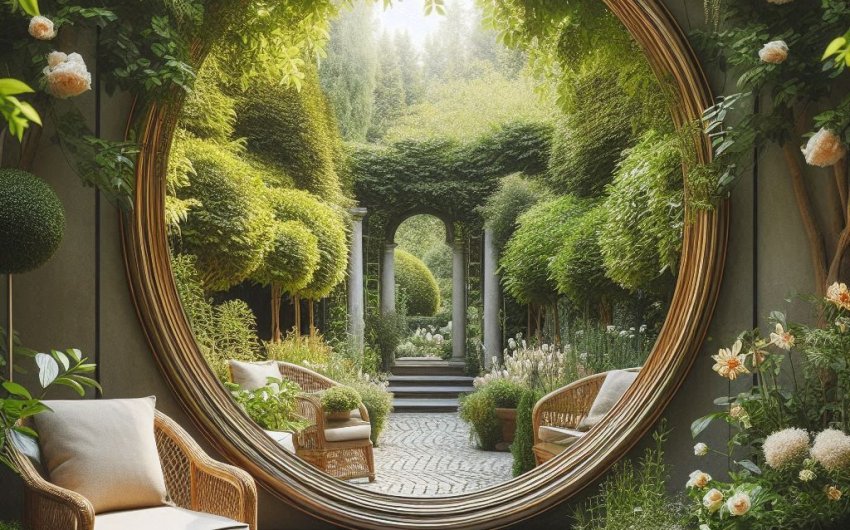
You can use outdoor mirrors in garden design to create illusions of space, reflect light, highlight focal points, and add artistic flair. Strategic placement is key to transforming your outdoor area into a more expansive and captivating environment.
Why Use Outdoor Mirrors in Your Garden?
Outdoor mirrors are more than just reflective surfaces; they are powerful tools in garden design that can dramatically alter the perception and functionality of your outdoor space. They offer unique advantages that traditional garden decor cannot match.
Creating Illusions of Space
This is perhaps the most popular reason to incorporate mirrors. Just as indoor mirrors make small rooms feel larger, outdoor mirrors can make a compact garden feel expansive. By reflecting the garden back onto itself, they create the illusion of an extended pathway, another garden room, or an endless vista. This optical trick is particularly effective in small gardens, courtyards, or balconies where space is limited.
Enhancing Light and Brightness
Mirrors are excellent at bouncing light around. In a shady corner, an outdoor mirror can brighten the area by reflecting sunlight from another part of the garden or even the sky. This can make dimly lit spots feel more inviting and allow for the growth of plants that prefer a bit more light than the spot naturally provides. They can also create dazzling light patterns as the sun moves across the sky.
Highlighting Garden Features and Views
Strategic placement of a mirror allows you to magnify and repeat your favorite garden elements. Do you have a beautiful rose bush, a stunning water feature, or a charming statue? A mirror can double its visual impact, drawing the eye and emphasizing its beauty. They can also frame desirable views from your garden, like a distant tree or a piece of outdoor art, bringing them "into" your garden space.
Adding Depth and Mystery
A mirror can create a sense of depth and intrigue. Placed subtly, perhaps partially hidden by foliage, it can suggest a hidden pathway or a secret garden beyond. This adds a layer of mystery and encourages exploration within your garden design, making it more dynamic and engaging.
Incorporating Art and Style
Beyond their functional benefits, outdoor mirrors are decorative elements in themselves. Available in various shapes, sizes, and frames, they can serve as outdoor art, enhancing your garden's aesthetic. From rustic farmhouse styles to elegant contemporary designs, a mirror can reinforce your garden's theme and add a touch of personality.
What Kinds of Mirrors are Suitable for Outdoor Use?
Not just any mirror will do for outdoor placement. Exposure to sun, rain, temperature changes, and humidity means you need mirrors specifically designed to withstand the elements.
Weatherproof and Durable Materials
Look for mirrors made with materials that can endure outdoor conditions without corroding, fogging, or deteriorating.
- Mirror Material: While most outdoor mirrors use standard glass, some are made with acrylic or polycarbonate. Acrylic mirrors are lighter and more shatter-resistant, making them safer for areas with children or pets, though they may scratch more easily. Glass mirrors offer a clearer reflection but are heavier and breakable.
- Backing: The reflective silvering on the back of the glass is crucial. It needs to be protected with a weather-resistant sealant or paint to prevent moisture from seeping in and causing "black spots" or de-silvering. Inferior mirrors will quickly show these signs of decay outdoors.
- Frame Materials: The frame is just as important as the mirror itself.
- Metal: Powder-coated aluminum, wrought iron, or stainless steel are excellent choices for durability. Avoid untreated steel or iron that will rust unless a rusty patina is desired.
- Treated Wood: If you choose wood, it must be weather-treated, cedar, redwood, or teak, which are naturally rot-resistant. Regular sealing will be necessary.
- Resin/Plastic: High-quality outdoor resin or plastic frames can be durable and lightweight, often mimicking other materials.
- Stone/Concrete: These materials are naturally heavy and durable, perfect for a rustic or classical look.
Specific Features to Look For
- UV Resistance: Ensures the mirror and its frame won't fade or degrade from prolonged sun exposure.
- Frost Resistance: Crucial in colder climates to prevent cracking due to freezing and thawing cycles.
- Rust and Corrosion Resistance: Especially important for metal frames and mounting hardware.
- Drainage Holes (for framed mirrors): Some frames are designed with small drainage holes to prevent water from collecting and damaging the backing.
Where to Buy Outdoor Mirrors
You can find suitable outdoor mirrors at:
- Garden Centers and Nurseries: Many now carry outdoor decor items.
- Home Improvement Stores: Larger stores often have a dedicated outdoor living section.
- Online Retailers: Websites like Amazon, Wayfair, and specialty garden decor sites offer a wide selection.
- Antique/Salvage Yards: You might find old window frames that can be fitted with new, weather-treated mirror glass for a unique, vintage look. Ensure any wooden frames are properly sealed.
Where is the Best Place to Position an Outdoor Mirror?
Strategic placement is the secret to successful outdoor mirror design. It's not just about hanging it anywhere; it's about what the mirror reflects and how it interacts with its surroundings.
Reflecting Attractive Views
The golden rule: reflect something beautiful! Position your mirror to capture the most attractive elements of your garden or beyond.
- Flowering Borders: Angle the mirror to reflect a vibrant flower bed, doubling its visual impact.
- Specimen Plants: Highlight a striking tree, shrub, or unique plant.
- Water Features: Reflect a pond, fountain, or bird bath for a shimmering effect.
- Architectural Features: Capture an attractive wall, a charming gate, or a piece of outdoor sculpture.
- Borrowed Landscape: If you have a picturesque view outside your property (e.g., distant trees, a field), position the mirror to incorporate that view into your garden, extending your perceived space.
Creating an Illusion of a Pathway or "Hidden" Area
- End of a Path: Place a mirror at the end of a winding path to make it seem as though the path continues into another section of the garden. This is a classic trick for small spaces.
- Faux Doorway/Window: Install an arched mirror or a mirror framed like a window on a solid wall or fence. This creates the illusion of an opening to another secret garden room. Partially obscure it with climbing plants for added mystery.
Maximizing Light in Shady Spots
- North-Facing Walls: Mirrors on north-facing walls (in the Northern Hemisphere) can reflect light from the sky or elsewhere, brightening otherwise dark corners.
- Under Trees: If you have a deep shade under a tree, a mirror can help bounce light to light-loving plants that might struggle there. Be mindful of direct sun reflection potentially scorching foliage if the mirror is in direct sunlight for long periods.
Considering Light and Glare
- Avoid Direct Sunlight Towards Viewing Areas: Never place a mirror where it will reflect direct, intense sunlight directly into a seating area, dining space, or a window of your house. This can create uncomfortable glare and even pose a fire hazard in extreme cases, especially with concave mirrors (though these are rare outdoors).
- Angle for Soft Reflection: Experiment with the angle of the mirror throughout the day to find the sweet spot where it provides a pleasing reflection without harsh glare.
Blending into the Landscape
- Partial Concealment: For a more natural and mysterious effect, partially conceal the mirror behind foliage, a trellis, or a shrub. This makes the reflection seem more integrated with the landscape rather than just a flat object.
- Reflecting Greenery: Position mirrors to reflect a lot of greenery. This creates a serene, calming effect and enhances the feeling of abundance.
Safety First
- Secure Mounting: Always ensure your outdoor mirror is securely mounted to a sturdy surface using appropriate hardware. Wind, storms, and curious hands can cause loosely mounted mirrors to fall.
- Location for Children/Pets: If you have children or pets, consider using acrylic mirrors which are shatter-resistant. Avoid placing glass mirrors where they could easily be knocked over or broken.
How Can Outdoor Mirrors Enhance Specific Garden Styles?
Outdoor mirrors are versatile and can complement a variety of garden design themes, from formal to whimsical.
Formal and Classical Gardens
In formal gardens characterized by symmetry, order, and classical elements, mirrors can amplify the grandeur.
- Symmetry: Place identical large arched mirrors on opposing walls or at the end of a grand axis to double the perception of space and create a dramatic focal point.
- Classical Frames: Choose mirrors with ornate, wrought iron, or stone-effect frames that echo classical architectural styles.
- Reflecting Statuary: Position mirrors to reflect classical statues, urns, or formal hedges, repeating the formal elements.
Cottage and Rustic Gardens
Cottage gardens are informal, abundant with plants, and often incorporate repurposed or vintage items. Mirrors can add a whimsical touch.
- Repurposed Windows: Use old wooden window frames, stripped and painted, fitted with new mirror glass to create "faux windows" on a shed or fence.
- Distressed Frames: Opt for mirrors with intentionally distressed or rusty metal frames, or those made from reclaimed wood.
- Hidden Gems: Tuck smaller mirrors among dense foliage or climbing roses to create surprising glimpses and reflections.
- Rustic Garden Decor: Pair mirrors with other rustic elements like old watering cans, wooden crates, or clay pots.
Modern and Contemporary Gardens
Modern gardens emphasize clean lines, minimalist design, and often use bold geometric shapes.
- Sleek and Frameless: Choose large, frameless or minimally framed mirrors with clean edges to maintain a sleek aesthetic.
- Geometric Shapes: Incorporate rectangular or circular mirrors as standalone art pieces on a simple wall.
- Reflection of Architectural Elements: Reflect the clean lines of a patio, a modern water feature, or contemporary outdoor furniture.
- Floating Illusion: Mount mirrors slightly off the wall for a floating effect, enhancing their modern appeal.
Small Gardens and Courtyards
Mirrors are a game-changer for compact spaces, making them feel significantly larger.
- Wall of Reflection: Dedicate an entire wall or a significant portion of it to a large mirror or a series of mirrors. This creates an immediate sense of double the space.
- End of a Space: Place a mirror at the farthest end of a narrow garden or courtyard to push back the perceived boundary.
- Vertical Expansion: Use tall, narrow mirrors to draw the eye upwards, enhancing the feeling of height.
- Reflecting Greens: Ensure the mirror reflects lush plants and greenery to maximize the feeling of abundant space.
Secret Gardens and Nooks
For secluded areas, mirrors can enhance the sense of intimacy and discovery.
- Peek-a-Boo Mirror: Place a mirror partially obscured by plants, revealing itself as you wander through a secluded path.
- Creating a "Room": In a semi-enclosed seating area, a mirror can act as an extra "wall," making the space feel more defined and cozy while adding depth.
How to Install and Maintain Outdoor Mirrors?
Proper installation and regular maintenance are crucial for the longevity and safety of your outdoor mirror.
Installation Best Practices
- Choose the Right Spot: As discussed, select a location that offers appealing reflections, adequate sun exposure without excessive glare, and stability.
- Ensure a Sturdy Surface: The mirror needs to be mounted on a solid, stable surface, such as a sturdy fence post, a brick wall, or a robust garden shed. Avoid flimsy fences or unstable structures.
- Use Appropriate Hardware:
- Heavy-Duty Screws/Anchors: For masonry walls, use appropriate wall anchors and long, rust-resistant screws. For wooden fences, use exterior-grade, rust-resistant screws long enough to penetrate deep into the post.
- Weight Capacity: Check the mirror's weight and ensure your chosen hardware and mounting surface can safely support at least twice that weight.
- Mounting Brackets: Many outdoor mirrors come with pre-attached D-rings or keyhole hangers. Use screws that fit these, and ensure they are level. Some mirrors might require cleat systems for heavier models.
- Level and Secure: Use a level to ensure the mirror is straight. Once hung, double-check that it feels secure and doesn't wobble. For very large or heavy mirrors, consider using security clips or adhesive at the bottom to prevent shifting in strong winds.
- Consider Drainage: If mounting on a solid wall, ensure there's no way for water to collect behind or under the mirror frame. Sometimes a small spacer can help with airflow.
Maintenance and Care
- Regular Cleaning: Outdoor mirrors can quickly get dirty from dust, pollen, bird droppings, and water spots. Clean them regularly with a soft cloth and a non-abrasive glass cleaner, or simply water with a mild soap. Avoid harsh chemicals that could damage the frame or mirror backing.
- Inspect the Frame: Periodically check the frame for signs of wear, rot (for wood), or rust (for metal).
- Wood frames: Re-seal or re-paint every 1-2 years, depending on exposure.
- Metal frames: Touch up any chipped paint or signs of rust to prevent further corrosion.
- Check Mounting Hardware: Tighten any loose screws and inspect hangers for corrosion or wear. Replace any rusted or damaged hardware immediately.
- Winter Protection (in cold climates): In areas with harsh winters, consider covering your mirror with a waterproof tarp or even bringing it indoors if it's not explicitly rated for extreme cold and frost. This prevents water from freezing behind the glass and causing damage.
- Moss/Algae Removal: If moss or algae start to grow on the frame or around the edges, gently scrub it off with a soft brush and a diluted bleach solution (test on an inconspicuous spot first) or a specialized outdoor cleaner. Rinse thoroughly.
Creative Ideas for Using Outdoor Mirrors
Beyond the basic functions, there are many innovative ways to incorporate mirrors into your garden design.
The "Secret Garden" Illusion
- Partially Hidden: Place a large, tall mirror at the end of a winding path or tucked behind some tall shrubs. Position plants in front of the mirror to partially obscure it, so it's not immediately obvious it's a mirror. This creates the delightful illusion that there's another garden space just around the corner.
- Arched Gateway: Use an arched mirror with a "gate" design mounted on a wall. Add real climbing plants like clematis or roses around it to enhance the sense of a hidden entrance.
The Infinity Effect
- Opposing Mirrors: In a narrow space or a patio, place two mirrors facing each other at either end. This creates an "infinity" effect, making the space appear to stretch endlessly. Ensure there are interesting elements between them to reflect.
- Mirroring a View: Angle a mirror to perfectly reflect a specific, beautiful view (e.g., a group of trees, a vibrant planting bed) so that it looks like a natural extension of your garden.
Mirror "Windows"
- Faux Window Box: Mount a mirror framed like a window on a shed or fence. Below it, install a real window box filled with vibrant flowers. The reflection will create a charming illusion of a window with a doubled floral display.
- Mural Mirror: Combine a mirror with a painted mural on a wall. For example, paint a trellis and vines, and integrate the mirror as an opening within the painted scene.
Water Feature Reflection
- Above a Pond: Position a mirror on a wall directly above a small pond or water feature. The mirror will reflect the sky, plants, and the water itself, creating a multi-dimensional, shimmering effect. Ensure the mirror is securely mounted to avoid falling into the water.
- Beside a Fountain: Place a tall, narrow mirror next to a fountain. It will reflect the water's movement and potentially double the visual impact of the fountain itself.
The "Broken Mirror" Effect
- Mosaic Mirrors: Instead of a single large mirror, use shattered pieces of mirror glass (ensure edges are dulled for safety) to create a mosaic on a garden wall or a planter. This creates glittering, fragmented reflections that catch the light playfully.
- Multiple Small Mirrors: Arrange several small, varied outdoor mirrors in a cluster on a wall, like a collection of abstract art. Each mirror will reflect a different snippet of the garden.
Reflecting Art and Lighting
- Double Your Art: If you have outdoor sculptures or large potted plants you want to highlight, place a mirror behind them or at an angle to double their presence.
- Amplify Lighting: Position mirrors near outdoor lighting fixtures (e.g., wall sconces, string lights) to amplify their glow in the evening, creating a more dramatic and well-lit atmosphere.
Potential Downsides and Considerations
While outdoor mirrors offer fantastic design possibilities, it's important to be aware of potential issues.
Bird Collisions
Birds, especially during migration, might not perceive mirrors as solid objects and could fly into them, causing injury or death.
- Mitigation:
- Break up the reflection: Place decals, patterns, or thin strips of tape on the mirror's surface to make it more visible to birds.
- Angle placement: Angle the mirror slightly downwards or upwards so it doesn't perfectly reflect open sky or distant trees.
- Proximity to feeders/baths: Avoid placing mirrors too close to bird feeders or bird baths where birds congregate.
- Partial obstruction: Partially obscure the mirror with climbing plants or branches so that it appears less like open space.
Fire Hazard (Rare but Possible)
Concave mirrors can focus sunlight and create a fire hazard if positioned incorrectly, especially if they focus intense beams onto dry leaves or flammable materials. Standard flat mirrors are generally not a fire risk unless they reflect sunlight into highly sensitive areas for prolonged periods.
- Mitigation:
- Use flat mirrors: Stick to flat mirrors for outdoor use. Avoid concave or magnifying mirrors.
- Mind the angle: Carefully observe how the sun hits the mirror at different times of day and year. Adjust the angle if intense, focused reflections are cast onto flammable surfaces.
- No dry materials: Ensure no dry leaves, wood chips, or other combustible materials are directly in the path of any intense reflections.
Glare and Discomfort
As mentioned, direct sunlight reflected into seating areas or windows can be irritating.
- Mitigation:
- Test angles: Observe the mirror at various times of day.
- Shade: Consider placing the mirror in a partially shaded area or under an awning.
- Strategic planting: Use tall plants or screens to diffuse the reflection in problem areas.
Aesthetics and Integration
A poorly placed or maintained mirror can look out of place or neglected.
- Blend in: Ensure the mirror's frame and style complement your garden's aesthetic.
- Keep it clean: A dirty, foggy mirror defeats its purpose and looks messy.
- Maintenance: Regular checks and cleaning are vital to keep it looking good and functioning effectively.
Outdoor mirrors are a fantastic tool for garden designers and home gardeners alike, offering a blend of beauty, illusion, and practicality. By choosing the right type of mirror, strategically placing it, and maintaining it properly, you can unlock its full potential to create a garden that feels larger, brighter, and more enchanting. Experiment with different placements and styles to find the perfect way to use outdoor mirrors to transform your outdoor living space.