
How to Incorporate Lighting in Garden Décor?
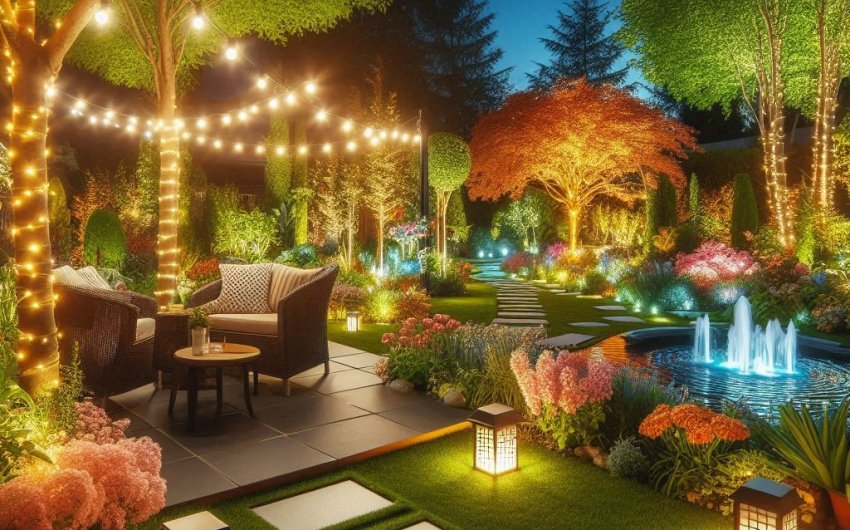
Transforming your garden into a magical retreat that comes alive after dusk is easily achieved by integrating well-planned illumination. Discovering how to incorporate lighting in garden décor can dramatically enhance ambiance, highlight key features, and extend the usability of your outdoor space long after the sun sets. This guide will walk you through various lighting types, strategic placements, and creative ideas to illuminate your landscape with both beauty and purpose.
Why is Lighting Important in Garden Décor?
Lighting is far more than just a way to see in the dark; it's a powerful design tool that fundamentally changes the perception and enjoyment of your garden. Understanding how to incorporate lighting in garden décor reveals its true potential to enhance your outdoor living experience.
Extends Usability and Enjoyment
Well-placed lights allow you to use your garden comfortably and safely after sunset. Whether you're dining al fresco, hosting a gathering, or simply enjoying a quiet evening, lighting extends the hours you can spend outdoors. It turns your garden into a usable extension of your home, day and night.
Enhances Ambiance and Mood
Lighting creates atmosphere. Warm, soft lights can evoke a cozy, romantic, or tranquil mood, while brighter lights can signify a lively entertainment area. It has the power to transform the entire feel of your garden, making it more inviting and magical. Just like indoors, outdoor lighting allows you to set the tone for any occasion.
Highlights Features and Creates Focal Points
Strategic lighting can draw attention to the best elements of your garden. A beautiful tree, a stunning water feature, a colorful flower bed, or a piece of garden art can be dramatically illuminated, turning them into captivating focal points after dark. It allows you to "paint" with light, showcasing what you want to emphasize.
Increases Safety and Security
Proper lighting prevents trips and falls by illuminating pathways, steps, and changes in elevation. It also deters intruders, making your property feel more secure. A well-lit garden makes it safer for both residents and guests to navigate.
Adds Depth and Dimension
During the day, your garden is viewed in full light. At night, strategic lighting can create shadows and highlights, adding depth, dimension, and intrigue that might not be apparent in daylight. It sculpts the landscape with light and shade, creating a dynamic visual experience.
Boosts Curb Appeal
Thoughtful garden lighting significantly boosts your home's curb appeal, making it look more inviting and sophisticated from the street. It adds value and an elegant touch to your property.
In essence, lighting transforms your garden from a daytime-only space into a versatile, beautiful, and safe extension of your living environment, underscoring the importance of knowing how to incorporate lighting in garden décor.
What Are the Different Types of Outdoor Lights?
To effectively understand how to incorporate lighting in garden décor, it's essential to be familiar with the various types of outdoor lights available. Each type serves a unique purpose, from illuminating pathways to highlighting specific features.
1. Pathway Lights
These are typically low-level fixtures designed to line walkways, driveways, and garden paths, providing safety and guidance.
- Characteristics: Usually low-voltage, often stake-mounted, and come in various styles (e.g., mushroom caps, lanterns, bollards).
- Purpose: Safety, visibility, and creating a soft, welcoming glow along routes.
- Examples: Solar pathway lights, low-voltage landscape path lights.
2. Spotlights and Floodlights
These are powerful, directional lights used for accenting features or providing broad illumination.
- Spotlights: Produce a narrow, intense beam of light, ideal for highlighting specific plants, trees, statues, or architectural features.
- Floodlights: Produce a wider, more diffuse beam of light, suitable for illuminating larger areas like a wall, a large section of a garden, or for security purposes.
- Purpose: Accent lighting, security, general area illumination.
- Examples: Outdoor LED spot lights, outdoor flood light with motion sensor.
3. Step Lights
Small, discreet fixtures designed to be mounted directly into steps or risers, providing illumination for safe navigation.
- Purpose: Safety on stairs and elevation changes.
- Examples: LED deck step lights, solar stair lights.
4. String Lights (Fairy Lights / Cafe Lights)
Decorative lights composed of multiple bulbs on a single strand, often hung overhead or draped through plants.
- Characteristics: Vary in bulb size (small "fairy" lights to larger "cafe" or "bistro" lights). Available in various colors and power types (solar, battery, plug-in).
- Purpose: Ambiance, creating a festive or cozy atmosphere.
- Examples: Outdoor string lights for patio, solar fairy lights outdoor.
5. Post Lights
Lights designed to be mounted on top of fence posts, deck posts, or pillars.
- Purpose: General area illumination, safety, and defining boundaries.
- Examples: Solar fence post lights, deck post cap lights.
6. In-Ground / Well Lights
Recessed lights installed flush with the ground, providing subtle uplighting for trees, walls, or architectural features.
- Purpose: Uplighting, accenting, subtle pathway illumination.
- Examples: In-ground landscape lights.
7. Wall Sconces
Lights mounted directly onto the exterior walls of a house or garden structures like sheds or pergolas.
- Purpose: General area lighting, architectural accents, security near doors.
- Examples: Outdoor wall sconces.
8. Decorative/Novelty Lights
A broad category including solar lanterns, glowing orbs, illuminated planters, or themed lights.
- Purpose: Aesthetic appeal, whimsical touches, creating specific moods.
- Examples: Solar garden lanterns, glowing LED outdoor spheres.
Each of these lighting types offers unique ways to achieve how to incorporate lighting in garden décor, allowing you to create layers of light that transform your outdoor space.
How Can You Strategically Place Lights for Best Effect?
Strategic placement is the secret to truly magnificent garden lighting. It's not just about adding lights, but about using them intentionally to highlight features, create depth, and ensure safety. This is where understanding how to incorporate lighting in garden décor becomes an art.
1. Highlight Key Features (Accent Lighting)
Draw attention to the most beautiful or interesting elements of your garden.
- Uplighting: Place a spotlight at the base of a tree, large shrub, or garden statue, aimed upwards. This creates dramatic shadows and emphasizes the shape and texture.
- Downlighting: Mount a light high up (e.g., in a tree branch or on a pergola beam) to shine downwards onto a plant, path, or seating area. This mimics moonlight and creates a natural, soft glow.
- Silhouetting: Place a light behind a plant or object, facing a wall or fence. This creates a striking silhouette effect, emphasizing the outline rather than the details.
- Cross-Lighting: Use two spotlights positioned at different angles to highlight an object from multiple sides, bringing out its three-dimensional quality and reducing harsh shadows.
- Grazing: Position a narrow-beam light very close to a textured wall or fence, shining upwards or downwards. This emphasizes the texture (e.g., stone, brick, wood grain).
2. Illuminate Pathways and Steps (Safety and Guidance)
Safety lighting is essential to prevent trips and falls.
- Pathway Lights: Place low-level pathway lights consistently along paths, typically spaced 4-8 feet apart, to illuminate the walking surface without creating glare.
- Step Lights: Install small, recessed step lights directly into stair risers or adjacent walls to clearly define each step.
- Avoid Over-Illumination: Pathways should be subtly lit, not brightly washed out. Too much light can reduce visibility by creating harsh glare.
3. Define Spaces and Create Zones (Area Lighting)
Use lighting to delineate different functional areas within your garden.
- Dining Areas: Use overhead lighting (e.g., string lights, a hanging pendant) or carefully placed table lamps to define and illuminate dining spaces.
- Seating Areas: Create a cozy ambiance with softer lighting around benches, sofas, or fire pits. String lights, lanterns, or a few well-placed glowing spheres can achieve this.
- Boundary Lighting: Use post lights or wall sconces along fences or walls to define the perimeter of your garden.
4. Layering Light for Depth
Combine different types of lights to create a rich and dynamic visual experience.
- Background, Midground, Foreground: Just like in a painting, think about lighting different planes. Use soft ambient light for the background, accent lights for midground features, and functional lights for foreground paths and seating.
- Varying Intensities: Use a mix of brighter accent lights and softer ambient lights to create contrast and interest. Dimmers for hardwired systems are excellent for adjusting mood.
5. Consider Light Temperature (Warm vs. Cool)
The color of the light can greatly affect the mood.
- Warm White (2700K-3000K): Creates a cozy, inviting, and natural glow, often preferred for general ambiance and accenting plants. Most common choice for landscape lighting.
- Cool White (4000K+): Brighter, more stark white, often used for security lighting or modern, minimalist aesthetics.
By adopting these strategic placement techniques, you'll master how to incorporate lighting in garden décor to sculpt your outdoor space with light and create captivating nighttime appeal.
What Are Some Creative and Unusual Lighting Ideas?
Beyond the functional and traditional, creative flower pot inspirations can extend to unique lighting solutions that add whimsy, artistry, and unexpected charm to your garden. Thinking outside the box allows for truly personalized outdoor decor.
1. Mason Jar Lanterns
- Concept: Simple glass mason jars can be transformed into beautiful lanterns.
- How To: Place solar fairy lights (the kind with a small solar panel on the lid) inside, or a small battery-operated LED tea light. Hang them from tree branches, shepherd's hooks, or place them on tables. You can also add colored glass beads or sand for extra flair.
- Benefit: Affordable, charming, and creates a magical twinkling effect.
2. Recycled Wine Bottle Lights
- Concept: Give empty wine bottles a new life as captivating garden lights.
- How To: Clean empty bottles. Insert cork string lights (small LED lights with a cork-shaped battery pack) into the neck of the bottle. Place them on tables, along pathways, or mount them upside down onto stakes.
- Benefit: Upcycled, elegant, and adds a unique, sophisticated glow.
3. Glowing Orb Lights
- Concept: Spherical lights that float on water or rest on the ground, creating a soft, ambient glow.
- How To: Purchase floating LED orb lights that are specifically designed for outdoor or pond use. They often come with color-changing options.
- Benefit: Modern, ethereal, and particularly stunning in water features or among lush plantings.
4. Illuminated Planters
- Concept: Planters that double as light sources, providing both greenery and illumination.
- How To: Buy lighted planters with built-in LED lights, or DIY by placing a battery-operated puck light or string lights inside the planter beneath a layer of gravel or a false bottom, then add your potted plant.
- Benefit: Combines plants and light into one sculptural element, perfect for defining entrances or seating areas.
5. Repurposed Light Fixtures
- Concept: Giving indoor or discarded light fixtures a new, outdoor purpose.
- How To: Take an old chandelier (remove electrical components) and hang it from a tree branch or pergola. Drape it with solar fairy lights or battery-operated LED candles. Old lanterns, especially decorative ones, can be cleaned and filled with outdoor LED candles.
- Benefit: Adds a touch of vintage charm, drama, and unexpected artistry.
6. Glow-in-the-Dark Pebbles/Stones
- Concept: Pebbles or stones that absorb sunlight during the day and emit a soft glow at night.
- How To: Scatter glow-in-the-dark pebbles along pathways, around borders, or within rock gardens.
- Benefit: A whimsical, low-maintenance way to add subtle illumination without electricity.
7. DIY Tin Can Lanterns
- Concept: Create unique patterns of light by punching holes in tin cans.
- How To: Clean empty tin cans. Draw a design on the outside. Use a hammer and nail (or craft punch tool) to carefully punch holes along the design. Paint the cans if desired. Place a battery-operated LED tea light inside.
- Benefit: Crafty, customizable, and creates intricate light patterns.
These creative and unusual lighting ideas demonstrate that how to incorporate lighting in garden décor can be an imaginative and personal journey, turning your outdoor space into a truly unique and enchanting illuminated retreat.