
Kids’ Yard Ideas for Active Outdoor Fun
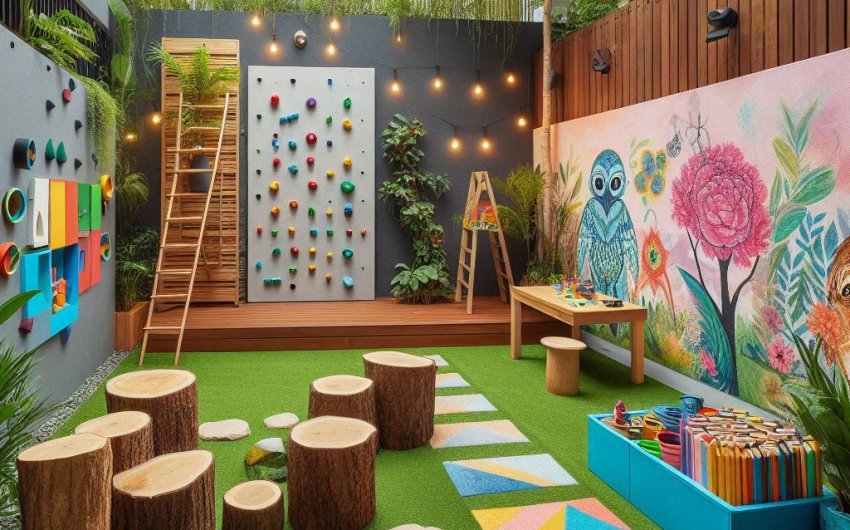
In an age where screens often dominate playtime, encouraging kids to get outside and be active is more important than ever. Your backyard isn't just a patch of grass; it's a fantastic, open-ended playground waiting to be transformed! With a few clever kids’ yard ideas, you can create an irresistible space that promotes physical activity, sparks imagination, and encourages hours of healthy outdoor fun.
This guide is packed with inspiring kids’ yard ideas for active outdoor fun, suitable for various ages and yard sizes. We'll explore everything from dynamic play structures and water features to creative spaces and natural play zones. Whether you're working with a small urban patch or a sprawling suburban lawn, get ready to design a backyard that will have your children running, jumping, climbing, and exploring to their heart's content!
Why is Active Outdoor Play So Important for Kids?
It's not just about burning off energy; active outdoor play offers immense benefits for a child's development.
Does Outdoor Play Improve Physical Health?
Absolutely! This is perhaps the most obvious benefit. Active outdoor fun helps children:
- Develop Motor Skills: Running, jumping, climbing, and throwing enhance gross motor skills and coordination.
- Build Strength and Endurance: Regular physical activity strengthens muscles and improves cardiovascular health.
- Maintain Healthy Weight: Combats sedentary lifestyles and promotes a healthy metabolism.
- Boost Immunity: Exposure to diverse microbes in nature can strengthen the immune system.
Can Outdoor Play Boost Cognitive Skills?
Yes! Playing outdoors is a natural classroom.
- Problem-Solving: Navigating obstacles, building forts, or planning games develops critical thinking.
- Creativity and Imagination: An open-ended outdoor environment encourages imaginative play and storytelling.
- Sensory Development: Engaging with different textures, sounds, and smells of nature stimulates the senses.
- Risk Assessment: Learning to evaluate safe risks (e.g., how high to climb) builds confidence and good judgment.
Does Outdoor Play Enhance Social-Emotional Development?
Definitely. The backyard can be a fantastic setting for social learning.
- Cooperation: Group games and collaborative building projects teach teamwork and negotiation.
- Independence: Having a space to explore freely fosters self-reliance and confidence.
- Emotional Regulation: Physical activity and fresh air can help reduce stress and improve mood.
Is Outdoor Play Just Fun?
And that's okay! At its core, outdoor play is about joy, laughter, and making childhood memories. Creating an engaging backyard encourages kids to spend less time on screens and more time experiencing the wonders of the natural world and the exhilaration of physical activity.
Dynamic Play Structures for Active Kids
These kids’ yard ideas focus on traditional play structures that encourage climbing, swinging, and sliding.
1. The Classic Swing Set or Playset
A perennial favorite that offers multiple activities.
- Swing Sets: Even a simple swing set can provide hours of fun, developing balance and core strength.
- Playsets with Slides/Climbers: Larger playsets often include slides, climbing walls, monkey bars, and even small forts, offering a comprehensive play experience.
- Considerations: Choose playsets appropriate for your child's age and yard size. Ensure proper ground cover (mulch, rubber mats) underneath for safety.
- DIY Option: You can build a simple wooden A-frame swing set with heavy-duty swing hangers and swing seats.
2. Climbing Structures (Beyond the Playset)
Encourage agility and strength with dedicated climbing elements.
- Climbing Wall: Install a small, low-height climbing wall on the side of a shed, fence, or a dedicated plywood panel. Use child-friendly climbing holds.
- Rope Ladder/Cargo Net: Hang a rope ladder or a cargo net from a sturdy tree branch or playset.
- Spider Web Climber: A dome climber provides a robust, multi-directional climbing experience.
3. Obstacle Courses (Adventure Awaits!)
Create a simple obstacle course for dynamic, varied play.
- Permanent Elements: Bury old tires for jumping, install low balance beams (from logs or repurposed wood), or create stepping stone paths.
- Temporary Setups: Use hula hoops, pool noodles, cones, and jump ropes for a course that can be changed frequently to keep it exciting.
- DIY Idea: Arrange tree stumps or large rocks for stepping and jumping.
4. Trampolines (Bouncing Fun)
A popular choice for high-energy kids.
- Benefits: Excellent for cardio and coordination.
- Considerations: Safety is paramount. Choose a trampoline with a safety enclosure and ensure proper setup and supervision. Consider an in-ground trampoline for a cleaner look and easier access.
Water Play Ideas for Splashing Fun
Water play is irresistible to kids, especially on hot days.
1. Dedicated Water Play Area
Create a spot just for splashing and sensory fun.
- Splash Pad: Install a small splash pad with low-pressure sprays directly on a patio or designated area.
- Water Table: A water table is perfect for younger children to explore sensory play with water, sand, and toys.
- DIY Idea: Use a large, shallow plastic tub or a baby pool for simple splashing. Add fun elements like measuring cups, sponges, and small floating toys.
2. Natural Water Feature
Integrate water into your landscape in a child-friendly way.
- Small Pond/Stream: Create a shallow, pebble-lined pond or a mini stream with a gentle pump. Ensure it’s very shallow and safe for kids.
- Mud Kitchen with Water Source: Add a simple outdoor faucet or a pump for a water barrel to a mud kitchen for easy water access.
3. Inflatable Pools
For seasonal fun, an inflatable pool is a simple solution.
- Easy Setup/Take Down: Inflatable pools come in many sizes and are easy to set up for summer and deflate for storage.
- Considerations: Always place on a level, soft surface. Ensure constant supervision.
Creative Play Spaces and Zones
Beyond physical activity, inspire imagination and sensory exploration.
1. Mud Kitchen or Outdoor Art Station
Encourage messy play and creativity.
- Mud Kitchen: Build a simple mud kitchen from repurposed wood, old pallets, or an outdoor cabinet. Provide old pots, pans, utensils, and natural materials like leaves, sticks, and dirt.
- Art Easel/Chalkboard: Set up an outdoor art easel or paint a section of a fence with chalkboard paint for drawing.
- DIY Idea: Old tires can become seating around a "cooking" area.
2. Nature Exploration Zone / Sensory Garden
Engage all the senses and foster a love for nature.
- Sensory Path: Create a small pathway with different textures underfoot (smooth river rocks, soft mulch, sand, grass).
- Fragrant Plants: Plant herbs like mint, rosemary, and lavender that children can touch and smell.
- Textured Plants: Include plants with interesting textures (e.g., lambs ear, fuzzy plants).
- Bug Hotel: Build or buy a bug hotel to attract beneficial insects.
- Discovery Bin: A large plastic bin filled with natural items like pinecones, leaves, sticks, and small rocks for sorting and imaginative play.
3. Kids' Garden Plot
Teach responsibility and the joy of growing.
- Dedicated Space: Give kids their own small, easy-to-manage garden plot or a raised garden bed.
- Easy-to-Grow Plants: Start with quick-growing, simple plants like radishes, lettuce, marigolds, sunflowers, or cherry tomatoes.
- Kid-Sized Tools: Provide child-friendly garden tools.
4. Playhouse or Fort Building Zone
A classic for imaginative play.
- Store-Bought: A ready-made playhouse or plastic play structure.
- DIY Fort Kit: Provide a designated area with loose parts like old blankets, sheets, large cardboard boxes, sturdy sticks, and clotheslines for kids to build their own forts.
- Treehouse: If you have a sturdy tree and budget, a small treehouse can be the ultimate backyard adventure spot.
Natural Play Areas and Loose Parts Play
Sometimes, the best kids’ yard ideas are the simplest and most open-ended.
1. Log or Tree Stump Seating/Climbing
Integrate natural elements for active play.
- Material: Collect or purchase sturdy tree stumps or large logs (ensure they are treated for outdoor use to prevent rot).
- How to use: Arrange them in a circle for seating, in a line for balance beams, or as stepping stones for an obstacle course.
- Benefits: Encourages balance, jumping, and imaginative play as stepping stones, seats, or even building blocks.
2. Sandpit or Digging Area
A classic for sensory and imaginative play.
- Simple Sandbox: A wooden sandbox with a lid keeps sand clean.
- Natural Digging Area: Designate a patch of dirt in a corner of the yard with child-safe digging tools, old buckets, and perhaps some large rocks or buried "treasures."
- Tip: Provide plenty of play sand or a mix of soil for mud play.
3. Loose Parts Collection
Provide a collection of open-ended materials that kids can use to build, create, and imagine.
- What to Include: Large sticks, smooth river stones, pinecones, fabric scraps, cardboard tubes, old pots, plastic containers, small planks of wood.
- Storage: Keep them in an easily accessible bin or outdoor storage box.
- Benefits: Fosters creativity, problem-solving, and adaptability as kids invent their own games and structures.
Safety and Practical Considerations for Your Kids' Yard
Designing a fun space also means making it safe and manageable.
1. Safety First!
- Soft Landings: For any climbing structures or swings, ensure there's a protective surface underneath (at least 6-12 inches deep) like rubber mulch, wood chips, or pea gravel.
- Supervision: Always supervise young children, especially around water and climbing structures.
- Check Equipment: Regularly inspect all play equipment for wear, loose bolts, splinters, or rust.
- Non-Toxic Plants: Ensure all plants in reachable areas are non-toxic to children and pets.
- Sun Protection: Include shaded areas (trees, shade sails, umbrellas) to protect from the sun.
2. Design for Longevity and Growth
- Age Appropriateness: Choose structures and activities suitable for your child's current age, but also consider how they can grow with the child. A swingset might have infant swings that can be swapped for regular seats later.
- Flexibility: Design areas that can adapt. A sandbox can become a raised garden bed later, or a fort-building zone can transition to a reading nook.
3. Embrace Low Maintenance
- Hardy Plants: Choose plants that thrive in your climate and don't require constant fuss.
- Easy Cleanup: Designate areas for messy play that are easy to hose down. Provide easily accessible storage for toys.
By incorporating these diverse kids’ yard ideas for active outdoor fun, you can transform your backyard into a dynamic, imaginative, and endlessly entertaining space that supports your children's development and creates lasting childhood memories. Let the outdoor adventures begin!